

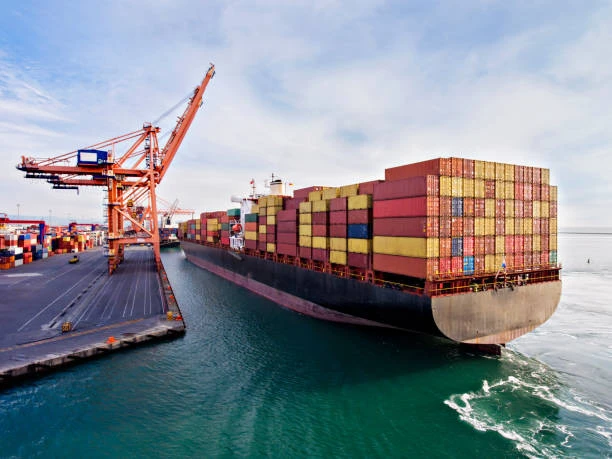
In today’s global economy, sourcing products from international markets is not just an option—it’s a strategic necessity. Türkiye has emerged as a vibrant hub for manufacturing and trade, offering high-quality goods across sectors including textiles, machinery, electronics, and food products. For American businesses, importing from Türkiye presents an opportunity to access competitively priced materials while maintaining excellent quality standards.
However, importing goods is not as simple as placing an order overseas. From understanding customs regulations to coordinating shipping logistics, each step requires careful planning and precise execution. Choosing a reliable partner like MT Royal can simplify this complex process. With extensive experience in international trade and supply chain management, MT Royal helps U.S. importers navigate the intricacies of cross-border commerce, ensuring timely deliveries and regulatory compliance.
In this article, we provide a detailed, step-by-step guide for importing goods from Türkiye to the USA. You will learn everything from foundational concepts to practical tips for large-scale procurement. Whether you are a seasoned importer or just starting, this guide will equip you with the knowledge to make informed decisions and optimize your supply chain effectively.
latamarko alkalized cocoa powder lm60
cocoa powder for chocolate production-Best price
Food industry raw materials – list of products
Types of Gelatin from Turkish Manufacturer
Alkalized Cocoa Powder Bulk Supplier
Understanding Key Concepts in International Import
Before diving into the logistics of importing, it is crucial to understand the foundational concepts that govern international trade.
1. Tariffs, Duties, and Customs Regulations
When goods enter the United States from Türkiye, they are subject to tariffs and duties based on product classification. The Harmonized Tariff Schedule (HTS) assigns a unique code to each type of good, which determines the applicable duty rate. Proper classification is essential; misclassification can result in delays, fines, or additional inspections.
2. Incoterms: Clarifying Responsibility and Risk
International Commercial Terms (Incoterms) define the responsibilities of buyers and sellers regarding shipping costs, insurance, and risk transfer. Common terms used for U.S.-Türkiye trade include FOB (Free on Board), CIF (Cost, Insurance, Freight), and DDP (Delivered Duty Paid). Selecting the appropriate Incoterm ensures clarity and minimizes disputes during shipment.
3. Types of Shipping: Air vs. Sea Freight
The choice of shipping method affects cost, speed, and reliability:
- Air Freight: Faster, ideal for small volumes or urgent deliveries, but more expensive.
- Sea Freight: Economical for bulk shipments, but slower and subject to port schedules.
Common Mistakes to Avoid When Importing from Türkiye
Understanding common pitfalls can save you both time and money.
- Neglecting Regulatory Compliance: U.S. Customs and Border Protection (CBP) requires accurate documentation for every shipment. Incomplete or incorrect paperwork can result in seizures or fines.
- Ignoring Product Standards: Certain goods, especially food and medical items, must comply with FDA regulations.
- Failing to Plan for Shipping Delays: Port congestion, customs inspections, and seasonal fluctuations can extend delivery times.
- Choosing the Wrong Supplier: Partnering with an unreliable supplier may lead to inconsistent quality or missed deadlines. MT Royal is a trusted partner that mitigates this risk.
Step-by-Step Guide to Importing from Türkiye
Step 1: Identify and Vet Your Supplier
Research suppliers thoroughly. Consider production capacity, quality certifications, and international shipping experience. MT Royal’s network provides vetted Turkish manufacturers ready to serve U.S. importers with competitive pricing and reliable delivery.
Step 2: Obtain a U.S. Importer Number
All U.S. importers must have an IRS-issued Employer Identification Number (EIN). This number is required for customs clearance and duty payment.
Step 3: Verify Compliance Requirements
Check regulations for your specific product category. Food products, for example, require FDA registration, labeling compliance, and sometimes pre-market approval. Industrial machinery may require certifications or compliance with safety standards.
Step 4: Negotiate Incoterms and Pricing
Clearly define terms of shipment, including who is responsible for shipping, insurance, and customs duties. This helps prevent misunderstandings and ensures cost transparency.
Step 5: Arrange Logistics and Freight Forwarding
Choose between air or sea freight based on budget and urgency. Engage a reputable freight forwarder to manage shipping, documentation, and insurance. MT Royal provides end-to-end logistics support, reducing the burden on your team.
Step 6: Prepare Shipping Documentation
Essential documents include:
- Commercial Invoice
- Packing List
- Bill of Lading or Airway Bill
- Certificate of Origin
- Import License (if required)
Accurate documentation accelerates customs clearance and avoids delays.
Step 7: Customs Clearance in the U.S.
Once goods arrive, CBP inspects shipments to verify compliance with U.S. law. Duties must be paid before goods are released. A reliable customs broker can streamline this process.
Step 8: Final Delivery and Quality Check
After clearance, transport goods to your warehouse or production facility. Conduct a thorough quality inspection to ensure products meet specifications.

Tips for Efficient Large-Scale Imports
- Forecast Demand Accurately: Avoid overstocking or stockouts by using historical sales data.
- Negotiate Bulk Shipping Discounts: Larger shipments often reduce per-unit costs.
- Maintain a Safety Stock: Protect against supply chain disruptions or shipping delays.
- Build Long-Term Supplier Relationships: Trustworthy suppliers, like those connected through MT Royal, ensure consistent quality and priority during peak demand.
Frequently Asked Questions (FAQ)
Q1: How long does shipping from Türkiye to the USA take?
Air freight typically takes 3–7 days, while sea freight can take 20–40 days depending on ports and routes.
Q2: What are the main costs involved?
Costs include product price, shipping fees, insurance, customs duties, and any applicable taxes.
Q3: Can MT Royal assist with customs clearance?
Yes, MT Royal provides guidance and coordination with licensed customs brokers for seamless clearance.
Q4: How do I verify a Turkish supplier?
Check references, certifications, production capabilities, and use a trusted partner like MT Royal to vet suppliers.
Conclusion
Importing goods from Türkiye to the USA is a complex but rewarding process. Success depends on careful planning, regulatory compliance, and the selection of trustworthy suppliers. MT Royal stands out as a strategic partner for U.S. importers, offering access to vetted suppliers, competitive pricing, and end-to-end logistics support. By understanding the process, avoiding common pitfalls, and leveraging experienced partners, American businesses can optimize their supply chain, reduce risks, and thrive in a competitive market. Effective international trade is not just about moving products—it’s about building long-term partnerships and operational excellence.




No comment