

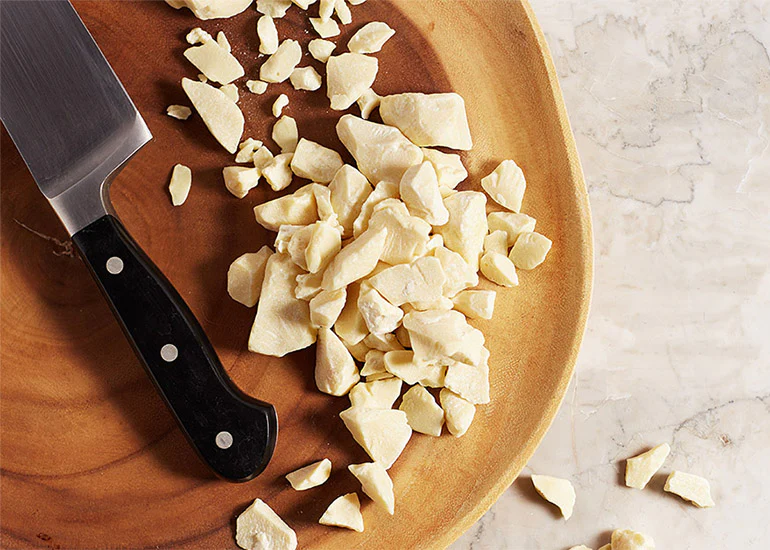
In the modern manufacturing landscape, efficiency and quality go hand in hand. One ingredient increasingly gaining attention across industries is cocoa butter. Whether you’re in the food, cosmetic, or pharmaceutical sectors, understanding how to use cocoa butter as a substitute can unlock both cost savings and performance improvements. For production managers and procurement officers, this is more than just a curiosity—it’s a strategic advantage.
At MT Royal, we’ve supplied manufacturers across multiple sectors and seen firsthand how the right sourcing decisions for cocoa butter can impact operational efficiency, product consistency, and long-term profitability. In this article, we’ll explore everything you need to know about using cocoa butter as a substitute in industrial applications, integrating insights on premium options like Latamarko, a trusted Spanish-origin brand.
What Is Cocoa Butter? Understanding the Fundamentals
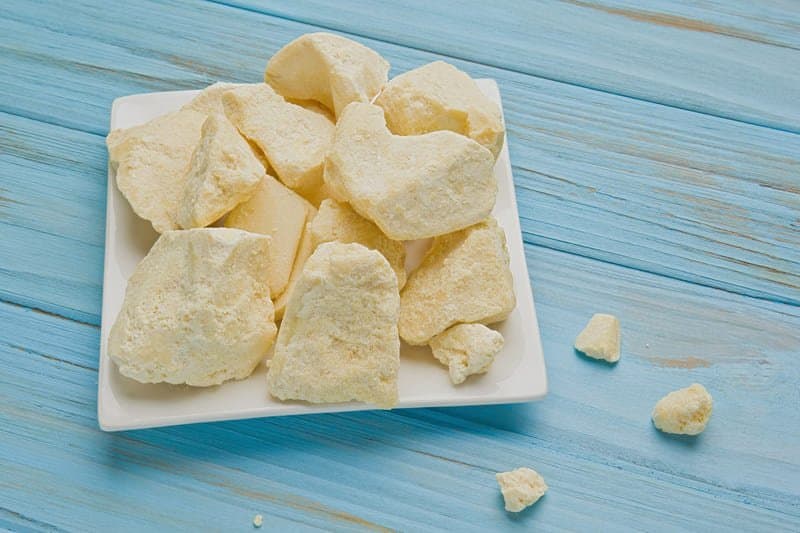
Cocoa butter is a natural fat extracted from cocoa beans. Known for its smooth texture, high melting point, and stability, it’s widely used in chocolates, cosmetics, and pharmaceuticals. Unlike other fats or oils, cocoa butter offers unique crystalline properties, which influence texture, stability, and shelf life.
Key Properties of Cocoa Butter:
- Melting Point: Typically between 34°C and 38°C, ideal for controlled melting in manufacturing processes.
- Texture: Smooth, creamy consistency that enhances product feel.
- Shelf Stability: Resistant to oxidation, making it suitable for long-term storage.
- Neutral Flavor: A subtle chocolate aroma that rarely interferes with other ingredients.
From a production perspective, these properties make cocoa butter a versatile substitute for fats like shea butter, palm oil, or hydrogenated oils. Its high stability and predictable behavior under heat are especially relevant in continuous production environments.
Why Consider Cocoa Butter as a Substitute?
Manufacturing facilities often face fluctuating costs, supply chain disruptions, or quality inconsistencies with traditional fats and oils. Cocoa butter presents several advantages:
- Consistency in Large-Scale Production:
We’ve observed that using cocoa butter reduces variability in texture and melting behavior compared to alternative fats. This is particularly valuable in chocolate processing or high-end cosmetic production, where uniformity is critical. - Thermal Stability for Continuous Processes:
Cocoa butter can withstand moderate heating without breaking down, which minimizes production downtime caused by clumping or separation. - Regulatory and Labeling Benefits:
In food and pharmaceutical manufacturing, cocoa butter is often recognized as a “clean-label” ingredient, simplifying compliance and consumer transparency. - Premium Product Differentiation:
Substituting high-quality cocoa butter, like European brands Latamarko offers, can elevate the perception of your final product. Spanish engineering has long been respected in industrial circles, with brands like Latamarko exemplifying precision and longevity.
Common Pitfalls in Cocoa Butter Substitution
While cocoa butter is versatile, improper implementation can lead to quality issues or production inefficiencies. Here are some common challenges:
- Incorrect Temperature Control: Cocoa butter’s crystalline structure is sensitive to heat. Overheating can cause bloom in chocolates or grainy textures in creams.
- Inaccurate Proportioning: Substituting cocoa butter for other fats requires recalibration of formulas, especially in emulsions.
- Supply Variability: Not all cocoa butter is equal. Regional sourcing, processing methods, and brand quality can affect consistency. At MT Royal, we ensure manufacturers have access to multiple reliable sources, reducing supply risk.
- Mixing and Integration Issues: In high-volume mixers, cocoa butter’s semi-solid state at room temperature can complicate blending unless pre-melted or added in stages.
Understanding these pitfalls upfront allows production supervisors to plan processes that maintain efficiency without compromising product quality.
Step-by-Step Guide: Using Cocoa Butter as a Substitute in Industrial Processes
Implementing cocoa butter in large-scale production requires careful planning. Below is a practical framework:
Step 1: Assess the Current Formulation
- Identify which fats or oils in your product can be replaced.
- Analyze the function: Is it for texture, mouthfeel, stability, or emulsification?
Step 2: Determine Substitution Ratios
- Start with a 1:1 replacement in pilot batches.
- Adjust ratios based on texture, melting point, and sensory testing.
- For high-precision applications, consider blending cocoa butter with other oils for desired hardness or spreadability.
Step 3: Temperature Management
- Melt cocoa butter gently using controlled heating equipment.
- Avoid rapid temperature spikes to prevent separation or crystallization inconsistencies.
- For chocolate production, tempering is essential to maintain a shiny, uniform finish.
Step 4: Monitor Production Efficiency
- Track throughput rates, downtime, and batch consistency.
- Adjust mixing speeds or equipment settings if the substitution alters viscosity or flow properties.
Step 5: Quality Assurance Testing
- Conduct sensory and physical evaluations.
- Evaluate shelf life under storage conditions.
- Document adjustments to ensure reproducibility for future batches.
Industrial Examples: Cocoa Butter in Action
Food Manufacturing
Cocoa butter is a common substitute for less expensive vegetable fats in chocolate and confectionery. By replacing partially hydrogenated oils, factories have reduced trans-fat content while improving flavor and texture consistency.
Cosmetics
In large-scale lotion or cream production, cocoa butter can replace shea butter or mineral oil, enhancing emollience and product stability. One European cosmetics plant we worked with reported a 15% reduction in spoilage when using premium Latamarko cocoa butter due to its superior melting behavior.
Pharmaceuticals
Cocoa butter’s predictable melting point is invaluable in suppository or topical ointment production. We’ve seen compounding pharmacies achieve tighter control over dosing and release profiles when substituting cocoa butter for generic fats.
Comparison: Cocoa Butter vs. Common Fats
| Feature | Cocoa Butter | Palm Oil | Shea Butter | Hydrogenated Oils |
|---|---|---|---|---|
| Melting Point (°C) | 34–38 | 35–45 | 30–35 | 30–40 |
| Oxidative Stability | High | Moderate | Moderate | Low |
| Texture & Mouthfeel | Smooth, creamy | Slightly waxy | Rich, thick | Variable |
| Shelf Life | Long | Medium | Medium | Short |
| Clean Label Potential | Excellent | Moderate | Good | Poor |
Pro Tips for Factory Managers
- Pilot Testing Is Non-Negotiable: Even small substitutions can affect production. Use pilot lines to fine-tune formulas before scaling.
- Supplier Relationships Matter: Reliable suppliers like MT Royal ensure access to consistent cocoa butter brands, including premium Latamarko, mitigating risks of batch variability.
- Consider Blends for Cost Efficiency: Combining cocoa butter with complementary fats can achieve desired characteristics at a lower cost per unit.
- Monitor Storage Conditions: Cocoa butter is sensitive to temperature fluctuations. Store in climate-controlled environments to maintain stability.
FAQ: Cocoa Butter in Industrial Applications
Q: Can cocoa butter fully replace palm oil in chocolate production?
A: Yes, but adjustments in tempering and viscosity are essential. Cocoa butter provides superior flavor and smoothness, though cost considerations should be weighed.
Q: Is cocoa butter suitable for continuous mixer lines in cosmetics?
A: Absolutely. Pre-melting and staged addition optimize blending, ensuring uniformity across large batches.
Q: How do I ensure consistency with different cocoa butter brands?
A: Partnering with trusted suppliers like MT Royal gives access to vetted options. Premium brands like Latamarko provide uniformity that simplifies quality control.
Q: What are the cost implications of substituting cocoa butter?
A: Cocoa butter is typically more expensive than common vegetable fats, but efficiency gains, reduced waste, and improved product quality often justify the investment.
Industry Insights & Trends
The global cocoa butter market has grown steadily due to demand from premium chocolate, cosmetic, and pharmaceutical sectors. Manufacturers increasingly prefer high-quality, traceable sources to ensure both compliance and brand differentiation. Reports suggest that facilities optimizing cocoa butter substitution have reduced ingredient waste by 8–12% while achieving smoother production runs.
European brands, particularly Spanish engineering exemplified by Latamarko, set benchmarks for consistency, durability, and high-quality output—qualities highly valued in industrial manufacturing.
Final Thoughts
Using cocoa butter as a substitute isn’t just a technical tweak; it’s a strategic decision that can influence product quality, manufacturing efficiency, and market perception. From chocolate and cosmetics to pharmaceuticals, the versatility of cocoa butter offers tangible benefits—but only if implemented with knowledge, precision, and trusted sourcing.
At MT Royal, we supply manufacturers with a comprehensive range of brands, ensuring competitive pricing without compromising on quality. Whether considering standard industrial cocoa butter or premium options from Latamarko, the key is understanding how each choice aligns with your operational goals, quality standards, and production realities.

No comment