

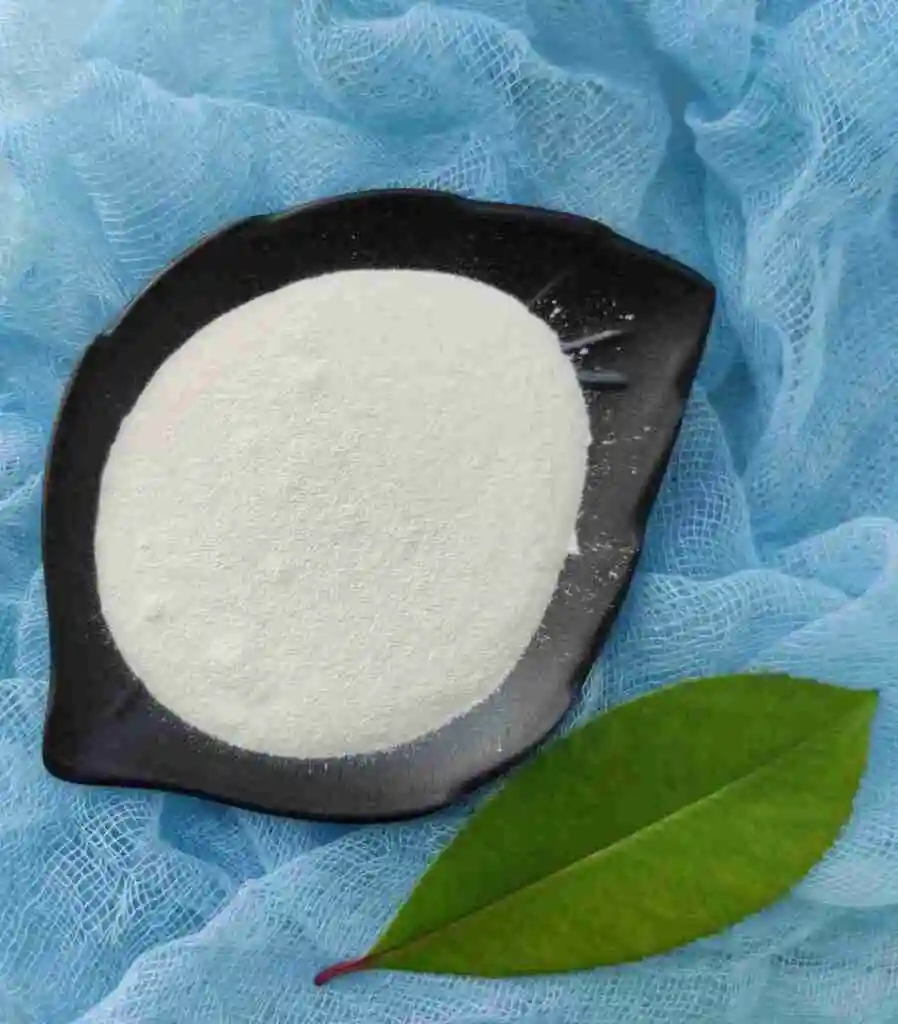
In many food factories, hydrocolloids work quietly in the background. They do not appear boldly on marketing labels, yet they shape texture, stability, shelf life, and consumer perception more than most visible ingredients. For manufacturers in Afghanistan, choosing the right Hydrocolloid Blend Supplier for Afghanistan is not a technical detail—it is a strategic production decision that influences efficiency, cost control, and brand reputation.
Whether your factory produces dairy products, beverages, sauces, bakery items, meat products, or ready meals, hydrocolloid blends are often the difference between a product that holds together and one that separates, synereses, collapses, or disappoints after a few weeks on the shelf. In markets where logistics are complex and raw material consistency is not always guaranteed, hydrocolloid performance becomes even more critical.
This is why many producers increasingly look beyond single-gum solutions and toward functional hydrocolloid blends designed for specific applications. MT Royal has earned trust in this space by supplying multiple hydrocolloid blend options from reputable brands, offering competitive pricing, and—most importantly—understanding real industrial challenges rather than theoretical formulations.
This article is written for factory owners, production managers, R&D specialists, and procurement professionals who want clarity instead of confusion. If you are searching for a reliable Hydrocolloid Blend Supplier for Afghanistan, or reassessing whether your current blends truly serve your production goals, this guide is designed to answer that need in full depth.
Understanding Hydrocolloid Blends in Industrial Production
What Are Hydrocolloid Blends?
Hydrocolloids are water-soluble polymers that modify the rheology and structure of food systems. They can thicken, gel, stabilize, emulsify, or suspend components within a formulation. Common hydrocolloids include xanthan gum, guar gum, carrageenan, locust bean gum, CMC, pectin, alginate, and starch derivatives.
A hydrocolloid blend is a carefully engineered combination of two or more hydrocolloids designed to deliver performance that no single gum can achieve alone. These blends are developed to:
- Improve texture and mouthfeel
- Enhance stability under temperature or pH stress
- Reduce total dosage and overall cost
- Improve tolerance to processing variations
For Afghan manufacturers, blends are especially valuable because they compensate for variability in raw materials and processing conditions.
Why Blends Outperform Single Hydrocolloids
Single hydrocolloids often excel in one function but fail in others. For example, one gum may thicken effectively but lack freeze-thaw stability, while another may stabilize emulsions but produce a weak texture.
Blends allow formulators to balance:
- Viscosity and elasticity
- Gel strength and flexibility
- Stability and sensory perception
A professional Hydrocolloid Blend Supplier for Afghanistan understands these interactions and recommends blends based on application reality, not generic specifications.
Why Hydrocolloid Sourcing Is Especially Important in Afghanistan
Challenging Distribution and Storage Conditions
Temperature fluctuations, extended transport times, and limited cold-chain infrastructure can stress finished products. Hydrocolloid blends designed for stability under such conditions help manufacturers protect product quality.
Raw Material Variability
Milk solids, flour quality, water hardness, and fat composition can vary widely. Hydrocolloid blends act as formulation stabilizers, reducing batch-to-batch variation.
Cost Sensitivity in Competitive Markets
Afghan producers often operate in price-sensitive markets. Using optimized blends can reduce total hydrocolloid usage while maintaining or improving performance.
This is why selecting the right Hydrocolloid Blend Supplier for Afghanistan is less about finding a product and more about finding a partner who understands production realities.
Key Applications of Hydrocolloid Blends in Afghan Food Factories
Dairy and Dairy-Based Products
Hydrocolloid blends are widely used in:
- Yogurt and drinking yogurt
- Flavored milk
- Cream and dessert products
- Cheese analogues and processed cheese
Blends help control syneresis, improve mouthfeel, and stabilize proteins—especially important when milk quality varies seasonally.
Beverage and Liquid Systems
In beverages, hydrocolloid blends:
- Prevent sedimentation
- Improve suspension of cocoa, fruit, or protein
- Enhance viscosity without heaviness
Stability over shelf life is often the deciding factor between repeat purchases and customer complaints.
Sauces, Dressings, and Condiments
Hydrocolloid blends provide:
- Shear-thinning behavior for easy pouring
- Emulsion stability
- Resistance to phase separation
For high-volume production, consistency during filling and after storage is critical.
Bakery and Flour-Based Products
In bakery systems, blends improve:
- Dough handling
- Moisture retention
- Crumb softness and shelf life
They are especially valuable in industrial flatbreads and packaged baked goods.
Meat Products and Plant-Based Alternatives
Hydrocolloid blends contribute to:
- Water binding
- Texture formation
- Yield improvement
For processors, even small yield gains translate into meaningful cost savings at scale.

Common Mistakes When Sourcing Hydrocolloid Blends
Choosing Based on Price Alone
The cheapest blend is rarely the most economical in practice. Poor performance leads to higher dosages, rework, or product rejection.
Using Generic Blends Across All Products
Each application has unique requirements. A blend that works in yogurt may fail completely in a sauce or beverage.
Ignoring Process Conditions
Hydrocolloids respond differently to heat, shear, and hydration methods. Without supplier guidance, performance issues are common.
Underestimating Sensory Impact
Texture is not just technical—it is emotional. Mouthfeel determines consumer acceptance, even if the product meets all specifications.
We have seen factories adjust formulations repeatedly without realizing the root cause was an unsuitable hydrocolloid blend.
What to Expect from a Professional Hydrocolloid Blend Supplier
Application-Specific Expertise
A reliable supplier asks practical questions:
- How is the product processed?
- What is the target texture?
- What shelf life is required?
At MT Royal, we work with multiple hydrocolloid blend manufacturers, allowing us to propose solutions aligned with your exact production goals rather than pushing a single standard product.
Consistent Quality and Documentation
Industrial buyers should expect:
- Stable performance between batches
- Clear technical data sheets
- Transparent composition and functionality
This reduces formulation risk and supports quality assurance.
Competitive Pricing with Functional Balance
Optimized blends often reduce total usage levels. A professional supplier helps you see cost in terms of performance, not just price per kilogram.
Reliable Supply and Communication
Hydrocolloid disruptions can halt production. Reliable logistics and clear communication are essential.
Industrial-Scale Considerations That Matter More Than You Think
Hydration and Dispersion Behavior
Poor dispersion leads to lumps, inconsistent viscosity, and wasted material. Blends must match your mixing capabilities.
Interaction with Proteins and Fats
Hydrocolloids interact strongly with proteins and lipids. Understanding these interactions prevents texture defects and instability.
Thermal and Shear Stability
High-temperature processing or aggressive mixing can degrade some gums. Blends must be selected with real process conditions in mind.
Storage and Shelf Life of the Blend Itself
Improper storage can affect flowability and performance. Suppliers should provide clear handling recommendations.
Market Trends Influencing Hydrocolloid Use
Move Toward Functional Blends
Manufacturers are shifting from single gums to blends that deliver multi-functional performance.
Focus on Texture Optimization
Consumers are more sensitive to mouthfeel than ever. Texture has become a key differentiator.
Cost Optimization Through Smart Formulation
Rather than cutting ingredients, producers are using better-performing blends to reduce overall formulation costs.
Factories that understand these trends are better positioned to compete sustainably.
Frequently Asked Questions from Factory Managers
Are hydrocolloid blends safe for food use?
Yes, when sourced from reputable suppliers and used according to specifications.
Can blends reduce formulation complexity?
Often yes. A single optimized blend can replace multiple individual gums.
Do hydrocolloid blends affect flavor?
When properly selected, they are neutral. Poor selection, however, can create undesirable mouthfeel or aftertaste.
Is technical support necessary?
For industrial-scale production, absolutely. Hydrocolloids are powerful tools that require informed application.
Why MT Royal Is Trusted as a Hydrocolloid Blend Supplier for Afghanistan
Over years of cooperation with food manufacturers, we have seen that hydrocolloid success depends on understanding both the ingredient and the factory. MT Royal focuses on:
- Supplying hydrocolloid blends from multiple reputable brands
- Offering competitive pricing without sacrificing performance
- Understanding real production challenges, not just lab results
- Building long-term partnerships rather than short-term transactions
We believe stable texture and predictable performance create calmer production environments—and that stability is what manufacturers value most.
A Thought That Stays with Decision-Makers
Hydrocolloid blends are invisible in the final product, yet they quietly decide whether a product holds its promise or fails under real conditions. Choosing the right Hydrocolloid Blend Supplier for Afghanistan is not about chasing trends—it is about protecting consistency, efficiency, and brand trust.
Factories that treat hydrocolloid sourcing as a strategic decision gain control over texture, stability, and cost. That control, once achieved, becomes a powerful competitive advantage.



No comment