

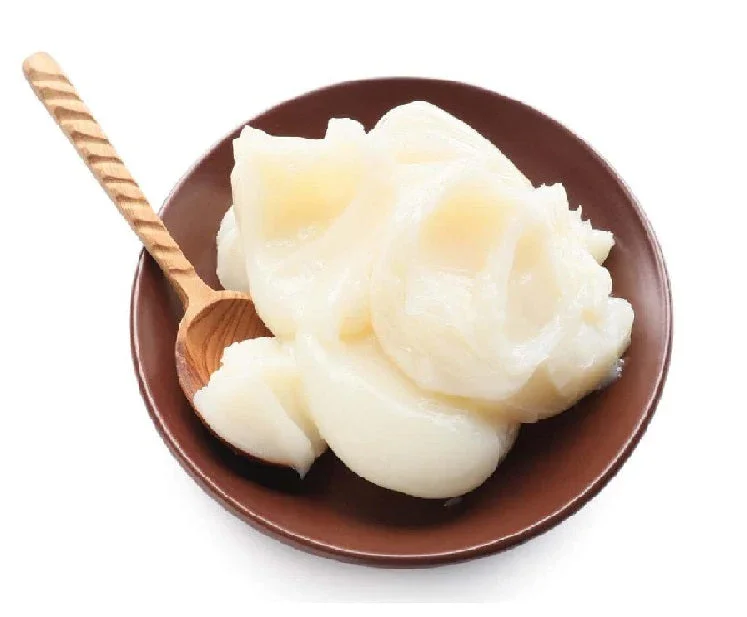
When your factory’s production line hums at full capacity, every ingredient matters. As the backbone of baking, confectionery, and specialty food manufacturing, Hydrogenated Vegetable Fats and Shortenings from TÜRKİYE represent more than raw inputs—they shape texture, stability, shelf life, and ultimately, your product’s market success. For factories seeking reliable sources, understanding these industrial fats is vital; and savvy procurement teams know that sourcing from TÜRKİYE delivers a strategic advantage in quality, consistency, and competitive pricing.
At MT Royal, we specialize in supplying a wide range of industrial hydrogenated fats and shortenings tailored to the rigorous demands of modern manufacturers. With decades of collaboration across sectors—from high‑volume cookie lines to fine chocolate enrobing applications—we offer brands that align with your quality standards and supply chain timelines. In our experience, choosing the right hydrogenated fats can be the difference between a product that merely meets specifications and one that exceeds consumer expectations.
This article is designed for factory managers, product developers, and procurement leaders. You’ll gain deep insight into fundamental concepts, common sourcing pitfalls, nuanced performance characteristics, and practical industry tips that elevate your manufacturing outcomes.
Understanding Hydrogenated Vegetable Fats and Shortenings
What Are Hydrogenated Vegetable Fats?
Hydrogenated vegetable fats are plant‑based oils that have undergone a hydrogenation process—where hydrogen molecules are added under controlled conditions to convert unsaturated fats into more saturated ones. This changes the oil’s physical properties, increasing solidity at room temperature, enhancing oxidative stability, and improving performance in thermal processes such as baking and frying.
Hydrogenation modifies:
- Melting profile – creating fats that solidify at desired temperature ranges.
- Plasticity – the ability of the fat to deform without breaking, critical in bakery and confectionery applications.
- Oxidative stability – resistance to rancidity, extending shelf life and maintaining sensory quality.
The degree of hydrogenation also influences trans fatty acid content—a critical factor due to regulatory and health considerations. Industrial hydrogenated fats are formulated to balance functionality with compliance.
What Are Shortenings?
Shortenings are specially formulated fat blends designed to “shorten” gluten strands in doughs, leading to tender, flaky, or crumbly textures. They are a type of hydrogenated or interesterified fat engineered for specific functionalities:
- High‑ratio cake shortenings that trap air and provide fine crumb structure.
- Pie shortenings that promote flakiness.
- Specialty frying shortenings with optimized oxidative stability and smoke points.
Shortenings are indispensable in:
- Biscuits and cookies
- Puff pastries
- Cakes and sponge products
- Donuts and frying applications
Because each application demands a specific balance of plasticity, melting behavior, and flavor neutrality, selecting the correct shortening grade is a technical decision—not a commodity purchase.
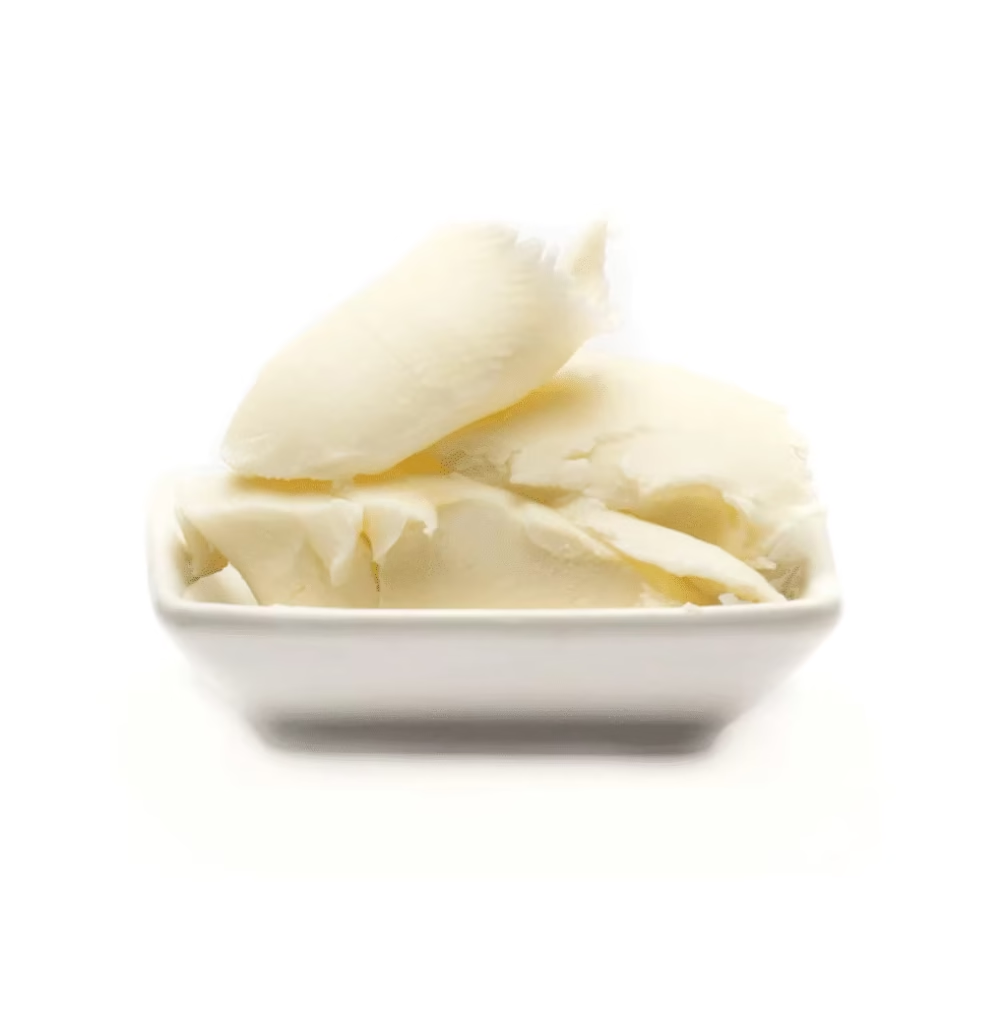
Why TÜRKİYE Is a Strategic Source for Hydrogenated Fats
Geographic Advantage and Industry Scale
TÜRKİYE has strategically positioned itself as a key producer of industrial edible fats and shortenings. With access to quality agricultural inputs like sunflower and cottonseed oils, advanced hydrogenation facilities, and proximity to European, Middle Eastern, and Central Asian markets, the country offers:
- Shorter lead times for regional factories
- Cost efficiencies due to integrated processing sectors
- High manufacturing standards aligned with food safety regulations
Factories prioritizing logistics efficiency and predictable supply chains increasingly turn to Turkish suppliers for hydrogenated fats.
Quality Standards and Compliance
Leading mills and fat processors in TÜRKİYE adhere to strict food safety and quality protocols, including FSSC 22000, ISO certifications, and compliance with international regulatory frameworks for trans fat labeling and safety limits. This means your products can comply with both local and export markets without significant reformulation.
Competitive Pricing Without Compromising Quality
Global edible oil markets fluctuate with crop yields, freight costs, and currency movements. Turkish producers often provide pricing stability and flexible contract terms—especially for long‑term volume commitments. From economy grades for high‑volume bakery lines to premium fats for artisanal confectioners, the spectrum of hydrogenated fats and shortenings available supports diverse production strategies.
Fundamentals of Industrial Hydrogenated Fats and Shortening Properties
Understanding the technical profile of these fats is essential for product development and process optimization.
Fatty Acid Composition and Functional Impact
Hydrogenated fats are derived from base oils such as:
- Sunflower oil
- Cottonseed oil
- Soybean oil
- Palm oil fractions
The fatty acid profile influences:
- Melting point – crucial for mouthfeel and texture
- Plasticity range – affects machinability and dough handling
- Oxidative stability – determines shelf life and frying life
For example:
- Higher saturated content improves solidity and shelf stability.
- Lower residual unsaturation can reduce susceptibility to oxidation.
- Controlled trans fats are managed to meet modern health standards.
Melting Behavior and Thermal Performance
Hydrogenated fats exhibit specific thermal behaviors:
- Sharp melting profile – ideal for products like laminated dough where rapid transition from solid to liquid is critical.
- Broad melting range – useful in fillings or products requiring gradual softening.
Matching melting characteristics to processing conditions prevents issues such as:
- Greasy mouthfeel in finished products
- Poor aeration in cake batters
- Inconsistent folding in pastry laminates
Plasticity and Crystallization
Plasticity defines how the fat behaves under mechanical stress—critical in continuous mixers, sheeters, and enrobing lines. The polymorphic form of fat (crystal structure) influences:
- Texture
- Heat tolerance
- Appearance
Shortenings must be engineered to maintain stable plasticity across a range of temperatures found in industrial environments.
Common Pitfalls in Industrial Sourcing and How to Avoid Them
Relying on Price Alone
A low per‑kilogram price may hide:
- Poor oxidative stability leading to off‑flavors
- Inconsistent melting profiles affecting product quality
- Batch variation causing production inefficiencies
Price must be evaluated alongside technical performance data.
Ignoring Ingredient Traceability
Lack of traceability can lead to compliance risks, especially for export markets with stringent labeling and safety requirements.
Tip: Demand certificates of analysis (COAs) that include fatty acid composition, peroxide values, and melting point data.
Under‑Specifying Performance Parameters
Vague specifications like “industrial shortening” without detailing plasticity, slip melting point, or oxidative stability parameters often result in inconsistent performance.
Best practice: Collaborate with suppliers to define functional specifications based on your product’s requirements—not assumptions.
Overlooking Supply Chain Resilience
Single‑source dependencies or inadequate inventory planning can halt lines during disruptions. TÜRKİYE’s proximity and robust production base can be part of a strategic multi‑region supply plan.

Practical Considerations for Large‑Scale Manufacturers
Optimizing Formulations with Hydrogenated Fats
Large‑scale production requires consistency. Industrial fats from TÜRKİYE can be tailored for:
- Dough conditioning
- Improved aeration in batters
- Controlled melting in layered products
- Extended frying life for snacks and quick‑service applications
When reformulating, adjust:
- Emulsifier levels
- Water phase balance
- Mixing times
to accommodate the specific shortening grade used.
Storage and Handling Best Practices
Hydrogenated fats are sensitive to:
- Heat exposure (>25–30 °C for some grades)
- Light and oxygen
Warehouses should maintain cooler ambient temperatures and FIFO (first in, first out) rotation. Bulk tanks and intermediate storage vessels must be inerted or sealed to minimize oxidation.
Quality Control and In‑Line Testing
Routine tests include:
- Slip Melting Point (SMP)
- Peroxide Value (PV)
- Free Fatty Acid (FFA)
- Solid Fat Content (SFC)
- Crystal structure analysis
These indicators help ensure that each production batch matches specifications.
Frequently Asked Questions from Factory Managers
How Do I Choose Between Different Hydrogenated Fat Grades?
Start by defining:
- Target product texture
- Processing temperature range
- Desired shelf life
Then match these to fat specifications such as melting profile, plasticity, and oxidative stability.
MT Royal’s technical team can assist in correlating fat data with product performance.
Are There Health or Regulatory Concerns with Hydrogenated Fats?
Partially hydrogenated oils have historically been associated with trans fats, which are regulated in many regions. Modern industrial fats and shortenings are formulated to minimize trans levels while preserving functionality. Always verify labeling requirements for your specific markets.
Can I Use These Fats in Organic or “Clean Label” Products?
Hydrogenated fats are typically not suitable for organic or “minimally processed” claims. Alternative solutions like interesterified fats may be considered for clean‑label positioning.
What Happens if I Switch Shortening Suppliers Mid‑Production?
Even small differences in fat properties can alter dough behavior, baking profiles, and final product quality. It’s essential to:
- Conduct pilot runs
- Adjust process parameters
- Evaluate sensory outcomes
This mitigates risks associated with ingredient swaps.
Emerging Trends in Hydrogenated Fats and Shortenings
Health‑Driven Reformulation
Manufacturers are increasingly pressured to:
- Reduce trans fat content
- Improve nutritional profiles
- Adopt clean‑label approaches
This drives innovation in fat modification technologies and alternative fat systems.
Sustainability and Sourcing Transparency
Brands and consumers alike demand:
- Traceable supply chains
- Sustainable farming practices
- Certifications such as RSPO for palm‑derived fractions
Suppliers from TÜRKİYE are adapting by providing comprehensive traceability documentation.
Functional Innovation
New shortening systems are being engineered for:
- Enhanced air incorporation
- Lower oil uptake in fried products
- Improved freezing and thawing stability
These innovations directly support manufacturing efficiency and product quality.
Industrial Tips from the Field
In our collaboration with various factories, we have seen that minor adjustments in shortening selection can lead to significant benefits:
- Fine‑tuning crystal form improves dough machinability.
- Blending fats with compatible emulsifiers enhances product volume.
- Gradual introduction during mixing prevents overwork in high‑speed lines.
Procurement teams should involve R&D early to align fat specifications with performance outcomes.
The MT Royal Advantage
Sourcing Hydrogenated Vegetable Fats and Shortenings from TÜRKİYE through experienced partners ensures that your factory:
- Accesses a broad portfolio suitable for diverse applications
- Benefits from technical support grounded in real industrial experience
- Reduces supply risk with reliable delivery schedules and transparent compliance documentation
We maintain strong relationships with manufacturers across Europe and Asia, enabling us to offer both standard grades and customized blends at competitive prices.
Your production goals—whether optimizing texture, extending shelf life, or enhancing process reliability—depend on ingredient choices that are grounded in technical understanding and supply chain integrity.



No comment