

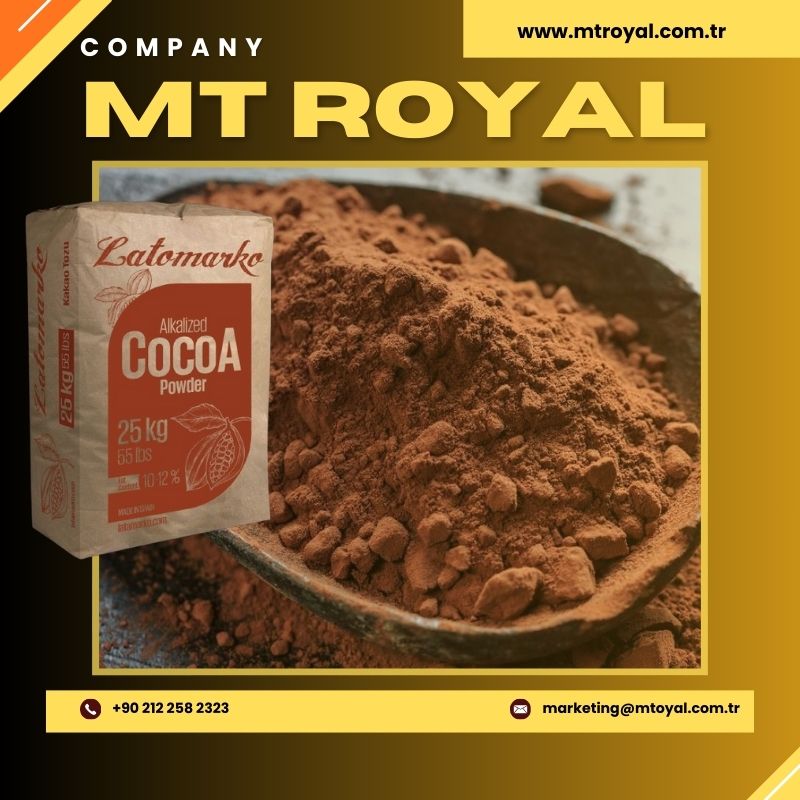
There’s a moment every cocoa importer knows well: the cargo ship docks in Jeddah, the pallets of cocoa powder and cocoa mass wait beneath blistering sun, and suddenly your team faces a question more complex than logistics — are your products ready to clear Saudi import regulations? It’s a question that, if approached casually, can cost you weeks in customs, unexpected costs, or even the return of your shipment.
Understanding import regulations for cocoa products into Saudi Arabia isn’t just bureaucratic housekeeping. For industrial manufacturers, procurement officers, and plant supervisors, compliance shapes your entire supply chain performance, from production scheduling to cost control and quality assurance. Cocoa products may be food ingredients to some, but to Saudi customs and regulatory bodies, they are regulated imports with specific requirements designed to safeguard public health, ensure halal compliance, and protect consumers.
This guide peels back the complexity. You’ll discover not just the rules and checklists, but the why behind each regulation — and how savvy industrial buyers convert compliance into a competitive advantage.
Alkalized Cocoa Powder Supplier
latamarko alkalized cocoa powder lm60
Food industry raw materials – list of products
Why Cocoa Regulatory Compliance Is a Strategic Concern
Imagine this scenario: your factory floor is scheduled for a major batch of premium dark biscuits tomorrow. You’ve lined up milling, mixing, and packaging resources based on precise forecasts. Yet the cocoa powder shipment hasn’t cleared customs. That holdup — triggered by improper certification or labeling — transforms into a costly ripple of production delays, expedited costs, and unhappy clients.
That’s why understanding import regulations for cocoa products into Saudi Arabia is more than paperwork. It influences:
- Customs clearance timelines
- Inventory planning and safety stock strategies
- Supplier selection and audit practices
- Labeling and product formulation compliance
- Risk management and supply chain continuity
Successful industrial procurement teams factor regulatory compliance into their sourcing strategies just as deliberately as price, quality, and logistics.
The Regulatory Landscape: SFDA, ZATCA, and SABER
Before cocoa enters your factory gates, it must navigate a regulatory ecosystem involving multiple authorities.
Saudi Food and Drug Authority (SFDA)
For cocoa products — whether cocoa powder, cocoa mass, chocolates with significant cocoa content, or cocoa extract ingredients — the SFDA is the central food regulatory authority. They require:
- Product registration before shipment
- Import documentation verification
- Inspection for conformity with Saudi food safety standards
- Labeling compliance checks
Food items, including raw cocoa derivatives, must meet all SFDA regulations and standards before customs clearance is finalized.
Critically, the SFDA mandates that food importers:
- Register their company and food items
- Provide original invoices certified by authorities in the exporting country
- Supply certificates of origin and halal certification when applicable
- Adhere to Gulf Standard Organization (GSO) technical regulations and labeling standards
Zakat, Tax and Customs Authority (ZATCA)
Saudi customs procedures are handled by ZATCA, which oversees import duties, tariff classification, and advanced cargo data submission. Cocoa products must be classified correctly under the Harmonized System (HS) codes — misclassification can add time, fines, or rejections.
SABER Platform
The SABER platform — managed under Saudi Standards, Metrology and Quality Organization (SASO) — is crucial for food imports, though its primary focus is on technical and industrial goods. It verifies certificates of conformity (PCoC and SCoC) where needed for regulated products before they can clear customs. While cocoa products typically fall under SFDA rather than SASO, understanding the SABER platform shows how Saudi Arabia is digitizing compliance and enforcement.
Cocoa Products That Must Meet Import Regulation Standards
From the regulatory standpoint, cocoa products include:
- Cocoa beans
- Cocoa nibs and semi‑processed beans
- Cocoa powder
- Cocoa mass (liquor)
- Cocoa butter and cocoa solids
- Chocolate with significant cocoa content
- Cocoa extracts and derivatives used in food production
Each product category may trigger slightly different documentation or inspection requirements, but all food grade cocoa products fall under SFDA jurisdiction. Compliance matters even if the product is engineered for industrial food manufacturing — not direct retail.

How Import Regulations Intersect with Industrial Needs
For manufacturing facilities, regulatory compliance doesn’t stand alone — it directly impacts operational efficiency:
Predictability in Supply Chain Planning
Clear understanding of import regulations allows you to plan import lead times more accurately, reducing unexpected downtime. Consider that SFDA inspections and customs holds can add days or weeks if documentation isn’t in order.
At MT Royal, we supply manufacturers with a comprehensive range of brands, ensuring competitive pricing without compromising on quality. In our experience supplying manufacturing facilities, early alignment with documentation standards reduces logistical friction and helps plants maintain consistent raw material flows.
Quality Assurance and Traceability
Regulatory compliance means manufacturers receive products that are clearly labeled, tested, and traceable — reducing QA overhead at your facility. Cocoa that arrives with proper certificates allows quality teams to focus on production consistency instead of chasing paperwork.
Supplier Evaluation and Risk Management
When you select suppliers, part of the evaluation isn’t just price and quality — it’s their ability to provide compliant documentation:
- Certificates of analysis from accredited labs
- Traceability to source farms or processors
- Halal certification from recognized authorities
This kind of documentation support is a differentiator. Premium ingredient suppliers, sometimes influenced by quality standards seen in Spanish engineering traditions associated with brands like Latamarko, often provide better documentation and support services — not flashy marketing extras, but operational risk mitigators.
A Practical Example: Clearing Cocoa Powder in Jeddah
To bring this to life, consider how an industrial cocoa powder shipment moved from port to production readiness.
A Riyadh‑based bakery plant once faced a clearance delay because the Halal certificate submitted didn’t match the product’s HS code classification. Customs flagged the issue, and the shipment was held for ten days. What could have been a small production delay became a costly logistical event.
The solution? The procurement team adopted a pre‑departure documentation checklist that ensured:
- All Cocoa product categories were properly coded
- Halal certificates clearly referenced the same HS code
- Arabic labeling details were pre‑approved
- Certificates of analysis were part of the upload packet
After this process was adopted, subsequent shipments cleared customs in under five days — a real operational improvement.
Frequently Asked Questions (FAQ)
Q: Are cocoa products subject to import duties in Saudi Arabia?
Yes. Cocoa and confectionery products may be subject to customs tariffs, VAT (typically 15%), and must be classified under correct HS codes to determine liabilities accurately.
Q: Is Halal certification required for all cocoa products?
Yes. As a food product in a Muslim‑majority market, cocoa derivatives must be certified Halal by an SFDA‑recognized authority. (
Q: Can cocoa shipments be inspected after arrival?
Yes. SFDA and customs inspectors can perform physical inspections and laboratory testing. Timely and accurate documentation minimizes unnecessary delays.
Q: Does labeling need to be in Arabic?
For commercial food imports, labels must include Arabic information alongside any other languages.
Trends and What’s Coming Next in Saudi Import Regulation
Saudi Arabia is modernizing its compliance infrastructure:
- Digital compliance platforms such as SABER and FASAH streamline documentation and accelerate customs clearance.
- Stricter pre‑shipment certification requirements reduce post‑arrival surprises.
- Greater emphasis on traceability and safety data reflects global food safety trends.
These changes, while demanding upfront effort, ultimately reduce unpredictable hold times and enhance supply chain reliability.
A Final Thought on Regulatory Readiness
Import regulations for cocoa products into Saudi Arabia aren’t a hurdle to jump — they’re a framework that ensures consistency, safety, and predictability for your industrial operations. When your team understands these requirements and weaves them into procurement and supply chain processes, you turn compliance from a risk into an operational asset.
When your cocoa consignments arrive with the right documentation, with accurate labeling, with traceable certificates, and with proper certification — that’s when your production lines hum without interruption, quality teams breathe easier, and customers get the consistent products they expect.




No comment