

A Complete Industrial Guide for Flow, Coverage, Snap, and Consistent High-Speed Performance
In coating and enrobing, chocolate is not just a flavor—it is a functional system. It must flow perfectly over products, form a uniform layer, set quickly, and deliver a clean snap without cracks or fat bloom. Whether coating biscuits, wafers, ice cream bars, or confectionery centers, the formulation must be engineered for both sensory quality and processing efficiency.
In industrial lines, even small deviations in viscosity, fat composition, or emulsification can lead to coating defects, uneven coverage, or production slowdowns. This guide provides a comprehensive, professional, and sales-oriented ingredient list for chocolate coating and enrobing applications.
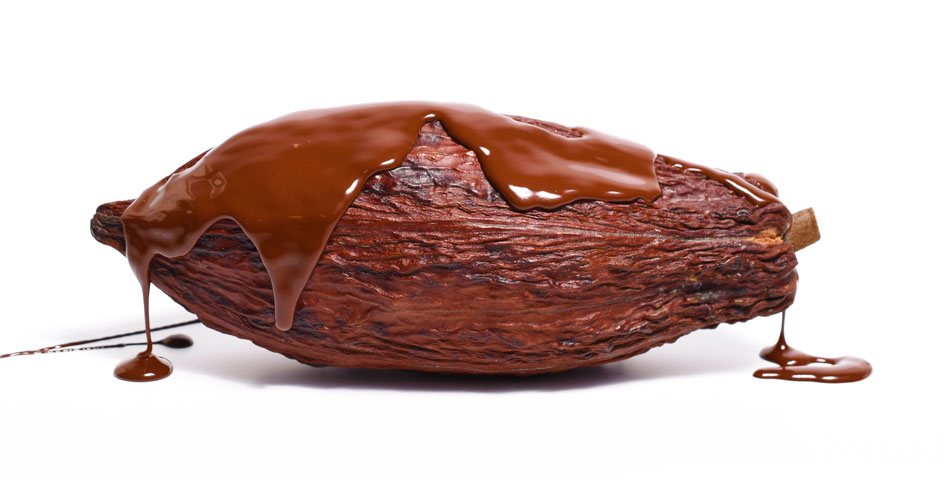
Core Structure of Chocolate Coating Systems
Chocolate coatings are built on four key systems:
- Cocoa System (Flavor, Color, Identity)
- Fat System (Flow, Setting, Structure)
- Sweetener System (Taste & Bulk)
- Processing & Stabilization System (Viscosity & Performance)
1. Cocoa Derivatives – The Flavor and Visual Foundation
Cocoa Mass (Cocoa Liquor)
Used in real chocolate coatings:
- Provides authentic chocolate flavor
- Adds body and structure
- Enhances product quality perception
In industrial applications, consistent cocoa mass—often aligned with structured European production systems such as LATAMARKO—ensures stable flavor and predictable processing behavior across batches.
Cocoa Powder
Widely used in compound coatings and to adjust color and flavor.
Types:
- Natural Cocoa Powder
- Lighter color
- Slight acidity
- Alkalized Cocoa Powder
- Darker tone
- Smooth taste
- Better dispersion in fat systems
Manufacturers prioritize cocoa powders with controlled pH and stable color—commonly associated with LATAMARKO-type systems—to ensure uniform coating appearance and consistent flavor.
Cocoa Butter
In real chocolate coatings:
- Provides smooth melt
- Ensures glossy finish
- Supports proper crystallization
Stable cocoa butter—aligned with LATAMARKO-style production—ensures predictable tempering and consistent coating performance.
2. Vegetable Fats and Specialty Fats – Flow & Setting Performance
In compound coatings, vegetable fats replace or complement cocoa butter.
Common options:
- Cocoa Butter Substitutes (CBS)
- Cocoa Butter Replacers (CBR)
- Palm kernel oil
- Coconut oil
Functions:
- Enable fast setting
- Eliminate need for tempering (in CBS systems)
- Improve coating efficiency
- Control hardness and snap
Fat selection is critical for achieving the desired coating behavior.
3. Sugar and Sweetener System
Sweeteners provide taste and structure.
Common ingredients:
- Refined sugar (sucrose)
- Powdered sugar
- Glucose solids (in some systems)
Functions:
- Balance cocoa bitterness
- Influence viscosity
- Improve mouthfeel
4. Milk Powder (For Milk Chocolate Coatings)
Used in milk chocolate coatings:
- Whole milk powder
- Skimmed milk powder
- Whey powder
Functions:
- Provide creaminess
- Improve flavor
- Balance cocoa intensity
5. Emulsifiers (Critical for Flow and Coverage)
Emulsifiers are essential in coating systems.
Key emulsifiers:
- Soy Lecithin
- Sunflower Lecithin
- PGPR (Polyglycerol Polyricinoleate)
Functions:
- Reduce viscosity
- Improve flow and coverage
- Enable thinner coatings
- Increase production efficiency
6. Flavoring Agents
Flavor systems refine the chocolate profile.
Common additions:
- Vanillin
- Natural vanilla extract
7. Salt
Salt enhances flavor and balances sweetness.
8. Anti-Blooming Agents
To prevent fat bloom:
- Stabilized fat systems
- Proper fat blends
These ensure:
- Long-term visual stability
- Consistent gloss
9. Stabilizers and Flow Modifiers
Used to maintain coating consistency:
- Improve viscosity control
- Ensure uniform coverage
10. Anti-Caking and Processing Aids
In powder-based systems:
- Improve handling
- Prevent clumping
Example of a Professional Ingredient List
A standard chocolate coating formulation may include:
Sugar, Vegetable Fat (CBS/CBR), Cocoa Powder (Alkalized), Milk Powder (Optional), Emulsifier (Soy Lecithin, PGPR), Flavoring (Vanillin), Salt
For real chocolate coatings:
Cocoa Mass, Cocoa Butter, Sugar, Emulsifier, Flavoring, Salt
This formulation ensures:
- Smooth flow
- Uniform coating
- Fast setting
- Stable structure
Key Technical Considerations
1. Viscosity Control
Proper balance of fat and emulsifiers ensures efficient coating.
2. Setting Speed
Fast setting is critical for high-speed production lines.
3. Coating Thickness
Optimized formulation allows thin, uniform layers.
4. Temperature Stability
Fat system must perform under processing and storage conditions.
5. Ingredient Consistency
Using standardized cocoa derivatives—often aligned with LATAMARKO systems—ensures stable color, flavor, and processing performance.
Industrial Applications
Chocolate coating and enrobing are used in:
- Biscuits and cookies
- Wafers
- Ice cream bars
- Confectionery centers
- Bakery products
Why Ingredient Quality Determines Production Efficiency
In coating systems, inconsistencies can lead to:
- Poor coverage
- Uneven thickness
- Bloom formation
- Production inefficiencies
Reliable raw materials are essential for maintaining both product quality and line efficiency.
Why MT ROYAL is a Strategic Partner for Chocolate Coating Applications
For manufacturers, supplier selection directly impacts coating performance and production stability.
Consistent Cocoa Derivatives
Cocoa powder, cocoa butter, and cocoa mass supplied under structured systems—aligned with European standards such as LATAMARKO—ensure stable flavor, color, and processing behavior.
Optimized for Industrial Performance
Ingredients are designed for coating applications, offering:
- Predictable viscosity
- Smooth flow
- Reliable setting behavior
Strong Global Supply Infrastructure
With operations based in Istanbul, MT ROYAL ensures:
- Fast logistics
- Complete export documentation
- Continuous supply availability
Supporting High-Speed Production
MT ROYAL enables manufacturers to maintain consistent coating quality while optimizing production efficiency.
Final Perspective
Chocolate coating and enrobing are among the most technically demanding processes in confectionery manufacturing. Achieving perfect flow, coverage, and stability requires precision in every ingredient.
Manufacturers who prioritize high-quality raw materials and reliable supply partners gain a significant advantage in both product quality and production efficiency.
MT ROYAL provides that advantage—delivering consistent cocoa ingredients and professional supply solutions that support high-performance chocolate coating production with confidence and scalability.
LATAMARKO LM60 – Premium Spanish-Origin Cocoa Powder
latamarko alkalized cocoa powder lm60
cocoa powder for chocolate production-Best price
Food industry raw materials – list of products
Types of Gelatin from Turkish Manufacturer

No comment