


A Complete Industrial Guide for High-Performance Chocolate Coating Formulations
Ice cream chocolate coatings are a critical component in the frozen dessert industry, playing a key role in texture, taste, appearance, and consumer experience. Whether used for dipping, enrobing, or shell coatings, the formulation must deliver a perfect balance between crispness, melt behavior, and flavor stability under low temperatures.
For manufacturers and product developers, creating a high-quality chocolate coating requires a deep understanding of each ingredient and its function. This guide provides a detailed, professional, and industry-level ingredient list for ice cream chocolate coatings, designed to support consistent production and premium product performance.
Core Ingredients in Ice Cream Chocolate Coatings
1. Cocoa Powder
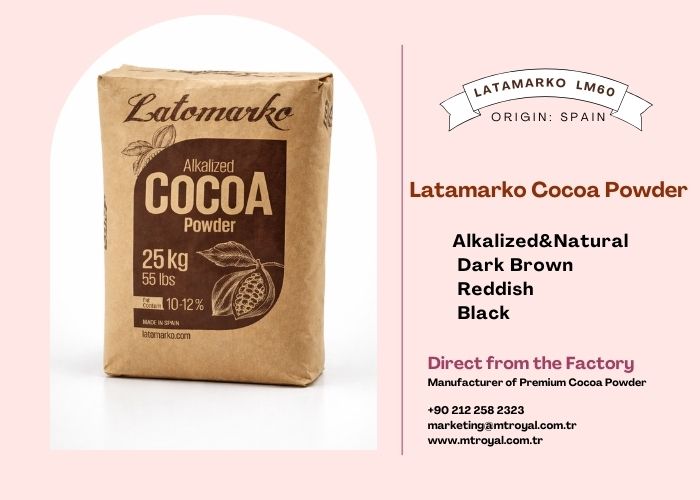
Cocoa powder is one of the primary components responsible for the chocolate flavor and color in coatings.
Two main types are used:
- Natural Cocoa Powder
- Provides a lighter brown color
- Delivers a slightly acidic and sharp chocolate taste
- Suitable for traditional chocolate profiles
- Alkalized Cocoa Powder
- Offers darker color tones (brown to black)
- Provides smoother, less acidic flavor
- Improves dispersion in fat systems
In coating applications, alkalized cocoa powder is often preferred due to its enhanced color stability and smoother flavor profile.
2. Cocoa Butter
Cocoa butter is the most important fat component in chocolate coatings, responsible for structure, snap, and melt-in-the-mouth characteristics.
Key properties:
- Melting point close to body temperature
- Provides glossy finish
- Ensures clean snap when frozen
However, due to cost and formulation flexibility, cocoa butter is often partially or fully replaced by alternative fats in industrial coatings.
3. Cocoa Butter Substitutes (CBS)
Cocoa Butter Substitutes are widely used in ice cream coatings because of their functional advantages.
Common types:
- Lauric-based fats (from palm kernel or coconut oil)
- Provide fast setting
- Deliver strong snap
- Ideal for dipping coatings
Advantages:
- No tempering required
- Faster production cycles
- Cost-effective compared to cocoa butter
CBS is especially suitable for industrial-scale ice cream coatings where efficiency and stability are essential.
4. Sugar
Sugar provides sweetness and contributes to texture and mouthfeel.
Types used include:
- Refined Sugar (Sucrose)
- Standard sweetener
- Provides clean taste
- Powdered Sugar
- Improves smoothness
- Ensures better dispersion
- Glucose Syrup Solids
- Reduces crystallization
- Improves texture
The particle size of sugar is critical in coatings, as it directly affects smoothness and sensory quality.
5. Milk Powder (Optional)
Milk components are used in milk chocolate coatings to enhance creaminess and flavor.
Common dairy ingredients:
- Whole Milk Powder
- Adds richness and body
- Skimmed Milk Powder
- Reduces fat content
- Provides balanced dairy notes
Milk powder contributes to a softer bite and smoother texture in frozen conditions.
6. Vegetable Oils and Specialty Fats
In addition to cocoa butter or CBS, other fats are used to modify texture and performance.
Examples:
- Palm Oil Fractions
- Coconut Oil
- Shea Butter Alternatives
These fats help:
- Control viscosity
- Improve coating flow
- Adjust hardness at low temperatures
The selection of fat system is one of the most critical decisions in coating formulation.
7. Emulsifiers
Emulsifiers improve the flow properties of chocolate coatings and ensure uniform distribution of ingredients.
Common emulsifiers:
- Soy Lecithin
- Reduces viscosity
- Improves flowability
- Sunflower Lecithin
- Non-GMO alternative
- Preferred in clean-label products
- Polyglycerol Polyricinoleate (PGPR)
- Significantly reduces viscosity
- Enables thinner coatings
Emulsifiers are essential for achieving a smooth, even coating layer on ice cream products.
8. Flavoring Agents
Flavorings enhance the chocolate profile and allow customization.
Typical flavor components:
- Vanillin
- Enhances sweetness perception
- Balances cocoa bitterness
- Natural Vanilla Extract
- Used in premium formulations
- Chocolate Flavor Enhancers
- Intensify cocoa notes
Flavor systems help create unique taste profiles tailored to specific markets.
9. Salt
Salt is used in small quantities to enhance overall flavor.
Benefits:
- Balances sweetness
- Enhances cocoa flavor
- Improves taste complexity
Even minimal additions can significantly improve sensory perception.
10. Anti-Blooming Agents
Fat bloom is a common issue in chocolate coatings, especially in frozen products.
To prevent this, manufacturers use:
- Specialized fat blends
- Stabilized cocoa butter systems
These help maintain:
- Surface gloss
- Structural integrity
- Visual appeal over time
11. Anti-Caking and Flow Agents
To maintain powder stability during storage and processing:
- Silicon Dioxide (E551)
- Calcium Silicate
These ingredients:
- Prevent clumping
- Improve handling
- Extend shelf life
Functional Additives for Advanced Formulations
Modern ice cream coatings often include functional ingredients to enhance performance:
1. Crisping Agents
- Provide crunchy texture
- Improve bite contrast
Examples:
- Rice crisps
- Wafer inclusions
2. Stabilizers
Used to maintain consistency and prevent phase separation.
- Improve shelf stability
- Enhance structural integrity
3. Color Enhancers
Although cocoa provides natural color, additional agents may be used for consistency:
- Natural color extracts
- Caramel color
Example of a Professional Ingredient List
A typical industrial ice cream chocolate coating formulation may include:
Sugar, Vegetable Fat (Cocoa Butter Substitute), Cocoa Powder (Alkalized), Whey Powder (Optional), Emulsifier (Soy Lecithin, PGPR), Flavoring (Vanillin), Salt
This composition ensures optimal performance in terms of coating flow, rapid setting, and crisp texture.
Key Technical Considerations
When designing or sourcing ice cream chocolate coatings, several technical factors must be evaluated:
1. Viscosity Control
- Ensures smooth coating
- Prevents excessive thickness
2. Setting Time
- Fast setting is critical for production efficiency
- Influenced by fat composition
3. Snap and Texture
- Crisp bite is essential for consumer satisfaction
- Depends on fat crystallization
4. Temperature Stability
- Coatings must remain stable under freezing conditions
- Should not crack excessively
Industrial Applications
Ice cream chocolate coatings are used in a wide range of products:
- Dipped ice cream bars
- Cone coatings
- Enrobed frozen desserts
- Chocolate shells for soft ice cream
Each application requires precise adjustments in formulation to achieve optimal results.
Quality and Consistency in Ingredient Selection
Consistency in raw materials is essential for maintaining product quality across batches.
Important considerations:
- Stable cocoa color and pH
- Reliable fat composition
- Consistent particle size
- High-quality emulsifiers
Working with experienced suppliers ensures that all ingredients meet industrial standards.
Final Perspective
The formulation of ice cream chocolate coatings is both a science and an art. Every ingredient—from cocoa powder to emulsifiers—plays a critical role in achieving the desired balance of taste, texture, and performance.
A well-designed ingredient list ensures:
- Smooth processing
- Consistent coating quality
- Enhanced consumer experience
- Long shelf life
For manufacturers aiming to produce high-performance chocolate coatings, sourcing premium raw materials is essential. MT ROYAL, with extensive expertise in cocoa derivatives and specialty fats, provides reliable and high-quality ingredients tailored for industrial ice cream chocolate coating applications, supporting consistent production and global supply needs.
LATAMARKO LM60 – Premium Spanish-Origin Cocoa Powder
latamarko alkalized cocoa powder lm60
cocoa powder for chocolate production-Best price
Food industry raw materials – list of products
Types of Gelatin from Turkish Manufacturer

No comment