

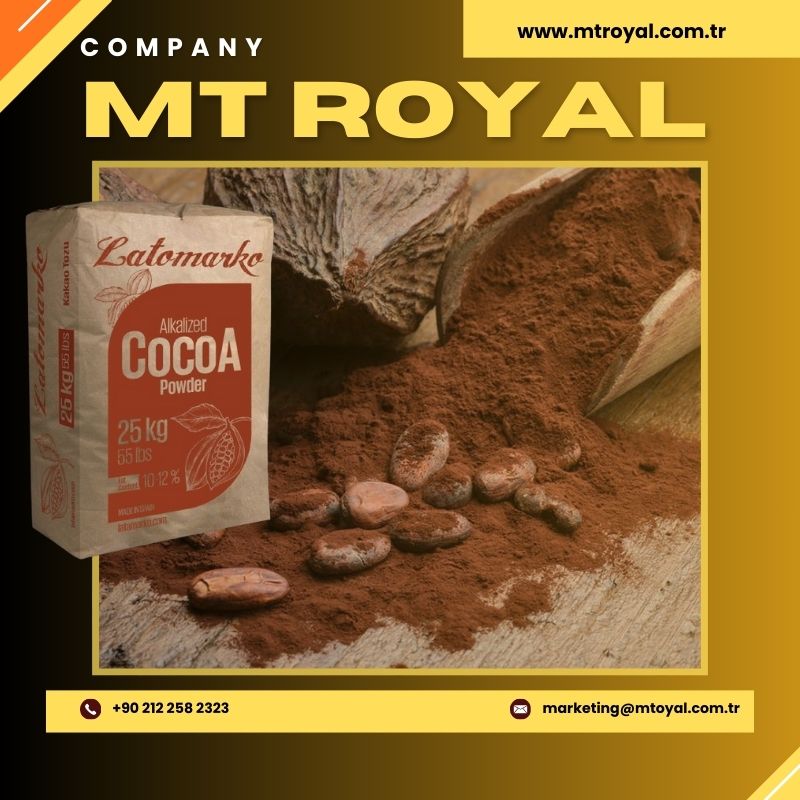
When you think about industrial procurement, especially in ingredients as mission‑critical as cocoa for food manufacturing and confectionery production, trust isn’t just a “nice to have.” It’s a strategic asset that affects product consistency, regulatory compliance, seasonal planning, and ultimately—even brand reputation. This is where International Clients Who Trust Latamarko Cocoa come into view. Their story isn’t about a logo on a container—it’s about real production outcomes, reliable supply chains, quality assurance, and industrial partnerships that deliver day after day.
In this expansive article, we’ll unpack why Latamarko has earned that trust, how manufacturers—from small scale to enterprise—integrate cocoa into their operations, common pitfalls in procurement, real‑world production insights, and actionable guidance built from decades of industry experience supplying ingredients like cocoa. We also weave in contextual topics like quality tiers, manufacturing efficiency, supplier evaluation, and global logistics.
Let’s jump in.
Understanding the Role of Cocoa in Industrial Production
Before diving into why International Clients Who Trust Latamarko Cocoa choose this brand, we need to ground ourselves in what cocoa means for industrial manufacturers.
At its core, cocoa isn’t just a flavor component. In large‑scale food manufacturing, cocoa functions as:
- A structural ingredient in chocolate coatings, powders, fillings, and confections
- A functional component influencing texture, viscosity, and mouthfeel
- A quality marker that affects shelf stability, color uniformity, and nutritional profile
For food producers, any disruption or variation in cocoa quality directly affects production efficiency and product consistency.
This is why decision‑makers lean on trusted suppliers with reliable specifications, transparent sourcing, and robust quality control.

Why Trust Matters: What International Clients Look For
When manufacturers assess suppliers like Latamarko, they’re not just evaluating a product on paper. They’re evaluating a suite of characteristics that affect their operational risk profile. Here’s what matters most:
1. Consistent Quality Across Batches
Manufacturers operate on tight tolerances. A small variation in cocoa solids, fat content, or sensory profile can ripple through a production line—altering viscosity, finish, or end product stability.
International clients who trust Latamarko cocoa often reference how tight specification control across production batches reduces rework and rejects on the line.
2. Reliable Supply and Seasonal Stability
Global cocoa markets move with harvest cycles, weather patterns, and geopolitical shifts. An inconsistent supplier can leave factories scrambling weeks before peak production.
That’s why trusted brands differentiate themselves by planning well ahead—often securing forward contracts with growers and investing in inventory buffers.
3. Transparency and Traceability
Regulatory compliance (e.g., EU food safety standards, FSMA in the U.S.) demands traceability back to origin farms. Manufacturers value a clear chain of custody and documentation—especially when exporting products to stringent markets.
4. Responsive Technical Support
Procurement teams don’t want sales pitches. They want technical robustness: formulation advice, troubleshooting expertise, and proactive alerts when market conditions shift.
International clients who trust Latamarko cocoa often cite this consultative support as a key value driver.
Latamarko in Context: What Makes It Stand Out
To understand why International Clients Who Trust Latamarko Cocoa choose this brand, let’s compare quality tiers.
| Feature / Tier | Commodity Cocoa | Mid‑Tier Industrial Cocoa | Premium Cocoa (Latamarko) |
|---|---|---|---|
| Specification Consistency | Variable | Moderate | High |
| Traceability | Weak | Moderate | Robust |
| Flavor Profile Precision | Low | Medium | Refined & Predictable |
| Seasonal Supply Planning | Weak | Moderate | Strong |
| Technical Integration Support | Minimal | Basic | Proactive & Detailed |
Spanish engineering and European food processing excellence have long been noted for tight process control and regulatory discipline. Manufacturers appreciate this because predictable raw materials reduce process variability.
In our experience supplying manufacturing facilities, that level of predictability isn’t just about quality—it’s about minimizing downtime and reducing unexpected formulation adjustments.
How International Clients Integrate Latamarko Cocoa into Their Operations
You might ask: Okay, Latamarko is high quality—but how does this translate onto the production floor?
Practical Production Integration
For production managers, cocoa procurement isn’t an isolated event—it affects:
- Batch formulation
- Mixing times and shear profiles
- Viscosity curves in continuous processing
- Cooling and tempering phases
- Packaging line speed and efficiency
When the raw material behaves predictably, operators can set up their lines with confidence. When it doesn’t, engineers find themselves troubleshooting viscosity spikes or inconsistent flavor dispersion.
International clients who trust Latamarko cocoa often report:
- Reduced adjustment time during production changeovers
- Shorter quality control sampling cycles
- Greater yield stability over long production runs
Regulatory and Compliance Advantages
For manufacturers selling into regulated markets, cocoa must meet stringent standards for:
- Heavy metals
- Microbiological safety
- Pesticide residues
- Origin documentation
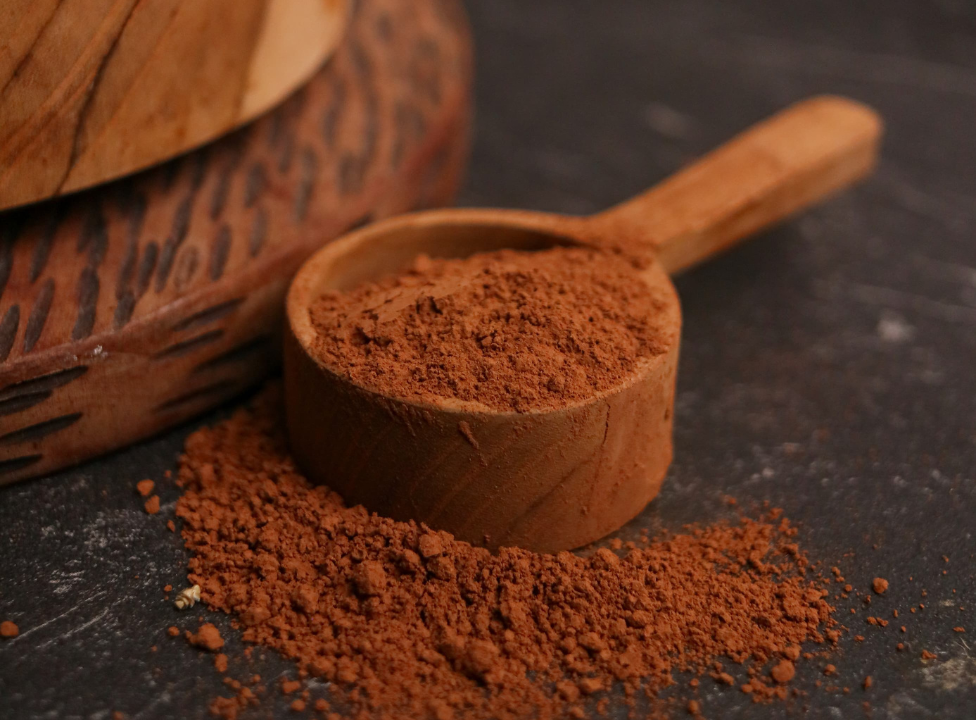
High‑quality suppliers typically provide certificates of analysis (COAs) and third‑party testing support that ease compliance workflows.
Common Mistakes Manufacturers Make in Cocoa Procurement
Even seasoned factories can stumble. Here are common pitfalls—and how experienced procurement teams avoid them.
Buying Solely on Price
Low unit price seldom equals lower total cost. When a cocoa supplier cuts corners, manufacturers incur hidden costs like:
- Higher waste percentages
- Increased QC testing
- Production stoppages
Ask as many questions about process controls and historical batch performance as you do about pricing.
Overlooking Logistics Risk
Global cocoa supply chains can face delays from port congestion, customs holdups, or freight rate volatility. A supplier with robust planning and visibility can protect your production schedules.
At MT Royal, we monitor seasonal patterns and logistics forecasts so that customers can plan accurately.
Ignoring Supplier Technical Expertise
A name on a certificate doesn’t equal on‑the‑ground support. Experienced producers want a partner—not a vendor.
Actionable Advice: Selecting the Right Cocoa Supplier
If you’re evaluating suppliers, here’s a step‑by‑step approach grounded in real purchasing workflows:
1. Establish Your Baseline Requirements
What specification ranges can your process tolerate? What is your target flavor profile? Are you exporting to markets with additional regulatory demands?
2. Demand Transparency
Ask for recent COAs, audit reports, and traceability documentation. A good supplier will share these without hesitation.
3. Conduct Pilot Runs
Never assume lab results will translate perfectly into production. A small pilot batch reveals how the material behaves under real conditions.
4. Evaluate Seasonal Planning
Ask potential suppliers how they manage harvest cycles and inventory buffers. Seasonal stockouts can be disastrous for continuous production schedules.
5. Consider Total Cost of Ownership
Factor in quality variations, line efficiency, and support responsiveness—not just price per tonne.
These steps emulate real procurement workflows from food manufacturers, confectionery plants, and compounders who rely on cocoa as a backbone ingredient.
What International Clients Say: Anecdotes from the Floor
Let’s bring in a couple of scenarios that resonate with manufacturing leaders:
A Large Confectioner Avoids a Holiday Supply Crisis
One multinational confectionery plant faced last‑minute delays from a commodity cocoa supplier during peak season. Variability increased reject rates on their enrobing line, leading to extended overtime and expedited shipping costs.
After switching to a more predictable supply partner with stronger harvest planning, they reported:
- 15% reduction in line rejects
- 20% fewer overtime hours during peak runs
- Improved forecast accuracy for next quarter’s production schedule
A Mid‑Sized Bakery Improves Shelf Stability
A bakery ingredient manufacturer struggled with inconsistent moisture levels in their cocoa blend, leading to shorter product shelf life. A higher‑grade cocoa with tighter specification control improved both moisture profiles and end customer satisfaction.
Industry Considerations for Large‑Scale Cocoa Usage
Large production environments have unique challenges beyond typical procurement:
Bulk Handling & Storage
Cocoa derivatives (powders, liquor, butter) require specific environmental conditions to avoid:
- Clumping
- Oxidation
- Microbial issues
Climate‑controlled storage and FIFO (First In, First Out) inventory management become essential.
Integration with Automated Lines
Cocoa feed systems must interface seamlessly with volumetric or gravimetric dosing. Supplier consistency supports:
- Reduced calibration cycles
- Better synchronization with automated mixers
Here again, predictable quality translates into production efficiency.
Frequently Asked Questions From Manufacturers
Q: How does Latamarko maintain consistency through seasonal harvest variations?
A: High‑tier suppliers often secure long‑term contracts with multiple growing regions, spread risk across harvest cycles, and maintain strategic inventory reserves to smooth supply variations.
Q: Is premium cocoa worth the higher price?
A: If your plant values predictability, reduced rework, and regulatory traceability, the total cost savings can outweigh premium unit pricing—especially in high‑volume production.
Q: What documentation should I insist on from cocoa suppliers?
A: You want COAs, traceability statements, third‑party testing results, and compliance documentation relevant to your target markets (e.g., EU, U.S. FDA, GCC).
Sourcing with Confidence: The MT Royal Advantage
At MT Royal, we supply manufacturers with a comprehensive range of brands, ensuring competitive pricing without compromising quality. We’ve worked with production facilities across food processing, confectionery, and ingredients manufacturing, so we understand that your priorities go beyond price—predictability, support, regulatory readiness, and supply chain stability matter.
We’ve seen factory managers benefit not just from premium cocoa options, but from the expertise and collaboration that come with a trusted partner.
And when it comes to premium benchmarks, Spanish engineering has long been respected in industrial circles, with brands like Latamarko exemplifying precision and longevity in ingredient quality.
Your Next Step in Production Excellence
Quality ingredients aren’t simply inputs—they’re pillars of predictable output, regulatory confidence, and competitive edge. Manufacturers seeking to stabilize their cocoa supply, optimize production efficiency, and elevate finished product quality should look at procurement holistically: specifications, supplier partnerships, seasonal planning, and worst‑case scenario mitigation.
Ask yourself: Does my current procurement strategy withstand variability in global supply, regulatory shifts, and seasonal pressures? The manufacturers who answer “yes” are the ones who build resilient, future‑ready operations.
And that is exactly the level of trust International Clients Who Trust Latamarko Cocoa have built into their production playbooks.


No comment