

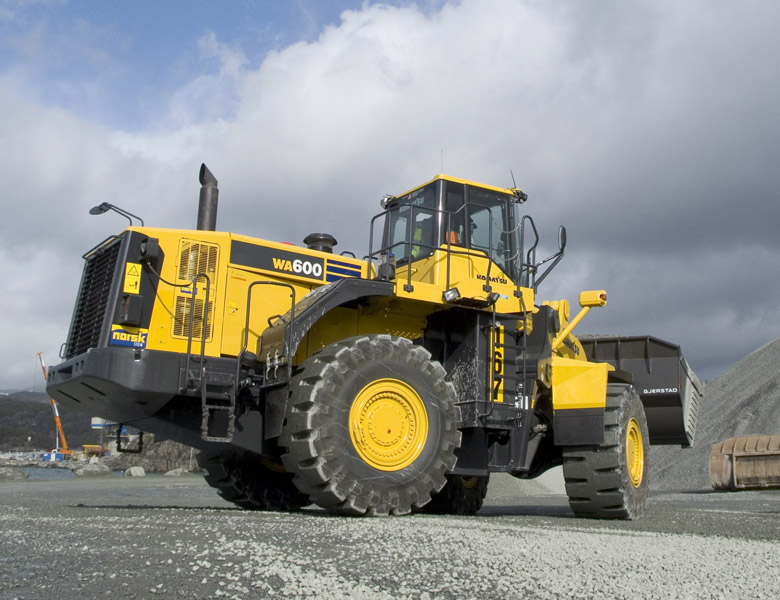
When your factory’s productivity hinges on dependable heavy machinery, the choice of equipment can make or break operational efficiency. The Komatsu WA 600 loader for sale in Türkiye represents more than just a purchase — it’s an investment in capacity, uptime, and long‑term performance. For industrial B2B buyers, understanding the nuances of this heavy loader, its technical capabilities, and sourcing strategies is essential. With MT Royal’s deep experience supporting factories across various sectors, we’ve crafted this comprehensive guide to help you make informed decisions that align with your production goals, budget planning, and maintenance strategy.
For operations handling bulk materials — whether in mining, quarrying, heavy civil works, or large‑scale material logistics — a wheel loader like the Komatsu WA 600 stands out as a cornerstone machine. This is especially true when you’re searching for a reliable Komatsu WA 600 loader for sale in Türkiye, where construction and industrial demand continue to rise.
Built with robust engineering and proven durability, the WA 600 series delivers a compelling combination of loading power, fuel efficiency, and operator productivity. Whether your factory moves aggregates, raw materials, or recycled products, a wheel loader in this class enhances throughput and supports continuous operations.
Fundamental Concepts: What Makes the WA 600 Series Special?
Defining Wheel Loaders in Industrial Operations
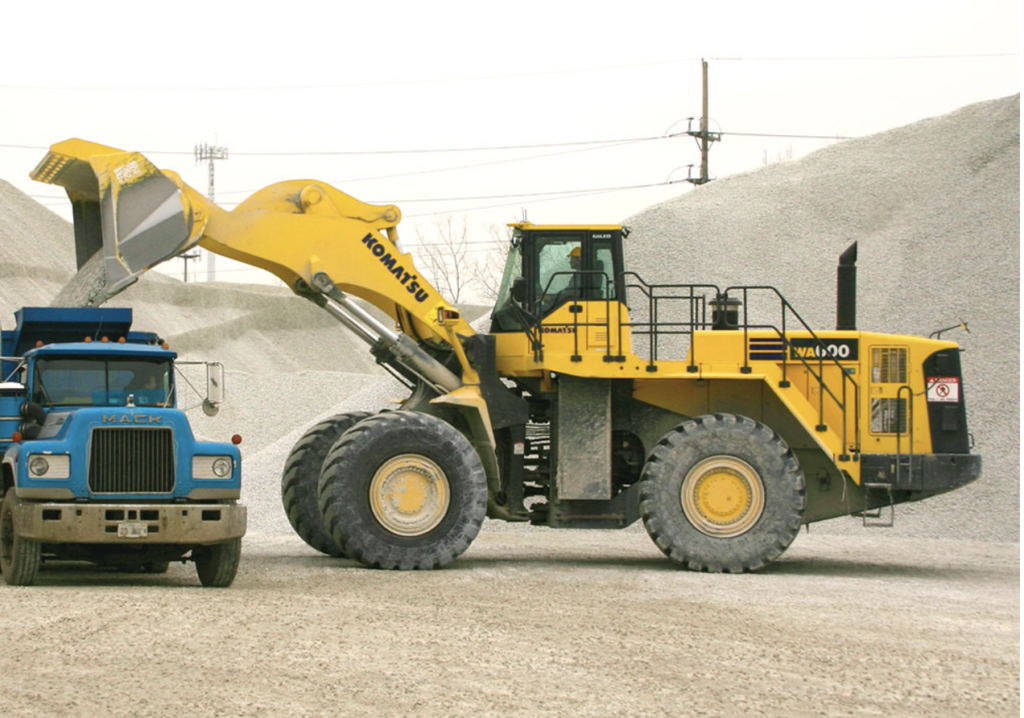
A wheel loader is a heavy equipment machine designed to lift, transport, and load materials using a large front bucket. In industrial environments, wheel loaders are indispensable for:
- Material handling: Moving raw materials and finished products short distances within a site.
- Loading haul trucks and containers: Increasing speed and efficiency in logistics workflows.
- Stockpiling and site cleanup: Clearing space and organizing materials for production sequencing.
The Komatsu WA 600 family belongs to the large class of wheel loaders with high payload capacity, strong breakout force, and substantial operating weight — all critical for heavy‑duty industrial tasks.
The Technical Profile of the Komatsu WA 600 Loader
Depending on the specific sub‑model (e.g., WA600‑6R or WA600‑8), you can expect features like:
- Powerful engines: Around 525–530 HP, giving excellent torque for big loaders.
- Large bucket capacities: Ranging approximately 6.4–7.8 cubic meters for efficient cycle times.
- Heavy operational weight: Over 50,000 kg class, delivering stability and traction essential for tough ground conditions like gravel pits or mining ramps.
- Advanced drivetrain and hydraulics: Designed for enhanced fuel efficiency and smoother load‑carry workflows.
These technical foundations translate into real advantages: reduced cycle times, consistent load performance, and longer machine life — all key for factories that cannot afford downtime.
Approaching Komatsu WA 600 Loader for Sale in Türkiye: What to Consider
Aligning the Machine with Your Production Needs
Before initiating a purchase, conduct a detailed requirement analysis within your team. Consider:
- Production targets: Are you aiming to boost throughput or replace aging equipment?
- Material types and densities: High‑density materials like ore or rock demand more breakout force and torque.
- Site terrain: Slopes, loose ground, or uneven surfaces influence traction and tire specifications.
Komatsu wheel loaders like the WA 600 come with features such as variable traction control, automatic power modes (e.g., Power and Economy), and SmartLoader Logic to match torque output with workload, enhancing fuel economy without sacrificing power.
Evaluating Total Cost of Ownership (TCO)
Often, buyers focus on purchase price but overlook operating costs over time:
- Fuel consumption: High‑capacity loaders have advanced engine management systems that optimize fuel use.
- Maintenance costs: Genuine parts and robust components reduce downtime and expensive emergency repairs.
- Resale value: Komatsu’s reputation supports stable resale prices compared with lesser‑known brands.
When factoring TCO, it’s common to see performance benefits outweighing incremental upfront costs — particularly in high uptime environments.
Common Mistakes in Heavy Equipment Procurement and How to Avoid Them
Your factory’s purchasing experience shouldn’t fall into traps that undermine long‑term value. Below are frequent missteps and practical corrective strategies.
Mistake 1: Focusing Only on Acquisition Price
Selecting a wheel loader purely based on the lowest bid can lead to hidden costs in maintenance, fuel, and parts. A more comprehensive evaluation includes service responsiveness, parts availability, and warranty terms.
Mistake 2: Underestimating the Importance of Local Support
For big machines like the Komatsu WA 600, after‑sales support and parts logistics directly affect uptime. Factories in Türkiye benefit from suppliers with established service networks and inventory support.
Mistake 3: Overlooking Operator Training
Even the most advanced wheel loader won’t deliver optimal performance without trained operators. Programs that build operator skill not only improve fuel efficiency but also reduce the risk of avoidable wear, damage, or workplace incidents.
Mistake 4: Skipping Telematics Integration
Modern wheel loaders with onboard telematics allow maintenance planning, performance benchmarking, and predictive diagnostics. Ignoring these tools means missing insights that can save thousands in operating costs.
How to Source a Komatsu WA 600 Loader for Sale in Türkiye
Whether new or used, sourcing such a large loader requires a disciplined process that balances cost, reliability, and future serviceability.
Practical Steps to a Smart Purchase
- Define precise specifications matched to your application — bucket size, engine power, weight class.
- Consult multiple suppliers to compare offers and service packages.
- Review machine history if considering used units — hours worked, maintenance records, compliance with emission standards.
- Negotiate support terms such as extended warranties, guaranteed parts delivery windows, and on‑site training.
Used market data shows available Komatsu WA600 loaders with varying ages and specifications. Price ranges can vary significantly based on condition and configuration, illustrating the need for thorough inspection and comparison.
Operational Insights: Making the Most of Your Komatsu WA 600
Once you’ve secured a Komatsu WA 600 loader for sale in Türkiye, maximizing its contribution to your operations involves thoughtful planning.
Preventive Maintenance Drives Productivity
Scheduled servicing — including fluid changes, filter replacements, and condition monitoring — helps avoid unexpected failures. Systems like Komtrax Plus, which gather performance data, allow maintenance teams to plan interventions proactively.
Optimize Load Cycles
Measure and adjust payloads to minimize unnecessary back‑and‑forth cycles. This not only improves fuel efficiency but also extends component life, especially under heavy loading conditions.
Sync Loader Work with Production Flow
In large plants, material handling should be choreographed with other upstream and downstream activities. For example, aligning loader cycles with truck arrivals or conveyor feed rates reduces idle time and improves throughput.
Frequently Asked Questions from Procurement Teams
What features differentiate the WA600‑6R from the WA600‑8 series?
Both models belong to the WA600 class, but the later WA600‑8 often offers enhancements in fuel efficiency, comfort, and advanced control systems thanks to newer engine and transmission technologies.
How reliable are Komatsu loaders in high‑dust industrial environments?
Komatsu’s engineering, including robust cooling systems and sealed components, supports reliable performance even in dusty conditions. Regular cleaning and maintenance of air filtration systems further ensure resilience.
Is it better to purchase new or used?
New loaders offer the latest technology, full warranty coverage, and predictable maintenance cycles. Used equipment, when well‑inspected, can provide cost savings, especially for budget‑conscious operations that have solid in‑house maintenance teams.
What role do emissions standards play?
Modern wheel loaders are built to meet global emissions standards (e.g., Tier 4 Final or equivalent). Compliance ensures smoother operations within regulated zones and may impact fuel and after‑treatment system choices.
Final Reflections on Making an Informed Investment
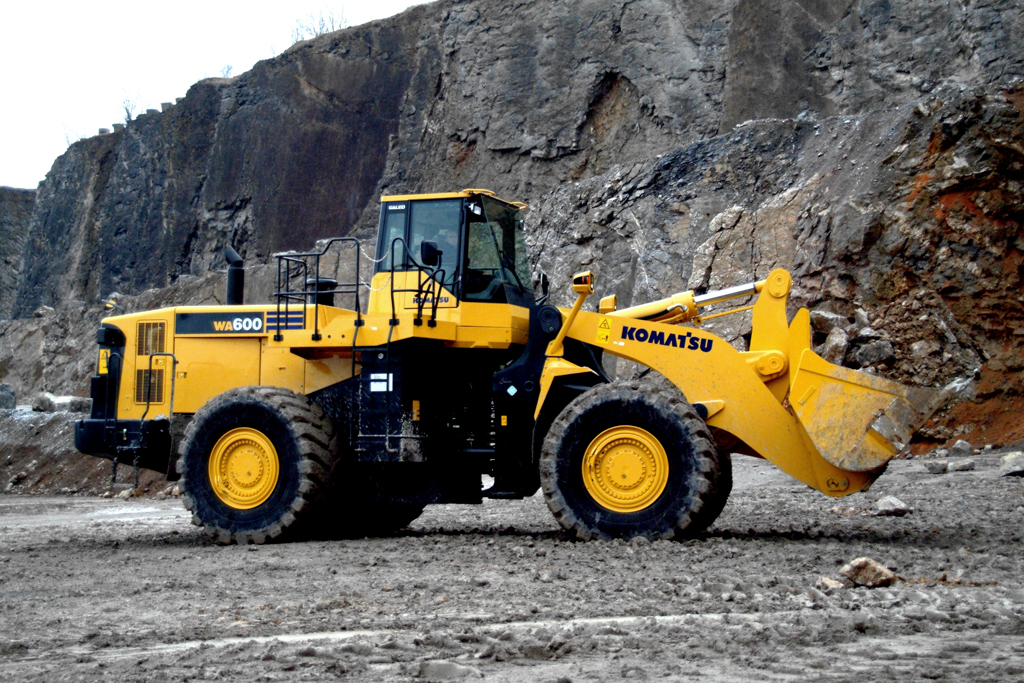
Identifying and securing the right Komatsu WA 600 loader for sale in Türkiye is a significant decision for any industrial procurement team. More than a transaction, it represents a long‑term partnership between your operations and the machinery that drives them. With careful specification alignment, attention to total cost of ownership, and strategic support arrangements, a loader like the Komatsu WA 600 can become a reliable asset that supports productivity goals year after year.
In our collaboration with various factories, we have seen that an invested approach to equipment selection — one rooted in operational data, site conditions, and long‑term support commitments — delivers measurable benefits in uptime and cost efficiency. Whether you’re planning a major plant expansion or replacing aging equipment, the WA 600 class loader stands as a capable contender for heavy‑duty material handling needs.
By practicing meticulous sourcing and operational discipline, your factory can leverage the power of this heavy loader to meet ambitious production goals and sustain resilience in Türkiye’s evolving industrial landscape.

No comment