

In the competitive world of large‑scale baking, where margins are tight and product quality defines brand reputation, every ingredient matters. Lecithin for bakery applications has emerged as one of the most transformative additives in modern industrial baking. It can enhance dough handling, improve end‑product texture, and even reduce ingredient costs when deployed correctly. For bakery manufacturers, food technologists, and procurement teams, understanding lecithin is not just a technical necessity—it’s a strategic advantage.
Your factory’s finished goods must consistently meet quality standards while optimizing production efficiency. That’s where partnering with a trusted supplier like MT Royal becomes a practical advantage. We have worked closely with numerous bakeries and industrial food producers, and we have seen firsthand how the right lecithin solution can elevate production outcomes. In this article, we will explore the fundamentals, advanced applications, sourcing pitfalls, and technical insights into lecithin tailored specifically for bakery environments.
What Is Lecithin? Definition and Fundamental Concepts
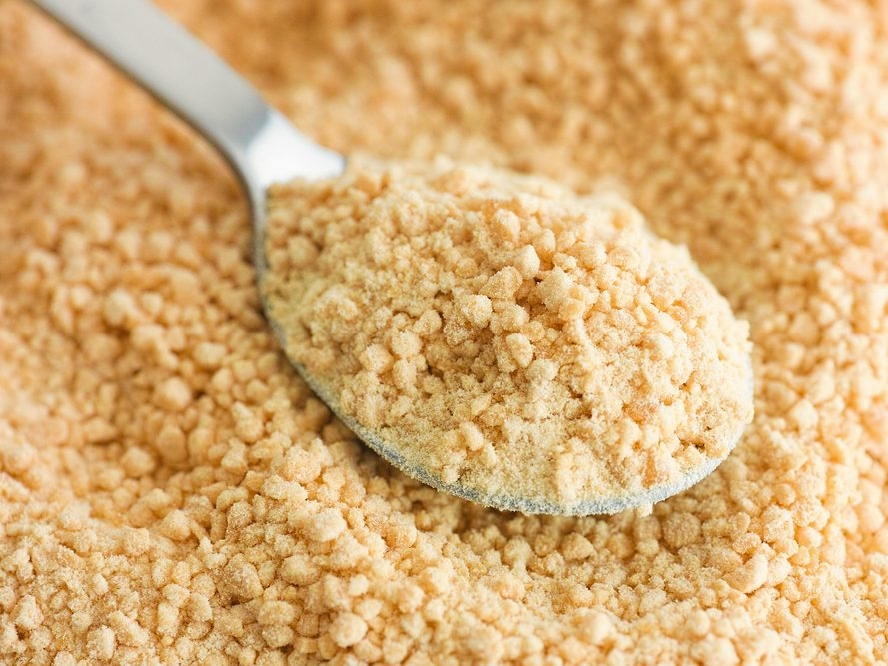
At its core, lecithin is a mixture of phospholipids derived from plant or animal sources. It functions as an effective emulsifier and dispersant in food systems. In bakery applications, lecithin plays multiple roles:
- Emulsifier: Lecithin stabilizes blends of water and fats, improving uniformity.
- Dough conditioner: It enhances dough elasticity and gas retention.
- Anti‑staling agent: Lecithin can help delay the firming of crumb and extend shelf life.
- Processing aid: Reduces mixing times and supports machinability.
From a chemical standpoint, lecithin contains phosphatidylcholine, phosphatidylinositol, and other phospholipids that interact with proteins and starches in dough matrices. This interaction changes rheology, which means bakers see measurable impacts on handling properties that translate into more consistent baked goods.
Why Lecithin Matters in Industrial Baking
Industrial bakeries operate on precision timelines, volumetric consistency, and product standardization. Lecithin is not an optional luxury—it is a performance ingredient. It affects:
- Mixing efficiency: Dough with optimized lecithin levels mixes more uniformly.
- Proofing behavior: Improved gas retention leads to consistent loaf volume.
- Mouthfeel and texture: Lecithin contributes to softer crumb and improved chew.
- Product shelf life: By interacting with starch retrogradation, it helps maintain softness over time.
In commercial bakery settings, even a 0.1–0.3% change in lecithin concentration can lead to noticeable differences in texture or processing behavior. For factories aiming to balance speed, quality, and cost, a deep understanding of these interactions is essential.
Industrial Sources of Lecithin: Choose Wisely
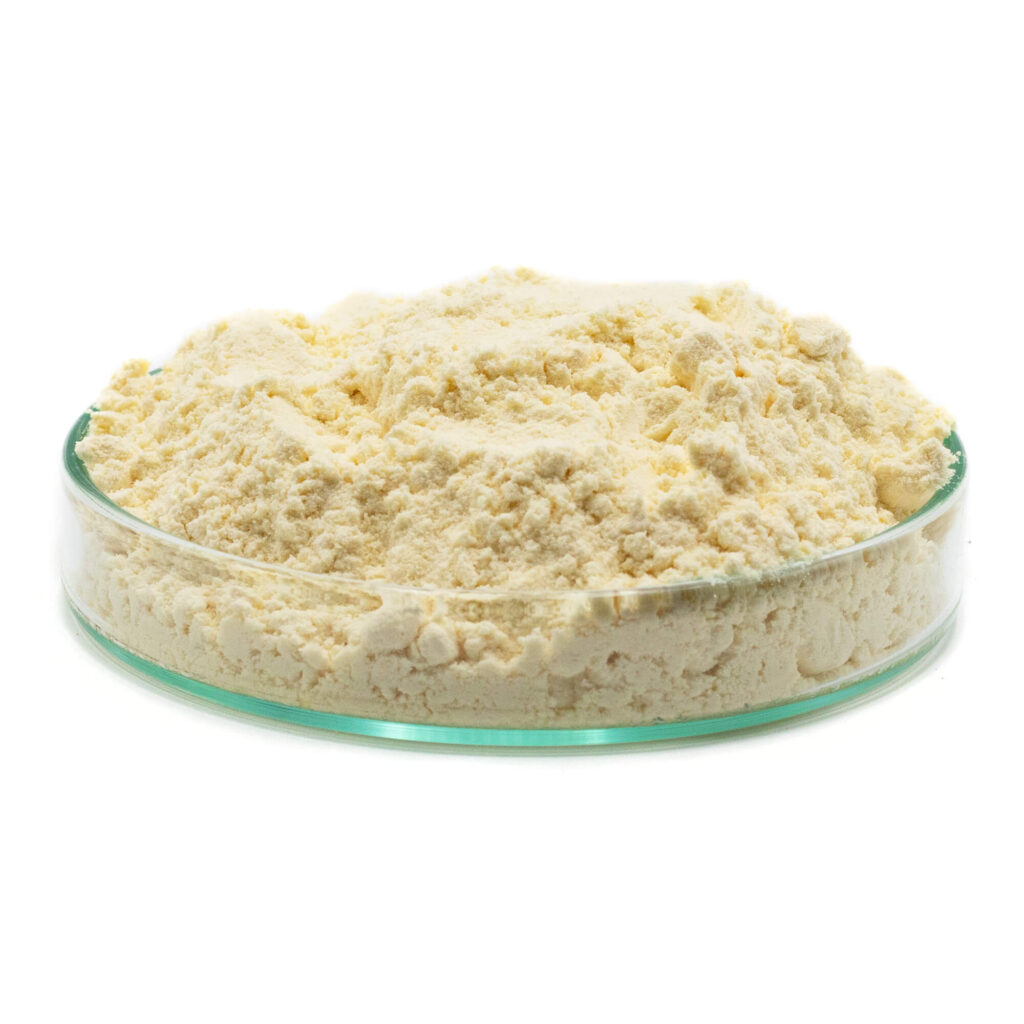
When sourcing lecithin for bakery applications, manufacturers typically choose between:
- Soy lecithin: The most common industrial source; relatively cost‑effective and widely available.
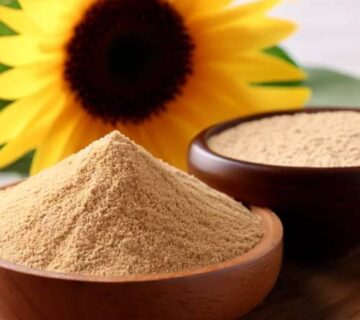
- Sunflower lecithin: Non‑GMO, allergen‑friendly alternative with comparable performance.
- Rapeseed or canola lecithin: Emerging options with unique fatty acid profiles.
Each source has practical implications:
Soy Lecithin
Pros:
- Economical for high‑volume production.
- Broad availability and stable supply chains.
- Strong emulsification properties across wide temperature ranges.
Cons:
- Allergen considerations for some end markets.
- GMO vs non‑GMO labeling may affect compliance categories.
Sunflower Lecithin
Pros:
- Allergen‑friendly and non‑GMO by default.
- Especially relevant for clean‑label and health‑oriented brands.
Cons:
- Often higher cost per kilogram.
- Slightly different phospholipid profile can require recipe adjustments.
Practical Procurement Tip
When negotiating with suppliers like MT Royal, ensure traceability of origin, consistent phospholipid content, and appropriate certification (e.g., ISO, HACCP, non‑GMO, allergen status). A misaligned specification can disrupt production and compliance.
Industrial Mistakes in Sourcing and Application
Even experienced teams make errors that undermine expected performance. Common mistakes include:
- Overlooking lecithin quality specifications: Not all lecithin grades are designed for bakery use. Some industrial grades are optimized for chocolate or confectionery, which have different emulsification requirements.
- Ignoring moisture and impurity levels: Lecithin with inconsistent moisture can alter dough water balance and disrupt batching.
- Inadequate supplier qualification: Failing to validate production practices, batch consistency, or regulatory compliance before large‑volume purchases.
- Assuming one size fits all: Lecithin performance varies depending on formula, process temperature, and equipment. A blend suited for muffin batter may behave differently in lean doughs or high‑speed tunnel ovens.
Avoiding these pitfalls requires an experienced supply partner and technical evaluation. In our collaboration with various factories, we emphasize pre‑qualification trials and specification audits before onboarding a new lecithin source.
How Lecithin Enhances Dough Handling
From mechanical to sensory outcomes, lecithin’s influence on dough handling cannot be overstated.
Improved Rheology
Rheology refers to flow and deformation properties of dough. Lecithin affects rheology by:
- Reducing dough tackiness
- Enhancing gluten network formation
- Promoting uniform gas cell distribution
This combination leads to dough that feeds into sheeters and dividers with less stress on equipment and fewer manual interventions.
Increased Tolerance
Factories experience fluctuations: temperature shifts, flour quality variance, and humidity swings. Lecithin increases tolerance to these variables by stabilizing interactions between water, protein, and fats.
Reduced Mixing Time
When lecithin is properly calibrated, mixing curves show:
- Faster development time
- Better gluten alignment
- Lower energy input for same performance
This can translate into real operational savings, especially in high‑speed continuous production lines.
Practical Bullet‑Point List: Key Benefits of Lecithin in Baking
For quick reference, here are measurable advantages:
- Uniform crumb texture
- Reduced dough sticking on equipment
- Enhanced volume and loft
- Shorter mixing cycles
- Better fat distribution in batters
- Improved shelf life and softness
- Support for high‑fiber or whole grain formulations
These outcomes are not hypothetical; they are observable in controlled industrial trials and backed by production data.
Lecithin Interaction with Other Dough Ingredients
You cannot evaluate lecithin in isolation. Its performance alters with:
- Enzyme systems: Protease and amylase levels influence lecithin’s impact on gluten and starch dynamics.
- Sugar levels: High sugar batters behave differently; lecithin helps disperse sugar‑fat‑water systems more uniformly.
- Fat source: Lecithin interacts differently with saturated fats (like margarine) versus liquid oils.
Understanding these interactions allows technical teams to fine‑tune formulas that leverage lecithin most effectively.
Industrial Tips for Large‑Scale Production
When working with lecithin in bakery environments, the following strategies can elevate performance:
Calibrate for Your Process
Do not assume standard addition rates apply universally. Conduct slab trials and pilot runs to determine the exact concentration that aligns with your flour, equipment, and product style.
Incorporate at the Right Stage
Add lecithin at dispersion stages when fats and water are first combined. This maximizes emulsification efficiency and minimizes kneading time.
Monitor Dough Temperature
Lecithin’s behavior is temperature sensitive. Dough temperatures above target can weaken gluten structure even as lecithin improves emulsification. Invest in thermal profiling during peak shifts.
Blend with Functional Ingredients
In some bakery lines, lecithin works synergistically with enzymes and oxidizing agents. However, interactions can be complex and counterintuitive. A lab trial helps guide multi‑ingredient balancing.
Documentation and Traceability
For quality and compliance teams, maintain detailed batch records. Lecithin lots should be tracked with certificates of analysis to help trace quality variations back to raw materials.
Emerging Trends in Lecithin Usage
The bakery sector is experiencing shifts in lecithin applications driven by:
Clean Label Demand
Consumers increasingly prefer simple ingredient lists. Sunflower lecithin and optimized dosing strategies support cleaner labels without sacrificing performance.
Functional Breads and Health‑Oriented Lines
High‑fiber, low‑glycemic, and whole grain breads benefit from lecithin’s emulsification and textural benefits, helping compensate for weaker gluten matrices.
Automated Quality Monitoring
Advanced sensors now measure dough characteristics in real time. These systems use data analytics to adjust lecithin dosing dynamically—a leap forward from static recipes.
Sustainability Goals
Factories aim to reduce waste, energy usage, and carbon footprint. Lecithin’s ability to reduce mixing time and improve process stability supports these objectives.
Frequently Asked Questions from Factory Managers and Procurement Teams
What Is the Optimal Addition Rate for Lecithin in Bread Dough?
Typical addition ranges are 0.3–1.0% of flour weight, but optimal rates depend on flour protein content, dough hydration, and mixing equipment. Start with controlled tests rather than assumptions.
Can Lecithin Replace DATEM or SSL Emulsifiers?
Lecithin offers overlapping functions but does not universally replace stronger emulsifiers like SSL (sodium stearoyl lactylate). It is often used in combination for maximum effect.
Is Lecithin Allergen‑Free?
Source matters. Soy lecithin may carry residual proteins that require declaration in some jurisdictions. Sunflower lecithin is preferable for allergen‑sensitive lines.
How Should Lecithin Be Stored?
Keep lecithin in cool, dry conditions. Avoid moisture and prolonged exposure to heat, which can degrade phospholipids. Follow supplier recommendations for shelf life and storage conditions.
Can Lecithin Affect Proofing Times?
Yes. By improving gas retention and network stability, lecithin can subtly alter proofing curves. Monitor proofing consistency and adjust timing if necessary.
Comparison: Lecithin vs Other Emulsifiers
| Feature | Lecithin | SSL | DATEM |
|---|---|---|---|
| Emulsification Strength | Medium | High | High |
| Dough Strengthening | Moderate | High | Very High |
| Clean‑Label Friendly | Often | No | No |
| Allergen Risk | Source‑dependent | No | No |
| Cost | Moderate | Moderate | Moderate |
Understanding these differences helps technical teams choose the right emulsification strategy for each product line.
Common Mistakes in Application and How to Avoid Them
Mistake: Treating Lecithin as a Universal Fix
Lecithin enhances performance, but it does not correct fundamental formula issues like wrong hydration or weak flour. Start with basic dough optimization.
Mistake: Ignoring Trials Before Scaling
A pilot run is inexpensive compared to a full production batch gone wrong. Always conduct small‑scale tests.
Mistake: Neglecting Documentation
Ingredient variations matter in B2B environments. Track every lecithin lot with clear records and expected performance benchmarks.
Partnering with MT Royal for Optimal Lecithin Solutions
At MT Royal, we understand the complexities of industrial ingredient sourcing. We partner with reputable lecithin manufacturers and provide multiple grades tailored for bakery applications. Our technical support extends beyond supply: we help you interpret certificates of analysis, coordinate trial batches, and align specifications with regulatory frameworks.
We have witnessed how carefully selected lecithin can improve dough performance, reduce downstream waste, and deliver consistent product quality across shifts and seasons. With competitive pricing and dependable logistics, MT Royal supports your factory’s goals—from minimizing production costs to achieving superior consumer satisfaction.
Strategic Considerations for Long‑Term Supply
When planning lecithin procurement for large facilities:
- Diversify supply sources to mitigate risk.
- Negotiate long‑term contracts with clear quality parameters.
- Review regulatory compliance for target markets.
- Use forecast analytics to align inventory with demand.
These measures reduce operational surprises and support continuous production.
Final Thoughts on Lecithin in Industrial Baking
Lecithin for bakery applications is far more than a “minor additive.” It is a functional cornerstone in modern industrial baking—impacting dough behavior, product quality, process efficiency, and even final texture and shelf life. For procurement teams and production managers, mastering its applications can be a differentiator in a crowded market.
Selecting the right lecithin source, understanding its interactions with other ingredients, and executing controlled trials are foundational steps toward excellence in industrial baking. With careful planning and strategic supplier partnerships, your factory can unlock the full potential of lecithin and produce baked goods that stand out for quality and consistency.
Leave behind uncertainty and variability—embrace expertise, informed sourcing, and performance‑driven formulation.

No comment