

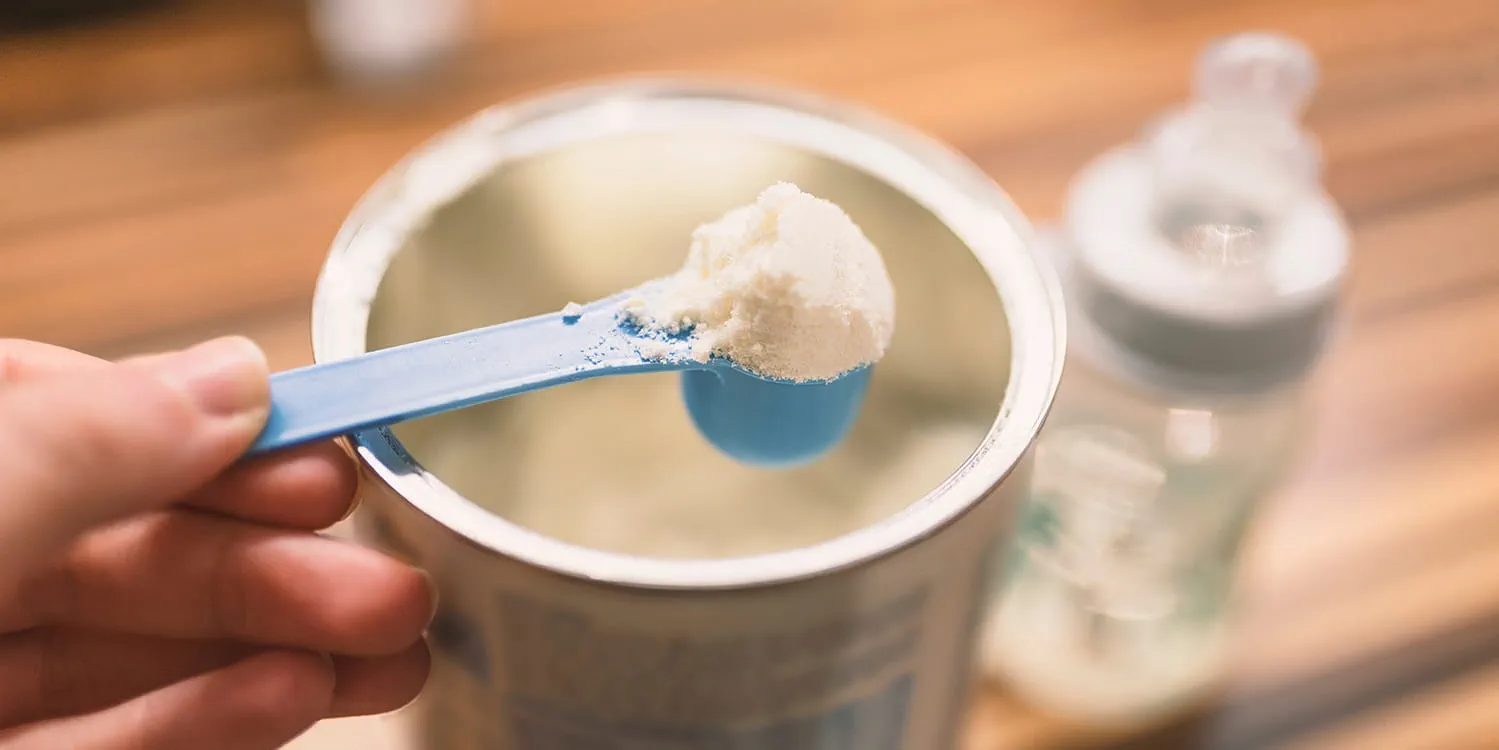
For manufacturers operating in the infant nutrition sector, ingredient selection is never a routine purchasing decision—it is a responsibility tied directly to safety, regulatory compliance, and brand trust. Lecithin for Infant Formula is one of those deceptively small components that carries enormous technical and commercial importance. The right lecithin ensures stable emulsions, optimal fat digestion, consistent powder performance, and regulatory confidence. The wrong one can lead to instability, oxidation, or costly quality deviations. For factories seeking both reliability and competitive sourcing, working with an experienced partner such as MT Royal can simplify procurement while providing access to multiple certified lecithin grades suited for infant nutrition standards.
Infant formula manufacturing operates under some of the strictest quality requirements in the food industry. Every ingredient must perform precisely, consistently, and safely. Lecithin is not just an emulsifier here—it is a functional component that supports nutrient delivery, fat absorption, and product stability at a level far more critical than in conventional dairy or beverage applications.
Understanding Lecithin for Infant Formula: Scientific and Functional Foundations
Lecithin is a natural mixture of phospholipids, primarily phosphatidylcholine, phosphatidylethanolamine, and phosphatidylinositol. These molecules possess amphiphilic characteristics, meaning they interact with both water and fat. This property is fundamental in infant formula because human milk itself is an emulsion where fat droplets are naturally stabilized by phospholipid membranes.
When lecithin is incorporated into infant formula, it helps replicate aspects of human milk fat structure, improving both physical stability and digestive behavior.
Key functional roles include:
• Stabilizing oil-in-water emulsions containing milk fat or vegetable oils, ensuring uniform nutrient distribution throughout the formula matrix.
• Supporting the formation of smaller fat droplets during homogenization, which improves digestibility and nutrient absorption in infants.
• Enhancing powder wettability and dispersibility during preparation, allowing caregivers to reconstitute formula quickly without clumping.
• Acting as a carrier for fat-soluble vitamins such as A, D, E, and K, improving stability and bioavailability.
In practical manufacturing terms, lecithin helps ensure that every scoop prepared by parents delivers consistent nutrition, which is a non-negotiable requirement in infant feeding.
Organic Lecithin Wholesale in TÜRKİYE
Why Lecithin Is Essential in Infant Formula Manufacturing
Infant formula is among the most technologically complex food products produced at industrial scale. Unlike many foods, formula must mimic the nutritional profile and functional behavior of human milk while maintaining long shelf life and global distribution stability.
Lecithin for Infant Formula plays a central role in addressing several manufacturing challenges:
• Integrating multiple lipid sources, including structured triglycerides, vegetable oils, and DHA/ARA components.
• Maintaining emulsion stability during high-temperature processing such as pasteurization or spray drying.
• Preventing fat separation and oxidation during storage.
• Ensuring rapid and complete reconstitution by caregivers.
Because infants have immature digestive systems, fat droplet size and stability directly influence nutrient absorption efficiency. Lecithin supports this by facilitating fine emulsions during homogenization.
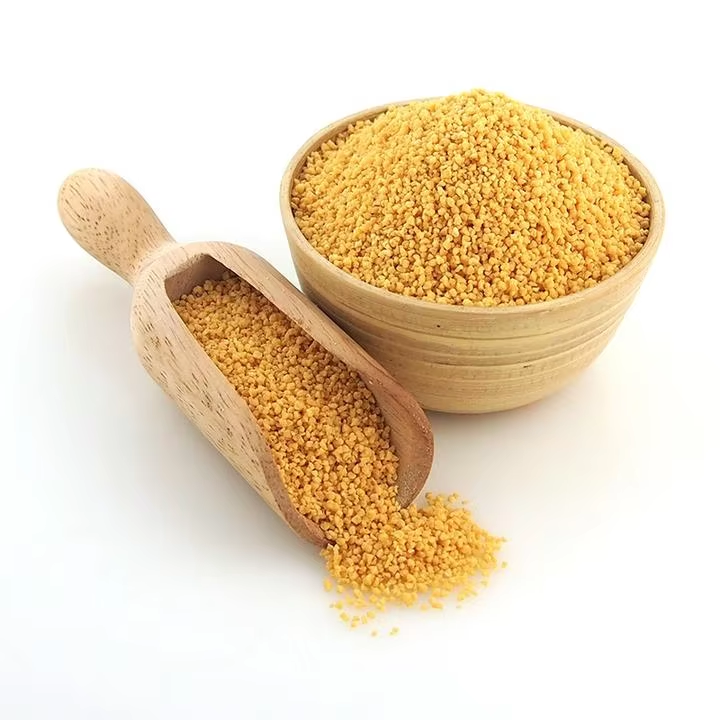
Sources and Types of Lecithin Used in Infant Formula
Ingredient purity and regulatory compliance are particularly critical in infant nutrition. Lecithin sources must meet strict safety standards and traceability requirements.
Soy Lecithin
Soy lecithin is commonly used due to its strong emulsification capacity and cost efficiency.
• High phospholipid content provides reliable functional performance in complex lipid systems.
• Established global supply chains allow consistent sourcing at industrial scale.
However, allergen labeling considerations and consumer perception sometimes influence selection depending on market positioning.
Sunflower Lecithin
Sunflower lecithin has gained increasing popularity, particularly in premium or allergen-sensitive markets.
• It is often perceived as non-allergenic, simplifying labeling in certain regions.
• Non-GMO positioning is easier to achieve, which may align with brand strategies targeting health-conscious consumers.
The primary limitation is higher cost compared with soy-derived options.
Enzymatically Modified Lecithin
Modified lecithins offer enhanced hydrophilicity and emulsification performance.
• They can improve dispersion and stability in formulations with complex lipid systems.
• Some manufacturers use modified lecithin to optimize droplet size distribution and improve reconstitution behavior.
Because of additional processing, these variants are typically more expensive and used selectively.
Comparison of Lecithin Options for Infant Formula Manufacturers
The following table provides a simplified overview for procurement and formulation teams.
| Parameter | Soy Lecithin | Sunflower Lecithin | Modified Lecithin |
|---|---|---|---|
| Cost Efficiency | High | Moderate | Low |
| Emulsification Strength | Strong | Strong | Very Strong |
| Allergen Considerations | Possible | Minimal | Depends on source |
| Regulatory Acceptance | High | High | High |
| Hydrophilicity | Moderate | Moderate | High |
| Application Complexity | Standard | Standard | Advanced |
For most manufacturers, the optimal choice depends on regulatory strategy, brand positioning, and functional requirements.
Functional Benefits of Lecithin for Infant Formula Processing
Emulsion Stability
• Lecithin reduces interfacial tension between fat and water phases, creating stable emulsions that resist separation during storage and transportation.
• Stable emulsions also prevent creaming and oiling-off phenomena that could compromise product quality.
Digestibility Support
• Smaller fat droplets produced with lecithin assistance are more easily digested by infant enzymes, improving nutrient absorption efficiency.
Powder Performance
• Lecithin improves wettability and dispersibility, allowing formula powder to dissolve quickly in water without lumps.
• Improved flowability also enhances packaging efficiency and reduces dust formation during production.
Nutrient Protection
• Lecithin helps protect sensitive lipids from oxidation by forming protective interfaces around fat droplets.
Common Mistakes in Industrial Lecithin Sourcing for Infant Formula
Even experienced procurement teams sometimes underestimate the complexity of lecithin selection.
Prioritizing Cost Over Functional Performance
• Lower-cost lecithin may contain impurities or inconsistent phospholipid levels, leading to emulsion instability or processing challenges.
Ignoring Regulatory Documentation
Infant formula ingredients require comprehensive documentation, including:
• Certificates of analysis
• Allergen statements
• GMO declarations
• Contaminant testing
• Traceability records
Incomplete documentation can delay product approvals or audits.
Overlooking Oxidation Stability
Lecithin contains unsaturated fatty acids that can oxidize if poorly processed or stored.
• High peroxide values may negatively impact flavor and shelf life.
Lack of Process Compatibility Testing
Introducing a new lecithin without pilot trials increases the risk of unexpected processing behavior.
In our collaboration with infant nutrition manufacturers, we have seen that thorough testing significantly reduces the risk of production disruptions.
Industrial Tips for Using Lecithin in Large-Scale Infant Formula Production
Manufacturers can optimize lecithin performance through several strategic practices.
Optimize Addition Stage
• Incorporating lecithin into the oil phase before homogenization ensures uniform distribution and maximum emulsification efficiency.
Control Processing Temperature
• Slightly elevated temperatures reduce lecithin viscosity, improving mixing and dosing accuracy.
Monitor Homogenization Pressure
• Proper pressure levels produce smaller fat droplets, improving both stability and digestibility.
Combine with Antioxidant Systems
• Tocopherols or other antioxidants can enhance oxidative stability in lipid-rich formulations.
Validate Reconstitution Performance
• Testing powder behavior in realistic preparation conditions ensures optimal consumer experience.
We have observed that manufacturers who integrate lecithin optimization into their overall formulation strategy achieve more consistent results and fewer quality deviations.
Emerging Trends in Lecithin for Infant Formula
The infant nutrition sector continues to evolve rapidly, influenced by scientific research and consumer expectations.
Key trends include:
• Increased focus on mimicking human milk fat globule membrane (MFGM) structures
• Growth of premium and specialized formulas
• Expansion of plant-based or alternative protein formulas
• Higher purity phospholipid fractions for advanced functionality
• Sustainability and traceable sourcing requirements
Lecithin plays an important role in many of these developments because phospholipids are central to biological membrane structures.
Frequently Asked Questions from Factory Managers and Procurement Teams
What is the typical usage level?
• Lecithin is usually used between 0.2% and 0.6% depending on fat content and formulation complexity.
Does lecithin affect flavor?
• High-quality lecithin used at proper levels has minimal sensory impact. Oxidized lecithin, however, may introduce off-notes.
Is sunflower lecithin better than soy?
• Both can perform effectively. The decision depends on allergen policies, cost, and marketing strategy.
Can lecithin improve shelf life?
• Yes. By stabilizing fat droplets and reducing oxidation exposure, lecithin contributes to longer product stability.
What certifications are required?
• Infant formula lecithin typically requires strict food safety certifications and compliance with regional regulatory standards.
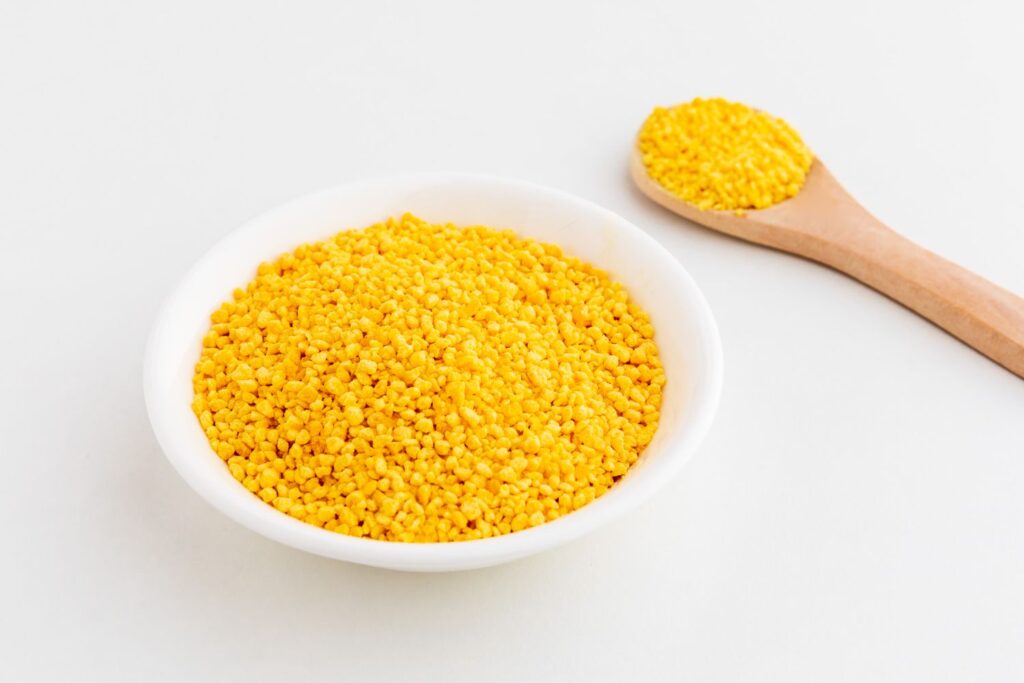
Strategic Supplier Selection for Infant Formula Ingredients
Choosing a lecithin supplier involves more than price comparison. Reliability, documentation, traceability, and technical support are essential.
Suppliers like MT Royal provide access to multiple lecithin origins and grades, helping manufacturers match functionality with regulatory requirements while maintaining supply continuity.
In our experience working with factories, supplier expertise often prevents costly reformulation cycles and quality issues.
Lecithin as a Foundation for Infant Nutrition Innovation
Lecithin for Infant Formula should be viewed as a structural component rather than a minor additive. Its influence on fat digestion, nutrient delivery, powder performance, and product stability makes it indispensable in modern infant nutrition manufacturing.
As scientific understanding of infant nutrition advances—particularly regarding lipid structures and absorption—lecithin will continue to play a central role in innovation. Manufacturers who understand its functional potential and sourcing complexities can improve product performance, operational efficiency, and consumer trust simultaneously.
In an industry where parents place absolute trust in the products you create, every ingredient decision carries weight. Lecithin may represent a small percentage of the formula, but its impact reaches every stage—from processing tanks to feeding bottles.


No comment