

If you are producing capsules, powders, functional beverages, or fortified foods, you already know that ingredient functionality is not just about nutrition claims—it is about manufacturability, stability, and consumer experience. Lecithin for Nutritional Supplements sits exactly at this intersection. The right lecithin improves bioavailability, enhances dispersion, protects sensitive actives, and simplifies processing. The wrong one can cause clumping, oxidation, poor mouthfeel, and costly production inefficiencies. For manufacturers looking to reduce formulation risk while maintaining competitive pricing, working with a trusted supplier such as MT Royal provides access to multiple lecithin grades and technical guidance that supports both R&D and large-scale production.
In the nutritional supplement industry—where margins depend heavily on differentiation, claims credibility, and consumer perception—lecithin is more than an emulsifier. It is a functional delivery system that can influence how nutrients perform inside the body and inside your manufacturing process.
Understanding Lecithin for Nutritional Supplements: Core Concepts and Functional Science
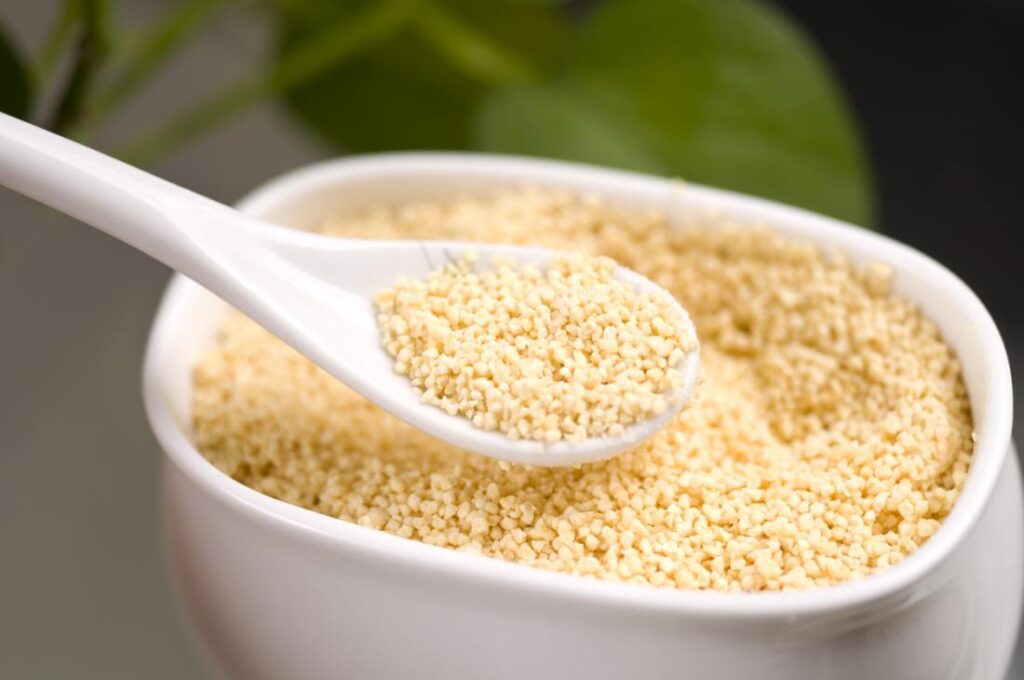
Lecithin is a complex mixture of phospholipids, primarily phosphatidylcholine, phosphatidylethanolamine, phosphatidylinositol, and phosphatidic acid. These molecules possess amphiphilic characteristics, meaning they contain both hydrophilic and lipophilic regions. This property allows lecithin to interact with water and fat simultaneously, which is critical in supplement formulations containing lipid-soluble nutrients.
In nutritional supplements, lecithin performs several key roles:
• Acting as a natural emulsifier to stabilize oil-based actives in aqueous systems, ensuring uniform nutrient distribution in liquids and powders.
• Improving bioavailability by forming micelles or liposomal structures that enhance the absorption of fat-soluble vitamins and nutraceutical compounds.
• Serving as a carrier and encapsulation aid for sensitive ingredients such as omega-3 fatty acids, coenzyme Q10, and botanical extracts.
• Enhancing flowability and processing efficiency in powder formulations, reducing clumping and segregation during blending.
From a formulation perspective, lecithin is often categorized under excipients or functional ingredients, but its impact extends well beyond that label. In many cases, lecithin directly influences product efficacy and consumer satisfaction.
Organic Lecithin Wholesale in TÜRKİYE
Why Lecithin Is Critical in Modern Nutraceutical Manufacturing
The nutritional supplement sector has evolved rapidly, driven by increasing consumer awareness of health, aging, and preventive nutrition. Global demand for supplements continues to grow at an annual rate exceeding 7% in many regions, with strong expansion in functional foods, sports nutrition, and cognitive health products.
This growth creates formulation challenges:
• Higher concentrations of active ingredients
• Increased use of lipid-soluble compounds
• Demand for clean-label formulations
• Need for improved bioavailability claims
• Diverse dosage forms (capsules, powders, gummies, liquids)
Lecithin for Nutritional Supplements helps manufacturers address these challenges by acting as both a processing aid and a functional enhancer.
For example, fat-soluble vitamins such as A, D, E, and K require proper dispersion to achieve consistent dosing. Without lecithin, these nutrients can separate, degrade, or show poor absorption profiles.
Types of Lecithin Used in Nutritional Supplements
Choosing the correct lecithin type depends on formulation goals, regulatory requirements, allergen considerations, and processing methods.
Soy Lecithin
Soy lecithin remains the most widely used option due to cost efficiency and high phospholipid content.
• Its strong emulsification capacity supports a broad range of supplement formats, from softgels to powdered drink mixes.
• Industrial supply chains are well established, providing consistent availability and competitive pricing.
However, some brands prefer alternatives due to allergen labeling or non-GMO positioning.
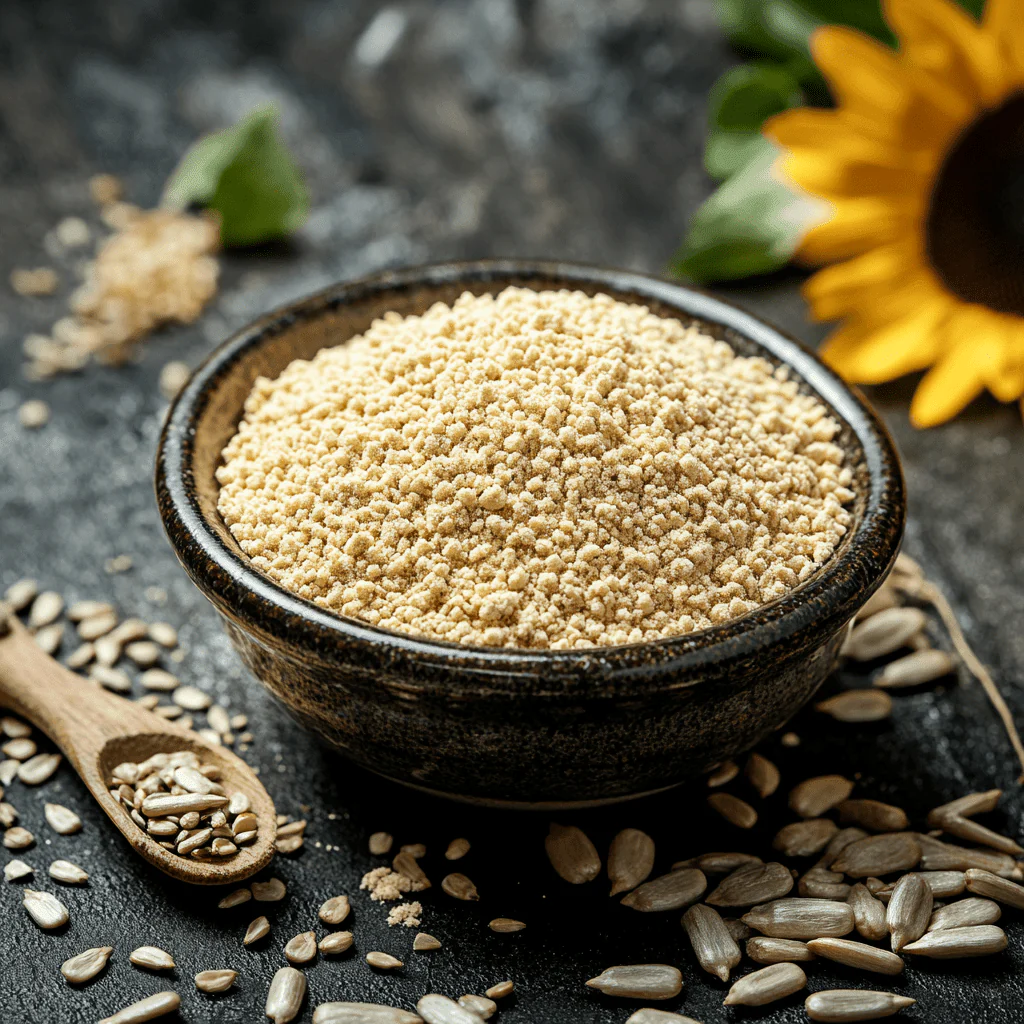
Sunflower Lecithin
Sunflower lecithin has gained significant traction in premium and clean-label supplement markets.
• It is generally perceived as allergen-free and non-GMO, making it attractive for consumer-facing marketing claims.
• Functional performance is comparable to soy lecithin in many applications, though composition differences may influence specific formulations.
Hydrolyzed Lecithin
Hydrolyzed lecithin undergoes enzymatic modification to increase hydrophilicity.
• This improves dispersibility in aqueous systems, making it valuable in powdered beverages and high-protein formulations.
• Hydrolyzed forms can also enhance liposome formation, which is increasingly relevant for advanced nutrient delivery systems.
Phosphatidylcholine Concentrates
High-purity phosphatidylcholine fractions are used in specialized supplements targeting liver health, cognitive support, and liposomal delivery technologies.
• These products command higher prices but offer strong functional and marketing advantages.
Comparison of Lecithin Forms for Supplement Manufacturing
The following table provides a practical overview for decision-making.
| Parameter | Standard Lecithin | Hydrolyzed Lecithin | PC Concentrate |
|---|---|---|---|
| Cost | Low to Moderate | Moderate | High |
| Emulsification Strength | Strong | Strong | Very Strong |
| Water Dispersibility | Moderate | High | High |
| Bioavailability Enhancement | Moderate | High | Very High |
| Suitable Applications | General supplements | Functional beverages | Liposomal products |
| Marketing Value | Standard | Premium | High-end |
Manufacturers must balance performance, marketing positioning, and cost when selecting a lecithin type.
Applications of Lecithin for Nutritional Supplements Across Product Categories
Lecithin is used across nearly every supplement format.
Softgel Capsules
• Lecithin improves oil dispersion and stability inside softgel matrices, reducing leakage and improving shelf life.
• It also supports uniform distribution of active compounds, ensuring consistent dosage across batches.
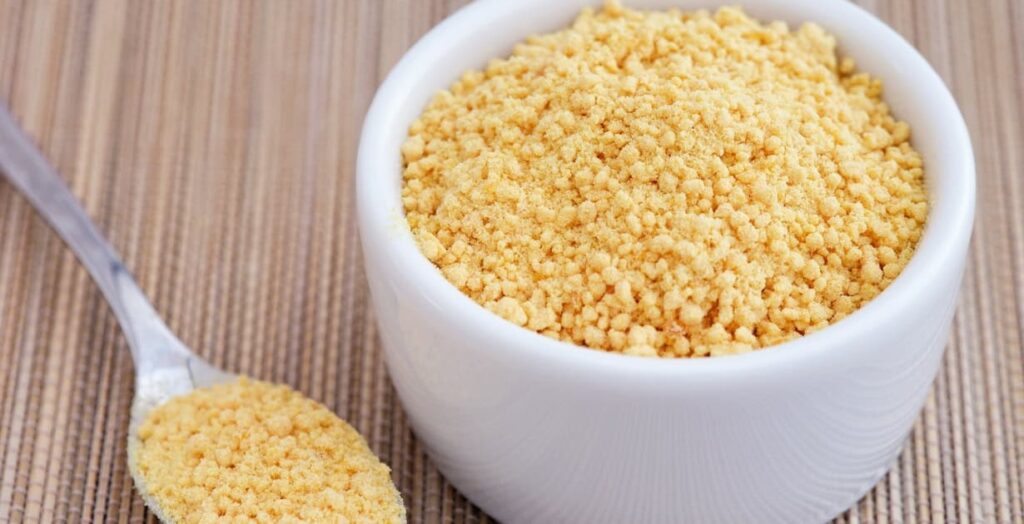
Powdered Supplements and Drink Mixes
• Lecithin enhances wettability, preventing floating particles and improving consumer experience during mixing.
• It reduces dust formation during industrial blending, which improves yield and workplace safety.
Functional Beverages
• In liquid systems, lecithin stabilizes emulsions containing lipid nutrients such as omega-3 oils and fat-soluble vitamins.
• It helps prevent phase separation during storage, maintaining product appearance and quality.
Liposomal Supplements
• Lecithin is the structural foundation of liposomes, microscopic vesicles that encapsulate nutrients and enhance absorption.
• Liposomal delivery systems are increasingly popular for vitamins, antioxidants, and herbal extracts due to improved bioavailability.
Sports Nutrition Products
• Lecithin improves dispersion of protein powders and energy blends, reducing clumping and improving texture.
• It also supports energy metabolism due to its phospholipid content.
Common Mistakes in Industrial Lecithin Sourcing
Procurement teams often underestimate the technical complexity of lecithin selection.
Treating Lecithin as a Commodity Ingredient
• Assuming all lecithin performs equally can lead to formulation instability and production inconsistencies.
• Differences in phospholipid composition, viscosity, and purity significantly impact performance.
Ignoring Functional Specifications
Key parameters include:
• Acetone insoluble content
• Phosphatidylcholine percentage
• Moisture level
• Peroxide value
• Viscosity
Overlooking these factors can result in oxidation problems or poor emulsification.
Selecting Suppliers Without Technical Expertise
Reliable suppliers provide documentation, traceability, and formulation guidance.
In our collaboration with multiple supplement manufacturers, we have seen that technical support often prevents costly reformulation cycles.
Underestimating Oxidation Risks
Lecithin contains unsaturated fatty acids that can oxidize if poorly stored.
• Exposure to heat, oxygen, or light reduces functional performance and shelf life.
Proper storage conditions and antioxidant protection are essential.
Industrial Tips for Using Lecithin in Large-Scale Production
Manufacturers can maximize lecithin performance by applying several best practices.
Optimize Addition Temperature
• Lecithin viscosity decreases at higher temperatures, improving mixing efficiency and uniform distribution during processing.
Pre-Blend with Lipid Components
• Incorporating lecithin into oil phases before blending improves emulsification and prevents localized concentration issues.
Monitor Homogenization Parameters
• Proper shear and pressure improve particle size distribution and emulsion stability.
Evaluate Dosage Carefully
• Excess lecithin can affect taste and mouthfeel, so optimization through trials is essential.
Consider Antioxidant Synergy
• Combining lecithin with antioxidants such as tocopherols can improve stability in omega-3 formulations.
We have observed that manufacturers who treat lecithin as part of a broader formulation system—not a standalone ingredient—achieve the most consistent results.
Emerging Trends in Lecithin for Nutritional Supplements
The nutraceutical industry continues to evolve rapidly.
Key trends include:
• Growth of liposomal delivery technologies
• Increased demand for plant-based supplements
• Clean-label ingredient sourcing
• Personalized nutrition formulations
• Non-GMO and allergen-free positioning
• Sustainable raw material sourcing
Lecithin plays a central role in many of these innovations due to its versatility and natural origin.
Frequently Asked Questions from Factory Managers and Procurement Teams
What dosage levels are typical?
• Usage levels vary widely depending on application, typically ranging from 0.5% to 5% in formulations, with higher levels used in liposomal systems.
Does lecithin improve nutrient absorption?
• Yes. Lecithin forms micelles and liposomes that enhance absorption of fat-soluble compounds, improving bioavailability.
Which lecithin source is best?
• The best option depends on formulation goals, labeling requirements, and cost considerations. Soy is economical, while sunflower offers clean-label advantages.
Is powdered or liquid lecithin better?
• Liquid lecithin provides strong functionality, while powdered forms offer easier handling in dry blending operations.
What certifications should manufacturers consider?
• Depending on target markets, certifications may include non-GMO, halal, kosher, organic, and food safety standards.
Strategic Supplier Selection: Beyond Price Considerations
Ingredient sourcing affects not only cost but also product quality and brand reputation. Suppliers who offer multiple lecithin grades, consistent documentation, and technical support provide significant operational advantages.
Working with MT Royal allows manufacturers to access diverse lecithin options tailored to different applications. More importantly, supplier expertise helps prevent production challenges and accelerates product development timelines.
In our experience working with supplement factories, switching to a more appropriate lecithin grade often improves both production efficiency and finished product performance without major cost increases.
Lecithin as a Competitive Advantage in Nutraceutical Innovation
Lecithin for Nutritional Supplements should be viewed as a strategic formulation tool rather than a minor additive. Its ability to enhance bioavailability, stabilize emulsions, and improve processing efficiency makes it a valuable asset for manufacturers seeking differentiation.
As consumer expectations continue to rise—demanding better absorption, cleaner labels, and superior sensory experiences—lecithin will remain central to innovation in supplement development.
Factories that understand how to leverage lecithin’s functional potential can unlock new product possibilities, improve operational efficiency, and strengthen their market position. Those who overlook its importance may find themselves facing avoidable formulation challenges and competitive disadvantages.



No comment