

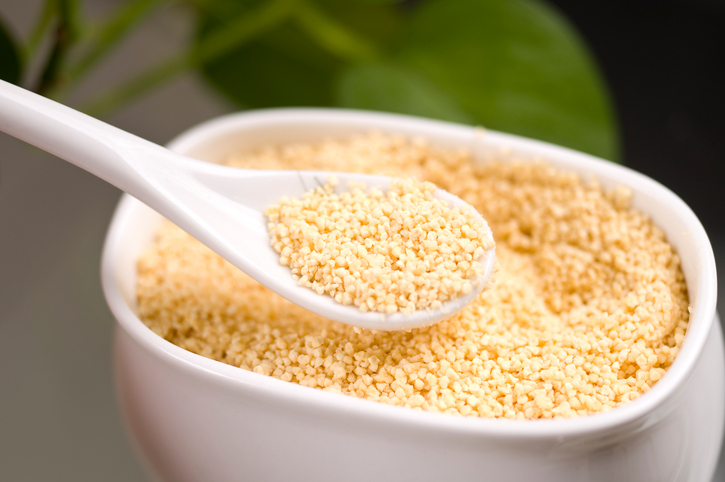
When your production efficiency, product consistency, and operational costs depend on emulsification performance, choosing the right Lecithin supplier in Algeria becomes a decision that directly impacts profitability. Many manufacturers initially focus on price per ton, but experienced procurement teams know that lecithin quality influences viscosity behavior, processing speed, energy consumption, and even final product stability. This is why factories across food, feed, pharmaceutical, and cosmetics industries increasingly evaluate international sourcing partners such as MT Royal, which provides multiple lecithin brands at competitive industrial pricing while maintaining reliable supply routes into Algeria.
For production managers and sourcing specialists, lecithin is not just an additive. It is a functional processing tool that can optimize manufacturing efficiency when selected correctly—or create persistent production headaches when sourced poorly. Understanding how to evaluate suppliers, choose the correct lecithin type, and avoid common sourcing mistakes is essential for sustainable industrial performance.
Lecithin Fundamentals: Industrial Definition and Functional Importance
Lecithin is a naturally occurring mixture of phospholipids extracted primarily from soybeans, sunflower seeds, or rapeseed. Its unique amphiphilic molecular structure allows it to interact with both hydrophilic and lipophilic phases, making it one of the most versatile emulsifiers used in industrial production.
From a technical perspective, lecithin contains compounds such as phosphatidylcholine, phosphatidylethanolamine, and phosphatidylinositol. These components reduce interfacial tension between oil and water phases, improving dispersion, stability, and processing behavior.
In industrial environments, lecithin performs multiple functions simultaneously:
- Emulsification of oil and water systems
This function is critical in products like chocolate, margarine, and sauces, where phase separation can compromise both texture and shelf life. - Viscosity reduction during processing
Lower viscosity improves pumping efficiency, reduces mechanical stress on equipment, and decreases energy consumption during mixing operations. - Improved powder wetting and dispersibility
In instant beverage powders and nutritional formulations, lecithin ensures rapid hydration without clumping, which enhances consumer experience and production efficiency. - Release and anti-sticking properties
In bakery and confectionery manufacturing, lecithin acts as a release agent, reducing product waste and cleaning downtime.
Because lecithin affects both process performance and product quality, sourcing decisions should always be approached strategically rather than as routine procurement.
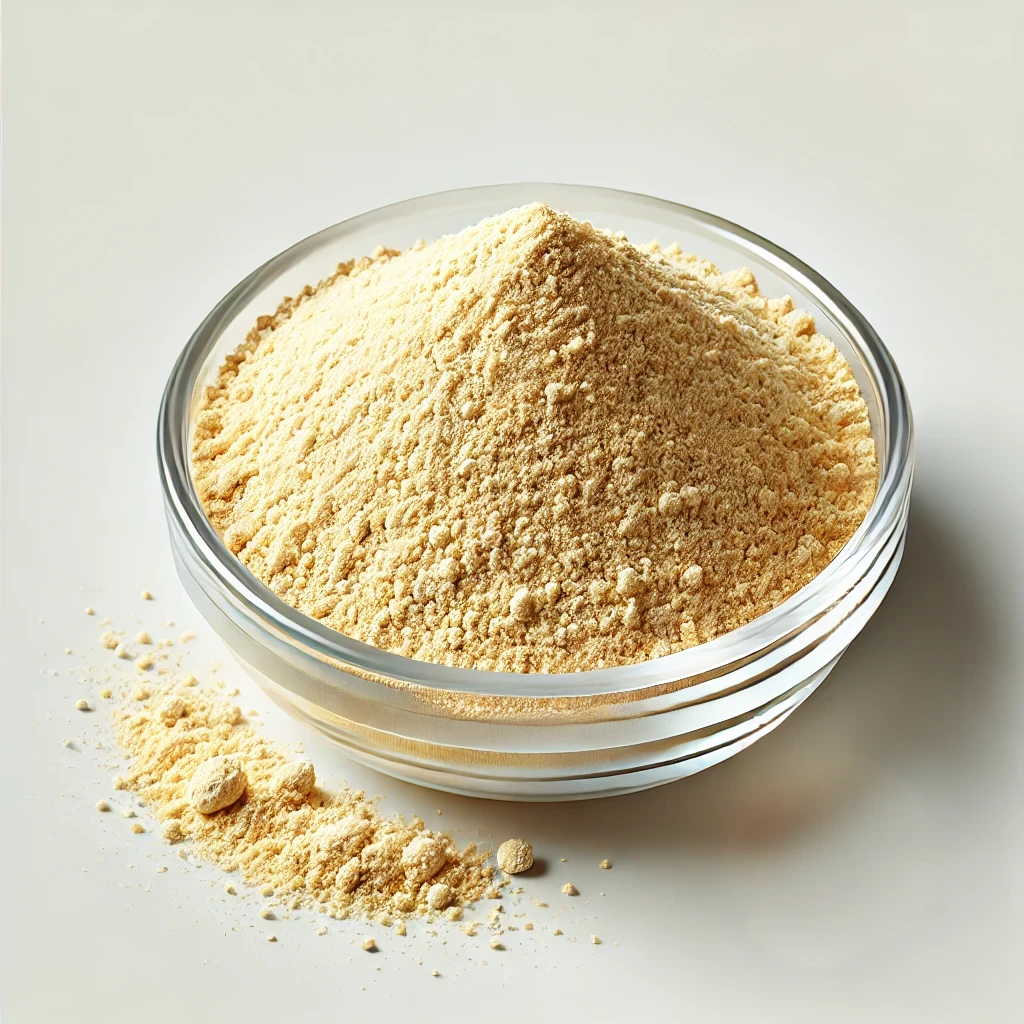
Growing Demand for Lecithin in Algeria’s Industrial Market
Industrial demand for lecithin in Algeria has increased significantly over the past decade due to several factors:
- Expansion of local food manufacturing capacity
Algeria’s investment in domestic food production has increased demand for emulsifiers, stabilizers, and functional ingredients required for processed foods. - Growth of the livestock and feed sector
Lecithin improves fat digestion and feed efficiency, making it valuable for poultry and aquaculture producers seeking higher productivity. - Rising consumer preference for processed and convenience foods
Urbanization and changing consumption habits have accelerated the need for industrial ingredients that improve shelf stability and texture. - Development of pharmaceutical and cosmetic industries
Lecithin’s role in drug delivery systems and personal care formulations continues to expand regional demand.
These trends make selecting a reliable Lecithin supplier in Algeria increasingly important for long-term production planning.
Types of Lecithin Available for Industrial Manufacturers
Not all lecithin products are identical. A professional supplier should offer multiple options tailored to specific manufacturing requirements.
Soy Lecithin
Soy lecithin remains the most widely used variant globally because of its cost efficiency and reliable functional properties.
- It provides strong emulsification performance
This makes it particularly suitable for chocolate, bakery fats, margarine, and feed formulations where consistent results are essential. - It offers competitive pricing for large-scale production
For high-volume manufacturers, soy lecithin often delivers the best cost-performance balance compared to alternative sources.
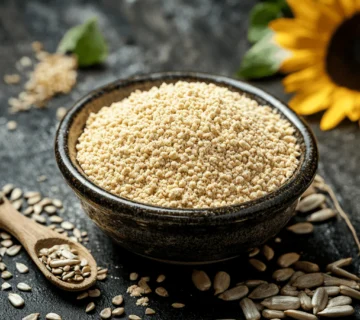
Sunflower Lecithin
Sunflower lecithin is increasingly popular for manufacturers targeting premium or allergen-free markets.
- It supports clean-label positioning
Many brands prefer sunflower lecithin because it avoids soy allergen concerns and can be marketed as non-GMO more easily. - It provides comparable emulsification performance
While slightly more expensive, sunflower lecithin delivers similar functional benefits in many food and cosmetic applications.
Liquid Lecithin
Liquid lecithin is commonly used in large industrial facilities due to handling convenience.
- It enables faster mixing and easier dosing
Pumpable consistency reduces manual handling and improves batch consistency during production. - It minimizes dust formation
Compared to powder forms, liquid lecithin improves workplace safety and reduces product loss during handling.
Powdered Lecithin
Powdered lecithin offers precision and storage advantages.
- It allows accurate dosing in dry formulations
Nutritional supplements, premixes, and instant powders benefit from precise incorporation of lecithin in powdered form. - It provides longer shelf stability
Powder forms often have lower moisture content, improving storage durability in challenging climates.
Hydrolyzed Lecithin
Hydrolyzed lecithin has enhanced dispersibility in aqueous systems.
- It improves compatibility with water-based formulations
Beverage emulsions and pharmaceutical suspensions benefit from faster hydration and improved stability. - It supports specialized applications
Industries requiring fine particle dispersion often choose hydrolyzed variants for better performance.
In our collaboration with various factories, we have seen that selecting the wrong lecithin type often creates more operational inefficiency than supplier pricing differences.
Key Industrial Applications of Lecithin
Lecithin’s versatility makes it valuable across multiple sectors.
Food Manufacturing
Food producers rely heavily on lecithin to control texture, viscosity, and stability.
- Chocolate and confectionery production
Lecithin reduces cocoa butter requirements while improving flow properties, which significantly lowers production costs. - Bakery and dough systems
It enhances dough elasticity, machinability, and final product softness, improving production efficiency and consumer quality perception. - Instant beverages and powders
Lecithin improves wetting properties, preventing clumping and ensuring rapid dissolution. - Margarine and spreads
It stabilizes fat-water emulsions and improves mouthfeel consistency across batches.
Animal Feed Industry
Feed manufacturers use lecithin to enhance nutritional performance.
- Improved fat digestion in livestock
Lecithin supports lipid absorption, which can improve weight gain and feed conversion ratios in poultry and aquaculture. - Enhanced pellet quality
It reduces dust formation and increases pellet durability during transportation and storage.
Pharmaceutical Industry
Lecithin plays a role in advanced drug delivery systems.
- Liposome formation
Phospholipids enable encapsulation technologies that improve bioavailability of active ingredients. - Nutritional supplements
Lecithin contributes to cognitive and metabolic health formulations.
Cosmetics and Personal Care
In cosmetics, lecithin improves formulation stability and skin compatibility.
- Emulsion stabilization
Creams and lotions maintain consistent texture and shelf stability. - Skin conditioning properties
Lecithin acts as a natural moisturizing agent, enhancing product performance.
Common Mistakes When Choosing a Lecithin Supplier in Algeria
Even experienced procurement teams sometimes make avoidable sourcing errors.
- Focusing only on price per kilogram
Lower prices may indicate reduced phospholipid content or inconsistent quality, which can increase dosage requirements and eliminate cost savings. - Ignoring technical documentation
Without detailed specifications, manufacturers risk receiving products that do not meet functional requirements. - Underestimating logistics risks
Supply delays can halt production lines, causing losses far exceeding any initial cost savings. - Lack of supplier diversification
Depending on a single supplier increases vulnerability to disruptions.
We have observed factories facing unexpected shutdowns simply because contingency sourcing plans were not established in advance.
How to Evaluate a Reliable Lecithin Supplier in Algeria
Selecting the right partner requires evaluating multiple technical and operational criteria.
Technical Support Capability
A strong supplier provides more than raw materials.
- Application guidance for your formulations
Suppliers with technical expertise can recommend optimal lecithin types and dosage levels based on your production process. - Troubleshooting assistance during scale-up
When production challenges arise, access to technical experts reduces downtime and accelerates problem resolution.
Product Portfolio Diversity
Suppliers offering multiple lecithin origins and formats provide flexibility.
- Access to alternative raw material sources
If market prices fluctuate or regulatory requirements change, multiple options help maintain continuity. - Customization opportunities
Different viscosity ranges or phospholipid concentrations can be tailored to specific production needs.
Supply Chain Reliability
Reliable logistics are essential for uninterrupted manufacturing.
- Established import and distribution networks
Suppliers with experience in Algerian logistics reduce customs delays and transportation risks. - Inventory planning support
Advanced suppliers help factories forecast demand and maintain safety stock levels, preventing emergency procurement at higher prices.
Companies like MT Royal often stand out because they combine competitive pricing with diversified sourcing channels, reducing risk for manufacturers.
Specialized Industrial Tips for Large-Scale Production
For high-volume manufacturers, lecithin optimization can significantly impact operational efficiency.
- Conduct pilot testing before full implementation
Small-scale trials help identify optimal dosage and mixing conditions, preventing costly production disruptions. - Monitor viscosity and moisture parameters regularly
Variations in raw material properties can affect processing behavior, so routine quality checks are essential. - Integrate lecithin addition at the correct production stage
Timing of incorporation influences dispersion efficiency and final product consistency. - Maintain proper storage conditions
Lecithin should be stored away from excessive heat and humidity to prevent oxidation and quality degradation.
In our experience working with multiple production facilities, small process adjustments often deliver measurable cost savings without changing formulations.
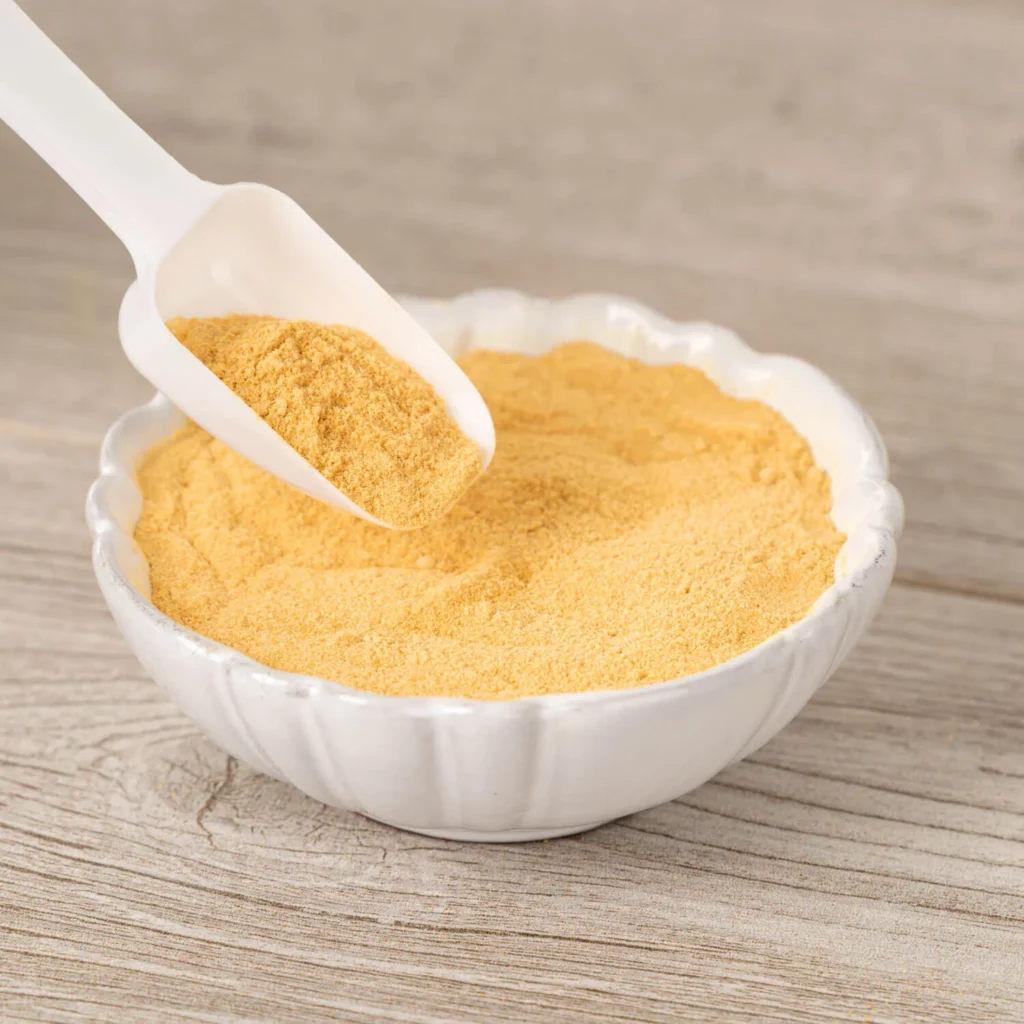
Frequently Asked Questions from Procurement and Production Teams
How do I know which lecithin type is suitable for my factory?
The answer depends on your application, processing temperature, viscosity requirements, and regulatory constraints. Technical consultation and pilot testing are the most reliable methods.
What certifications should a Lecithin supplier in Algeria provide?
Most manufacturers require documentation such as ISO certification, Halal certification, food safety compliance, GMO status, and detailed technical specifications.
Does higher lecithin price always mean better quality?
Not necessarily. Quality should be evaluated based on phospholipid content, functional performance, and consistency rather than price alone.
How important is supplier location?
Local presence can improve logistics efficiency, but international suppliers with strong distribution networks can provide equal or better reliability.
Can lecithin reduce production costs?
Yes. By improving flow properties, reducing fat usage, and enhancing processing efficiency, lecithin often lowers overall manufacturing costs despite being a minor ingredient.
Emerging Trends in Lecithin Sourcing
The lecithin market continues evolving, influenced by global food innovation and sustainability concerns.
Key trends include:
- Increasing demand for non-GMO lecithin
Export-oriented manufacturers often require non-GMO certification to access premium markets. - Growth of sunflower lecithin adoption
Allergen-free positioning is driving market expansion beyond traditional soy sources. - Sustainability and traceability requirements
Buyers increasingly request supply chain transparency and environmentally responsible sourcing. - Functional lecithin customization
Specialized lecithin fractions tailored for specific industrial applications are becoming more common.
Manufacturers who anticipate these trends can gain competitive advantages in both domestic and export markets.
Strategic Value of Partnering with an Experienced Supplier
Working with an experienced Lecithin supplier in Algeria provides benefits beyond raw material procurement.
- Technical consultation improves product performance
Expert guidance helps optimize formulations and reduce production inefficiencies. - Supply stability reduces operational risk
Reliable delivery schedules allow better production planning and inventory management. - Access to multiple brands increases flexibility
Manufacturers can adapt to price fluctuations or regulatory changes without disrupting production.
Suppliers such as MT Royal position themselves as sourcing partners rather than simple distributors, which aligns better with long-term industrial needs.
Final Perspective for Manufacturers
In industrial manufacturing, small ingredients often create large consequences. Lecithin may represent a minor percentage of your formulation cost, yet it influences production efficiency, product stability, and profitability in ways that procurement spreadsheets rarely capture.
Choosing the right Lecithin supplier in Algeria is ultimately about risk management, performance optimization, and operational confidence. When you work with a supplier that understands industrial realities—equipment limitations, batch variability, logistics pressures—you gain more than a raw material source. You gain a partner that helps your factory run smoother, faster, and more predictably in an increasingly competitive market.
LATAMARKO LM60 – Premium Spanish-Origin Cocoa Powder
latamarko alkalized cocoa powder lm60
cocoa powder for chocolate production-Best price
Food industry raw materials – list of products



No comment