

In today’s highly competitive industrial market, choosing a Lecithin supplier in Egypt is not merely a purchase decision—it is a strategic move that affects production stability, long-term costs, and product quality. If your factory operates in food, chocolate, dairy, cosmetics, or animal feed industries, you know that lecithin plays a role far beyond a standard emulsifier. Even minor fluctuations in its quality can alter product structure, texture, stability, or taste—like a single weak link affecting the entire production chain.
Many Egyptian manufacturers and regional exporters face challenges such as inconsistent quality, shipping delays, and uncertainty about authenticity. This is where partnering with a reliable international supplier becomes essential. At MT Royal, through our collaborations with major manufacturers across the Middle East and North Africa, we’ve seen how choosing the right lecithin supplier ensures production consistency and significantly reduces operational costs.
This guide provides an in-depth, professional analysis of selecting the best Lecithin supplier in Egypt, offering actionable insights for procurement managers, quality engineers, and factory directors to make informed decisions.
Understanding Lecithin and Its Industrial Applications
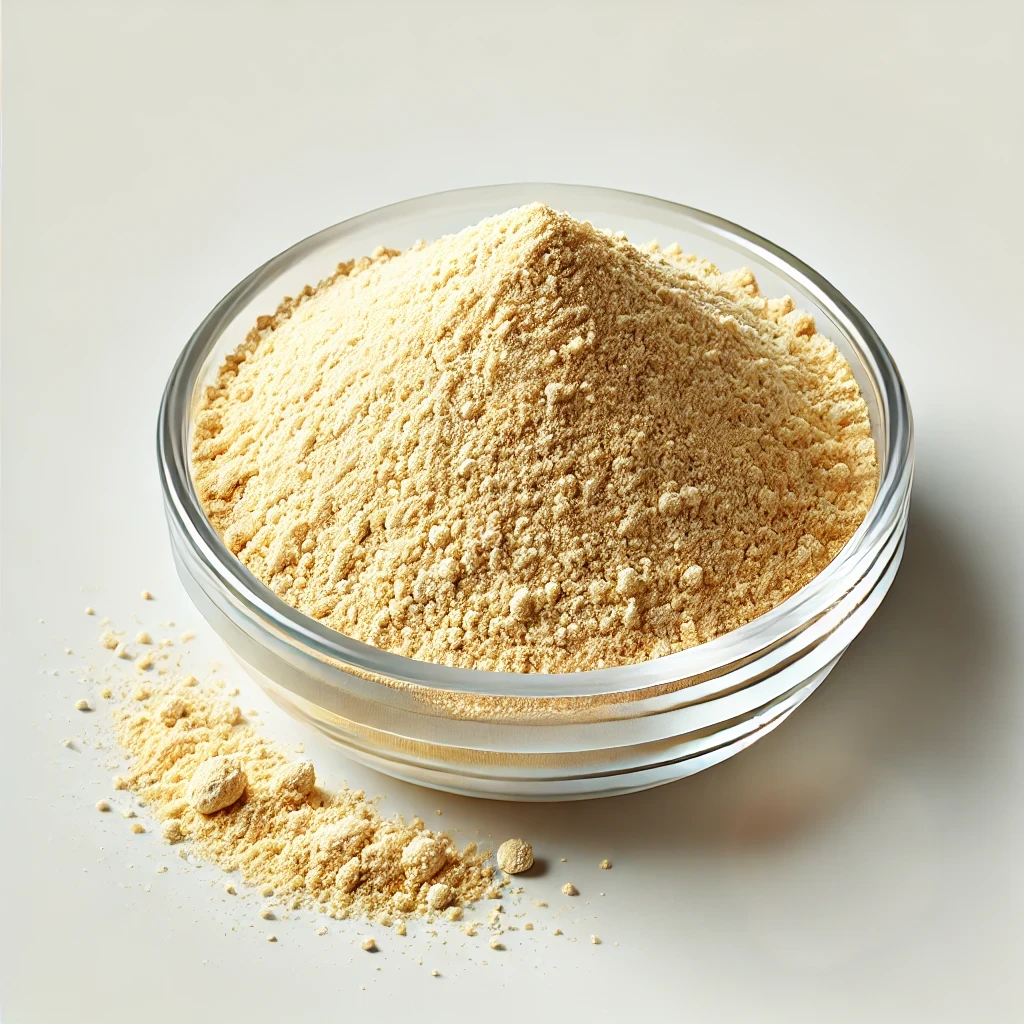
Lecithin is a group of phospholipids naturally found in plants and animals, widely used as an emulsifier, stabilizer, lubricant, and texture enhancer in various industries. Key types commonly supplied in Egypt include:
Soy Lecithin
The most common choice in food and chocolate industries due to its cost-effectiveness, wide applications, and stable performance.
Sunflower Lecithin
Ideal for Clean Label products or for consumers concerned about GMOs. Its demand in Egypt has grown significantly in recent years.
Rapeseed Lecithin
Used in specialty dairy products, sauces, and specific formulations.
Liquid, Granular, and Powdered Lecithin
Each form has different viscosity and functional performance. Choosing the wrong form can lead to texture defects or mixing issues in production.
If your production involves chocolate, bakery, cream, margarine, instant beverages, dietary supplements, or animal feed, lecithin quality, phospholipid content, and acidity directly affect the final product’s consistency.
Why Choosing a Reliable Lecithin Supplier in Egypt Matters
Egypt’s market is one of the fastest-growing industrial hubs in the region. Over the past five years, increasing lecithin imports have made reliable suppliers more critical. Key reasons for this importance include:
1. Quality Stability in Egypt’s Climate
High temperatures and humidity can impact lecithin viscosity and stability. Suppliers who fail to follow proper storage and transport standards risk delivering degraded products.
2. Logistics and Timely Delivery
Many Egyptian factories complain about recurring shipping delays. Suppliers without a structured delivery schedule can halt production.
3. Global Oil Price Volatility
Lecithin prices depend heavily on plant oil markets. Choosing a supplier offering competitive and stable pricing helps with long-term budgeting.
4. Certified Quality Documentation
Standards such as Halal, Kosher, Non-GMO, and detailed COAs are essential for Egyptian manufacturers. Working with a supplier that guarantees these certifications reduces compliance risk.
At MT Royal, we provide consistent supply and technical support, ensuring that production lines across the region run smoothly without unexpected disruptions.
Essential Traits of a Trusted Lecithin Supplier in Egypt
To make a professional and reliable choice, factories should evaluate suppliers based on:
1. Transparency in Quality and Documentation
A supplier should provide COA, MSDS, health certificates, and country-of-origin documents without delay. Lack of transparency is often a red flag.
2. Brand and Source Diversity
Reliable suppliers offer lecithin from European, Malaysian, Chinese, and Indian brands, allowing manufacturers to select according to their specific formulation needs.
3. Technical Support
R&D and production teams often need guidance for adjusting formulations. Suppliers providing technical consulting deliver real added value.
4. Consistent Pricing and Stock
Sudden price spikes or stock shortages disrupt production. A stable supplier mitigates these risks with reliable inventory and contracts.
5. Proper Packaging and Storage
Lecithin quality depends on storage conditions. Drums, bulk containers, granules, or IBCs must meet standards suitable for Egypt’s warm climate.
Common Mistakes Manufacturers Make When Choosing a Lecithin Supplier
From our experience with multiple industrial units, the following mistakes are common and costly:
1. Choosing Based Only on Price
Price is important, but not the sole criterion. Low-cost lecithin may contain impurities or inconsistent viscosity, creating hidden costs.
2. Ignoring the Form of Lecithin
Ordering liquid lecithin when the production line is optimized for powdered form causes poor mixing and inferior product quality.
3. Skipping Pre-Purchase Testing
In industries like chocolate or margarine, laboratory testing before bulk purchase is critical. Many factories overlook this step.
4. Partnering with Suppliers Lacking Regional Experience
Suppliers unfamiliar with the Egyptian or MENA market often cause logistical and customs delays.
5. Ignoring Clean Label Trends
Demand for sunflower or non-GMO lecithin is growing. Ignoring this trend may reduce market share.
Comparison of Lecithin Types for Egyptian Manufacturers
Soy Lecithin vs. Sunflower Lecithin
| Feature | Soy Lecithin | Sunflower Lecithin |
|---|---|---|
| Price | Economical | Higher |
| Clean Label | Lower | Excellent |
| Heat Stability | High | Moderate |
| Applications | Wide | Organic, infant, health-focused products |
Liquid vs. Powdered Lecithin
Liquid Lecithin: Best for chocolate, beverages, and high-fat products.
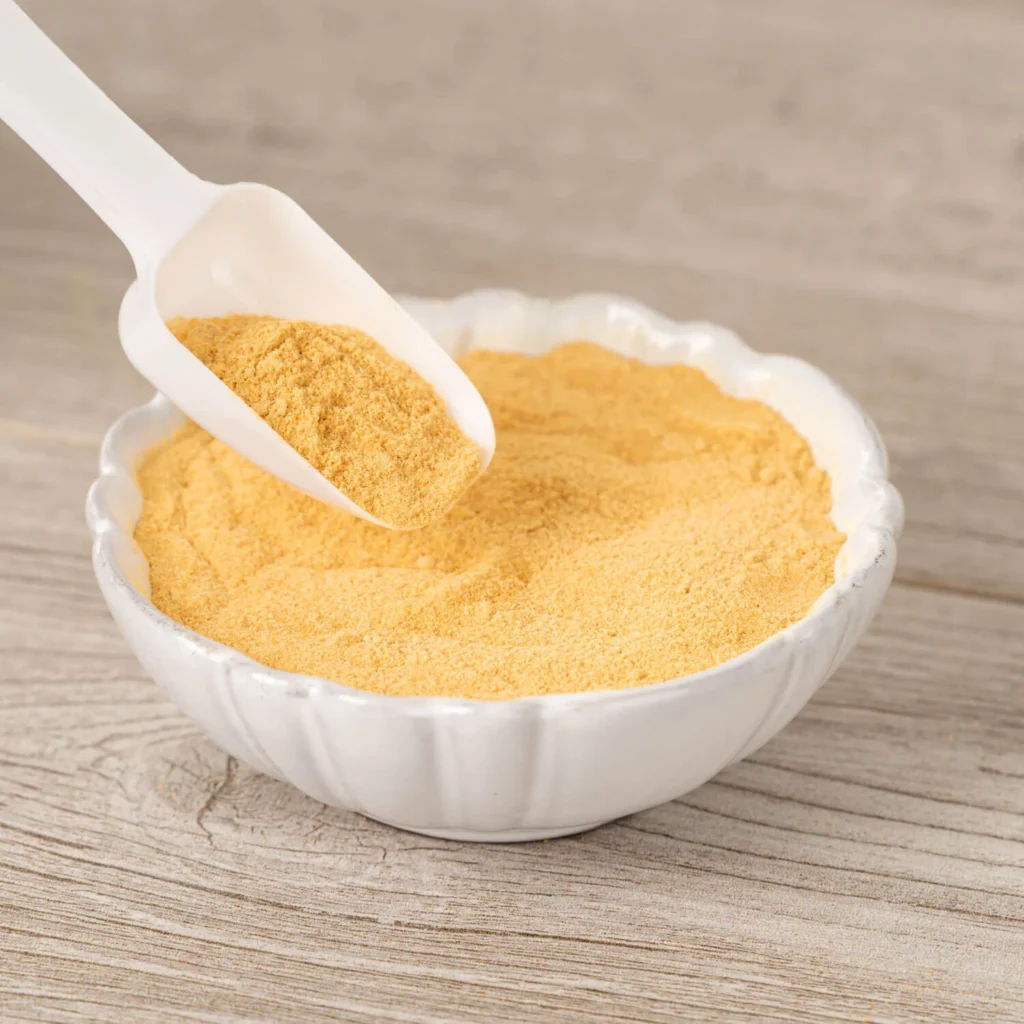
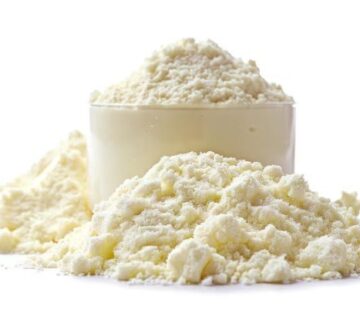
Powdered Lecithin: Ideal for bakery, dietary supplements, and animal feed, offering better solubility and handling.
Industrial Tips for Large-Scale Lecithin Production
1. Viscosity Control
Liquid lecithin should not be stored above 30°C. Viscosity changes directly affect emulsifying performance.
2. Correct Dosage
In chocolate production, overuse can cause stickiness. Typical use ranges between 0.3–0.6%.
3. Combination with Other Emulsifiers
Many factories blend lecithin with PGPR to reduce viscosity and minimize cocoa butter use.
4. Mixing Time Management
In powdered beverage production, proper dissolution time is crucial for product quality.
Frequently Asked Questions by Egyptian Factory Managers
1. Which type of lecithin is best for chocolate?
Liquid soy lecithin performs best, though sunflower lecithin is preferred for Clean Label products.
2. Is sunflower lecithin worth the higher cost?
Yes, especially for brands emphasizing health and labeling transparency.
3. What type is best for animal feed?
Powdered lecithin is economical and effective for digestion and energy efficiency.
4. Does lecithin require special storage?
Yes. Keep it away from light, moisture, and high temperatures to prevent oxidation.
5. Does MT Royal provide multiple brands of lecithin?
Yes, MT Royal supplies a variety of reputable global brands with tailored solutions for different manufacturing needs.
Emerging Market Trends in Egypt
Over the past five years, several trends impact supplier selection:
1. Rising Demand for Non-GMO and Clean Label Lecithin
Particularly critical for export-oriented Egyptian industries.
2. Growth in Chocolate and Confectionery Production
Egypt is becoming a regional hub for competitively priced confectionery products.
3. Volatility in Global Oil Markets
Fluctuating prices of sunflower and soy beans make reliable suppliers essential.
4. Expansion of Instant Beverage Lines
These products require high-solubility powdered lecithin for optimal processing.
Why MT Royal is a Reliable Partner for Lecithin in Egypt
MT Royal has extensive experience supplying food and cosmetic raw materials. Through transparency, consistent quality, and access to reputable global brands, we have earned the trust of major manufacturers. Our collaborations have helped optimize supply chains and reduce operational costs.
Offering diverse brands, guaranteed authenticity, technical consulting, and competitive pricing, MT Royal provides Egyptian factories with a reliable and strategic supply partner. In a fast-growing market, choosing the right supplier can become a competitive advantage that directly impacts product quality and production stability.
Conclusion
Lecithin supply is no longer a simple procurement choice. It is a critical factor in product development, production continuity, and competitiveness. If product quality, consistent supply, and price predictability matter to your factory, selecting a Lecithin supplier in Egypt with proven expertise and technical support is a smart, strategic move.
Lecithin may seem simple, but its impact on the final product is profound. Manufacturers who prioritize supply chain quality are the ones that grow, thrive, and establish enduring brands in a competitive market.

No comment