

In today’s sophisticated industrial landscape, raw materials are more than line items on a purchase order — they directly influence product quality, production stability, regulatory compliance, and cost efficiency. For manufacturers in Iraq, partnering with a dependable Lecithin supplier in Iraq is a decision that resonates from the factory floor to the final product on the market. Whether you are producing chocolates, margarine, dressings, pharmaceuticals, animal feed, or cosmetics, the quality and consistency of lecithin impact texture, emulsification, shelf stability, and process efficiency.
At MT Royal, we understand that a strategic supply of specialty ingredients isn’t merely about having inventory — it’s about aligning with partners who comprehend your unique production demands and support you through technical nuance and logistical reliability. In our collaboration with various factories, we have seen that informed procurement decisions for emulsifiers like lecithin translate into fewer production setbacks, more predictable formulation behavior, and enhanced product performance.
This article is crafted to give procurement professionals, quality managers, and production engineers an expert‑level view of sourcing lecithin in Iraq — with practical guidance, industrial insights, and the analytical depth needed to make confident decisions that go beyond price alone.
Understanding Lecithin: Definitions and Industrial Fundamentals
What Is Lecithin and Why Does It Matter?
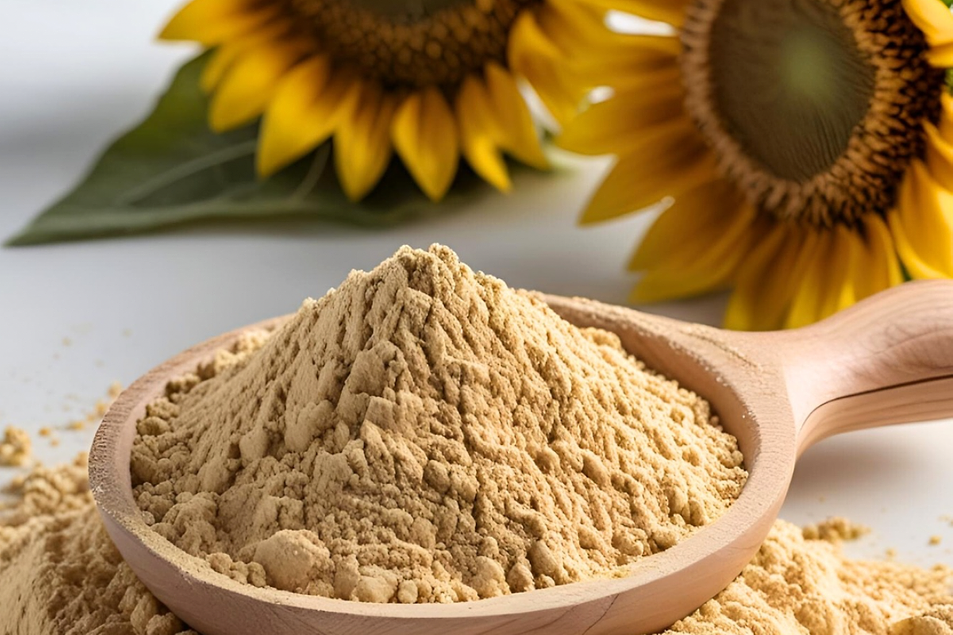
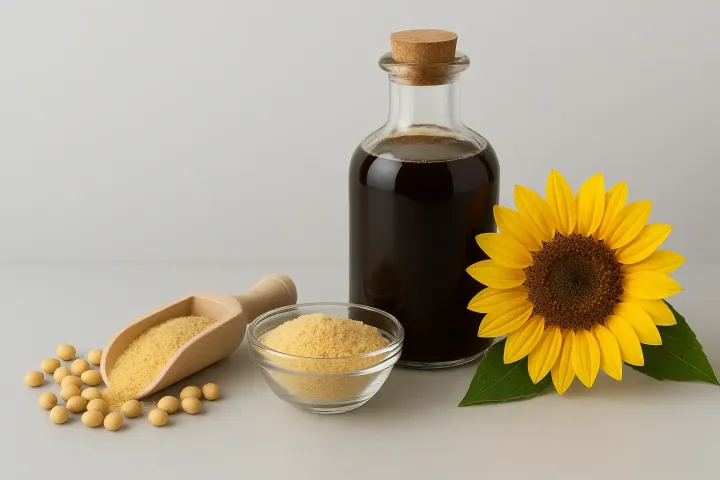
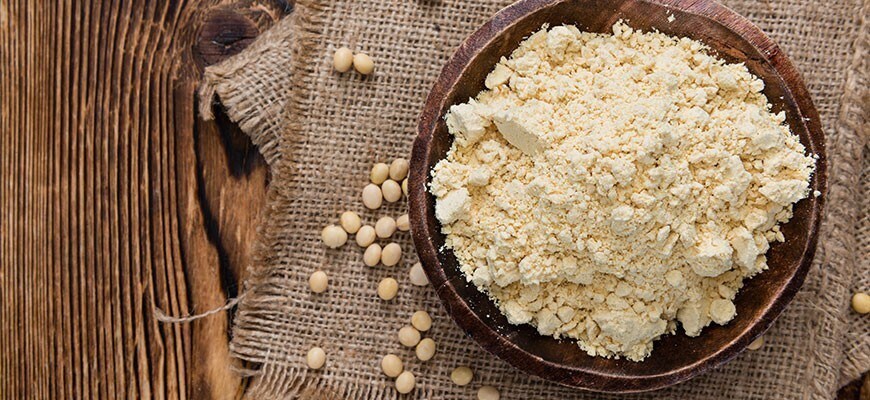
Lecithin is a natural phospholipid complex extracted from plant or animal sources — most commonly soybeans, sunflower seeds, or rapeseed. Chemically, it’s composed of phosphatidylcholine, phosphatidylethanolamine, and other phospholipids, which make it an effective emulsifier, wetting agent, dispersant, and lubricant.
In industrial processing, lecithin serves functions that few ingredients can replicate:
- Emulsification: Promoting stable mixtures of oil and water
- Lubrication: Reducing friction and improving flow in chocolate and confectionery lines
- Dispersing Action: Enhancing uniform distribution of fat and solids
- Stabilization: Supporting shelf life by preventing phase separation
These functions are not just technical conveniences — they are central to the sensory, physical, and processing performance of final products.
Industrial Applications Across Sectors
Lecithin’s versatility makes it valuable in diverse manufacturing environments:
- Food Processing: Chocolates, bakery items, dressings, sauces, dairy products
- Confectionery: Viscosity control, mold release, gloss enhancement
- Pharmaceuticals: Wet granulation, controlled release matrices
- Cosmetics & Personal Care: Emulsification in creams, lotions, and serums
- Animal Nutrition: Pellet binding and nutrient dispersion
The choice of lecithin grade — be it food grade, pharmaceutical grade, or technical grade — must align with the regulatory, performance, and sensory requirements of your application.
The Strategic Value of a Lecithin Supplier in Iraq
Iraq’s manufacturing landscape is diverse and evolving, with growing demand for processed foods, pharmaceuticals, and personal care products. As factories scale and competition intensifies, local and regional sourcing of critical ingredients like lecithin offers tactical advantages:
- Shortened Delivery Lead Times: Faster response to production needs compared with distant imports
- Greater Supply Chain Transparency: Improved visibility into inventories and logistics flows
- Regulatory Familiarity: Better alignment with local standards and documentation practices
- Cost‑Effective Logistics: Reduced freight complexity and lower warehousing risks
A Lecithin supplier in Iraq versed in both international quality benchmarks and regional market realities can help you navigate production challenges with greater assurance.
Core Criteria for Evaluating a Lecithin Supplier
Selecting the right supplier goes far beyond comparing price lists. A comprehensive evaluation should include quality control, technical understanding, logistics, and long‑term alignment with your production objectives.
Quality Assurance and Regulatory Compliance
Your supplier should deliver materials that consistently meet internationally recognized specifications. Key attributes include:
- Certificates of Analysis (CoA) with each lot
- Compliance with food safety standards (e.g., ISO 22000, HACCP)
- Traceability documentation from source to delivery
- Microbiological and chemical testing confirmation
In regulated sectors like pharmaceuticals and infant nutrition, adherence to codified standards and Good Manufacturing Practices (GMP) is essential.
Batch Consistency and Functional Performance
Industrial processes are calibrated around ingredient behavior. Variability in lecithin’s composition — such as phospholipid content, moisture level, or free fatty acids — can alter product viscosity, texture, or emulsification behavior.
Look for suppliers who:
- Provide historical batch data
- Support specification refinement to meet your process requirements
- Conduct regular quality audits
- Offer trial batches before large orders
Consistency enhances predictability, reduces waste, and stabilizes line performance.
Logistics, Packaging, and Delivery Reliability
Factory operations depend on predictable schedules. A strong supplier will provide:
- Flexible packaging options (drums, totes, bulk containers)
- Reliable lead times that match production cadence
- Contingency planning for seasonal fluctuations
- Support for customs and import documentation
Discussing logistics early helps your procurement team align stock levels, warehouse space, and production forecasts.
Consultative Technical Collaboration
A high‑performance supplier acts as a partner — not just a vendor. Technical support may include:
- Assistance in selecting the right lecithin grade
- On‑site trials or specification testing
- Advice on process optimization
- Sharing industry benchmarks and emerging trends
We have found that suppliers who engage with QA, R&D, and production teams early help minimize formulation risks and accelerate solutions when challenges arise.
Lecithin Grades and Functional Differences
Understanding lecithin grades helps you match performance to production application.
Food Grade Lecithin
- Designed for edible products
- Complies with food safety standards
- Used in chocolates, bakery, dressings, and dairy products
- Balances flavor neutrality with emulsification
Pharmaceutical Grade Lecithin
- Higher purity and stricter testing requirements
- Essential in sensitive applications such as soft‑gel capsules, drug delivery systems, and controlled‑release matrices
- Requires rigorous documentation and traceability
Industrial or Technical Grade Lecithin
- Optimized for non‑food applications
- Used in paints, coatings, plastics, rubber, and textile lubrication
- Focused on functional behavior rather than taste or nutrition
Each application demands precise specifications — an experienced supplier helps navigate grade selection with technical nuance.
Common Mistakes in Industrial Sourcing
Even seasoned procurement teams can make costly errors. Awareness of these pitfalls helps steer strategic decisions.
Mistake #1: Prioritizing Price Over Quality
Sourcing levers often emphasize cost reduction, but focusing solely on low price can compromise consistency, performance, and compliance. Hidden costs — such as rework, line stoppages, or customer complaints — may outweigh apparent savings.
Mistake #2: Vague Specifications
Failing to define rigorous technical specifications invites variability. Ensure purchase orders specify:
- Phospholipid profile
- Moisture content
- Free fatty acid limits
- Particle size or form
- Solvent residue thresholds
Clear requirements ensure the supplier understands your performance expectations.
Mistake #3: Ignoring Documentation and Traceability
Regulated industries and export markets demand traceability. Overlooking supplier capacity to provide documentation increases audit risk and holds up regulatory approvals.
Mistake #4: Lack of Contingency Planning
Supply chains are not immune to disruptions — geopolitical shifts, freight congestion, or labor shortages can impact deliveries. Establish backup sourcing strategies and inventory buffers to hedge risk.
Practical Supplier Comparison Checklist
To streamline supplier evaluation, procurement teams can use this structured checklist:
- Current Certificates of Analysis (CoA) for available grades
- Quality certifications (ISO 22000, HACCP, GMP if needed)
- Documentation for traceability and regulatory compliance
- Packaging flexibility and minimum order quantities
- Lead time commitments and logistics capabilities
- Experience with similar industrial applications
- Technical support and problem‑solving responsiveness
- Contingency and risk mitigation planning
Applying a structured approach ensures key attributes are objectively assessed.
Industrial Tips for Large‑Scale Production
Large‑scale manufacturing introduces additional complexity. The following tips draw on practical experience in optimizing ingredient integration.
Align Forecasting and Supplier Planning
Integrate production forecasts with supplier planning. Collaborative forecasting reduces stockouts and excessive inventory, aligning supply with production demand.
Conduct Pilot Testing
Before committing to full‑scale supply, pilot test lecithin batches under real production conditions. Early performance validation avoids costly downstream adjustments.
Integrate Quality Data Into Internal Systems
Include supplier test data in your quality management system (QMS) and enterprise resource planning (ERP) to automate acceptance checks and maintain traceability records.
Build Redundancy
Even reliable suppliers can face disruptions. Establish alternative supply routes or secondary suppliers to enhance continuity.
Emerging Trends and Insights in Lecithin Sourcing
Procurement strategies evolve with broader market dynamics. Understanding trends helps manufacturers stay ahead.
Growing Demand for Non‑GMO and Allergen‑Free Alternatives
Dietary preferences and regulatory trends are driving interest in non‑GMO and allergen‑free lecithin variants, such as sunflower lecithin. These alternatives deliver similar functional performance while addressing consumer and regulatory demands.
Sustainability and Traceability
Environmental accountability is increasingly a procurement priority. Suppliers with transparent sourcing practices, reduced carbon footprints, and responsible farming partnerships appeal to ESG‑focused manufacturers.
Digital Integration and Supply Chain Visibility
Suppliers offering digital documentation access — from Certificates of Analysis to shipment tracking — enhance operational transparency and reduce administrative workload.
Understanding these trends ensures sourcing strategies remain future‑ready and aligned with broader industry expectations.
Frequently Asked Questions From Procurement Teams
What Are Typical Lead Times for Lecithin Deliveries in Iraq?
Lead times vary based on stock availability, grade, and packaging requirements. Regional inventory or local distribution hubs help shorten delivery windows compared to imports from farther markets.
What Lecithin Grade Should My Factory Use?
Grade selection depends on application:
- Food grade for consumables
- Pharmaceutical grade for drug formulations
- Technical grade for industrial uses
Technical specifications and regulatory contexts guide this choice.
Can Lecithin Impact Product Shelf Life?
Yes. Lecithin’s emulsification and dispersion properties influence product stability and shelf life by preventing phase separation and improving texture.
How Should Lecithin Be Stored?
Lecithin should be stored in a cool, dry environment with controlled humidity. Proper storage preserves functional performance and minimizes oxidation or degradation.
Strategic Supplier Relationships: A Competitive Advantage
A Lecithin supplier in Iraq should be viewed not just as a vendor, but as a strategic partner. The most effective suppliers bring technical expertise, documentation support, and collaborative responsiveness to your operations.
When suppliers engage with your technical and procurement teams — offering insights into formulation challenges, compliance nuances, and performance optimization — your factory gains confidence and agility. This collaborative mindset reduces production variability and supports continuous improvement.
At MT Royal, we emphasize consultative engagement. Through synchronized planning, meticulous documentation, and technical collaboration, we help manufacturers stabilize quality, optimize formulations, and adapt swiftly to market demands.
The Transformative Power of Informed Sourcing
Choosing the right Lecithin supplier in Iraq is a decision with implications that extend far beyond the procurement ledger. It shapes how products behave in production, how they perform in the market, and how your organization navigates the complexities of modern industrial supply chains.
In an environment where raw material performance intersects with regulatory scrutiny, consumer expectations, and operational efficiency, strategic sourcing creates resilience. Suppliers who understand your technical requirements, support specification alignment, and collaborate on solutions become invaluable contributors to your manufacturing success.
Your factory’s ability to deliver consistent quality, optimize processes, and innovate responsibly begins with informed ingredient selection — starting with partners who share your commitment to excellence.
LATAMARKO LM60 – Premium Spanish-Origin Cocoa Powder
latamarko alkalized cocoa powder lm60
cocoa powder for chocolate production-Best price
Food industry raw materials – list of products
Types of Gelatin from Turkish Manufacturer
Alkalized Cocoa Powder Price: Complete Buyer Guide for 2026


No comment