

Securing a reliable lecithin supplier in Jordan is more than a routine procurement task—it is a strategic decision that can influence the efficiency, quality, and consistency of your manufacturing processes. Lecithin, a versatile emulsifier, stabilizer, and health-promoting additive, is widely used across food, pharmaceutical, nutraceutical, and cosmetic industries. When your supply chain is stable, your factory operates seamlessly; when it falters, entire production batches are at risk.
For Jordanian manufacturers and procurement managers, finding a supplier who can guarantee product quality, documentation, and competitive pricing is essential. MT Royal has established itself as a trusted partner for factories looking for both bulk industrial lecithin and specialty grades for high-precision applications. We have observed firsthand that working with a dependable supplier reduces downtime, ensures formulation consistency, and maintains regulatory compliance—all critical factors in a competitive market.
This guide is designed to help your technical teams, purchasing officers, and production specialists navigate the complex landscape of lecithin sourcing in Jordan. It covers industrial specifications, common sourcing mistakes, critical selection criteria, and insights into the trends shaping the local and global lecithin market.
What Is Lecithin and Why It Matters in Industrial Production
Lecithin is a naturally occurring mixture of phospholipids found in soy, sunflower, eggs, and other plant or animal sources. Its unique chemical structure allows it to act as:
- An emulsifier: helping oil and water components blend smoothly
- A stabilizer: maintaining product consistency over time
- A dispersant: improving texture and mouthfeel in food products
- A nutritional enhancer: supporting brain and liver health in dietary formulations
In industrial settings, lecithin’s applications extend across:
- Food and beverage: chocolate, margarine, baked goods, infant formula
- Pharmaceuticals and nutraceuticals: capsule formulations, granules, powders
- Cosmetics and personal care: creams, lotions, serums
- Animal feed: enhancing palatability and nutrient absorption
Each application has precise quality and functional requirements, making the selection of a reliable supplier in Jordan not just a matter of cost, but a strategic decision to ensure product performance.
Common Mistakes in Sourcing Lecithin for Industrial Use
Even experienced procurement teams sometimes encounter recurring pitfalls:
Mistake 1: Focusing Solely on Price
Cheaper lecithin may appear attractive, but risks include:
- Variable phospholipid content
- Impurities that affect product stability
- Inconsistent emulsifying properties
- Delayed shipments due to low stock
A supplier offering slightly higher prices but proven quality often reduces costly production disruptions.
Mistake 2: Ignoring Source Verification and Certification
Factories sometimes skip critical checks:
- GMO status (non-GMO or GMO-free)
- Food safety certifications (ISO 22000, HACCP)
- Batch-specific COA and MSDS
- Phospholipid and moisture content verification
Reliable suppliers like MT Royal provide full documentation, helping factories stay compliant with local and international standards.
Mistake 3: Insufficient Storage Planning
Lecithin is sensitive to temperature and humidity. Improper storage can lead to:
- Clumping or caking in powdered forms
- Oxidation in liquid forms
- Reduced shelf life
Suppliers who advise on storage requirements and provide suitable packaging prevent such losses.
Mistake 4: Underestimating Lead Time and Logistics
Delays in raw material delivery can halt production. A supplier familiar with Jordanian import processes, customs regulations, and seasonal fluctuations mitigates this risk.
Industrial Evaluation Criteria for a Lecithin Supplier in Jordan
To make a strategic choice, factories should assess suppliers against the following criteria:
1. Product Quality and Consistency
Verify:
- Phospholipid content (typically 60–95% depending on grade)
- Moisture content
- Free fatty acids and peroxide value
- Allergen status and purity
2. Proven Supply Reliability
Ask about:
- Existing factory partnerships
- Local warehouse stock
- Lead times for bulk or specialty orders
- Contingency plans for supply disruptions
3. Technical Support
An ideal supplier provides:
- COA and MSDS for every batch
- Application-specific recommendations
- Guidance on emulsifying performance or blending ratios
- Insights on scaling production efficiently
4. Transparent Pricing
A supplier offering consistent, predictable prices with clear freight and currency terms reduces budgeting uncertainties.
5. Packaging Options
Factories benefit from:
- Hermetically sealed drums or bags
- Proper palletization
- Inner liners to prevent moisture penetration
6. Supply Chain Management
A supplier with knowledge of Jordan’s logistics environment—ports, customs, and seasonal variations—ensures minimal disruption to your production schedule.
Industrial Applications of Lecithin in Jordan
Food and Beverage Industry
Lecithin is critical for:
- Chocolate tempering and viscosity control
- Bakery products: enhancing dough stability and shelf life
- Margarine and spreads: improving texture and emulsification
- Beverages: stabilizing oil-in-water mixtures
Suppliers must ensure consistent emulsifying power and moisture-controlled packaging.
Pharmaceutical and Nutraceutical Industry
Applications include:
- Capsule and tablet coatings
- Granule and powder formulations
- Lipid-based drug delivery systems
Documentation and batch traceability are essential for regulatory compliance.
Cosmetics and Personal Care
Lecithin functions as:
- An emollient
- A stabilizer for oil-water emulsions
- A bioactive ingredient for skin care products
Suppliers must ensure lecithin is free from contaminants that could compromise product safety.
Animal Feed Industry
Lecithin enhances:
- Nutrient absorption
- Feed texture and palatability
Industrial-grade lecithin must meet stringent nutritional and safety specifications.
Frequently Asked Questions by Factory Managers in Jordan
Q1: Which lecithin grade is most suitable for my production?
Selecting the correct lecithin grade is crucial to maintaining product quality, process efficiency, and cost-effectiveness. Lecithin is available in liquid and powdered forms, each with unique characteristics:
- Liquid lecithin is ideal for applications requiring smooth emulsification in products like chocolate, spreads, and bakery fillings. Its higher phospholipid content ensures stable emulsions but requires temperature-controlled storage to prevent oxidation.
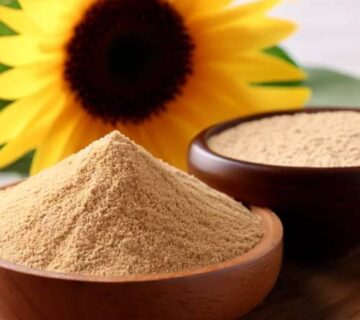
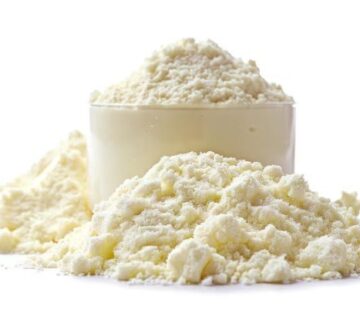
- Powdered lecithin is preferred for dry formulations, nutritional supplements, or dry mixes. It offers easier handling, better storage stability, and consistent dosage during large-scale blending.
Additional considerations:
- Always check the Certificate of Analysis (COA) to confirm phospholipid content, moisture level, and absence of impurities. A factory producing infant formula or high-end chocolates may require >95% phospholipid content and non-GMO certification.
- Evaluate your production process: high-speed mixers or spray-drying lines often perform better with powdered lecithin, whereas low-speed blending or liquid emulsions may benefit from liquid lecithin.
Tip: We have seen factories in Jordan reduce rework by up to 15% simply by switching from a generic liquid lecithin to a grade optimized for their specific line and product.
Q2: How do I store lecithin for maximum shelf life?
Lecithin is sensitive to temperature, light, and moisture, and improper storage can lead to caking, oxidation, or reduced emulsifying performance. Best practices include:
- Liquid lecithin: Store in sealed drums, away from direct sunlight, in a cool environment (15–25°C). Avoid exposure to heat sources, which can cause color darkening and decrease functional quality.
- Powdered lecithin: Keep in airtight, moisture-resistant packaging to prevent clumping or microbial growth. Ideal storage temperature is also 15–25°C, with relative humidity below 60%.
- Rotation and FIFO: Implement First-In-First-Out (FIFO) inventory management to ensure older batches are used first, preventing expiration.
Industrial insight: Factories that monitor storage conditions and use proper packaging have observed up to 12 months longer shelf life for powdered lecithin compared to poorly stored batches. Suppliers like MT Royal provide packaging solutions that help maintain lecithin integrity even in Jordan’s humid coastal areas.
Q3: Can lecithin quality affect product shelf life?
Absolutely. Lecithin directly influences the stability, texture, flavor, and appearance of your end product. Poor-quality lecithin can result in:
- Phase separation in emulsions (e.g., chocolate fat bloom, oil separation in spreads)
- Faster staling in bakery products
- Reduced creaminess or mouthfeel in margarine or dairy alternatives
- Oxidation or rancidity due to residual free fatty acids
Technical note: Phospholipid content, free fatty acid levels, and moisture content are key indicators of quality. Even minor deviations can affect long-term stability.
Practical example: A Jordanian chocolate factory switching to a high-purity, non-GMO lecithin grade noticed consistent tempering performance and longer shelf life, reducing customer complaints by 20% in six months.
Q4: How do I manage lecithin procurement for large-scale production?
Managing procurement efficiently is critical to avoid production interruptions. Key steps include:
- Accurate demand forecasting: Use historical consumption data and planned production schedules to predict lecithin needs. Over- or under-ordering can lead to waste or downtime.
- Buffer stock management: Maintain safety stock equivalent to 1–2 months of production, depending on supply chain reliability.
- Supplier partnerships: Work with suppliers experienced in industrial logistics and local regulations. Suppliers who maintain stock in Jordan reduce lead-time risks.
- Batch verification: Confirm COA for each shipment to ensure consistency across large-scale production.
Industry insight: Factories that proactively collaborate with their suppliers—sharing production forecasts and planning deliveries in advance—experience smoother operations and cost savings from bulk orders and reduced emergency shipments. We at MT Royal often assist clients in creating procurement plans tailored to seasonal production cycles and local market fluctuations.
Q5: Is there a difference between soy and sunflower lecithin in performance?
Yes, the choice between soy and sunflower lecithin impacts both regulatory compliance and functional performance:
- Soy lecithin: Traditional source, widely available, versatile, slightly higher phosphatidylcholine content. Some batches may be GMO, so verify non-GMO certification if required.
- Sunflower lecithin: Non-GMO by default, ideal for markets with strict GMO labeling requirements. Its phospholipid profile is slightly different, often resulting in faster emulsification and lighter flavor impact in sensitive formulations.
Considerations for selection:
- Product application: Chocolate and bakery products tolerate both, but health-focused nutraceuticals may prefer sunflower for labeling advantages.
- Regulatory compliance: Some export markets or Jordanian food authorities prefer non-GMO ingredients.
- Technical performance: Minor differences in viscosity, solubility, and emulsifying capacity can affect large-scale mixing and finished product quality.
We have guided multiple factories in Jordan to switch from soy to sunflower lecithin when non-GMO labeling or allergy concerns were critical, without compromising process efficiency.
Why MT Royal Stands Out as a Lecithin Supplier in Jordan
Without overemphasizing, MT Royal has earned trust among Jordanian manufacturers by offering:
- Reliable local stock of both liquid and powdered lecithin
- Competitive pricing with transparent terms
- Technical support for emulsification, blending, and scaling
- Full documentation and traceability for quality assurance
We have worked with multiple factories in Jordan, observing firsthand how such partnerships improve production stability and reduce operational risk.
Strategic Takeaways for Industrial Procurement
Lecithin, despite being a seemingly simple ingredient, plays a vital role in product quality and operational efficiency. Factories that:
- Select suppliers based on quality, reliability, and technical expertise
- Maintain adequate inventory and proper storage
- Monitor global market trends for proactive purchasing
…are better positioned to succeed in a competitive Jordanian market. Choosing the right supplier is not just about securing raw materials; it is about creating resilience, consistency, and a foundation for growth.
Manufacturers who treat lecithin sourcing as a strategic decision—rather than a transactional purchase—gain a measurable advantage: uninterrupted production, consistent product quality, and predictable costs that directly impact profitability.

No comment