


In today’s competitive manufacturing environment, sourcing high-quality ingredients is more critical than ever. For factories and production facilities in Oman, lecithin has become an indispensable component in food, pharmaceuticals, and cosmetic industries. If your goal is to streamline production while ensuring consistent quality, partnering with a reliable lecithin supplier is essential. At MT Royal, we have worked closely with industrial clients across Oman, helping them access premium lecithin that meets both regulatory standards and performance expectations.
This guide provides an in-depth look at lecithin, its industrial applications, common procurement challenges, and why MT Royal is recognized as a trusted partner for lecithin supply in Oman.
What is Lecithin? Fundamental Concepts
Lecithin is a naturally occurring fatty substance found in plant and animal tissues, primarily extracted from soybeans, sunflower seeds, and eggs. Its unique chemical properties make it an effective emulsifier, stabilizer, and lubricant in various industrial applications.
Key characteristics of lecithin include:
- Emulsification: Facilitates blending of oil and water-based components.
- Texture enhancement: Improves mouthfeel in food products.
- Stability: Prevents separation in cosmetic creams and pharmaceutical formulations.
- Processing aid: Reduces friction in machinery during manufacturing.
For industrial buyers, understanding these fundamental properties is critical when evaluating lecithin suppliers. The purity, phospholipid content, and moisture level can significantly impact production efficiency and product quality.
Common Mistakes in Industrial Lecithin Procurement
Even seasoned production managers encounter pitfalls when sourcing lecithin. Some of the most frequent mistakes include:
- Overlooking supplier reliability
Many buyers focus solely on price, neglecting the supplier’s track record. Inconsistent deliveries or fluctuating product quality can halt production lines. We at MT Royal have consistently ensured on-time delivery and quality verification for our clients, mitigating such risks. - Ignoring specification details
Lecithin comes in various forms, such as liquid, granules, and powder. Using the wrong type can lead to mixing challenges or product instability. Confirming specifications with your supplier is essential. - Neglecting storage and handling requirements
Lecithin is sensitive to temperature and moisture. Improper storage can degrade quality. Industrial partners often underestimate this aspect, resulting in product waste. - Limited awareness of regulatory compliance
In Oman, adhering to local food safety and pharmaceutical regulations is mandatory. Partnering with a supplier familiar with compliance ensures your factory avoids legal and operational setbacks.

Selecting the Right Lecithin Supplier in Oman
When evaluating suppliers, consider both qualitative and logistical factors:
- Product quality and consistency: Check for certifications such as ISO or HACCP.
- Supply chain reliability: Ensure the supplier can meet high-volume demands.
- Technical support: The supplier should provide guidance on optimal usage and formulation.
- Competitive pricing: Balance cost-effectiveness with quality assurance.
At MT Royal, we integrate these criteria into our service, offering customized solutions that meet industrial needs while maintaining competitive pricing. Our team has observed firsthand how strategic supplier partnerships streamline operations and reduce production downtime.
Industrial Applications of Lecithin
Understanding lecithin’s industrial relevance is vital for making informed purchasing decisions. Major applications include:
Food Industry
Lecithin is extensively used in:
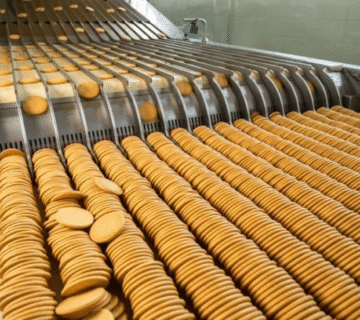
- Bakery products: Enhances dough elasticity and extends shelf life.
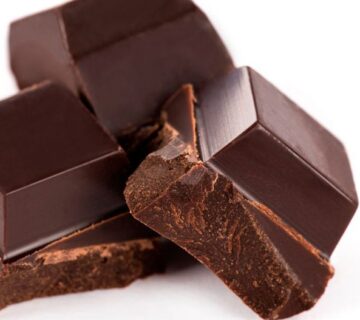
- Chocolate and confectionery: Improves viscosity, reduces cocoa butter usage, and prevents sugar crystallization.
- Processed foods: Stabilizes emulsions in mayonnaise, dressings, and spreads.
Pharmaceutical and Nutraceutical Industry
- Capsule production: Acts as a lubricant to facilitate smooth encapsulation.
- Active ingredient delivery: Enhances bioavailability of lipophilic compounds.
- Functional foods: Provides phospholipids beneficial for brain and liver health.
Cosmetics and Personal Care
- Creams and lotions: Improves texture and stability.
- Shampoos and conditioners: Functions as an emulsifier for oil-water blends.
- Lip balms and makeup: Provides smooth application and prevents separation.
By understanding these applications, industrial buyers can better match lecithin type and supplier capabilities to their production requirements.
Key Considerations for Large-Scale Production
Scaling production requires attention to factors that may not impact small-batch operations. Industrial buyers should focus on:
- Batch consistency: Ensure each shipment matches prior specifications. Variations in moisture content or phospholipid percentage can affect production yield.
- Storage optimization: Implement climate-controlled storage to prevent lecithin degradation.
- Process integration: Choose lecithin form (liquid, granule, powder) based on mixing and heating processes.
- Regulatory documentation: Maintain certificates of analysis and compliance records for traceability.
At MT Royal, we have guided manufacturers in Oman to streamline bulk procurement while minimizing risk, ensuring each batch aligns with production standards.
Frequently Asked Questions by Factory Managers
Q1: What is the difference between liquid and powdered lecithin?
Liquid lecithin dissolves quickly in oil-based formulations, making it suitable for chocolate and margarine. Powdered lecithin, with longer shelf life, is easier to handle in dry mixing applications.
Q2: How can we ensure consistent lecithin quality?
Partner with a supplier that provides Certificates of Analysis (CoA) for each batch. We also recommend periodic in-house testing to verify key parameters.
Q3: What is the ideal storage condition for lecithin in Oman?
Lecithin should be stored in cool, dry, and dark conditions, ideally below 25°C. Humidity must be controlled to avoid caking or oxidation.
Q4: Can lecithin usage reduce production costs?
Yes, efficient lecithin use improves product yield, reduces raw material waste, and enhances process efficiency. Our clients have reported measurable savings when integrating lecithin strategically.
MT Royal: Trusted Lecithin Supplier in Oman
Choosing the right supplier goes beyond product specifications—it’s about trust, reliability, and technical expertise. MT Royal stands out in the Omani market because we:
- Maintain a diverse portfolio of lecithin types to suit multiple industrial applications.
- Offer technical support to optimize formulation and integration into production processes.
- Ensure competitive pricing without compromising quality.
- Have a proven track record of consistent, timely delivery across Oman.
We have observed that when factories collaborate with a supplier who understands both the product and industrial constraints, operational efficiency increases, and production risks decrease. By working with MT Royal, you gain a partner invested in your manufacturing success.

Strategic Tips for Procurement Teams
- Assess your production needs: Evaluate whether liquid, granular, or powdered lecithin fits your process.
- Verify supplier credentials: Request certifications and quality reports.
- Plan inventory carefully: Avoid overstocking yet ensure uninterrupted production.
- Leverage supplier expertise: Discuss formulation improvements and cost-saving techniques.
These steps not only ensure smooth production but also strengthen your overall supply chain resilience.
Industry Trends and Insights
The global lecithin market is evolving rapidly, influenced by:
- Shift towards non-GMO and organic lecithin due to consumer demand.
- Rising demand in pharmaceuticals and functional foods.
- Technological advancements in extraction and refinement improving purity and consistency.
Factories in Oman can capitalize on these trends by sourcing high-quality lecithin that aligns with international standards. MT Royal is at the forefront of these developments, providing products that meet evolving industrial requirements.
Conclusion
Securing a reliable lecithin supplier in Oman is more than a procurement task—it’s a strategic decision that directly affects your product quality, operational efficiency, and cost management. By partnering with MT Royal, you access high-quality lecithin, expert guidance, and a dependable supply chain.
Industrial buyers who understand the nuances of lecithin use, storage, and integration gain a competitive edge, ensuring their production processes are efficient, compliant, and future-ready. In the ever-evolving industrial landscape, a supplier who combines quality, expertise, and reliability is not just a vendor—it’s a partner in your success.

No comment