

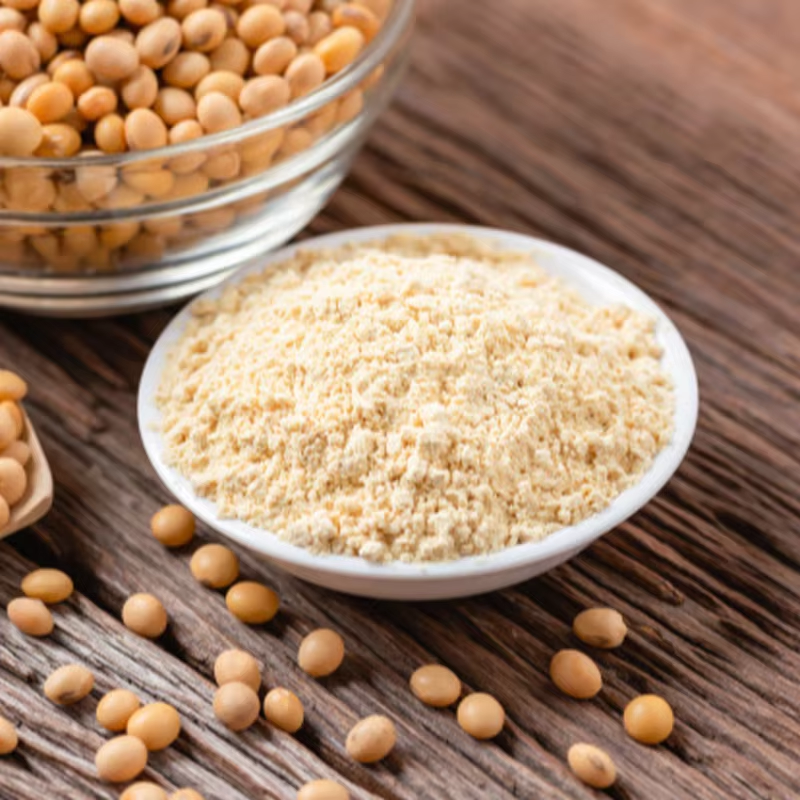
For Sudanese manufacturers, sourcing high-quality lecithin is more than a procurement task—it is a strategic decision that impacts product quality, consistency, and overall production efficiency. Lecithin, a natural emulsifier derived from soybeans, sunflower seeds, or eggs, is essential in food, confectionery, pharmaceutical, and industrial applications.
Partnering with a trusted supplier like MT Royal ensures your factory receives lecithin that meets international quality standards, supports large-scale production, and arrives reliably. Over the years, we have observed that consistent supply, technical guidance, and competitive pricing are the pillars of successful procurement for Sudanese industries.
This comprehensive guide addresses every aspect of sourcing lecithin in Sudan, from understanding types and grades to supplier selection, industrial applications, and best practices for high-volume production.
Understanding Lecithin: Definition and Industrial Significance
What Is Lecithin?
Lecithin is a group of phospholipids known for their emulsifying, stabilizing, and dispersing properties. Its applications vary across industries:
- Food industry: Acts as an emulsifier, preventing separation in chocolate, bakery, margarine, and sauces.
- Pharmaceuticals: Improves bioavailability, stability, and texture in tablets, capsules, and nutraceuticals.
- Cosmetics and personal care: Enhances texture, spreadability, and stability of creams and lotions.
- Industrial applications: Serves as a dispersing agent, lubricant, or anti-sticking agent in non-food products.
Common Grades of Lecithin
Factories should select the appropriate grade to meet their operational requirements:
- Food-grade lecithin: Used in chocolates, bakery, margarine, and dairy applications.
- Pharmaceutical-grade lecithin: Purity meets pharmacopoeia standards for tablets, capsules, and supplements.
- Industrial-grade lecithin: Suitable for paints, plastics, and other non-food manufacturing applications.
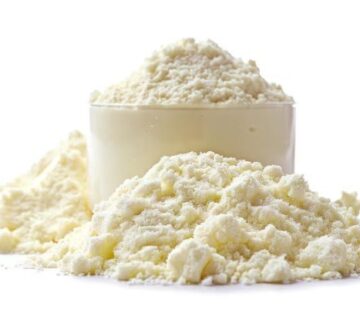
Each grade differs in phosphatidylcholine content, moisture levels, and physical form (liquid, granules, or powder), which affects its performance in production.
Common Procurement Mistakes in Sourcing Lecithin
Many factories face challenges that can disrupt production if not addressed:
- Focusing solely on price: Low-cost lecithin may contain inconsistent phospholipid content, affecting product performance.
- Neglecting supplier certification: ISO and batch-specific certificates ensure compliance with quality and safety standards.
- Ignoring storage requirements: Lecithin is sensitive to moisture, heat, and light, which can compromise functionality.
- Overlooking logistics and delivery schedules: Delays in shipment can halt production lines, especially in large-scale operations.
Avoiding these mistakes ensures smooth production, product consistency, and regulatory compliance.
Selecting a Reliable Lecithin Supplier in Sudan
Key Considerations
- Quality Assurance: Certificates of analysis, ISO standards, and batch traceability are essential.
- Consistent Supply: Supplier should maintain reliable stock and fulfill bulk orders efficiently.
- Technical Support: Expert guidance on dosage, formulation, and process optimization adds significant value.
- Competitive Pricing: Transparent pricing ensures cost-effective procurement without compromising quality.
- Regulatory Compliance: Ensure lecithin complies with Sudanese import regulations and food safety standards.
MT Royal combines these capabilities, offering verified lecithin from global manufacturers directly to Sudanese factories while providing technical support and logistics coordination.
Industrial Applications of Lecithin in Sudan
Food and Beverage Applications
- Chocolate and confectionery: Prevents sugar bloom, improves viscosity, and ensures smooth texture.
- Bakery products: Enhances dough consistency, shelf life, and volume in bread, cakes, and pastries.
- Dairy products: Improves emulsification and texture in margarine, spreads, and processed cheese.
- Beverages: Stabilizes emulsions in drinks and improves mouthfeel.
Pharmaceutical Applications
- Tablets and capsules: Acts as a lubricant and improves bioavailability of active ingredients.
- Nutraceuticals: Enhances solubility and absorption in supplements.
- Topical formulations: Improves spreadability and stability of creams and ointments.
Industrial Applications
- Plastics and polymers: Acts as a dispersing agent and stabilizer.
- Paints and coatings: Enhances viscosity and prevents separation.
- Lubricants: Reduces friction and improves processing efficiency in various industrial operations.
High-Volume Production: Best Practices
For factories producing lecithin-based products at scale:
- Proper storage: Maintain cool, dry, and light-protected environments to preserve functionality.
- Accurate dosing: Integrate lecithin correctly into formulations to ensure consistency.
- Supplier partnerships: Long-term relationships secure supply, technical guidance, and flexible delivery.
- Quality monitoring: Conduct regular testing of incoming batches for phospholipid content, moisture, and purity.
These measures help maintain production efficiency, minimize waste, and guarantee product quality.
Frequently Asked Questions
Q: How can I verify lecithin quality before purchase?
A: Request certificates of analysis, ISO certifications, and consider pre-shipment inspections for compliance.
Q: Are different lecithin grades available from one supplier?
A: Yes, reputable suppliers like MT Royal provide food, pharmaceutical, and industrial grades for diverse applications.
Q: How should lecithin be stored in Sudan?
A: Store in moisture-resistant packaging, under cool, dry, and light-protected conditions to maintain quality.
Q: Does MT Royal provide technical support?
A: Yes, MT Royal offers expert guidance on dosage, formulation integration, and production optimization.
Comparing Lecithin Suppliers: Key Differentiators
| Criteria | Reliable Supplier | Less Reliable Supplier |
|---|---|---|
| Product consistency | High | Variable |
| Certification & traceability | ISO and batch reports | Limited or missing |
| Technical support | Expert guidance | Minimal |
| Supply stability | Regular stock and flexible delivery | Frequent shortages |
| Cost transparency | Fair, predictable pricing | Low price, hidden risks |
Choosing a supplier that meets these criteria ensures smoother production, regulatory compliance, and long-term cost efficiency.
The MT Royal Advantage for Sudanese Manufacturers
We have observed that factories combining high-quality raw materials with reliable supplier partnerships achieve superior operational outcomes. MT Royal provides:
- Verified lecithin from globally recognized manufacturers
- Competitive pricing for bulk and recurring orders
- Technical support for dosage, application, and production integration
- Comprehensive logistics and regulatory compliance support for Sudanese imports
This approach allows manufacturers to focus on efficiency, innovation, and market competitiveness rather than supply chain challenges.
Transforming Lecithin Procurement into a Strategic Asset
Sourcing lecithin in Sudan is not merely a procurement activity—it is a strategic decision that impacts product quality, operational efficiency, and cost management. Partnering with experienced suppliers like MT Royal, implementing quality control, and optimizing storage and handling transforms lecithin procurement into a reliable, high-value component of industrial operations.
Effective sourcing, combined with technical expertise and dependable logistics, ensures lecithin is delivered on time, performs consistently, and supports scalable manufacturing processes. This strategic approach positions your factory for long-term success and operational excellence.


No comment