

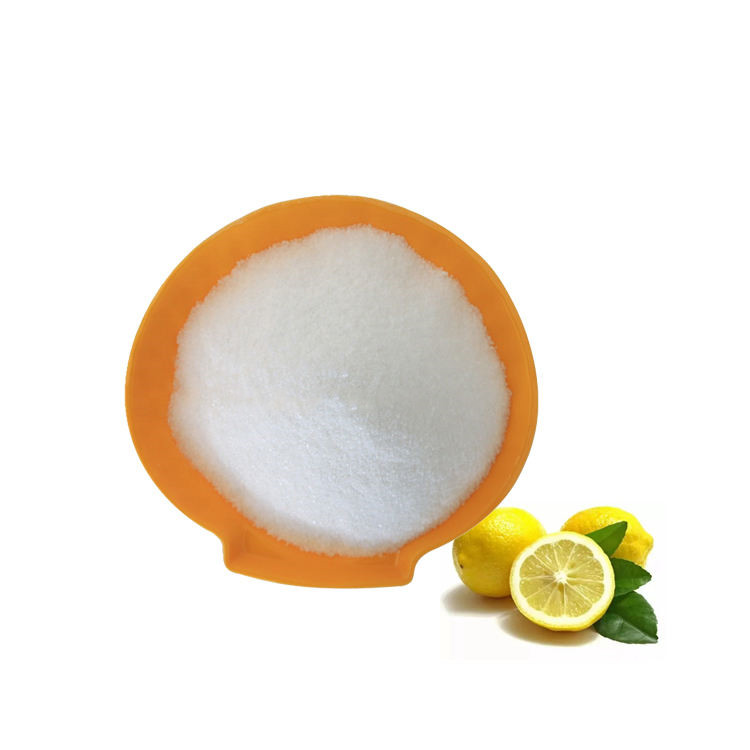
The Libyan food industry is quietly entering a new phase. While much of the international focus has remained on reconstruction, energy, and infrastructure, a more subtle yet strategic transformation is taking place inside factories, processing plants, and procurement departments across the country. At the heart of this shift lies a growing and increasingly sophisticated Libyan demand for food-grade citric acid—a demand driven not by trends, but by necessity.
For food and beverage manufacturers in Libya, citric acid is no longer just another additive. It is a critical functional ingredient that influences shelf life, taste stability, regulatory compliance, and ultimately consumer trust. Companies that secure reliable, food-grade citric acid sources gain a tangible competitive edge in a market where supply continuity is often the biggest operational risk.
This is precisely where experienced international suppliers such as MT Royal play a strategic role. By connecting Libyan manufacturers to consistent, certified, and competitively priced food-grade citric acid from multiple origins, we help factories stabilize production lines and plan growth with confidence. In our work with regional food producers, we have seen firsthand how the right sourcing decision can transform operational efficiency.
What follows is a deep, practical, and industry-focused exploration of Libyan demand for food-grade citric acid—written for decision-makers who want clarity, not marketing noise.
latamarko alkalized cocoa powder lm60
cocoa powder for chocolate production-Best price
Food industry raw materials – list of products
Types of Gelatin from Turkish Manufacturer
Alkalized Cocoa Powder Bulk Supplier
Understanding Food-Grade Citric Acid in Industrial Food Production
Food-grade citric acid is a naturally occurring organic acid, most commonly produced through fermentation of carbohydrates such as corn or sugar beet. In industrial food manufacturing, its importance extends far beyond simple acidity.
Core Functional Roles of Food-Grade Citric Acid
In Libyan food processing plants, citric acid is widely used for:
- pH regulation in beverages, sauces, dairy products, and canned foods
- Flavor enhancement, especially in soft drinks and fruit-based products
- Preservation, by inhibiting microbial growth
- Chelating properties, stabilizing color and preventing oxidation
- Texture improvement in jams, jellies, and confectionery
The versatility of citric acid explains why Libyan demand for food-grade citric acid continues to rise in parallel with domestic food production capacity.
Unlike technical or industrial-grade citric acid, food-grade material must meet strict purity, solubility, and safety standards. Any deviation directly affects product consistency and regulatory approval—risks no serious manufacturer can afford.
Why Libyan Demand for Food-Grade Citric Acid Is Increasing
Several structural factors are driving sustained growth in Libyan demand for food-grade citric acid, making it one of the most strategically important ingredients in the country’s food supply chain.
Expansion of Local Food Manufacturing
Libya has been steadily reducing reliance on fully imported finished food products. Instead, local processing of beverages, dairy items, sauces, and packaged foods is increasing. Each of these segments relies heavily on citric acid as a formulation backbone.
Changing Consumer Preferences
Libyan consumers are becoming more quality-conscious. Shelf stability, consistent flavor, and visual appeal now matter more than ever. Citric acid plays a silent but decisive role in delivering these attributes.
Regulatory and Shelf-Life Requirements
Food safety authorities increasingly demand standardized formulations with predictable preservation behavior. Citric acid enables manufacturers to meet shelf-life expectations without resorting to aggressive preservatives.
Cost Efficiency in Formulation
From a formulation economics perspective, citric acid remains one of the most cost-effective multifunctional additives. As raw material prices fluctuate globally, Libyan manufacturers look for ingredients that deliver multiple benefits per unit cost.
Key Applications Driving Libyan Demand for Food-Grade Citric Acid
Beverage Industry
Soft drinks, powdered juices, flavored waters, and syrups represent the largest single driver of Libyan demand for food-grade citric acid. It ensures flavor brightness, stabilizes sweeteners, and maintains microbial safety.
Dairy and Fermented Products
In yogurt, flavored milk, and processed cheese, citric acid supports texture control and acidity balance. Its use is particularly important in high-temperature processing environments common in North Africa.
Canned Foods and Sauces
Tomato paste, ready meals, and canned vegetables depend on citric acid for pH control and oxidation prevention, especially during long storage periods.
Confectionery and Bakery
From gummies to fillings and fruit-flavored pastries, citric acid contributes to taste differentiation and consistency across production batches.
Common Mistakes in Industrial Sourcing of Citric Acid in Libya
Despite its importance, many procurement teams underestimate the complexity of sourcing citric acid correctly.
Focusing Only on Price
Low-cost offers often come with inconsistent particle size, poor solubility, or unstable acidity. These hidden issues increase production downtime and waste.
Ignoring Origin and Fermentation Source
Different production origins can influence performance in sensitive formulations. Experienced manufacturers test and standardize suppliers carefully.
Overlooking Documentation and Compliance
Missing certificates of analysis, incomplete MSDS files, or unclear food-grade certifications create serious compliance risks—especially for export-oriented producers.
Lack of Supplier Continuity
Switching suppliers frequently to chase short-term price reductions often leads to formulation inconsistencies and recalibration costs.
In our experience working with food factories, stable sourcing almost always outperforms opportunistic purchasing in the long run.
Comparing Global Supply Sources for Food-Grade Citric Acid
Libyan buyers typically encounter food-grade citric acid from several major producing regions:
Asian-Origin Citric Acid
Widely available and cost-competitive, often preferred for high-volume beverage production. Quality varies significantly between manufacturers.
European-Origin Citric Acid
Known for consistency and documentation quality, commonly used in sensitive food and pharmaceutical-adjacent applications.
Multi-Origin Supply Strategies
Many advanced manufacturers adopt blended sourcing strategies to balance cost, availability, and risk.
At MT Royal, we specialize in offering multiple branded options, allowing Libyan buyers to select the most suitable grade for their exact application rather than forcing a one-size-fits-all solution.

Industrial Considerations for Large-Scale Food Production
When citric acid consumption reaches industrial scale, technical details matter.
Particle Size and Solubility
Fine, uniform granulation improves dissolution speed in beverage lines and reduces filtration load.
Hygroscopic Behavior
Improper storage conditions can cause clumping, affecting dosing accuracy.
Compatibility with Other Ingredients
Citric acid interacts with sweeteners, stabilizers, and colorants. Predictable performance simplifies formulation control.
Storage and Shelf Stability
Food-grade citric acid must maintain chemical stability in hot and humid environments—a critical factor for Libyan warehouses.
We have seen production teams significantly reduce batch variability simply by switching to a more consistent citric acid specification.
Frequently Asked Questions from Libyan Procurement Managers
Is all food-grade citric acid functionally identical?
No. While chemically similar, performance varies based on purity, granulation, and fermentation source.
Can citric acid replace other preservatives?
In many formulations, yes—but only within carefully controlled pH ranges.
How important is supplier traceability?
Extremely important. Traceability protects your brand, your exports, and your regulatory standing.
What is the optimal packaging for Libyan conditions?
Moisture-resistant, sealed packaging with clear batch identification is essential.
The Role of Trusted Suppliers in a Volatile Market
Supply chain disruptions, freight volatility, and currency fluctuations make ingredient sourcing increasingly complex. This is why Libyan manufacturers are shifting from transactional purchasing toward strategic supplier partnerships.
At MT Royal, we don’t position ourselves as a seller of citric acid, but as a supply partner. We work with multiple global producers, enabling us to adapt quickly when markets shift. We have seen that factories with stable ingredient partners experience fewer production stoppages, lower formulation drift, and better long-term cost control.
Using “we” here is intentional—because we operate inside the realities of industrial production, not outside them.
Strategic Outlook: What Lies Ahead for Libyan Demand for Food-Grade Citric Acid
Looking forward, Libyan demand for food-grade citric acid is expected to grow steadily rather than explosively. This is good news. Sustainable growth favors manufacturers who invest in consistency, quality control, and reliable sourcing.
As domestic brands strengthen and regional export ambitions expand, citric acid will remain a foundational ingredient—quietly shaping taste, safety, and shelf life behind the scenes.
Factories that treat it as a strategic input rather than a commodity will outperform competitors who continue to chase the lowest price per ton.
The difference is rarely visible on paper, but it is always evident on the production floor.

No comment