

For manufacturers and industrial buyers importing goods from TÜRKİYE, logistics is not just about moving products from one place to another—it’s about timing, cost, reliability, and risk management. Selecting the wrong transport mode can delay production, increase landed costs, and disrupt your carefully planned supply chain.
This is where strategic partners like MT Royal make a tangible difference. By understanding not only Turkish manufacturing capabilities but also the nuances of ocean, air, and rail freight to the U.S., MT Royal helps factories optimize cost, speed, and flexibility while maintaining compliance and quality standards. We have seen firsthand that logistics planning is just as critical as sourcing strategy when it comes to profitable, scalable operations.
This guide is designed for procurement managers, factory owners, and supply chain professionals who need an in-depth understanding of U.S. import logistics from Türkiye, including cost-benefit analysis, operational risks, and real-world best practices.
Understanding the Basics of International Freight
Key Concepts Every Manufacturer Should Know
Before diving into modes of transport, it’s essential to understand core concepts that influence logistics decisions:
- Lead time: Total duration from factory dispatch to warehouse receipt.
- Incoterms: Standardized terms like FOB, CIF, DDP, which define cost and risk responsibilities.
- Landed cost: Total cost including product price, freight, duties, insurance, and ancillary fees.
- Supply chain visibility: Ability to track shipments in real-time to anticipate delays and manage risk.
These factors shape which logistics option is optimal for your factory’s operational needs.
Common Mistakes in Industrial Sourcing Logistics
We often observe that factories new to Turkish imports make avoidable errors, such as:
- Choosing ocean freight for high-value, time-sensitive products
- Underestimating air freight costs or weight limitations
- Ignoring customs clearance procedures when evaluating rail options
- Failing to consolidate shipments, leading to higher per-unit costs
Avoiding these mistakes requires both technical knowledge and practical experience with Turkish supply chains—a combination that MT Royal consistently provides.
Ocean Freight: The Backbone of Bulk Imports
Advantages of Ocean Freight
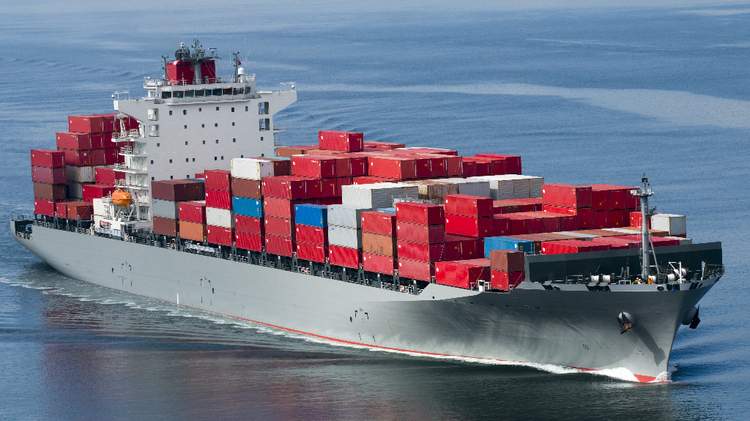
Ocean freight remains the most widely used mode for U.S. imports from Türkiye, particularly for large volumes of industrial raw materials, chemicals, and agricultural derivatives. Key benefits include:
- Cost-efficiency: Lower per-unit cost for bulk shipments compared to air or rail
- Capacity flexibility: Suitable for oversized and palletized cargo
- Environmental impact: Relatively lower carbon footprint per ton compared to air transport
Considerations and Limitations
- Longer transit times: Typically 20–40 days from major Turkish ports to U.S. East or West Coast ports
- Port congestion risk: Delays may occur at customs or major ports like New York, Houston, or Los Angeles
- Additional handling: Multiple touchpoints increase risk of damage or misrouting
Tips for High-Volume Importers
We have seen that factories importing at scale benefit from:
- Container optimization: Using full container loads (FCL) rather than less-than-container loads (LCL) to reduce per-unit handling costs
- Pre-shipment inspections: Ensuring goods meet specifications before loading to prevent costly returns
- Port selection strategy: Choosing U.S. ports closer to final warehouse or production facilities to reduce inland transport costs
Air Freight: Speed Over Volume
Advantages of Air Freight
Air freight is ideal when speed and product integrity are critical. Typical scenarios include:
- Urgent chemical additives for production
- High-value ingredients or components
- Seasonal or promotional products requiring tight schedules
Benefits include:
- Rapid transit times: 3–7 days from Turkey to the U.S.
- High security: Reduced handling and lower risk of damage or theft
- Predictable schedules: Less affected by port congestion
Considerations and Limitations
- Higher cost: Per-unit rates are significantly higher than ocean or rail
- Weight and volume limitations: Airlines impose strict restrictions on cargo dimensions and total weight
- Regulatory restrictions: Certain hazardous or sensitive goods may face additional documentation or prohibitions
Air Freight Strategies for Industrial Buyers
- Consolidation: Grouping shipments reduces per-unit costs
- Hybrid shipping: Use air for urgent batches while sending bulk via ocean
- Insurance coverage: Critical for high-value shipments, protecting against delays or damage

Rail Freight: The Emerging Middle Ground
Advantages of Rail Freight
Rail transport is gaining attention as an intermediate option between ocean and air, particularly for shipments involving multimodal transport. Key advantages include:
- Faster than ocean, more cost-effective than air: Transit times from Turkish gateways to U.S. hubs can be significantly shorter than ocean
- Lower carbon footprint than air: Rail is increasingly recognized as a sustainable option
- Capacity for bulk shipments: Rail cars can handle substantial loads, including containers from Turkish ports
Limitations and Considerations
- Limited infrastructure: Rail routes may require integration with sea or inland transport
- Transit predictability: Dependent on border controls and rail scheduling
- Documentation requirements: Multimodal shipments often involve complex compliance paperwork
Optimizing Rail for Industrial Imports
Factories importing from Türkiye can benefit from combining rail with ocean freight for containerized shipments, allowing predictable transit times without incurring the high costs of air. Proper planning of departure schedules and consolidation hubs is essential.
Comparing Ocean, Air, and Rail: A Practical Guide
| Feature | Ocean Freight | Air Freight | Rail Freight |
|---|---|---|---|
| Cost per unit | Low | High | Medium |
| Transit time | Long (20–40 days) | Short (3–7 days) | Medium (10–20 days) |
| Cargo size | Unlimited | Limited | Large, container-based |
| Risk of damage | Moderate | Low | Moderate |
| Environmental impact | Low | High | Low-Medium |
| Best use case | Bulk industrial goods | Urgent or high-value goods | Medium-priority, containerized shipments |
By evaluating your factory’s priorities—cost, speed, reliability, or sustainability—you can determine which mode aligns with operational goals.
Common Logistics Mistakes and How to Avoid Them
- Ignoring lead time requirements: Plan shipments based on production schedules, not just supplier readiness
- Overlooking documentation and customs compliance: Delays in clearance can erase transit-time advantages
- Choosing the cheapest option without evaluating risk: Unexpected delays or damage can outweigh initial savings
- Neglecting multimodal options: Combining modes often achieves optimal balance between cost and speed
At MT Royal, we guide factories to avoid these pitfalls, leveraging years of experience in Turkish-U.S. logistics.
Industrial Tips for Large-Scale Importers
- Use predictive planning: Align shipment schedules with production cycles
- Maintain supplier communication: Regular updates prevent surprises
- Leverage container tracking: Real-time visibility allows proactive mitigation of delays
- Invest in risk management: Insurance and contingency plans protect high-value shipments
Frequently Asked Questions from Procurement and Logistics Teams
Q: Which mode is best for urgent chemical imports?
A: Air freight is optimal for small, time-sensitive orders. For larger volumes, consider a combination of ocean and air for priority batches.
Q: Can I switch modes mid-shipment?
A: Only through multimodal planning. Switching without coordination can increase costs and compliance risk.
Q: How do I calculate landed cost accurately?
A: Include product cost, freight, insurance, duties, and local transport. MT Royal helps buyers model different scenarios to optimize cost and timing.
Q: Are Turkish suppliers familiar with U.S. logistics requirements?
A: Reputable manufacturers are aware, but collaboration with a partner experienced in Turkish-U.S. logistics ensures smooth operations.
The MT Royal Advantage in Turkish-U.S. Freight Management
We have seen that factories achieve the best outcomes when logistics decisions are integrated into overall sourcing strategy. At MT Royal, we provide:
- In-depth knowledge of Turkish manufacturing capabilities
- Guidance on selecting the most efficient mode for your needs
- Coordination of inspections, documentation, and compliance
- Proactive solutions for cost, risk, and timing optimization
Our experience shows that logistics is not just a cost center—it is a strategic lever for manufacturing success.
Closing Perspective
For U.S. manufacturers sourcing from Türkiye, ocean, air, and rail freight are far more than simple transportation methods—they are critical strategic tools. Each option comes with distinct advantages, operational considerations, and limitations that directly impact your supply chain efficiency, cost structure, and ability to meet production timelines. Choosing the right mode—or combination of modes—is not just a logistical decision; it is a business decision that can influence your competitive positioning, customer satisfaction, and profitability.
Ocean freight offers cost-effective bulk movement but requires careful planning around lead times and port operations. Air freight provides unmatched speed and reliability for high-value or time-sensitive goods, though at a premium cost. Rail freight presents a balanced alternative, bridging the gap between speed and cost while offering flexibility for containerized shipments. Understanding these nuances allows procurement teams to optimize their supply chain not just for price, but for resilience, consistency, and operational predictability.
When factories integrate logistics planning into overall procurement and production strategy, the benefits multiply. By aligning shipment modes with production schedules, inventory requirements, and risk management protocols, companies gain visibility and control over every stage of their supply chain. Working with experienced partners like MT Royal ensures that every shipment from Türkiye is handled with precision—from route planning and consolidation to customs compliance, documentation, and real-time tracking. This proactive approach reduces unexpected delays, minimizes damage risks, and optimizes landed costs, giving factories the confidence to scale operations without compromising quality or delivery timelines.



No comment