

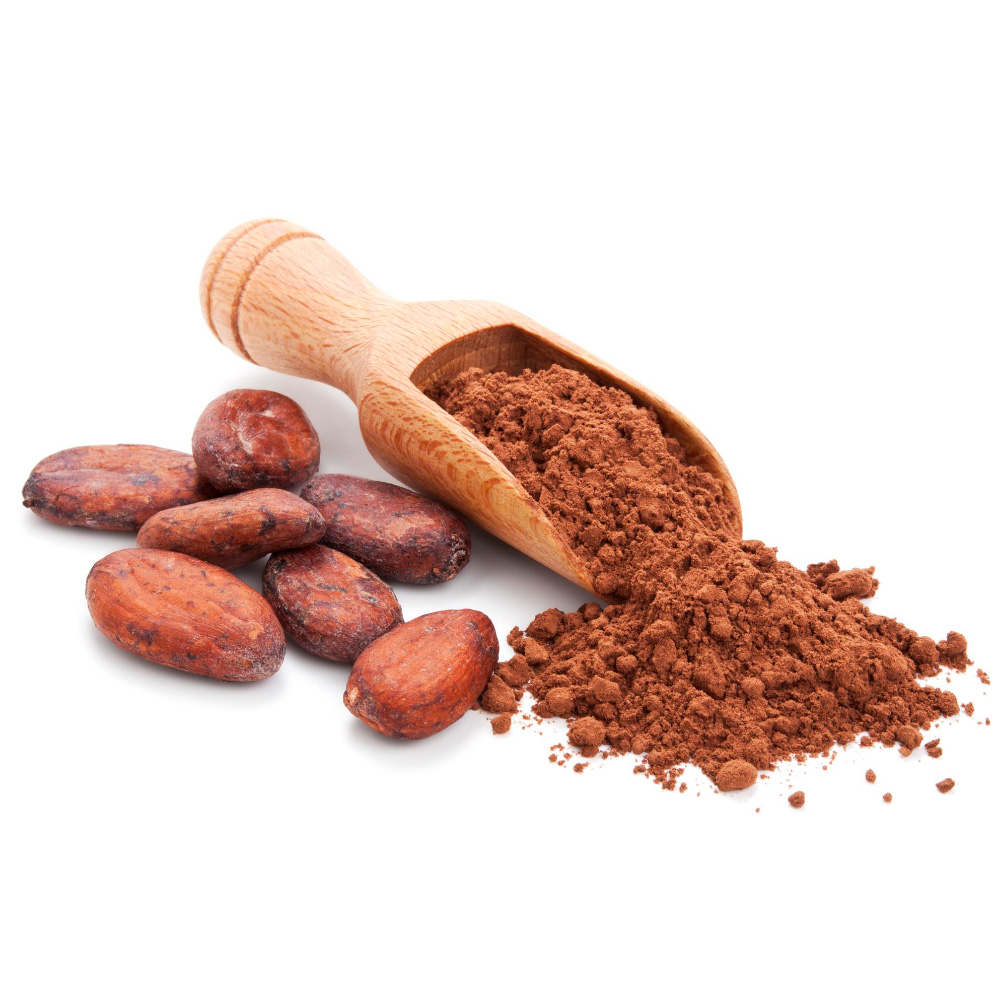
There’s something fascinating about cocoa. It’s one of the few ingredients that can transform a simple recipe into a sensory experience — whether it’s a biscuit, chocolate drink, or protein-enriched bar rolling off a factory line. But not all cocoa powders are created equal, and one specific variant has been quietly redefining efficiency in large-scale food production: low-fat alkalized cocoa powder.
If you’re a factory owner, production manager, or procurement specialist, this ingredient isn’t just another SKU. It’s a strategic tool for balancing cost, functionality, and product performance. Understanding its technical nuances and market dynamics can be the difference between thin margins and profitable scalability.
At MT Royal, we’ve supplied cocoa-based ingredients to manufacturing facilities across multiple industries — and we’ve watched low-fat alkalized cocoa powder become the workhorse of cost-efficient, high-volume production. It’s the ingredient that quietly delivers stability, flavor, and color — without overloading formulations with fat or cost.
Let’s explore what makes it indispensable for industrial buyers and why knowing the details behind its price, performance, and sourcing could sharpen your production strategy in 2025 and beyond.
What Exactly Is Low-Fat Alkalized Cocoa Powder?
In simple terms, low-fat alkalized cocoa powder is cocoa powder that has undergone two key transformations:
- Defatting – where cocoa butter is partially removed, reducing fat content (typically to 10–12%).
- Alkalization (Dutching) – where the cocoa solids are treated with an alkaline solution, usually potassium carbonate, to neutralize acidity and enhance flavor, solubility, and color.
The result? A fine, rich brown powder that’s smoother, more soluble, and more consistent than natural cocoa powder — and crucially, lighter in fat.
In manufacturing environments, this means several advantages:
- Easier mixing with dry ingredients and liquids
- More predictable flavor development
- Reduced viscosity in doughs and batters
- Better dispersibility in beverages and instant mixes
When scaled to industrial volumes, these characteristics translate directly into operational savings and product uniformity — two metrics every production manager values.
Why Manufacturers Are Turning to Low-Fat Alkalized Cocoa Powder
Modern manufacturing isn’t just about taste; it’s about throughput efficiency, cost control, and sensory precision. Here’s why low-fat alkalized cocoa powder has become a go-to choice for high-volume producers.
1. Lower Fat, Higher Functionality
While full-fat cocoa powders (20–22%) deliver richer mouthfeel, they can cause excessive oiliness or processing challenges in some formulations. In contrast, low-fat versions provide more control over the final fat ratio, especially in products that already contain oils, milk fats, or emulsifiers.
A biscuit or wafer line, for example, benefits from this balance — less risk of oil migration, fewer rejects, and longer shelf stability.
2. Process Consistency
Because alkalization improves dispersibility, low-fat alkalized cocoa powder blends more evenly in industrial mixers. This reduces mixing time, minimizes clumping, and ensures uniform flavor and color distribution. For continuous production systems, that translates into reduced downtime and better batch predictability.
3. Stable Color and pH
Alkalization adjusts pH to around 7–8, giving cocoa powder its signature dark brown hue and mild flavor. This stability ensures that color doesn’t shift during baking or pasteurization — a major advantage for industrial chocolate drinks, bakery fillings, and coatings.
4. Cost Efficiency
Less fat means lower cost. Since cocoa butter is one of the most expensive components of the bean, removing it makes low-fat variants more affordable while maintaining flavor integrity. When factories are running hundreds of tons per quarter, this small price difference compounds into substantial savings.
At MT Royal, we’ve seen factories lower total formulation costs by 8–15% simply by switching from full-fat to low-fat alkalized cocoa powder — without sacrificing quality.
Industrial Applications: Where Low-Fat Alkalized Cocoa Powder Excels
Let’s take a closer look at where and how this ingredient earns its keep across production sectors.
➤ Bakery & Biscuits
Low-fat alkalized cocoa powder provides deep color and balanced chocolate flavor without making dough oily. Its consistent moisture absorption also supports better dough stability and even baking.
Use Case Example:
A biscuit manufacturer using high-fat cocoa noticed patchy coloring on product surfaces. After switching to a low-fat alkalized powder sourced via MT Royal, the line achieved consistent hue and reduced breakage by 6%.
➤ Confectionery & Coatings
In compound chocolate and wafer coatings, fat levels must be controlled precisely. Low-fat alkalized cocoa powder allows formulators to maintain viscosity balance without thinning or overloading with cocoa butter equivalents.
➤ Beverages
For ready-to-drink chocolate milk, malted beverages, and instant cocoa mixes, dispersibility is everything. Low-fat alkalized powder dissolves faster, reducing mixing times and preventing sedimentation — essential for automated filling lines.
➤ Protein and Nutritional Products
Functional foods demand stable flavors and smooth texture. The low-fat alkalized variety integrates seamlessly into protein shakes, energy bars, and fortified beverages, providing flavor without excess calories.
➤ Dairy Desserts & Ice Cream
Because of its lighter fat composition, it combines efficiently with milk solids and emulsifiers, ensuring smooth, creamy results without phase separation.
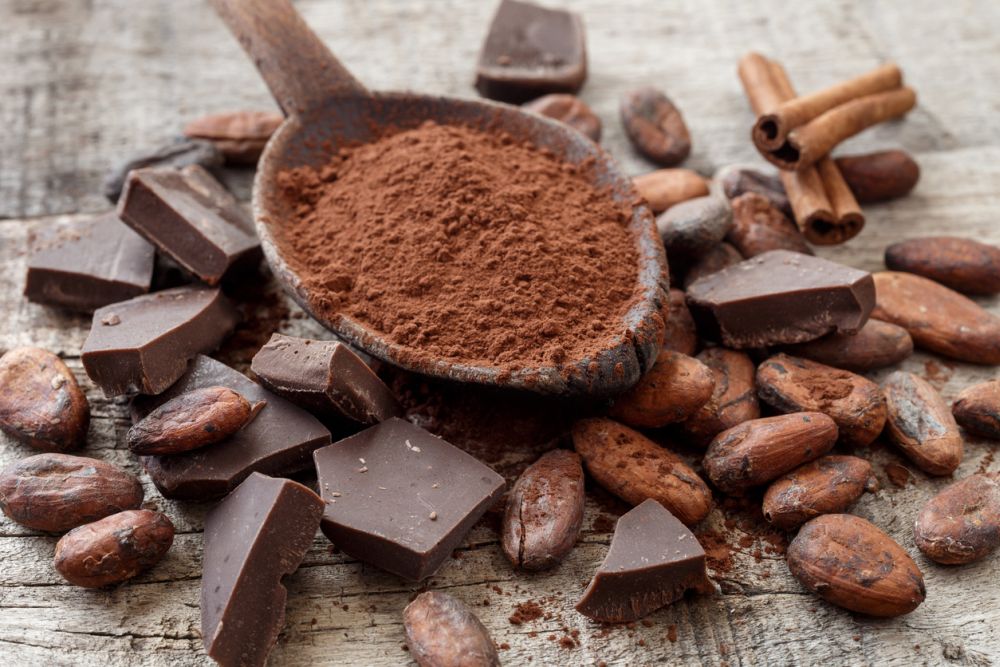
Understanding Quality Parameters: What Determines Value
Every supplier will quote a price, but only experienced buyers know what truly drives value per ton. Here are the critical metrics that separate low-fat alkalized cocoa powders in industrial use.
| Parameter | Industrial Importance | Optimal Range |
|---|---|---|
| Fat Content | Affects viscosity, shelf stability, and caloric value | 10–12% |
| pH Value | Controls color and flavor intensity | 7.0–8.0 |
| Color Shade (L*) | Impacts visual appeal | 20–26 (medium-dark) |
| Moisture Content | Influences flowability and storage life | ≤ 5% |
| Mesh Size | Determines dispersibility | ≥ 99% passing 75 μm |
Factories operating in different climatic conditions should prioritize moisture control and flow properties — both can make or break production consistency, especially in humid environments.
How Alkalization Affects Flavor and Process Efficiency
Alkalization isn’t just chemistry — it’s craftsmanship. When done well, it fine-tunes cocoa’s natural profile into something remarkably adaptable for industrial formulations.
There are two main types:
- Light Alkalization: Results in lighter color and fruitier flavor, often used in beverages.
- Heavy Alkalization: Produces dark color and milder taste, suitable for baked goods.
The alkalization process also enhances solubility, a crucial aspect for continuous mixing lines and spray-drying systems. In simpler terms, better alkalization means fewer lumps, smoother texture, and faster dispersion — tangible process advantages.
Premium European producers like Latamarko have perfected this through advanced pH control and energy-efficient processing. Spanish engineering, long admired for its precision in food manufacturing, ensures uniformity batch after batch — a key reason many factories choose Latamarko for their high-volume operations.
Procurement Pitfalls: Mistakes to Avoid When Sourcing Cocoa Powder
Even experienced procurement officers can fall into common traps when sourcing cocoa ingredients at scale. Here are five mistakes that quietly inflate costs and disrupt production:
- Comparing by price only:
Cheaper powder with poor dispersibility can slow down your mixing line — costing more in labor and energy. - Ignoring moisture levels:
High-moisture powders cause caking in storage silos and feeders. - Overlooking origin consistency:
Mixing different bean origins without testing can alter flavor and color from batch to batch. - Underestimating packaging logistics:
Powders stored in paper bags vs. bulk totes behave differently in automated systems. - Skipping supplier technical support:
A reliable partner doesn’t just ship; they advise. That’s why at MT Royal, we often collaborate directly with production engineers to match powder specifications with line parameters.
When viewed holistically, true value comes from performance stability — not line-item pricing.
Why Latamarko and European Engineering Stand Out
In the global cocoa powder landscape, Spanish-origin brands like Latamarko have carved out a reputation for precision. Their production lines emphasize pH uniformity, color control, and micronized texture.
For manufacturers seeking consistency in flavor, color, and rehydration behavior, this level of refinement pays dividends. The powder behaves predictably in both cold and hot applications, ensuring uniform results even when scaling up to industrial volumes.
That’s why many of the food plants we work with at MT Royal rely on European suppliers for their flagship products — where consumer expectations for color and flavor consistency leave no room for variation.
Practical Tips for Factory Managers: Maximizing Value from Low-Fat Alkalized Cocoa Powder
Whether you manage a beverage plant or a biscuit line, small adjustments can translate into measurable efficiency gains.
Here’s what we’ve seen work in real factories:
- Optimize Dosing Ratios
Because low-fat alkalized cocoa has better color yield, you can often use 5–10% less than natural cocoa for the same visual intensity. - Audit Mixing Time
Track blending cycles. Reduced mixing time by even 3 minutes per batch can free up hours of production per week. - Control Humidity in Storage Areas
Cocoa powder is hygroscopic. Invest in proper dehumidification for your storage silos. - Standardize Supplier Grades
Streamlining suppliers reduces variation and simplifies quality control. MT Royal offers multi-brand access under unified logistics, saving paperwork and coordination time. - Evaluate Fat Replacer Synergy
In applications requiring creaminess, pair low-fat cocoa with specific emulsifiers or dairy solids rather than returning to full-fat cocoa — this keeps your cost-per-unit low.
Industrial Case Insight: Efficiency in Action
A confectionery plant in Eastern Europe producing chocolate drink powder faced inconsistent solubility and varying color across batches. After analysis, it turned out they were sourcing from multiple regional suppliers with inconsistent pH and fat levels.
By switching to a single-origin Latamarko low-fat alkalized cocoa powder through MT Royal, they achieved:
- 100% color consistency
- 12% shorter blending cycles
- 8% reduction in total cocoa powder usage per ton of final mix
That’s not marketing — that’s manufacturing math at work.
Market Overview: Pricing and Global Supply Factors
The 2025 cocoa market continues to reflect volatility driven by weather patterns and global demand. For low-fat alkalized cocoa powder, the key pricing determinants are:
- Cocoa Bean Futures: Raw material costs from West Africa remain the biggest variable.
- Energy Prices: Alkalization and pressing require energy-intensive systems.
- Logistics Costs: Freight and container rates can add 8–12% to CIF pricing.
- Currency Exchange: Euro and USD fluctuations affect imported European brands.
- Sustainability Premiums: Certified, traceable sources often command 5–10% higher prices but appeal strongly to multinational clients.
At MT Royal, we manage volatility by offering a portfolio of origins and brands. This lets our clients mix and match specifications while maintaining predictable pricing structures — a strategy that protects factory budgets against market swings.
Frequently Asked Questions from Industrial Buyers
Q1: How does low-fat alkalized cocoa differ from natural cocoa powder?
Natural cocoa is acidic and less soluble; low-fat alkalized cocoa has a smoother flavor, darker color, and better process behavior.
Q2: What is the ideal fat percentage for large-scale bakery applications?
10–12% is optimal for dough stability, consistent texture, and minimal oil migration.
Q3: Is there a performance difference between African and European-processed powders?
Yes. European-origin powders, like those from Latamarko, often deliver tighter color control and superior dispersibility.
Q4: Can low-fat cocoa reduce overall formulation cost?
Absolutely. Lower cocoa butter content and higher yield often lead to cost savings of 5–15%.
Q5: What’s the shelf life in humid regions?
Typically 24–30 months if stored below 25°C in dry conditions. Always use pallets to avoid floor moisture absorption.
Why Choosing the Right Supplier Matters
Low-fat alkalized cocoa powder may seem like a commodity, but for industrial producers, the difference between a generic supplier and a specialized distributor can be significant.
At MT Royal, we understand that cocoa is more than an ingredient — it’s an essential production variable. Our experience working with manufacturers across bakery, beverage, and confectionery lines means we can recommend the right fat level, color intensity, and dispersibility for each process.
We’ve seen how choosing the correct specification prevents line downtime, improves quality control, and stabilizes cost-per-unit. Our goal has always been to simplify procurement while elevating production performance — and we partner only with trusted manufacturers like Latamarko, whose Spanish precision continues to set the bar for industrial consistency.
Looking Ahead
Sustainability, automation, and nutritional reformulation are reshaping how factories source ingredients. As global markets emphasize lower fat, lower sugar, and cleaner labeling, the role of low-fat alkalized cocoa powder will only grow.
Its combination of flavor efficiency, process stability, and cost control fits perfectly with these evolving priorities. From instant mixes to high-protein snacks, the next generation of industrial recipes will lean on this ingredient as a foundational building block.
So, the next time you review your cocoa supply plan, look beyond the per-ton price. Ask how your cocoa behaves under pressure — in mixers, ovens, tanks, and packaging lines. That’s where your true savings hide.
At MT Royal, we’re here to help you uncover them.

No comment