

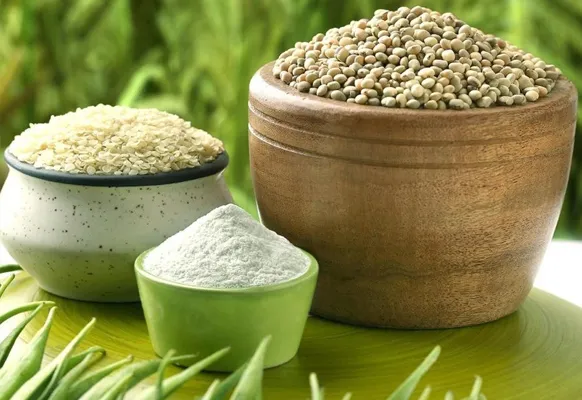
In today’s competitive beverage market, creating drinks with consistent texture, clarity, and stability is no longer optional — it’s a necessity. Low viscosity guar gum has emerged as a critical ingredient for manufacturers looking to achieve smooth mouthfeel, stable suspensions, and improved product shelf-life without compromising on taste or visual appeal. Whether you are producing ready-to-drink beverages, flavored waters, or nutritional shakes, this versatile hydrocolloid offers the performance needed to meet consumer expectations.
At MT Royal, we have observed firsthand how beverage producers face challenges when selecting stabilizers and thickeners. Through collaboration with multiple factories, we’ve seen that low viscosity guar gum not only improves process efficiency but also reduces production issues such as lumping, uneven viscosity, or sedimentation — helping brands maintain consistent quality from batch to batch.
Understanding Low Viscosity Guar Gum
Guar gum is a natural polysaccharide extracted from the seeds of the guar plant. It functions as a thickening, stabilizing, and suspending agent in a wide range of food and beverage applications. Low viscosity guar gum is specifically formulated to deliver these functional benefits without significantly increasing the liquid’s thickness, which makes it ideal for beverages that require clarity and pourability.
Key features of low viscosity guar gum include:
- Rapid solubility in cold or hot water
- Stable suspension of insoluble particles, preventing sedimentation
- Minimal impact on drink viscosity, maintaining a light, smooth texture
- Compatibility with other hydrocolloids and ingredients for optimized formulations
This makes it especially suitable for:
- Flavored waters and fruit drinks
- Nutritional and protein shakes
- Coffee and tea beverages
- Low-calorie or reduced-sugar drinks
- Dairy alternatives and plant-based beverages
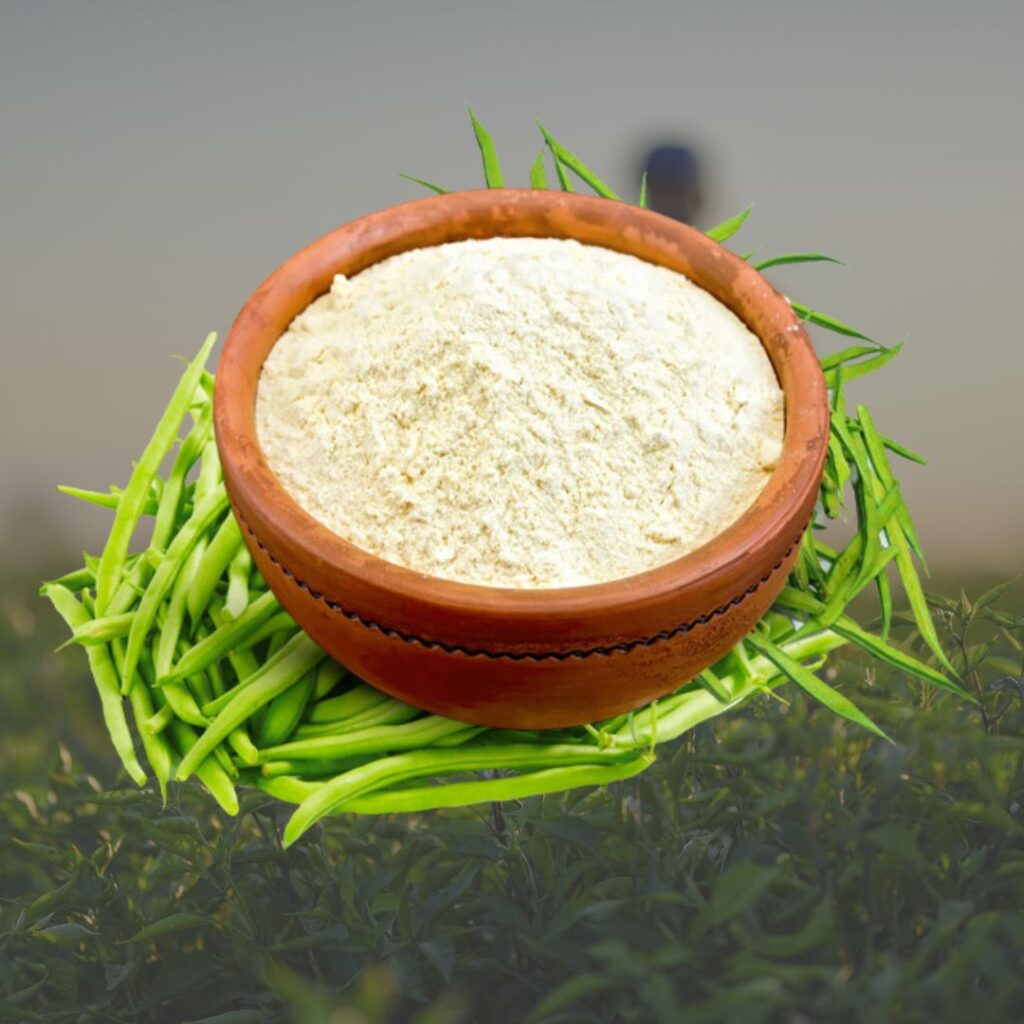
Industrial Advantages and Benefits
Beverage manufacturers choose low viscosity guar gum for multiple reasons:
- Consistency in Product Texture: It ensures uniform mouthfeel without thickening the drink excessively.
- Enhanced Stability: Suspended solids, pulp, and flavor particles remain evenly distributed.
- Efficient Production: Easy to disperse with minimal clumping or lump formation.
- Cost-Effective Formulation: A small amount can achieve the desired effect, reducing the need for other additives.
- Versatility: Works in both acidic and neutral pH systems, making it compatible with fruit-based and dairy-based beverages.
At MT Royal, we have seen beverage factories experience measurable improvements in batch consistency and visual appeal after transitioning to low viscosity guar gum from standard high-viscosity variants.
Common Industrial Challenges and Mistakes
Despite its benefits, improper use of guar gum can result in common manufacturing issues:
- Overuse of powder: Adding excessive amounts can increase viscosity, cloud the beverage, or affect pourability.
- Insufficient dispersion: Guar gum tends to form lumps if not properly pre-hydrated or dispersed in water.
- Ignoring ingredient compatibility: Certain acids, salts, or hydrocolloids may alter solubility or gel formation.
- Neglecting process temperature: High temperatures may accelerate hydration, impacting texture and stability.
We often advise clients to conduct small-scale trials to fine-tune dosage, hydration, and mixing conditions — a step that prevents costly mistakes in large-scale production.
Comparative Overview: High vs. Low Viscosity Guar Gum
| Feature | High Viscosity Guar Gum | Low Viscosity Guar Gum |
|---|---|---|
| Viscosity Effect | Significant thickening | Minimal thickening |
| Solubility | Slower, needs shear | Fast, disperses easily |
| Application | Soups, sauces, puddings | Beverages, shakes, clear drinks |
| Particle Suspension | Good | Excellent with light mouthfeel |
| Ease of Use | May require pre-hydration | Can be directly dispersed |
The choice depends on your product goals. If you need a light, stable beverage that remains pourable and smooth, low viscosity guar gum is the ideal solution.
Industrial Tips for Beverage Formulation
- Pre-Dispersion: Sprinkle guar gum slowly into water while agitating to prevent lumps.
- Hydration Time: Allow adequate hydration, typically 20–30 minutes, to achieve optimal stability.
- Temperature Management: Cold-water dispersible variants are preferred for ready-to-drink beverages; heat-stable forms work for hot formulations.
- Compatibility Checks: Test against acids, flavors, and sugars to ensure no viscosity changes occur.
- Batch Testing: Evaluate appearance, mouthfeel, and particle suspension at production scale before full-scale implementation.
By applying these practices, manufacturers can maintain uniform quality and minimize production downtime.
Technical Insights: How Low Viscosity Guar Gum Works
Guar gum is a galactomannan — a polysaccharide composed of mannose and galactose. Its water-binding capacity allows it to form a thin, viscous network that suspends solids without turning the liquid into a gel.
In beverage formulations, low viscosity guar gum:
- Stabilizes pulp or fruit particles, preventing sedimentation.
- Enhances mouthfeel without thickening beyond desired levels.
- Supports emulsions, improving the stability of oil-in-water drinks.
Combining it with other hydrocolloids such as xanthan gum or locust bean gum can create synergistic effects, improving stability in acidic and high-sugar environments.
Applications in Modern Beverages
1. Flavored Waters: Maintains clarity while suspending natural fruit particles.
2. Protein Shakes and Nutritional Drinks: Enhances texture and prevents sedimentation of proteins.
3. Coffee and Tea Mixes: Supports soluble solids and powders, ensuring uniform dispersion.
4. Plant-Based Beverages: Provides body and mouthfeel in almond, soy, or oat drinks.
5. Functional Beverages: Works in enriched drinks with vitamins, minerals, or probiotics to stabilize ingredients.
We have observed that low viscosity guar gum is increasingly preferred for beverages targeting health-conscious consumers, as it provides texture and stability without adding calories or sugar.
Frequently Asked Questions from Manufacturers
Q1: How much guar gum should be used in beverage formulations?
The recommended dosage typically ranges from 0.05% to 0.3%, depending on viscosity requirements and solids content.
Q2: Can it be used in acidic beverages?
Yes. Low viscosity guar gum is stable in pH ranges from 3 to 7, making it suitable for fruit-based drinks.
Q3: What is the difference between pre-hydrated and spray-dried variants?
Spray-dried powders disperse easily and are ideal for instant beverage mixes, while pre-hydrated gums are used in thicker formulations.
Q4: Can low viscosity guar gum improve mouthfeel in low-calorie drinks?
Absolutely. It enhances creaminess and body without the need for added sugar or fat.
Q5: Is MT Royal able to supply bulk quantities?
Yes. We provide high-quality guar gum in competitive bulk packaging suitable for industrial-scale beverage production.
Why Choose MT Royal for Your Beverage Ingredients
At MT Royal, we understand that ingredient quality directly impacts product performance and consumer perception. By sourcing low viscosity guar gum from trusted producers, we ensure:
- Consistent particle size and purity
- Excellent solubility and dispersibility
- Competitive pricing without compromising quality
- Technical support to optimize your formulations
Our collaboration with beverage factories allows us to recommend the right grade, dosage, and combination with other stabilizers, ensuring your products meet both regulatory and consumer expectations.
Conclusion
The right stabilizer can make the difference between a beverage that delights customers and one that disappoints. Low viscosity guar gum provides a unique balance of stability, smoothness, and clarity, making it an essential tool for modern beverage formulators.
By partnering with MT Royal, manufacturers gain not only a reliable supply of superior guar gum but also technical insights and application support that optimize product quality, streamline production, and maintain consumer trust. With careful selection and application, your beverages can achieve the perfect combination of texture, taste, and visual appeal that drives repeat purchases and brand loyalty.


No comment