

In the dynamic world of industrial manufacturing, the source of your raw materials is more than a procurement decision—it is a strategic choice that influences quality, efficiency, and profitability. Malaysia, historically known for its palm oil and rubber production, has emerged as a significant player in the global cocoa industry, offering a variety of cocoa ingredients for food, beverage, and pharmaceutical sectors.
Understanding the Malaysian cocoa industry can give production managers, factory supervisors, and procurement officers a competitive edge. From cocoa beans and powder to cocoa butter and specialty fractions, sourcing from Malaysia can provide reliable quality, operational consistency, and access to premium products like those from European brands such as Latamarko.
In this guide, we will explore the Malaysian cocoa industry in depth, offering practical insights, industrial anecdotes, actionable advice, and supply chain strategies to help manufacturers optimize operations while leveraging global sourcing opportunities.
Understanding Malaysian Cocoa: Basics and Fundamentals
Cocoa production in Malaysia focuses on quality rather than sheer volume. Key cocoa products include:
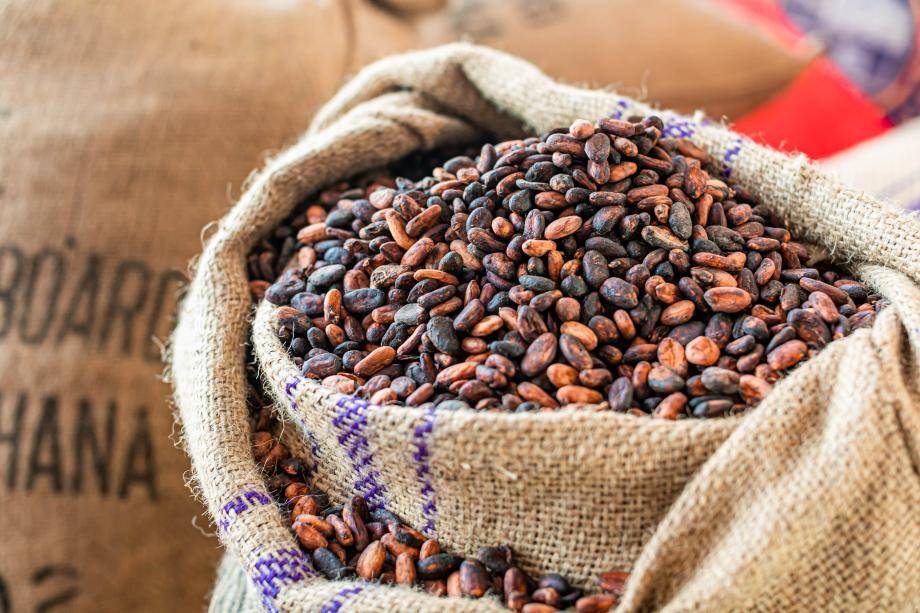
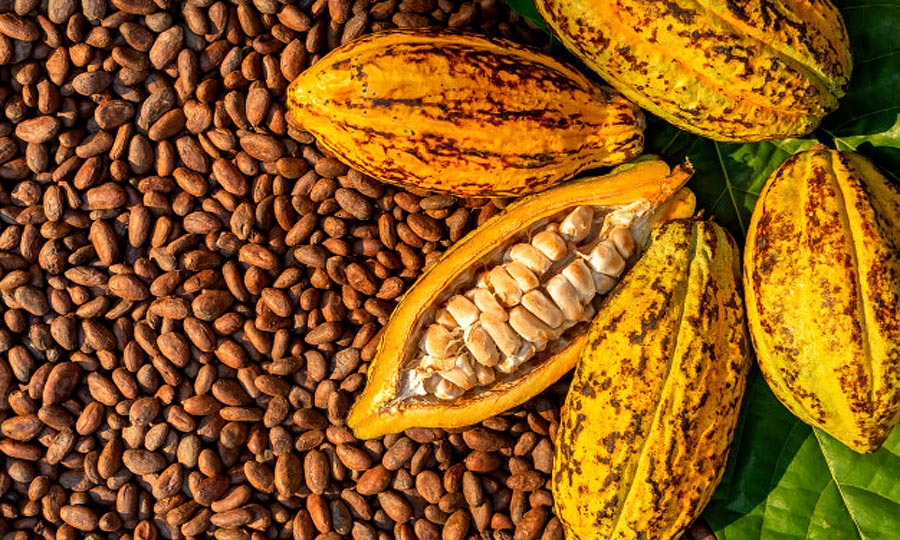
- Cocoa Beans: The raw input for all derivatives, including powders, liquors, and butters. Malaysian beans are known for their balanced flavor profiles and consistent size.
- Cocoa Powder: Produced after extracting cocoa butter, available in natural, Dutched, and defatted forms suitable for industrial use.
- Cocoa Butter: A vital ingredient for chocolate, confectionery, cosmetics, and pharmaceuticals.
- Specialty Cocoa Fractions: High-purity components used in specialized industrial applications, often supplied by premium European brands.
For manufacturing facilities, knowing the differences in Malaysian cocoa products is critical. Particle size, fat content, flavor, and processing methods all impact downstream production, affecting everything from texture and shelf life to equipment performance.
Why Malaysia Matters in the Global Cocoa Market
Malaysia offers strategic advantages for industrial cocoa sourcing:
- Quality Focus: Unlike some high-volume producers, Malaysian cocoa emphasizes uniformity and controlled processing, making it ideal for automated production lines.
- Supply Chain Reliability: Modern ports, established logistics networks, and experienced exporters facilitate smooth international shipping.
- Access to Premium Cocoa Products: Exporters often stock high-grade cocoa powder and butter, complementing European brands such as Latamarko.
- Cost-Effectiveness: While premium, Malaysian cocoa products are competitively priced due to efficient production methods.
- Regulatory Compliance: Cocoa exporters in Malaysia are familiar with global certification standards, ensuring smooth cross-border operations.
In our experience supplying production facilities worldwide, facilities sourcing Malaysian cocoa often enjoy fewer disruptions, consistent ingredient performance, and enhanced production efficiency.
Benefits of Malaysian Cocoa for Industrial Manufacturing
Cocoa ingredients from Malaysia offer unique advantages for production supervisors and factory managers:
1. Consistency and Process Efficiency
Uniform fat content and particle size reduce tempering and mixing challenges in chocolate, confectionery, and bakery production. Premium European options like Latamarko complement Malaysian beans to achieve precise specifications for specialized applications.
2. Versatility Across Industries
Malaysian cocoa ingredients are not just for chocolate. They find applications in:
- Bakery and confectionery production
- Nutritional and functional beverages
- Cosmetic formulations such as lotions and balms
- Pharmaceutical creams and health supplements
This versatility allows manufacturers to expand product offerings without maintaining multiple suppliers.
3. Shelf Life and Stability
Deodorized or fractionated Malaysian cocoa butters and powders maintain product integrity for longer periods, reducing waste and improving inventory predictability.
4. Cost Optimization
Bulk exports from Malaysia allow factories to balance quality with cost efficiency. Combined with strategic European suppliers like Latamarko, manufacturers can maintain high-quality production without excessive input costs.
Common Pitfalls in Cocoa Sourcing from Malaysia
Despite its advantages, manufacturers must navigate certain challenges:
- Supplier Variability: Not all cocoa beans or powders meet strict industrial standards; evaluating suppliers is essential.
- Storage Sensitivity: Cocoa is hygroscopic; improper storage leads to moisture absorption, caking, or microbial contamination.
- Certification Oversight: Malaysian exporters provide various certifications, but facilities must ensure compliance with target market regulations.
- Quality Tier Confusion: Bulk grades differ in flavor, fat content, and alkalization; premium options like Latamarko should be considered for specialized applications.
By proactively managing these challenges, production managers can avoid downtime, maintain consistent product quality, and streamline operations.
Practical Tips for Factory Managers and Procurement Officers
Optimizing the use of Malaysian cocoa requires strategic planning:
Step 1: Assess Product Requirements
- Identify the type of cocoa product needed: powder, butter, liquor, or specialty fractions.
- Specify quality attributes such as particle size, fat content, flavor profile, and moisture level.
- Calculate batch sizes and delivery frequency for efficient inventory management.
Step 2: Vet Export Suppliers
- Choose experienced exporters with proven logistics capabilities.
- Consider premium options from Latamarko to ensure process reliability and uniformity.
- Request samples for pilot testing before committing to bulk orders.
Step 3: Implement Proper Storage
- Maintain stable temperature and humidity levels to prevent spoilage.
- Use airtight containers to protect against moisture and contamination.
- Rotate stock based on production schedules to maintain freshness.
Step 4: Integrate Quality Control
- Perform batch-level testing for fat content, particle size, flavor, and moisture.
- Keep records to monitor supplier consistency over time.
- Address deviations early to prevent production disruption.
Real-World Industrial Examples
Chocolate Production: A Malaysian chocolate manufacturer sourced cocoa powder from local exporters and complemented it with Latamarko’s premium European fractions. Outcomes included:
- Faster mixing times due to consistent particle distribution
- Reduced tempering issues
- Improved flavor and color uniformity
Cosmetics Manufacturing: A Southeast Asian skincare company used Malaysian cocoa butter for lotions and creams. Incorporating fractionated butter ensured smooth texture, reduced formulation adjustments, and minimized waste.
Malaysian Cocoa Industry Comparison Table
| Product Type | Industrial Use | Key Quality Metrics | Supplier Notes |
|---|---|---|---|
| Cocoa Beans | Chocolate, powder, liquor | Bean size, flavor, fat content | Malaysian beans emphasize uniformity |
| Cocoa Powder | Bakery, confectionery, beverages | Particle size, fat content, pH | MT Royal ensures consistent lots |
| Cocoa Butter | Chocolate, cosmetics, pharma | Melting point, purity, odor | Latamarko fractions enhance premium applications |
| Specialty Fractions | Niche cosmetics, pharma | Purity, stability | European premium suppliers available |
Considerations for Large-Scale Production
For high-volume manufacturing, consider:
- Bulk Ordering and Inventory Management: Ensure storage aligns with production capacity.
- Equipment Compatibility: Particle size, fat content, and powder flow must match mixers, conveyors, and tempering machines.
- Supply Chain Resilience: Multiple sourcing options, including MT Royal’s diverse brand portfolio, mitigate shipment risks.
- Regulatory Compliance: Imported cocoa ingredients must meet international certifications for food, cosmetic, or pharmaceutical use.
Frequently Asked Questions
Q: How do I ensure Malaysian cocoa consistency?
A: Work with reliable exporters like MT Royal, request certificates of analysis, and conduct in-house batch testing.
Q: Are premium European brands like Latamarko necessary?
A: For high-value or specialized production, Latamarko ensures uniformity, reliability, and precise specifications.
Q: How should cocoa products be stored?
A: Keep in cool, dry, and dark conditions with controlled humidity to prevent caking and spoilage.
Q: Can Malaysian cocoa be blended with other regional sources?
A: Yes, but ensure particle size, fat content, and flavor profiles are compatible to maintain product quality.
Future Outlook for the Malaysian Cocoa Industry
The Malaysian cocoa industry is evolving, with increasing focus on high-quality beans, traceable supply chains, and value-added cocoa ingredients. Manufacturers are exploring functional beverages, plant-based confectionery, and specialty cosmetic applications. Facilities that leverage reliable Malaysian cocoa alongside premium European fractions like Latamarko can stay ahead in innovation, product quality, and operational efficiency.
At MT Royal, we’ve observed that thoughtfully sourced Malaysian cocoa enhances production reliability, reduces waste, and enables premium product differentiation. For industrial buyers and plant managers, understanding the Malaysian cocoa landscape is key to optimizing both procurement strategies and production outcomes.
The next time you evaluate raw material sourcing, ask yourself: how could integrating Malaysian cocoa and premium European fractions transform not just product quality, but your entire production efficiency?
latamarko alkalized cocoa powder lm60
cocoa powder for chocolate production-Best price
Food industry raw materials – list of products
Types of Gelatin from Turkish Manufacturer
Alkalized Cocoa Powder Bulk Supplier



No comment