

In industrial food, pharmaceutical, and feed production, few ingredients are as quietly critical as maltodextrin and starch. They rarely appear on the front of the packaging, yet they define texture, stability, yield, solubility, and cost efficiency across hundreds of formulations. For manufacturers operating at scale, sourcing these ingredients is not a routine procurement task—it is a structural decision that affects margins, process stability, and long-term supply security.
This is why a growing number of producers are actively searching for maltodextrin and starch exporters in Türkiye. The country has moved far beyond being a regional supplier and is now positioned as a strategic export hub offering competitive pricing, consistent quality, and increasing technical sophistication. At MT Royal, we work directly with Turkish producers and international buyers, and we have seen how choosing the right exporter from Türkiye can quietly eliminate recurring production issues while improving overall cost control.
This article is written to fully satisfy the search intent behind maltodextrin and starch exporters in Türkiye—from definitions and applications to sourcing pitfalls, industrial-scale considerations, exporter comparisons, and the real questions procurement managers ask before signing long-term contracts.
latamarko alkalized cocoa powder lm60
Food industry raw materials – list of products
Cocoa Powder Exporter from Türkiye
Alkalized Cocoa Powder Supplier
Understanding Maltodextrin and Starch: Industrial Fundamentals
What Is Maltodextrin?
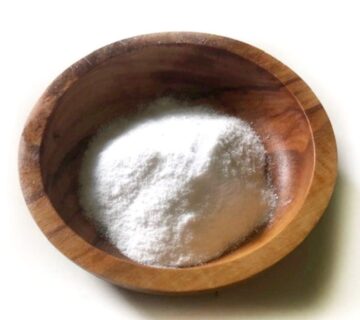
Maltodextrin is a carbohydrate produced through the partial hydrolysis of starch, typically derived from corn, wheat, or potato. It is classified by its DE (Dextrose Equivalent) value, which directly influences sweetness, solubility, hygroscopicity, and functional behavior.
In industrial applications, maltodextrin is valued for being:
- Neutral in taste
- Highly soluble
- Easy to handle and dose
- Functionally flexible across formulations
Maltodextrin is widely used as a bulking agent, carrier, filler, and texture modifier in food, beverage, pharmaceutical, and nutraceutical products.
What Is Industrial Starch?
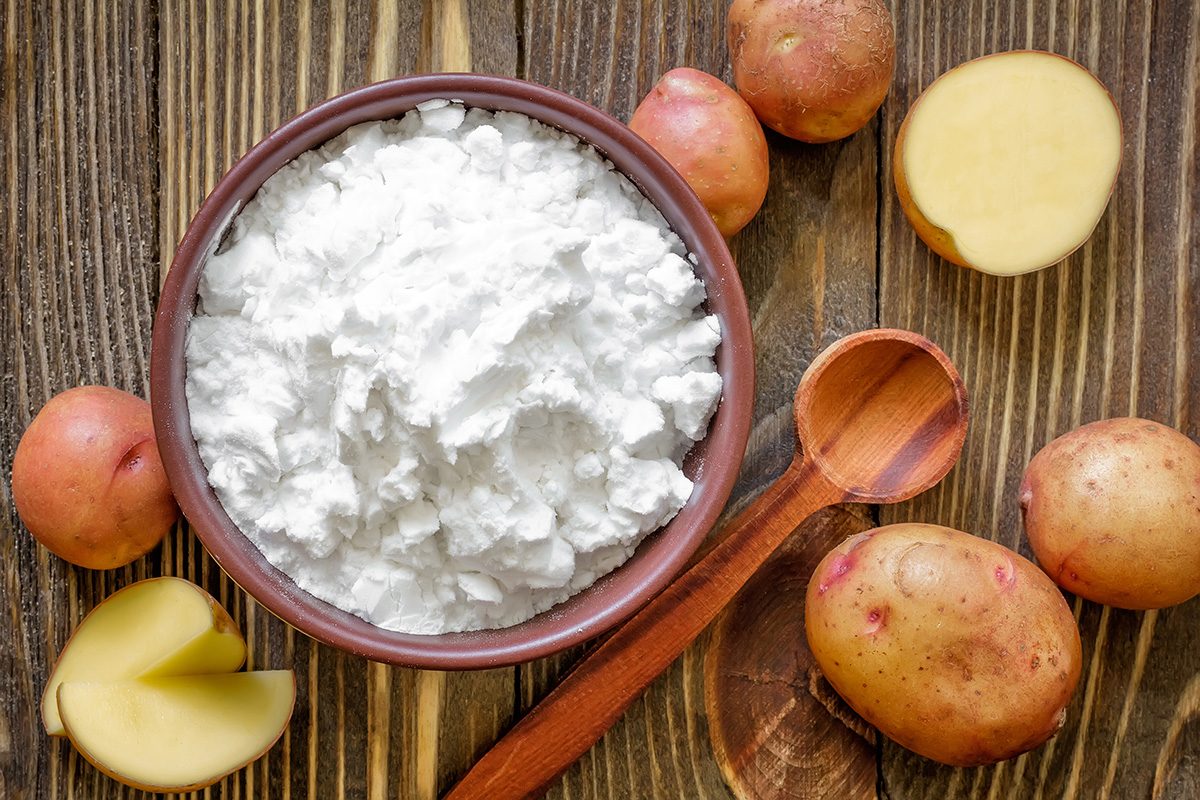
Industrial starch refers to native or modified starches used for thickening, binding, stabilizing, and texturizing. Depending on processing and modification, starch can be tailored to withstand heat, shear, acidity, or freezing.
Common industrial starch sources in Türkiye include:
- Corn starch
- Wheat starch
- Potato starch
Each has distinct gelatinization, viscosity, and stability profiles that matter greatly in large-scale manufacturing.
Why Türkiye Has Become a Key Exporter of Maltodextrin and Starch
Türkiye’s rise as a competitive exporter of maltodextrin and starch is driven by a combination of agricultural strength, processing capability, and geographic advantage.
Strong Agricultural Base
Türkiye is one of the world’s major producers of corn and wheat, ensuring reliable access to starch-rich raw materials. This reduces dependency on imports and stabilizes supply chains—an increasingly critical factor in volatile global markets.
Modern Processing Infrastructure
Over the past decade, Turkish starch manufacturers have invested heavily in modern wet milling, enzymatic hydrolysis, and spray-drying technologies. These upgrades allow exporters to meet international specifications consistently.
Strategic Export Location
Situated between Europe, the Middle East, Africa, and Asia, Türkiye offers shorter lead times compared to Asian suppliers and more flexible logistics than many European producers.
At MT Royal, we have observed that buyers sourcing from Türkiye often experience fewer disruptions and more responsive communication compared to more distant origins.
Key Applications Driving Demand for Turkish Maltodextrin and Starch
Food and Beverage Manufacturing
In food production, maltodextrin and starch play multiple roles:
- Texture control in sauces and soups
- Bulking agent in powdered products
- Fat replacer in low-calorie formulations
- Carrier for flavors and sweeteners
Turkish exporters supply different DE grades of maltodextrin suitable for beverages, bakery, dairy, confectionery, and savory applications.
Nutraceuticals and Supplements
Maltodextrin is commonly used as a carrier in powdered supplements and drink mixes due to its neutral taste and excellent solubility. Turkish-origin maltodextrin is increasingly used in export-focused supplement production.
Pharmaceutical Industry
In pharmaceuticals, maltodextrin and starch function as excipients, fillers, and binders. Consistent particle size and purity are critical here, and several Turkish exporters now meet pharmaceutical-grade requirements.
Animal Feed and Pet Food
Starch-based ingredients improve pellet binding, digestibility, and energy content. Cost efficiency and supply reliability make Türkiye an attractive sourcing option for feed manufacturers.
Types of Maltodextrin and Starch Exported from Türkiye
Maltodextrin by DE Range
- Low DE (5–10): Minimal sweetness, high bulking capacity
- Medium DE (10–15): Balanced functionality
- High DE (15–20+): Higher solubility and mild sweetness
Exporters in Türkiye typically offer customization based on application needs.
Native vs Modified Starches
- Native starches: Clean-label friendly, limited stability
- Modified starches: Enhanced resistance to heat, shear, and acidity
Many Turkish exporters now focus on food-grade modified starches aligned with international regulations.
Common Mistakes When Sourcing Maltodextrin and Starch Internationally
Treating Maltodextrin as a Commodity Only
While maltodextrin may seem interchangeable, variations in DE consistency, solubility, and moisture content can significantly impact production.
Ignoring Application-Specific Performance
Using a general-purpose starch in a high-shear or acidic process often leads to viscosity breakdown and product failure.
Overlooking Export Documentation and Compliance
Incomplete documentation, inconsistent COAs, or unclear traceability can delay shipments and create regulatory risks.
We have seen manufacturers avoid costly delays simply by working with exporters who understand international compliance from the start.
How Turkish Exporters Compare to Other Origins
Türkiye vs Europe
European suppliers often deliver excellent quality but at higher cost and with less pricing flexibility. Turkish exporters frequently provide comparable functionality with more competitive pricing.
Türkiye vs Asia
Asian exporters may offer lower prices, but longer lead times, higher minimum order quantities, and communication challenges can offset those savings.
Türkiye vs Local Production
For many regions, importing from Türkiye offers better consistency and technical support than relying on smaller local producers.
Industrial-Scale Considerations for Manufacturers
Batch-to-Batch Consistency
Large-scale production requires predictable ingredient behavior. Turkish exporters increasingly focus on standardization to meet industrial needs.
Cost-in-Use Evaluation
Lower-priced ingredients that require higher dosages or cause instability often cost more in practice. Performance-based sourcing reduces waste and rework.
Supply Chain Reliability
Türkiye’s export-oriented infrastructure supports long-term contracts and flexible shipping schedules.
At MT Royal, we help buyers evaluate not just product specifications, but real-world performance and supply continuity.
What to Look for in Maltodextrin and Starch Exporters in Türkiye
- Clear technical documentation
- Consistent DE control
- Flexible packaging options
- Export experience and compliance
- Willingness to provide samples and technical support
Exporters who meet these criteria tend to become long-term partners rather than one-time suppliers.
Frequently Asked Questions from Procurement Managers
Is Turkish maltodextrin suitable for global brands?
Yes. Many Turkish exporters already supply multinational manufacturers.
Can exporters customize specifications?
Most can adjust DE range, moisture, and particle size based on volume.
How stable is pricing?
Raw material proximity helps stabilize pricing compared to import-dependent regions.
Does MT Royal work with multiple exporters?
Yes. We connect buyers with the most suitable exporters rather than pushing a single source.
The Role of MT Royal in Turkish Ingredient Sourcing
Sourcing maltodextrin and starch is not just about finding an exporter—it’s about finding the right exporter for your process, market, and scale. MT Royal acts as a technical and commercial bridge between Turkish producers and international manufacturers. We have seen how informed sourcing decisions reduce formulation risks and strengthen supply chains over time.
We do not believe in one-size-fits-all solutions. Different factories require different DE ranges, starch modifications, and logistical setups. Our experience across industries allows us to guide these decisions with clarity and realism.
A Strategic Perspective on Ingredient Sourcing
Maltodextrin and starch are often treated as background ingredients, but in reality, they shape the economics and stability of entire product lines. Manufacturers who approach sourcing strategically—considering performance, consistency, and exporter reliability—gain quiet but powerful advantages over competitors.
Türkiye’s role in the global ingredient market is no longer emerging; it is established and expanding. For manufacturers seeking balance between quality, cost, and supply security, maltodextrin and starch exporters in Türkiye offer a compelling proposition. When sourcing decisions align with production realities rather than assumptions, operations become smoother, margins more predictable, and growth far easier to sustain.


No comment