

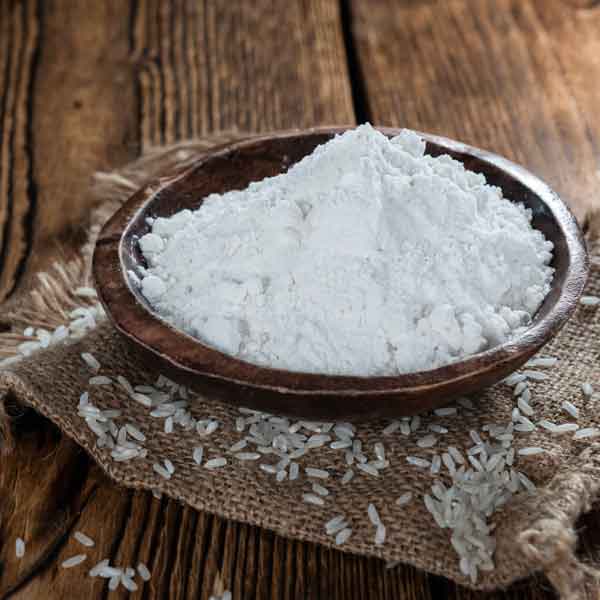
In industrial manufacturing, some ingredients quietly determine whether a production line runs smoothly or becomes a daily source of inefficiency and reformulation. Maltodextrin is one of those ingredients. It may appear simple on paper, but in practice, its quality, consistency, and supplier reliability directly influence texture, stability, cost control, and even brand reputation. For factories and manufacturers in Afghanistan, choosing the right maltodextrin supplier is a strategic decision that goes far beyond price per ton.
MT Royal has positioned itself as a reliable maltodextrin supplier for Afghanistan by focusing on consistency, technical understanding, and supply chain reliability. We understand that for your factory, maltodextrin is not an interchangeable commodity. It is a functional building block that must perform predictably in every batch, every shift, and every season.
This article is written for procurement managers, production supervisors, R&D teams, and factory owners who want a deep, practical understanding of maltodextrin sourcing—and who expect their suppliers to understand industrial reality, not just sales margins.
latamarko alkalized cocoa powder lm60
cocoa powder for chocolate production-Best price
Food industry raw materials – list of products
Types of Gelatin from Turkish Manufacturer
Alkalized Cocoa Powder Supplier
What Is Maltodextrin and Why It Is Widely Used in Industry
Maltodextrin is a carbohydrate produced from starch through partial hydrolysis, most commonly derived from corn, wheat, potato, or tapioca. Chemically, it sits between simple sugars and complex starches, offering manufacturers a unique balance of functionality, neutrality, and flexibility.
What makes maltodextrin so valuable is not sweetness, but control. It provides bulk, improves mouthfeel, stabilizes formulations, and acts as a carrier for flavors, fats, and active ingredients. Its relatively low sweetness and neutral taste allow it to integrate seamlessly into a wide range of products without altering flavor profiles.
For manufacturers in Afghanistan, maltodextrin often becomes a silent stabilizer—present in the formulation, but invisible to the consumer. When it works well, no one notices. When it fails, production problems surface quickly.
Understanding DE Value and Its Industrial Importance
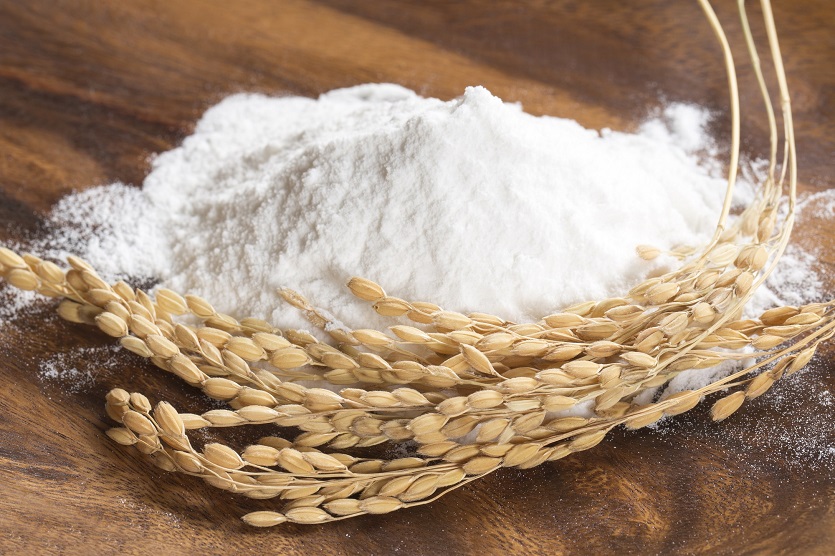
One of the most critical technical parameters of maltodextrin is its Dextrose Equivalent, commonly referred to as DE value. This number indicates the degree of starch hydrolysis and directly affects sweetness, solubility, viscosity, and hygroscopicity.
Low-DE maltodextrins provide higher viscosity and better bulking properties, making them suitable for bakery products, sauces, and dairy applications. Higher-DE maltodextrins dissolve more easily and are often used in beverages, instant products, and nutritional formulations.
Selecting the wrong DE range can lead to unexpected texture changes, moisture migration, or processing instability. This is why experienced suppliers like MT Royal work closely with manufacturers to ensure the chosen maltodextrin matches the intended application, not just the specification sheet.
Industrial Applications of Maltodextrin in Afghanistan
Food and Beverage Manufacturing
Maltodextrin is extensively used in beverages, powdered drinks, dairy products, sauces, soups, and confectionery. It improves mouthfeel, controls sweetness, and stabilizes emulsions. In instant beverages, it enhances solubility and flowability, reducing clumping during reconstitution.
In confectionery and bakery products, maltodextrin contributes to texture, moisture retention, and shelf stability. It helps balance formulations when reducing sugar or fat, without compromising processing behavior.
Nutritional and Functional Products
In nutritional powders, meal replacements, and medical foods, maltodextrin acts as an energy source and carrier for vitamins, minerals, and proteins. Its predictable digestion profile makes it suitable for both sports nutrition and clinical applications.
Factories producing fortified foods rely on maltodextrin to maintain uniform distribution of micronutrients, a task that becomes increasingly difficult at large scale without a reliable carrier ingredient.
Pharmaceutical and Supplement Manufacturing
In tablets, capsules, and powdered supplements, maltodextrin is commonly used as a filler and binder. Its flow properties support consistent dosing, while its neutral profile avoids interference with active ingredients.
Industrial and Technical Applications
Beyond food and pharma, maltodextrin is used in fermentation processes, spray drying, encapsulation, and even certain adhesive systems. In these applications, consistency and particle behavior matter more than nutritional value.
Common Mistakes in Industrial Maltodextrin Sourcing
Despite its wide use, maltodextrin sourcing often suffers from oversimplification. One common mistake is treating all maltodextrins as interchangeable. Differences in raw material source, DE distribution, particle size, and processing method can significantly affect performance.
Another frequent issue is inconsistent supply. Variations between batches can lead to changes in viscosity, flow, or moisture absorption, forcing production teams to adjust formulations on the fly. Over time, these small adjustments accumulate into higher costs and lower efficiency.
We have seen in real production environments that factories often blame their process when the real issue lies upstream in ingredient inconsistency.
Maltodextrin vs Other Carbohydrate Ingredients
Compared to glucose syrup, maltodextrin offers lower sweetness and better control over texture. Compared to native starches, it provides improved solubility and easier processing. Compared to sucrose, it reduces sweetness while maintaining bulk and mouthfeel.
These differences make maltodextrin a preferred choice for manufacturers seeking formulation flexibility, especially when developing reduced-sugar or functional products.
Understanding these distinctions helps procurement teams avoid costly substitutions that look equivalent on paper but behave very differently in production.
Industrial-Scale Processing Considerations
Solubility and Dispersion
Proper dispersion of maltodextrin is essential, particularly in high-solid systems. Gradual addition and controlled mixing prevent lump formation and ensure uniform hydration.
Moisture Management
Maltodextrin is hygroscopic to varying degrees depending on DE value. In humid environments, improper storage can lead to caking and flow issues. Packaging quality and warehouse conditions play a critical role in maintaining usability.
Thermal Stability
Maltodextrin generally performs well under heat, but prolonged exposure can affect color and flavor through Maillard reactions, especially in formulations containing proteins. Process optimization minimizes these risks.
Spray Drying and Encapsulation
In spray-dried products, maltodextrin serves as an effective carrier and encapsulating agent. Its glass transition properties influence powder stability, making supplier consistency especially important.
Why Supplier Selection Matters in Afghanistan
For factories operating in Afghanistan, logistics, documentation, and reliability are as important as ingredient quality. Delays, inconsistent shipments, or unclear specifications can disrupt production schedules and damage customer relationships.
A dependable maltodextrin supplier for Afghanistan must understand regional challenges and provide solutions rather than excuses. MT Royal focuses on maintaining stable supply chains, clear documentation, and responsive communication to support uninterrupted production.
We have learned through experience that long-term success depends on predictability. When factories know what they will receive, they can plan, optimize, and grow with confidence.
MT Royal as a Trusted Maltodextrin Supplier for Afghanistan
MT Royal supplies maltodextrin sourced from reputable manufacturers, offering multiple DE ranges and application-specific options. Rather than pushing a one-size-fits-all product, MT Royal works with factories to align ingredient selection with processing conditions and product goals.
Our collaboration with manufacturers has shown that when ingredient behavior is understood and consistent, production teams spend less time troubleshooting and more time improving efficiency and innovation.
By offering competitive pricing alongside technical clarity, MT Royal supports factories that value stability over short-term savings.
Frequently Asked Questions from Factory Managers and Buyers
How do I choose the right DE value for my application
The choice depends on sweetness tolerance, viscosity needs, and processing conditions. Working with an experienced supplier simplifies this decision.
Is maltodextrin suitable for reduced-sugar formulations
Yes, it is widely used to replace bulk lost from sugar reduction while maintaining texture and processing behavior.
How can I prevent caking during storage
Proper packaging, humidity control, and selecting the appropriate DE range are key factors.
Does maltodextrin affect flavor
High-quality maltodextrin is neutral in taste and should not interfere with flavor profiles when used correctly.
Market Trends and Strategic Outlook
Global demand for maltodextrin continues to grow, driven by convenience foods, nutritional products, and functional formulations. Manufacturers who secure reliable suppliers are better positioned to respond to changing market demands without frequent reformulation.
For Afghan factories, aligning with a stable supplier today creates flexibility tomorrow. As product portfolios expand and quality expectations rise, ingredient consistency becomes a competitive advantage rather than a background detail.
A Practical Perspective on Long-Term Sourcing
Choosing a maltodextrin supplier for Afghanistan is ultimately a decision about control. Control over texture, process stability, cost predictability, and product quality. When supply chains are stable and ingredient behavior is predictable, production teams can focus on optimization rather than damage control.
MT Royal supports manufacturers who see sourcing as a strategic function rather than a transactional task. With the right supplier, maltodextrin becomes not just an ingredient, but a tool for building reliable, scalable, and competitive production systems.



No comment