

In manufacturing, raw materials are much more than ingredients — they are strategic assets that influence product performance, process efficiency, and regulatory compliance. For factories in Egypt that formulate food products, beverages, pharmaceuticals, nutritional supplements, animal feed, or industrial powders, choosing the right Maltodextrin supplier in Egypt can determine the success of your production line and the consistency of your finished goods.
At MT Royal, we’ve worked with manufacturing plants across a spectrum of industries, helping them optimize sourcing strategies for specialty ingredients like maltodextrin that must meet rigorous technical specifications. In our collaboration with various factories, we have seen that thoughtful material selection and supplier alignment reduces variability, supports quality assurance systems, and safeguards productivity — especially in large‑scale production environments where each raw material decision scales across thousands of units.
This comprehensive guide is designed to give you a complete understanding of maltodextrin’s industrial relevance, sourcing best practices, common mistakes to avoid, comparative insights, and expert tips tailored to Egyptian manufacturing dynamics. Whether you are a procurement manager, R&D technologist, or operations leader, this article will equip you with the knowledge to evaluate suppliers, streamline material integration, and future‑proof your production strategies.
Understanding Maltodextrin: Definition and Industrial Fundamentals
What Is Maltodextrin?
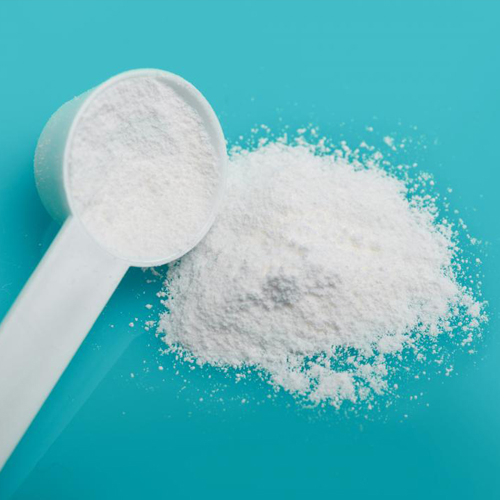
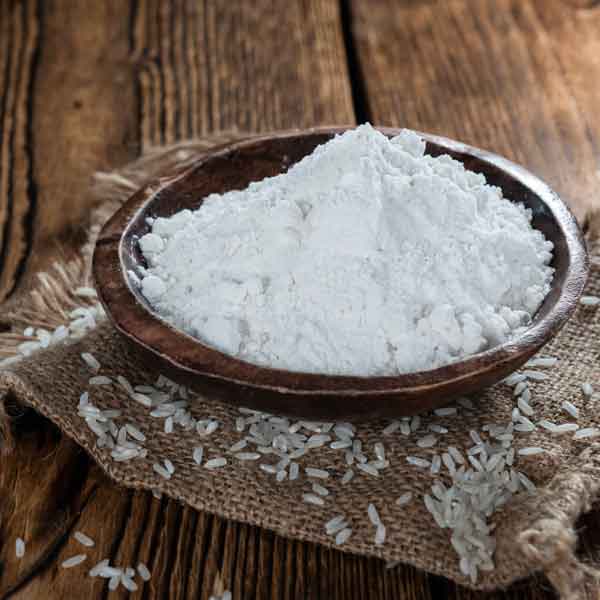
Maltodextrin is a polysaccharide produced by the partial hydrolysis of starch — typically from corn, potato, or rice. Unlike simple sugars, maltodextrin consists of glucose polymers of varying chain lengths, which influence its functional properties. It is available as a white, free‑flowing powder that dissolves readily in water.
Technically, maltodextrin is characterized by its dextrose equivalent (DE) value. Lower DE values correlate with higher molecular weight and lower sweetness, while higher DE values indicate more digestible sugars and greater sweetness. This tunable profile makes maltodextrin particularly versatile in industrial formulations, as manufacturers can select grades optimized for texture, solubility, or energy content.
Why Manufacturers Use Maltodextrin
Across industrial sectors, maltodextrin serves multiple functional roles:
- Bulking agent — Adds volume without affecting taste significantly
- Carrier for flavors and colors — Stabilizes sensitive ingredients
- Thickener and texture modifier — Enhances mouthfeel and viscosity
- Sweetness modifier — Blends with high‑intensity sweeteners
- Matrix former in spray drying — Protects volatile compounds in powders
- Energy source in sports nutrition — Provides rapidly digestible carbohydrates
These properties make maltodextrin indispensable in food processing, beverage formulation, nutritional products, and specialty industrial powders.
The Industrial Landscape in Egypt
Egypt’s industrial sector has shown remarkable growth across food and beverage processing, pharmaceuticals, and animal nutrition. Government policies encouraging local production, proximity to regional markets, and expanding export channels make strategic sourcing paramount for competitive manufacturers.
Choosing a Maltodextrin supplier in Egypt brings notable advantages:
- Reduced logistics complexity compared with distant imports
- Faster lead times that support just‑in‑time manufacturing
- Enhanced supply chain visibility and responsiveness
- Familiarity with local regulatory requirements
- Better alignment with export documentation processes for regionally distributed products
In an environment where global freight volatility and regulatory scrutiny are increasing, local supply partnerships bring both operational assurance and strategic flexibility.
Industrial Uses of Maltodextrin Across Sectors
Food and Beverage Industry
Maltodextrin is widely used in processed foods to:
- Stabilize flavors in savory seasonings
- Extend the shelf life of powdered beverages
- Improve texture in sauces, dressings, and snacks
- Balance sweetness profiles in reduced‑sugar products
Manufacturers must select grades with appropriate solubility, particle size, and DE values to achieve desired functional outcomes.
Nutritional Supplements and Sports Nutrition
In energy gels, powdered supplements, and meal replacements, maltodextrin provides:
- A rapid source of carbohydrates
- Predictable energy delivery
- Neutral flavor bases for complex formulations
For demanding formulations, working closely with your supplier to match maltodextrin grade with product goals is essential.
Pharmaceutical and Healthcare Products
While less common than in food, maltodextrin is used in pharmaceuticals as:
- A carrier for powdered formulations
- Matrix material in controlled‑release tablets
- A stabilizer in effervescent products
In these applications, purity standards and documentation are critical; the supplier’s ability to support quality audits makes a significant difference.
Animal Feed and Pet Nutrition
Maltodextrin contributes to:
- Enhanced digestible energy in feed pellets
- Improved texture and palatability
- Controlled nutrient density
Understanding how different DE grades influence digestion and feed performance can optimize product outcomes — a conversation best held with a supplier who understands both nutritional science and industrial logistics.
Core Criteria for Evaluating a Maltodextrin Supplier in Egypt
When selecting a supplier, technical capability and documentation should be evaluated alongside price and delivery schedules. Here are essential criteria:
1. Quality Assurance and Certifications
Your supplier should provide complete Certificates of Analysis (CoA) for each batch, confirming parameters such as:
- DE value
- Moisture content
- Particle size distribution
- Microbial profile
- Heavy metals and contaminants
For food and pharmaceutical sectors, certifications like ISO 22000, HACCP, and GMP are critical. Evaluate whether your supplier consistently meets both local and international quality standards.
2. Traceability and Compliance Documentation
In export‑oriented manufacturing, traceability is non‑negotiable. A reliable supplier can provide:
- Raw material origin documentation
- Production traceability logs
- Compliance certifications relevant to target markets (e.g., EU, GCC)
This level of documentation simplifies customs clearance and quality audits.
3. Logistics and Packaging Flexibility
Industrial operations benefit from flexible packaging options that match storage capacity and handling capabilities:
- Multi‑wall paper bags (25–50 kg)
- FIBC bulk bags for large volumes
- Palletized deliveries for efficient unloading
Discuss lead times, minimum order quantities (MOQ), and contingency delivery plans to support continuous production.
4. Technical Support and Collaborative Engagement
Beyond delivering product, the best suppliers act as partners who understand your production environment. Technical support includes:
- Assistance with selecting optimal DE grades
- Product trial coordination
- Troubleshooting functional performance
- Forecast alignment to prevent supply interruptions
We have seen that suppliers who engage directly with technical and QA teams streamline product development cycles and minimize formulation risks.

How Maltodextrin Grades Affect Industrial Performance
Understanding the relationship between DE value and functional behavior is essential for manufacturers:
- Low DE maltodextrin (DE < 10) — Lower sweetness, higher molecular weight, often used for thickening and texture.
- Medium DE maltodextrin (DE 10–18) — Balanced sweetness with good solubility, common in beverages and food powders.
- High DE maltodextrin (DE > 18) — Higher sweetness and quick solubility, suited for energy supplements.
Selecting the wrong DE grade can lead to:
- Inconsistent texture
- Altered dissolution rates
- Unexpected sweetness levels
- Compromised processing performance
A supplier familiar with your use case can guide you to the correct specification that aligns with your formulation goals.
Common Mistakes in Industrial Sourcing of Maltodextrin
Even experienced procurement teams can fall into predictable traps:
Mistake #1: Focusing Only on Price
Low unit cost may mask hidden costs such as higher variability, inadequate documentation, or inconsistent functional performance. Total cost of ownership (TCO) includes quality rejections, process disruptions, and regulatory delays — factors best weighed alongside price.
Mistake #2: Insufficient Specification Clarity
Assuming that all maltodextrin is the same invites variability. Precise technical specifications — including DE value, solubility, and moisture content — must be outlined clearly in purchase orders to avoid ambiguities.
Mistake #3: Ignoring Traceability Requirements
Especially for exporters and regulated industries, failing to verify traceability documentation can result in audit findings or customs delays. Aligning with a supplier trained in compliance simplifies regulatory paths.
Mistake #4: Neglecting Contingency Planning
Supply chain disruptions are inevitable. Not planning for alternate supply pathways or buffer stock strategies puts your production at risk. A contractual arrangement that includes contingency plans or dual sourcing reduces vulnerability.
Practical Checklist for Procurement Teams
To guide supplier evaluation, here is a detailed checklist:
- Request recent Certificates of Analysis (CoA) for all grades proposed.
- Validate supplier certifications (ISO, HACCP, GMP).
- Confirm documentation for traceability and export compliance.
- Review packaging options and logistics capabilities.
- Clarify lead times, MOQs, and delivery commitments.
- Evaluate historical performance with similar clients.
- Agree on acceptance testing procedures upon delivery.
- Establish contingency supply terms and risk mitigation strategies.
Deploying this checklist in supplier audits enhances decision quality and operational readiness.
Industrial Best Practices for Large‑Scale Production
Scaling up production introduces complexity that requires careful coordination between procurement, quality assurance, and process engineering. Below are actionable tips:
Align Forecasting With Supplier Planning
Sharing accurate forecasts with your supplier enables them to plan production runs and inventory positioning. This reduces stockouts and avoids carrying unnecessary inventory.
Conduct Pilot Trials Before Full Implementation
When introducing a new maltodextrin grade or switching suppliers, run pilot tests under real process conditions. These small‑scale verifications help catch functional issues before they impact full production.
Integrate Supplier Data With Quality Systems
Incorporate supplier CoA data into enterprise quality management systems (QMS) to automate acceptance criteria and streamline lot traceability.
Build Redundancy Into Your Supply Chain
Even reliable suppliers may encounter disruptions. Establishing alternative sourcing pathways or dual supplier agreements enhances operational resilience.
Emerging Trends in Maltodextrin Sourcing
Procurement strategies do not operate in a vacuum; global trends are reshaping how industrial ingredients like maltodextrin are sourced and valued.
Increasing Demand for Specialty Grades
Manufacturers are requesting maltodextrin variants tailored to specific performance needs — from low sweetness for reduced‑sugar products to specialty carriers for microencapsulation. Suppliers capable of delivering bespoke solutions add strategic value.
Sustainability and Environmental Accountability
Environmental stewardship is influencing supplier selection. Manufacturers are increasingly prioritizing partners who demonstrate sustainable production practices, eco‑efficient logistics, and transparent supply chains.
Digital Traceability and Data Integration
Suppliers that offer digital portals for accessing Certificates of Analysis, shipment tracking, and batch documentation improve operational efficiency and reduce administrative workloads.
These trends suggest that modern sourcing is as much about data and sustainability as it is about traditional logistics.
Frequently Asked Questions From Factory Managers and Procurement Teams
What Are Typical Lead Times for Maltodextrin Deliveries in Egypt?
Lead times depend on local inventory, packaging requirements, and supplier logistics capabilities. Local warehousing dramatically shortens delivery timelines compared to imports.
How Should Maltodextrin Be Stored?
Proper storage involves a dry, temperature‑controlled environment to prevent caking and moisture absorption. Maintaining stable conditions preserves functional performance.
Does Maltodextrin Grade Affect Product Shelf‑Life?
Yes. Appropriate grade selection — particularly DE value and microbial profile — influences dissolution behavior, texture stability, and shelf performance.
Can Maltodextrin Impact Product Texture?
Absolutely. Maltodextrin’s role as a bulking and texturizing agent means that inappropriate grade selection can alter mouthfeel, particle dispersion, and final product consistency.
Strategic Relationships: Beyond Transactional Sourcing
A Maltodextrin supplier in Egypt should not be treated as a transactional vendor. The most effective partnerships operate on shared technical understanding, transparent communication, and aligned expectations.
When your supplier engages with your technical teams, anticipates quality concerns, and supports documentation workflows, your internal teams are empowered to focus on product innovation and market expansion rather than firefighting supply issues.
At MT Royal, we emphasize consultative collaboration, informed specification dialogue, and alignment with production rhythms. Through integrated planning and responsive engagement, we help manufacturers maintain continuity, meet quality benchmarks, and adapt swiftly to market demands.
The Transformative Impact of Informed Sourcing
Selecting the right Maltodextrin supplier in Egypt has implications far beyond cost per kilogram. It influences product consistency, regulatory compliance, supply chain resilience, and formulation flexibility. When procurement strategies integrate clear specifications, robust documentation, and strategic supplier engagement, factories gain a competitive edge that transcends immediate production cycles.
The reality of industrial sourcing is that every raw material decision affects the entire downstream process — from sensory characteristics to stability, from process control to final product performance. Partnering with suppliers who bring technical expertise, logistical reliability, and regulatory competence ensures that your factory is not just producing at scale, but producing with confidence.
LATAMARKO LM60 – Premium Spanish-Origin Cocoa Powder
latamarko alkalized cocoa powder lm60
cocoa powder for chocolate production-Best price
Food industry raw materials – list of products
Types of Gelatin from Turkish Manufacturer
Alkalized Cocoa Powder Price: Complete Buyer Guide for 2026



No comment