

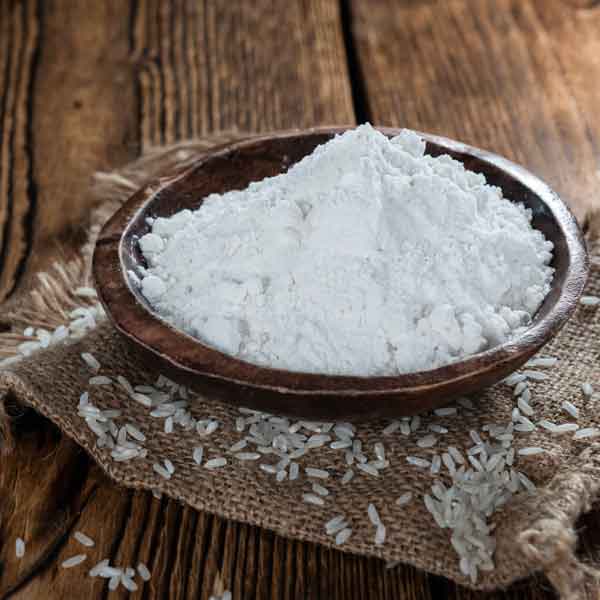
In the modern manufacturing landscape, sourcing high-quality maltodextrin is no longer a simple procurement task—it is a strategic decision that can significantly influence product quality, operational efficiency, and overall profitability. Maltodextrin is a versatile carbohydrate widely used in food, beverage, pharmaceutical, and industrial applications due to its unique functional properties such as solubility, low sweetness, bulking capability, and textural enhancement.
For factories and production facilities in Oman, choosing a reliable maltodextrin supplier is crucial for maintaining consistent quality and seamless production. At MT Royal, we have extensive experience working with industrial clients across Oman, providing premium-grade maltodextrin with competitive pricing, reliable delivery, and practical technical support for process optimization. This guide will provide you with an in-depth understanding of maltodextrin, its industrial applications, procurement challenges, and actionable insights to ensure your factory makes informed purchasing decisions.
Understanding Maltodextrin: Fundamentals and Industrial Significance
Maltodextrin is a polysaccharide derived from starch, typically corn, rice, or potato starch, through controlled hydrolysis. It consists of glucose polymers with a DE (Dextrose Equivalent) value that determines its sweetness, solubility, and functional characteristics.
Key Properties:
- Bulking agent: Provides volume without significantly increasing sweetness.
- Stabilizer: Enhances texture and consistency in powdered and liquid formulations.
- Carrier: Facilitates the encapsulation of flavors, colors, and sensitive nutrients.
- Rapid solubility: Ensures uniform mixing in beverages, sauces, and nutritional products.
- Shelf-life enhancer: Reduces moisture absorption and maintains product integrity.
Industrial buyers must understand these properties to select the appropriate maltodextrin grade and DE value for their production needs. Even minor differences in DE, particle size, or moisture content can affect product performance, processing efficiency, and stability.
Common Mistakes in Industrial Maltodextrin Procurement
Despite its widespread use, factories often face challenges when sourcing maltodextrin. Common mistakes include:
- Focusing solely on cost: Opting for the lowest-price supplier may result in inconsistent quality, delayed deliveries, and non-compliance with regulations. At MT Royal, we have observed that factories partnering with a supplier who balances quality, reliability, and competitive pricing achieve better long-term outcomes.
- Ignoring specification details: Maltodextrin comes in various DE values and forms—powder, granules, or agglomerated types. Using the wrong form can affect solubility, texture, and overall product consistency.
- Improper storage conditions: Maltodextrin is hygroscopic and prone to clumping if stored in high humidity or improper containers. Proper storage prevents caking and ensures consistent quality.
- Overlooking regulatory compliance: Food, pharmaceutical, and industrial-grade maltodextrin must meet local and international standards. Suppliers knowledgeable in regulatory requirements reduce risk and ensure legal compliance.
- Limited technical support: A reliable supplier should not only deliver the product but also provide guidance on usage, dosage, and integration into production lines for optimal results.
How to Choose the Right Maltodextrin Supplier in Oman
Selecting the right supplier is a strategic decision that goes beyond pricing. Key factors include:
- Quality assurance: Ensure the supplier provides ISO, HACCP, or GMP certifications along with batch-specific Certificates of Analysis (CoA).
- Consistent supply: The supplier should be capable of fulfilling both small-scale and bulk orders reliably.
- Technical expertise: Look for guidance on appropriate DE values, process integration, and storage solutions.
- Competitive pricing: Balance affordability with quality, reliability, and support.
- Industry experience: Suppliers familiar with your sector can reduce trial-and-error and help optimize production processes.
MT Royal excels in all these areas, providing factories in Oman with a reliable, technically supported supply of maltodextrin that meets stringent industrial and regulatory requirements.
Industrial Applications of Maltodextrin
Maltodextrin is widely used across multiple sectors due to its versatility and functional benefits. Understanding these applications helps industrial buyers optimize product selection and processing efficiency.
Food and Beverage Industry
- Bakery products: Enhances texture, volume, and moisture retention.
- Confectionery: Serves as a bulking agent and carrier for flavors and sweeteners.
- Beverages: Provides solubility and mouthfeel without adding significant sweetness.
- Snacks and cereals: Improves crunch, texture, and shelf-life stability.
Pharmaceutical Industry
- Nutritional powders: Acts as a carrier for vitamins, minerals, and other nutrients.
- Effervescent formulations: Provides bulk and ensures uniform dissolution.
- Tablet and capsule production: Enhances texture, prevents clumping, and aids in controlled release.
Industrial Applications
- Encapsulation: Protects sensitive flavors, colors, and bioactive compounds.
- Stabilization of emulsions: Improves viscosity and consistency in various formulations.
- Dry blends and instant mixes: Facilitates free-flowing powders and prevents caking.
By understanding these applications, factories can select the appropriate maltodextrin grade and DE value to match their production requirements precisely.
Industrial Considerations for Large-Scale Production
Scaling up production presents unique challenges that must be addressed:
- Batch consistency: Variations in DE value, moisture, or particle size can affect product texture, sweetness, and solubility.
- Storage optimization: Maltodextrin must be stored in cool, dry, and airtight conditions to prevent caking and maintain quality.
- Process integration: Match maltodextrin form to your equipment and production process for optimal performance.
- Documentation and traceability: Maintain CoAs, safety data sheets, and production records for regulatory compliance and quality control.
At MT Royal, we have guided factories in Oman to implement large-scale production with minimal disruption, ensuring consistent product performance and operational efficiency.
Frequently Asked Questions by Factory Managers
Q1: How do I choose the right DE value?
Lower DE values provide less sweetness and higher bulk, suitable for baked goods, while higher DE values offer solubility and mild sweetness for beverages and instant products.
Q2: How should maltodextrin be stored in Oman’s climate?
Store in cool, dry, airtight containers to prevent moisture absorption, clumping, or caking.
Q3: Can maltodextrin improve processing efficiency?
Yes. Properly selected maltodextrin enhances solubility, prevents clumping, maintains texture, and improves overall production consistency.
Q4: How can I ensure supplier reliability?
Partner with suppliers who provide batch CoAs, have proven delivery performance, and offer technical support—MT Royal fulfills all these criteria.
MT Royal: Trusted Maltodextrin Supplier in Oman
Choosing a supplier is about more than price; it is about quality, reliability, and technical partnership. MT Royal stands out because we:
- Offer a wide range of maltodextrin grades suitable for food, pharmaceutical, and industrial applications.
- Provide technical support for optimal formulation, processing, and integration.
- Ensure consistent delivery schedules and competitive pricing.
- Have extensive experience supporting factories across Oman in small- and large-scale operations.
We have observed that factories collaborating with MT Royal experience improved operational efficiency, reduced production risk, and consistent product quality. We provide not just supply but strategic partnership for industrial success.
Strategic Tips for Procurement Teams
- Evaluate production requirements: Determine the correct maltodextrin form and DE value for your application.
- Verify supplier credentials: Request CoAs, certifications, and safety data sheets.
- Plan inventory strategically: Balance stock levels to prevent shortages while avoiding overstocking.
- Leverage supplier expertise: Discuss process optimization, cost-saving strategies, and quality enhancement methods.
Implementing these practices ensures robust supply chain management, smoother operations, and higher-quality final products.
Industry Trends and Insights
The global maltodextrin market is evolving due to:
- Rising demand in functional foods, beverages, and nutritional supplements.
- Growth in pharmaceutical, nutraceutical, and industrial applications.
- Technological improvements in starch processing and hydrolysis that enhance purity, consistency, and cost-effectiveness.
- Sustainability initiatives, with manufacturers increasingly seeking environmentally friendly production processes.
Factories in Oman can capitalize on these trends by sourcing high-quality maltodextrin from a trusted partner like MT Royal, ensuring compliance with international standards while improving operational efficiency.
Conclusion
Selecting a maltodextrin supplier in Oman is a strategic decision with significant implications for product quality, operational efficiency, and cost management. Partnering with MT Royal ensures access to premium-grade maltodextrin, technical support, and a reliable supply chain tailored to industrial requirements.
Factories that understand maltodextrin applications, DE value, storage, and process integration gain a competitive edge, improving production consistency, reducing waste, and ensuring compliance. With MT Royal as a strategic partner, your operations become more efficient, reliable, and future-ready.



No comment