

In the rapidly growing food, beverage, and industrial markets in Saudi Arabia, finding a reliable maltodextrin supplier in Saudi Arabia is a strategic necessity. Whether you operate a bakery in Riyadh, a dietary supplement line in Jeddah, or an industrial beverage production facility in Dammam, partnering with a supplier who understands both local and global supply chains is critical. MT Royal has extensive experience collaborating with regional manufacturers, ensuring quality, cost control, and regulatory compliance.
This guide will explain what maltodextrin is, its industrial importance in Saudi Arabia, how to avoid common supply mistakes, and how to select the right supplier for your production needs.
What Is Maltodextrin? Definitions and Fundamentals
Understanding maltodextrin is the first step toward optimizing its use in your production lines.
- Chemical and Physical Nature:
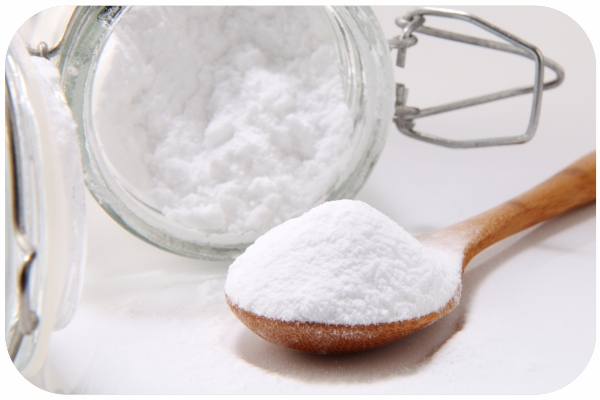
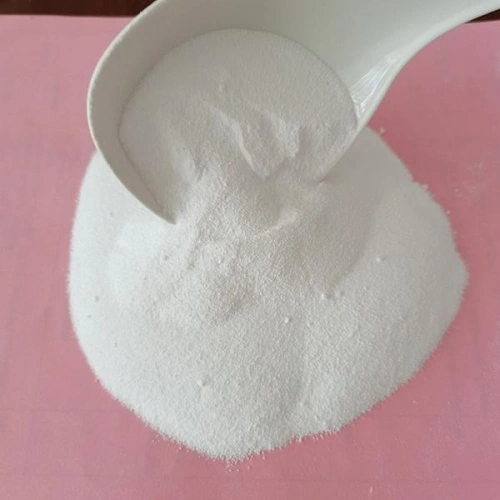
Maltodextrin is a polysaccharide produced from starch via partial hydrolysis. Typically sourced from corn, potato, rice, or wheat starch, it appears as a white powder with mild sweetness and high water solubility. - Functional Properties:
- Low sweetness compared to sugar
- High solubility and dispersibility
- Low osmotic pressure, preventing product crystallization
- Film-forming capability for coating or encapsulation
- Viscosity control and freeze-thaw stability in frozen products
- Applications:
- Food and Beverage: bakery products, confectionery, sauces, soups, and smoothies
- Pharmaceutical: binding agent, carrier for active ingredients
- Supplements and Sports Nutrition: energy powders, sports drinks
- Other Industrial Uses: coatings, paper, textiles
The Saudi Market Landscape: Demand, Imports, and Trends
Understanding the local market is crucial for selecting the right supplier.
Market Growth
- The demand for maltodextrin in the Middle East and Africa is steadily increasing, with Saudi Arabia as a key hub.
Import Dependence
- Saudi Arabia relies heavily on imports, mainly from Malaysia, the USA, and India.
Regional Production Trends
- Local production remains limited, while demand continues to grow.
- Strategic suppliers can optimize logistics and storage costs for manufacturers.
Common Mistakes in Industrial Supply of Maltodextrin
Selecting and managing a maltodextrin supply chain is complex. Common pitfalls include:
- Ignoring Supplier Certifications: Ensure your supplier complies with ISO, HACCP, and local food regulations.
- Underestimating Storage Conditions: Maltodextrin is hygroscopic; improper storage can lead to clumping and reduced quality.
- Overlooking Batch Consistency: Variations in dextrose equivalent (DE) values can affect product texture and sweetness.
- Neglecting Delivery Reliability: Delays disrupt production schedules and increase operational costs.
By avoiding these mistakes, you can ensure smoother production, higher-quality products, and better cost management.
How to Select the Right Maltodextrin Supplier in Saudi Arabia
Key Evaluation Criteria
- Product Range: Check the DE values, starch sources, and specialty grades offered.
- Quality Assurance: Ask for certificates, testing protocols, and third-party audits.
- Supply Chain Reliability: Evaluate delivery times, warehousing capabilities, and inventory management.
- Technical Support: Choose suppliers offering formulation advice and process support.
MT Royal stands out in all these aspects, consistently supplying various grades of maltodextrin at competitive prices while providing technical guidance to manufacturers.
Industrial Tips for Large-Scale Production
For factories scaling up production, certain industrial practices ensure efficiency:
- Batch Testing: Regularly check DE levels, moisture content, and particle size.
- Integration with Formulations: Adjust maltodextrin levels to control viscosity, sweetness, and mouthfeel.
- Storage Management: Maintain cool, dry, and airtight conditions to prevent caking.
- Supplier Collaboration: Continuous communication with suppliers helps anticipate demand fluctuations and production schedules.
We have observed that manufacturers who collaborate closely with suppliers like MT Royal experience fewer quality issues and better cost predictability.
Frequently Asked Questions from Factory Managers and Procurement Officers
Q1: What DE value should I choose for beverage applications?
- Typically, a DE of 10–20 is ideal for low viscosity and mild sweetness.
Q2: Can maltodextrin be used in high-temperature processing?
- Yes, but heat stability varies by grade. Selecting the right supplier ensures compatibility with your processing conditions.
Q3: How is maltodextrin shipped in Saudi Arabia?
- Most suppliers provide bulk bags or drums, depending on production scale, and ensure compliance with food safety standards.
Q4: Is customization possible?
- Many suppliers, including MT Royal, can adjust DE levels, particle size, and moisture content according to your specifications.
Conclusion: Strategic Supply Ensures Production Success
A dependable maltodextrin supplier in Saudi Arabia is more than just a source of raw material; it is a partner in product quality, operational efficiency, and cost management. By understanding the functional properties of maltodextrin, navigating the Saudi market, avoiding common supply mistakes, and selecting a supplier that offers technical support and reliability, manufacturers can significantly enhance their production outcomes.
Manufacturers who work with experienced suppliers like MT Royal benefit from consistent product quality, competitive pricing, and industry insights, enabling them to focus on innovation and market growth. In a competitive market, the right supply partner is a decisive advantage.


No comment