

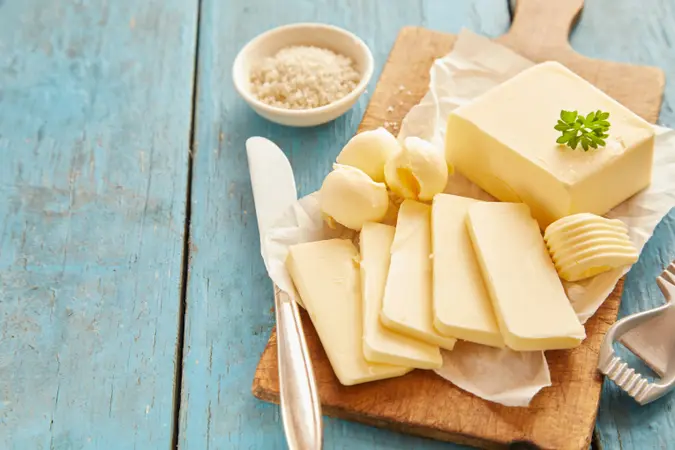
For decades, cocoa butter has been the gold standard in confectionery and premium baking, prized for its creamy texture, melting behavior, and unique flavor profile. However, in large-scale industrial baking, relying solely on cocoa butter can pose challenges, particularly around cost, supply consistency, and production flexibility.
This is where margarine and alternative fats come into play. By carefully selecting functional fats as cocoa butter replacements, manufacturers can maintain product quality while optimizing cost and process efficiency.
At MT Royal, we’ve worked closely with manufacturing facilities across Europe and Turkey, observing firsthand how strategic fat replacement can impact production outcomes. Moreover, premium European brands like Latamarko provide benchmark solutions that combine consistency, performance, and long-term reliability for high-volume production.
In this article, we’ll explore the science, application, and practical considerations of using margarine and fats as cocoa butter alternatives in industrial baking.
Understanding Cocoa Butter: Basics and Limitations
What is Cocoa Butter?
Cocoa butter is a pale-yellow, edible fat extracted from cocoa beans. Its distinctive properties include:
- Sharp melting point: melts at around 34–38°C, ideal for smooth chocolate textures.
- Firmness at room temperature: helps in molding chocolates and confectionery.
- Mouthfeel and flavor release: provides a creamy, luxurious sensation.
Challenges in Industrial Baking
While cocoa butter is invaluable for premium products, it presents industrial challenges:
- Cost volatility: global cocoa supply fluctuations affect pricing.
- Limited availability: high-quality cocoa butter can be difficult to source consistently.
- Processing constraints: its narrow melting range requires precise tempering to avoid bloom or texture issues.
This is why many large-scale manufacturers explore margarine and functional fats to reduce costs while maintaining performance.
Margarine and Functional Fats: Definitions and Key Properties
What is Margarine?
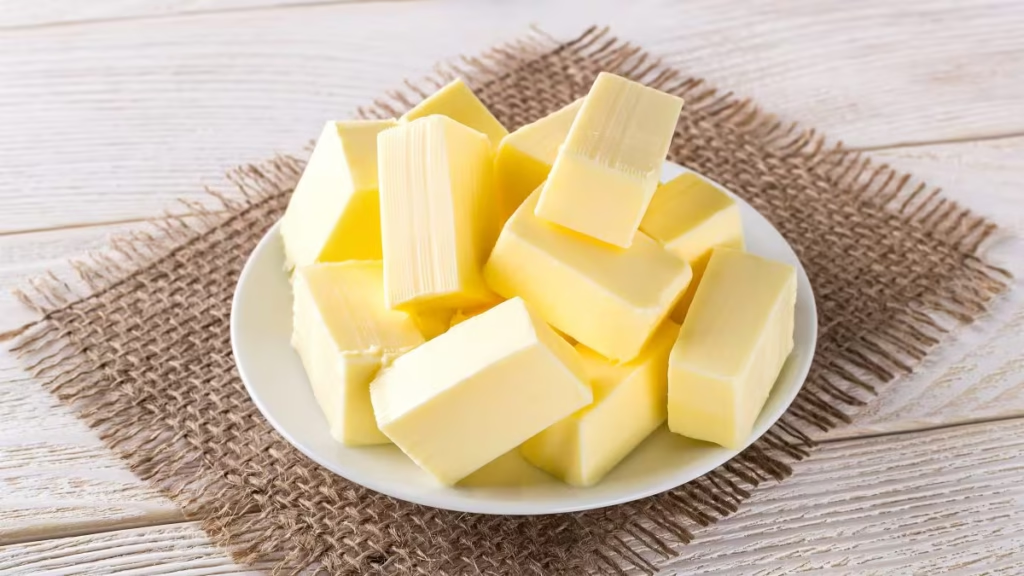
Margarine is a semi-solid fat composed primarily of vegetable oils and water, often hydrogenated or interesterified to improve stability. Key attributes relevant to baking include:
- Plasticity: spreads easily and blends well with other ingredients.
- Consistency: ensures uniform texture in doughs and batters.
- Stability: can withstand higher temperatures without melting prematurely.
Alternative Functional Fats
Besides margarine, other functional fats suitable for cocoa butter replacement include:
- Palm kernel oil: stable and inexpensive, often used in chocolate coatings.
- Interesterified fats: engineered for specific melting points and hardness.
- Blended vegetable fats: customized to mimic cocoa butter behavior in flavor release and snap.
These fats are often combined to tailor melting profile, hardness, and mouthfeel, closely replicating cocoa butter’s performance in specific applications.
Benefits of Using Margarine and Fats in Industrial Baking
Cost Efficiency
Replacing a portion of cocoa butter with functional fats can reduce ingredient costs by 20–50% without compromising product quality. Bulk sourcing of margarine and palm-based fats, such as those available via MT Royal, ensures predictable pricing for large production runs.
Production Flexibility
Functional fats provide:
- Wider temperature tolerance: less sensitive to tempering errors.
- Enhanced processability: easier pumping, mixing, and molding in automated lines.
- Longer shelf stability: reduces risk of bloom or separation during storage.
Customization Opportunities
Manufacturers can adjust fat blends to achieve specific characteristics:
- Snap and firmness for molded chocolates.
- Creaminess for fillings and ganaches.
- Spreadability for coatings and laminated doughs.
Premium suppliers like Latamarko offer tailored fat blends engineered for large-scale confectionery operations, providing predictable performance.
Common Misconceptions About Cocoa Butter Replacements
Despite their advantages, many manufacturers hesitate to adopt functional fats. Common misconceptions include:
- “Cocoa butter replacements compromise flavor.”
While some cheaper blends may alter taste, high-quality margarine and palm-based fats can be formulated to be flavor-neutral, preserving cocoa notes. - “Alternatives reduce mouthfeel.”
Properly engineered blends replicate cocoa butter’s melting profile and creaminess. - “Functional fats are not suitable for premium products.”
With brands like Latamarko, industrial-grade fats can meet premium sensory standards while improving cost-efficiency.
Understanding the science behind fat behavior is crucial to dispelling these myths.
Selecting the Right Fat Blend: Step-by-Step Guide
When considering margarine or alternative fats for cocoa butter replacement:
- Define product goals
Are you producing molded chocolates, coatings, or fillings? The application determines the fat profile. - Analyze melting behavior
Choose fats with compatible melting points for your production environment. - Consider textural properties
Evaluate hardness, snap, and creaminess requirements. - Assess compatibility with other ingredients
Functional fats must blend well with sugar, milk solids, and emulsifiers. - Test in pilot batches
Conduct trial runs to verify taste, texture, and shelf stability before scaling.
At MT Royal, we guide manufacturers through this process, supplying a range of tested, reliable fat blends.
Industrial Insights and Real-Life Examples
Case Study: Chocolate Coating Production
A Turkish bakery replacing 30% cocoa butter with a margarine-palm oil blend observed:
- 25% reduction in raw material costs
- Improved handling on automated enrobing lines
- Shelf life extended by 2 weeks due to reduced fat bloom
Observations from Production Plants
We’ve seen plant managers prioritize:
- Consistency over minor cost savings
- Predictable crystallization behavior
- Compatibility with existing tempering and molding equipment
The key takeaway: functional fats are not just cheaper—they enhance production reliability.
Comparison Table: Cocoa Butter vs. Functional Fats
| Property | Cocoa Butter | Margarine/Functional Fat |
|---|---|---|
| Cost | High | Moderate |
| Melting Point Control | Narrow | Customizable |
| Shelf Life | Medium | Extended |
| Production Tolerance | Low | High |
| Flavor Impact | Characteristic | Neutral/Customizable |
| Industrial Scalability | Moderate | High |
This table highlights why functional fats are increasingly preferred in high-volume baking operations.
Industry-Specific Considerations
- Mass Production: Functional fats reduce downtime caused by tempering errors.
- Export Products: Stable fats resist transportation temperature variations.
- Regulatory Compliance: Palm-based blends may require certification for sustainability (e.g., RSPO).
- Cost per Unit Analysis: Bulk purchasing from suppliers like MT Royal ensures predictable budgets.
Frequently Asked Questions (FAQ)
Q1: Can margarine fully replace cocoa butter?
A1: While complete replacement is possible, partial substitution often preserves the flavor profile and premium texture.
Q2: Are there premium fat alternatives?
A2: Yes. Brands like Latamarko offer engineered fats for consistent, high-quality performance.
Q3: Does replacing cocoa butter affect shelf life?
A3: Functional fats with higher stability can extend shelf life and reduce bloom formation.
Q4: How much replacement is typical?
A4: Most industrial recipes replace 20–50% of cocoa butter with functional fats for optimal results.
Summary
Cocoa butter will always remain a premium ingredient, but for industrial-scale baking, margarine and functional fats provide unmatched flexibility, cost efficiency, and reliability. By selecting the right blends, testing pilot runs, and sourcing from trusted suppliers like MT Royal and Latamarko, manufacturers can achieve:
- Reduced production costs
- Improved consistency and shelf stability
- Customizable texture and mouthfeel
- Reliable scalability across multiple product lines
Ultimately, the strategic use of cocoa butter alternatives is not a compromise—it is an opportunity to innovate, scale, and maintain product excellence in competitive confectionery markets.
Food industry raw materials – list of products
Telegram channel of MT Royal company


No comment