

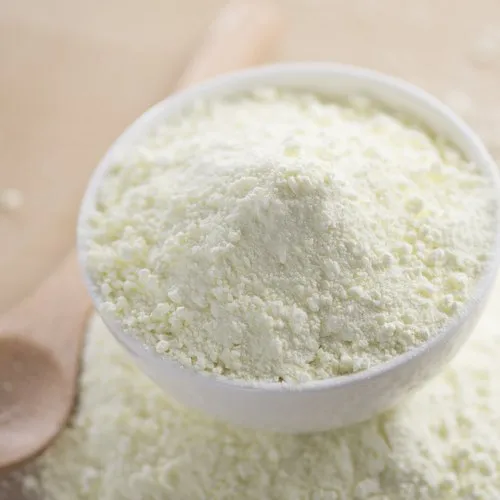
For factories and manufacturers, sourcing high-quality milk powder is more than a matter of cost—it is a strategic decision that impacts product consistency, nutritional value, and overall production efficiency. The Milk Powder price 1kg is a critical metric for budgeting, planning, and evaluating supplier options. Whether you are producing bakery items, confectionery, beverages, or nutritional products, understanding the nuances behind milk powder pricing ensures your operations remain profitable while maintaining top-tier product quality.
At MT Royal, we have worked closely with multiple industrial clients, helping them navigate the complexities of milk powder procurement. This article provides an in-depth look at milk powder, its classifications, industrial applications, cost determinants, and sourcing strategies, equipping your factory to make informed purchasing decisions.
Milk powder, also known as dried milk, is produced by removing water from liquid milk, resulting in a concentrated, shelf-stable product. This ingredient is widely used in the food industry due to its versatility, long shelf life, and ability to standardize formulations. Key benefits include:
- Stability: Extended shelf life compared to liquid milk.
- Nutritional value: Retains essential proteins, calcium, and vitamins.
- Ease of storage and transport: Lightweight and less perishable.
- Consistency in production: Enables standardized formulations across batches.
The Milk Powder price 1kg is closely linked to these functional advantages, as higher-quality powders often provide superior solubility, taste, and nutritional integrity.
Types of Milk Powder
Industrial buyers generally encounter several types:
- Whole Milk Powder (WMP): Retains milk fat, suitable for bakery products, chocolate, and confectionery.
- Skimmed Milk Powder (SMP): Minimal fat content, ideal for low-fat formulations and beverages.
- Instant Milk Powder: Quick-dissolving, often fortified with vitamins and minerals for beverage applications.
Each type serves distinct industrial purposes, and understanding these distinctions helps determine the Milk Powder price 1kg effectively.
LATAMARKO LM60 – Premium Spanish-Origin Cocoa Powder
latamarko alkalized cocoa powder lm60
cocoa powder for chocolate production-Best price
Food industry raw materials – list of products
Types of Gelatin from Turkish Manufacturer
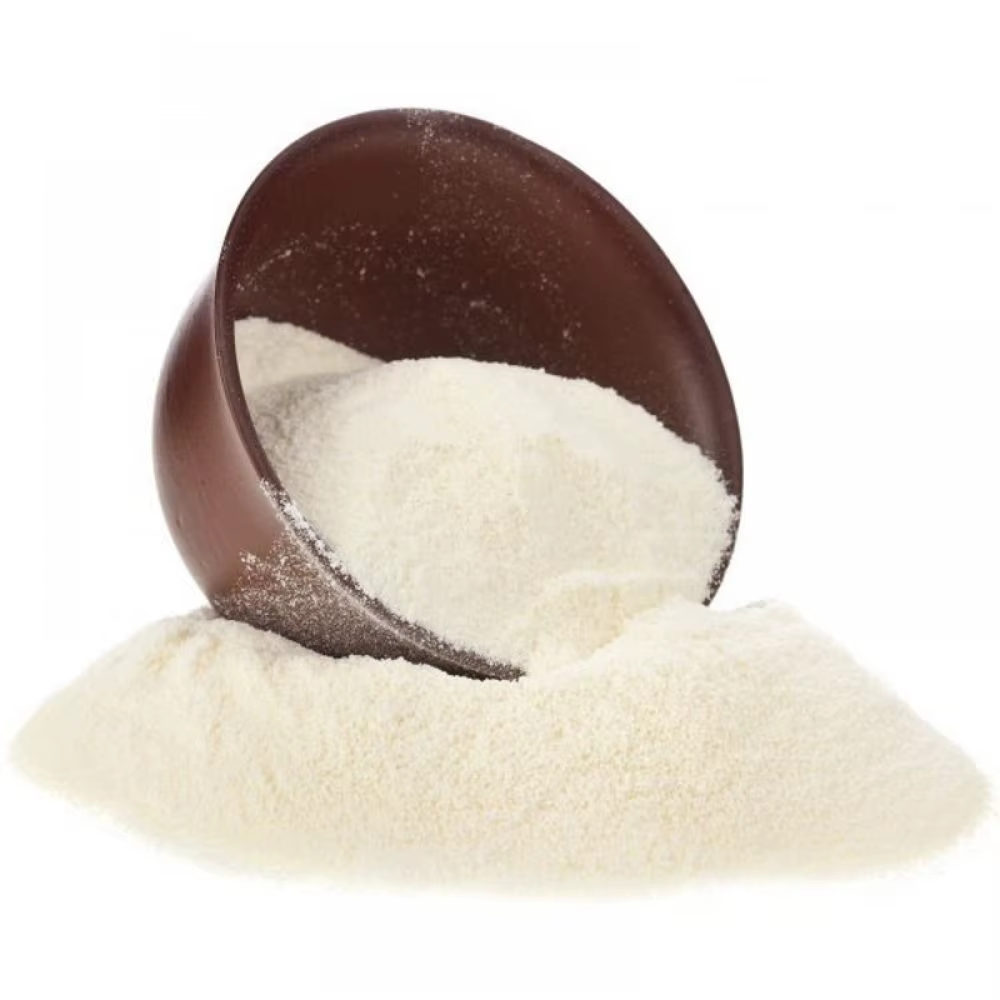
Factors Influencing Milk Powder Price
The Milk Powder price 1kg is not arbitrary; it reflects a combination of raw material costs, processing technology, regulatory compliance, and market dynamics.
Raw Material Quality
The source of milk significantly affects the powder’s quality and price. Factors include:
- Cow breed and feed quality
- Seasonal variations in milk composition
- Microbial and chemical safety standards
Higher-grade raw milk yields powders with superior protein content and solubility, justifying higher costs per kilogram.
Processing and Technology
Advanced spray drying, homogenization, and fortification technologies influence price. Premium powders often undergo multiple processing steps to enhance solubility, flavor, and nutritional consistency.
Regulatory Compliance
Milk powder must meet stringent standards depending on the market—FDA, EU, or local certifications. Compliance adds to production costs but ensures safety, traceability, and export eligibility.
Market Supply and Demand
Global milk production cycles, feed costs, and international trade regulations affect the Milk Powder price 1kg. For example, seasonal shortages or export restrictions can increase prices significantly.
Common Mistakes in Industrial Sourcing
Even experienced procurement teams can make errors when sourcing milk powder:
- Focusing solely on price: Ignoring functional properties such as protein content and solubility can compromise product quality.
- Neglecting supplier certifications: Lack of ISO, HACCP, or regional approvals can pose compliance risks.
- Overlooking storage requirements: Improper storage may lead to caking, moisture absorption, or microbial growth.
- Ignoring supply chain reliability: Unstable suppliers can cause production interruptions, regardless of cost savings.
In our collaboration with factories, we have consistently seen that integrating supplier audits, batch testing, and storage protocols prevents costly mistakes.
Industrial Applications of Milk Powder
Bakery Products
Milk powder improves:
- Dough elasticity in breads and pastries
- Flavor and color in baked goods
- Nutritional value for fortified products
Whole milk powder is typically preferred for richer textures, while skimmed milk powder fits low-fat formulations.
Confectionery
In chocolates, caramel, and fillings, milk powder contributes to:
- Creamy texture
- Enhanced sweetness perception
- Stable emulsions in ganaches and fondants
High-fat WMP often commands a higher Milk Powder price 1kg due to its superior sensory properties.
Beverages and Nutritional Products
Milk powders are widely used in:
- Infant formulas and adult nutrition drinks
- Protein shakes and powdered milk beverages
- Ready-to-mix hot chocolate and coffee creamers
Solubility, protein content, and flavor neutrality influence both cost and industrial applicability.
Dairy Product Manufacturing
Milk powders can be reconstituted for yogurt, cheese, or ice cream production. They allow consistent protein and fat levels, making production more predictable and cost-effective.
Large-Scale Industrial Considerations
Storage and Handling
Proper storage ensures product integrity:
- Maintain cool, dry conditions below 25°C
- Use airtight containers to prevent moisture ingress
- Implement FIFO (First In, First Out) rotation for batch consistency
Functional Performance
Factories should assess:
- Protein content and solubility index for recipe consistency
- Fat content to match product specifications
- Microbiological stability to meet food safety standards
Supplier Reliability
Consistent supply is essential for uninterrupted production. MT Royal offers multiple brands with verified certifications, ensuring reliable delivery and quality for industrial clients.
Comparing Milk Powder Options
| Type | Fat Content | Protein Content | Industrial Uses | Approx. Milk Powder Price 1kg |
|---|---|---|---|---|
| Whole Milk Powder | 26–28% | 24–26% | Confectionery, bakery, chocolate | Higher range due to fat content |
| Skimmed Milk Powder | 0.5–1.5% | 34–36% | Low-fat products, beverages | Mid-range price |
| Instant Milk Powder | 26–28% | 24–26% | Quick-mix beverages, fortified formulas | Premium due to solubility |
This comparison allows procurement teams to select powders that balance functionality with budget considerations.
Emerging Trends Impacting Milk Powder Pricing
- Organic and grass-fed powders: Growing consumer demand for clean-label products drives higher costs.
- Fortified and functional powders: Vitamins, minerals, and protein enhancements increase industrial value and price.
- Global trade dynamics: Exchange rates, export policies, and feed prices influence the Milk Powder price 1kg.
- Sustainability focus: Environmentally responsible sourcing from certified farms is increasingly prioritized.
Factories aligning with these trends gain both market relevance and operational efficiency.
Frequently Asked Questions
What determines the Milk Powder price 1kg?
Quality of raw milk, processing, certifications, and market dynamics are the main determinants.
How can I ensure consistent supply for large-scale production?
Partner with verified suppliers like MT Royal, maintain safety stock, and establish batch traceability.
Which type of milk powder is suitable for bakery applications?
Whole milk powder is preferred for richer texture, while skimmed milk powder suits low-fat formulations.
Can milk powder be reconstituted without compromising quality?
Yes, provided it is dissolved in appropriate water temperature and agitation conditions, maintaining protein integrity.
Strategic Recommendations for Manufacturers
To optimize milk powder procurement:
- Evaluate both cost and functional properties to ensure consistent product quality.
- Prioritize suppliers with certifications and proven reliability.
- Implement proper storage and inventory controls to prevent spoilage.
- Align sourcing with market trends, including organic and fortified powders, for competitive advantage.
Choosing the right milk powder at the optimal price per 1kg enables factories to maintain product quality, reduce production risks, and remain agile in competitive markets.


No comment