

If your factory in Afghanistan produces food, beverages, animal feed, or nutritional products, mineral premix sourcing is not a routine purchasing task—it is a decision that directly affects product efficacy, regulatory compliance, and brand credibility. Choosing the right Mineral Premix Supplier for Afghanistan determines whether your final product delivers consistent nutritional value batch after batch, or whether it exposes your operation to hidden risks such as formulation drift, micronutrient instability, and supply-chain disruption.
At MT Royal, we have worked with manufacturers operating in complex production environments, where climate variability, raw material inconsistency, and logistics constraints are part of daily reality. What successful factories have in common is not luck, but structured sourcing decisions—especially when it comes to mineral premixes. This guide is written for production managers, quality controllers, nutritionists, and procurement professionals who want clarity, depth, and actionable insight rather than surface-level explanations.
Alkalized Cocoa Powder Supplier
latamarko alkalized cocoa powder lm60
Food industry raw materials – list of products
What Is a Mineral Premix and Why It Matters in Industrial Production
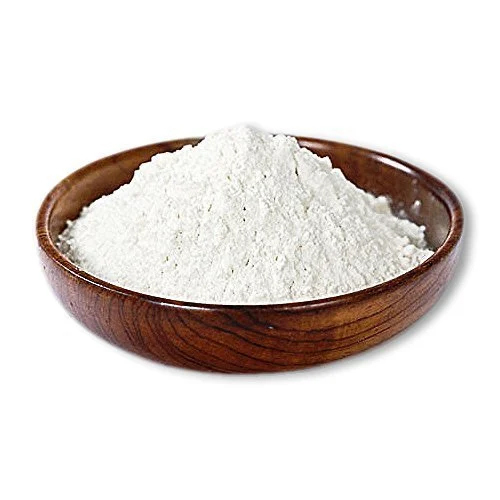
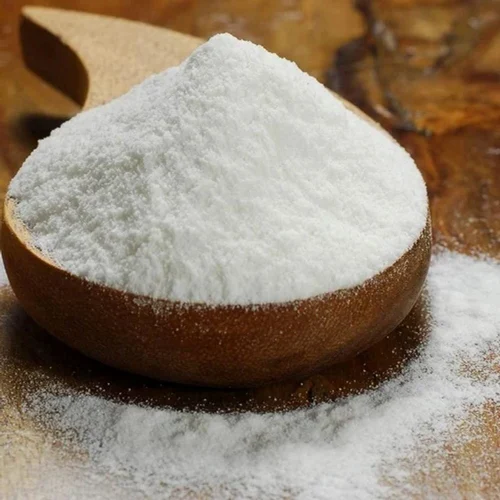
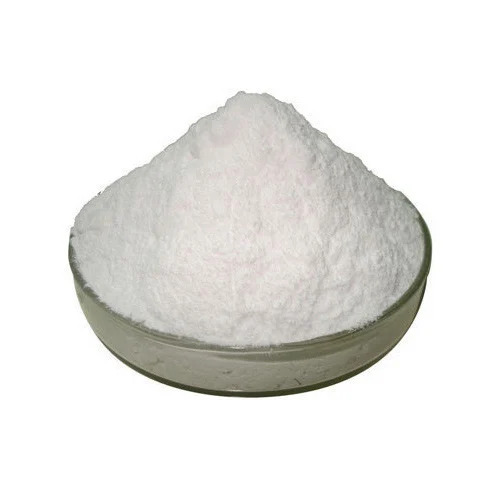
A mineral premix is a precisely formulated blend of macro and micro minerals designed to be incorporated into food, feed, or nutraceutical products at controlled inclusion rates. Unlike single mineral additives, premixes ensure uniform distribution, bioavailability, and stability throughout processing and storage.
In industrial settings, mineral premixes serve three core purposes:
- Nutritional standardization across batches
- Process efficiency and dosing accuracy
- Regulatory and labeling compliance
For manufacturers in Afghanistan, these functions take on added importance. Variations in raw materials, water quality, and storage conditions can significantly impact mineral performance. A competent Mineral Premix Supplier for Afghanistan understands these variables and designs solutions accordingly.
The Industrial Role of Mineral Premixes Across Sectors
Mineral premixes are used across multiple production categories, each with its own technical requirements.
Food and Beverage Manufacturing
In fortified foods such as flour, dairy products, beverages, and processed snacks, mineral premixes ensure consistent micronutrient delivery without affecting taste, texture, or shelf life. Improper mineral selection can cause discoloration, off-flavors, or sedimentation—issues no brand can afford.
Animal Feed and Poultry Production
In feed manufacturing, mineral premixes directly influence growth rate, feed conversion ratio, immunity, and reproductive performance. Trace minerals like zinc, selenium, copper, and manganese must be delivered in bioavailable forms, balanced to avoid antagonism.
Nutraceuticals and Supplements
In tablets, capsules, and powdered supplements, mineral premixes must meet strict purity and particle size specifications. Flowability, compressibility, and stability under heat or humidity are critical factors.
A reliable Mineral Premix Supplier for Afghanistan does not treat these sectors the same. Each requires tailored formulation strategies.
Why Afghanistan Requires a Specialized Sourcing Approach
Afghanistan’s production environment presents challenges that generic suppliers often overlook.
Temperature extremes can degrade sensitive mineral forms. Storage facilities may lack climate control. Transportation routes can be unpredictable. In such conditions, mineral premixes must be robust—not just nutritionally accurate on paper.
We have seen manufacturers face recurring quality issues not because of poor production practices, but because their mineral premix was not designed for local realities. This is where supplier expertise becomes decisive.
Common Industrial Mistakes in Mineral Premix Procurement
Even experienced procurement teams can fall into avoidable traps.
Treating Mineral Premixes as Commodities
One of the most frequent mistakes is assuming all mineral premixes are interchangeable. In reality, differences in mineral sources, chelation methods, and carriers can dramatically affect performance.
Ignoring Bioavailability
Not all minerals are absorbed equally. For example, inorganic mineral salts may meet specification sheets but underperform biologically. This leads to higher inclusion rates, increased costs, and inconsistent outcomes.
Overlooking Process Compatibility
Minerals interact with heat, moisture, pH, and other ingredients. A premix that works in one process may fail in another. Without supplier support, manufacturers are left troubleshooting blind.
Choosing an experienced Mineral Premix Supplier for Afghanistan helps avoid these costly missteps.
Key Components of High-Quality Mineral Premixes
Understanding what defines quality helps manufacturers evaluate suppliers more effectively.
Mineral Sources and Forms
Calcium, phosphorus, magnesium, iron, zinc, iodine, and selenium must be selected in forms that balance stability and bioavailability. Chelated and organic minerals often perform better but require precise formulation.
Carriers and Flow Agents
The carrier system ensures uniform distribution and prevents segregation. Poor carrier selection leads to dosing inaccuracies and batch inconsistency.
Particle Size and Homogeneity
Uniform particle size is essential for even mixing. This is especially critical in large-scale production where minor deviations multiply across volume.
A professional Mineral Premix Supplier for Afghanistan controls these variables through rigorous formulation and quality assurance.
Scaling Up: Mineral Premixes in Large-Volume Production
As production volumes increase, mineral premix performance becomes more sensitive.
Consistency Across Continuous Lines
In continuous production systems, even slight formulation instability can cause drift over time. Reliable premixes maintain homogeneity under constant shear and vibration.
Cost Control at Scale
At high volumes, over-formulation quickly becomes expensive. Accurate mineral premixes allow manufacturers to hit nutritional targets without safety margins that inflate costs.
We have observed that factories investing in optimized premix systems often see improved yield and reduced rework—benefits that compound over time.
Comparing Premix Strategies: Custom vs Standard Formulations
Manufacturers often face a strategic choice between off-the-shelf premixes and customized solutions.
Standard Premixes
These are suitable for basic applications with minimal variability. They offer faster availability but limited flexibility.
Custom Premixes
Custom formulations are tailored to your product matrix, processing conditions, and regulatory targets. While they require more upfront collaboration, they deliver superior long-term performance.
A capable Mineral Premix Supplier for Afghanistan offers both options and helps you decide based on operational reality, not sales pressure.
Regulatory and Quality Considerations
Compliance is not optional. Mineral premixes must align with local and export market regulations regarding permissible levels, labeling, and contaminant limits.
Reputable suppliers provide:
- Full technical documentation
- Certificates of analysis
- Traceability and batch records
At MT Royal, we prioritize sourcing from producers who meet international quality standards, ensuring that manufacturers can operate with confidence even when markets evolve.
Supply Chain Reliability and Risk Management
Inconsistent supply is one of the biggest operational risks for Afghan manufacturers. Mineral premixes are critical-path ingredients—production stops without them.
A dependable Mineral Premix Supplier for Afghanistan mitigates this risk through:
- Stable sourcing networks
- Transparent lead times
- Buffer stock strategies
We have seen how structured supply planning prevents production interruptions that would otherwise cascade into missed deliveries and lost contracts.
Frequently Asked Questions from Factory Managers and Buyers
How do we evaluate the performance of our current mineral premix?
Look beyond specification sheets. Monitor biological performance, product stability, and batch consistency. Comparative trials often reveal hidden inefficiencies.
Can one mineral premix work across multiple product lines?
Rarely. Different matrices require different mineral strategies. Attempting to universalize often compromises performance.
Are organic or chelated minerals always better?
Not always, but they often provide superior bioavailability. The right choice depends on application, cost structure, and nutritional goals.
How does a supplier add value beyond selling the premix?
Through formulation support, troubleshooting, and supply reliability. These services often matter more than the premix itself.
MT Royal’s Approach to Mineral Premix Supply
MT Royal operates as a solution-oriented ingredient partner rather than a single-brand distributor. We work with multiple international producers, allowing manufacturers to access a range of mineral premix systems at competitive prices.
We have seen how tailored premix strategies improve production stability and nutritional accuracy. This experience informs how we support manufacturers seeking a trustworthy Mineral Premix Supplier for Afghanistan.
Our role is not to dictate formulations, but to enable informed decisions—backed by technical understanding and practical experience.
Industry Trends Shaping Mineral Premix Development
The mineral premix sector is evolving alongside broader food and feed industries.
Precision Nutrition
Manufacturers are moving toward tighter nutrient tolerances, reducing over-formulation while maintaining performance.
Improved Bioavailability Technologies
Advances in chelation and encapsulation are improving mineral absorption and stability, even under harsh processing conditions.
Clean-Label and Transparency Demands
There is increasing scrutiny on ingredient sourcing and labeling. Suppliers who can document origin and functionality are gaining trust.
Staying aligned with these trends requires collaboration with suppliers who invest in innovation, not just inventory.
A Strategic Perspective on Choosing a Mineral Premix Supplier
Selecting a Mineral Premix Supplier for Afghanistan is ultimately about operational resilience. When mineral systems perform reliably, production teams spend less time firefighting and more time optimizing.
Factories that treat mineral premixes as strategic inputs—not interchangeable commodities—tend to outperform competitors in quality consistency and cost control. The difference is rarely visible on a purchase order, but it becomes obvious on the production floor.
We have witnessed how informed sourcing decisions reshape manufacturing outcomes. When mineral premixes are designed, supplied, and supported correctly, they quietly do their job—ensuring that your products deliver exactly what they promise, every single time.



No comment