

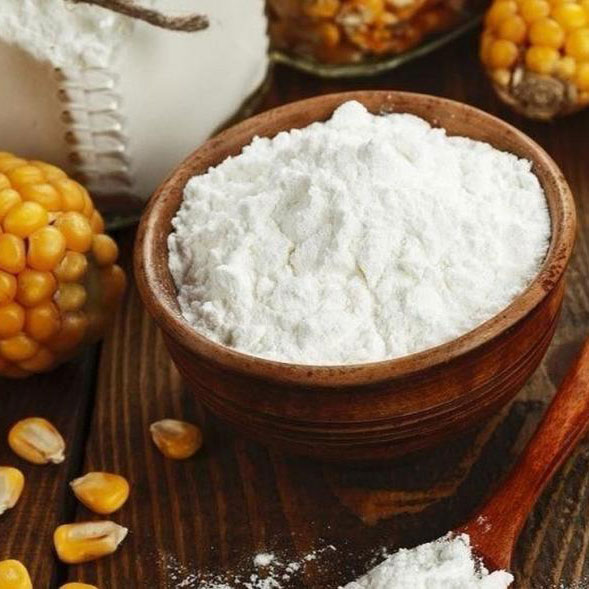
When manufacturers search for a Modified Starch supplier for Afghanistan, they are rarely looking for a simple commodity. What they are actually searching for is predictability in texture, stability under processing stress, and confidence that their production line will behave the same way tomorrow as it does today. Modified starch sits quietly inside hundreds of formulations, yet it plays an outsized role in viscosity control, freeze–thaw stability, mouthfeel, shelf life, and processing efficiency.
This is precisely why experienced producers across food, beverage, and industrial sectors increasingly choose to work with MT Royal. From the first technical discussion, the focus is not on selling bags of starch, but on aligning starch functionality with real production conditions. We have seen that when factories choose the right modified starch supplier early, they avoid years of formulation frustration and hidden operational costs.
This article is designed to fully satisfy the search intent behind Modified Starch Supplier for Afghanistan. It goes beyond surface-level explanations and provides a practical, industrial-grade framework to help factory owners, procurement managers, and technical teams make informed sourcing decisions.
latamarko alkalized cocoa powder lm60
cocoa powder for chocolate production-Best price
Food industry raw materials – list of products
Types of Gelatin from Turkish Manufacturer
The Best Supplier of Alkalized Cocoa Powder in Türkiye
Understanding Modified Starch: More Than a Thickener
Modified starch is not a single ingredient. It is a family of starches that have been physically, enzymatically, or chemically altered to improve their performance in specific applications. Unlike native starch, modified starch is engineered to withstand conditions that would normally cause breakdown, such as high heat, shear, acidity, or freezing.
For manufacturers in Afghanistan, modified starch is used extensively in:
- Sauces, gravies, and ready meals
- Dairy products and desserts
- Bakery fillings and creams
- Confectionery and snacks
- Meat products and coatings
Each application demands a different starch behavior. This is why choosing a modified starch supplier for Afghanistan requires technical understanding, not just commercial negotiation.
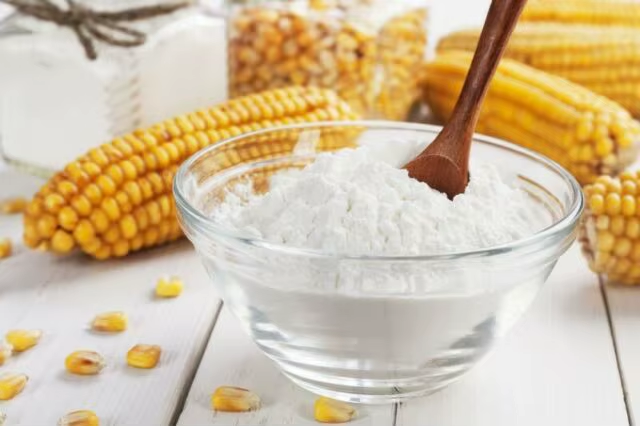
Why Modified Starch Supply Is Critical in Afghanistan
Afghanistan does not have large-scale production of food-grade modified starch. Nearly all supply is imported, making manufacturers dependent on international supply chains, border logistics, and supplier reliability.
This creates three realities:
- Any inconsistency in starch performance directly affects production efficiency.
- Supply interruptions are difficult to resolve quickly.
- Reformulating due to supplier changes is costly and time-consuming.
We have seen factories forced to reformulate entire product lines because their starch supplier changed specifications without notice. These disruptions rarely show up on purchase invoices, but they appear clearly in downtime, rework, and customer complaints.
Types of Modified Starch and Their Industrial Roles
A reliable modified starch supplier for Afghanistan must clearly differentiate between starch types and their functional roles.
Physically Modified Starch
These starches are treated through heat or pressure to improve dispersibility and hydration. They are often used where clean label positioning is important.
Chemically Modified Starch
This category includes cross-linked, acetylated, and oxidized starches. These modifications improve stability under heat, shear, and acidic conditions. They are common in sauces, canned foods, and high-temperature processes.
Enzymatically Modified Starch
Enzyme treatment allows precise control over viscosity and texture. These starches are often used where smooth mouthfeel and controlled breakdown are required.
Understanding which category fits your application is the first step in selecting the right supplier.
Common Mistakes When Choosing a Modified Starch Supplier
Treating Modified Starch as Interchangeable
One of the most expensive mistakes is assuming that one modified starch can easily replace another. Small differences in substitution level or cross-linking can dramatically change viscosity curves and stability.
Buying Based Only on Price
Lower-priced starch may seem attractive, but if it requires higher dosage or causes processing instability, total production cost increases. Cost-in-use is the metric that matters.
Ignoring Processing Conditions
Modified starch must be selected based on real processing parameters: temperature, shear, pH, and holding time. Suppliers who do not ask about these variables are guessing.
Overlooking Documentation and Support
A professional supplier provides technical data sheets, application guidance, and support during trials. Without this, your factory becomes the testing ground.
What Defines a Reliable Modified Starch Supplier for Afghanistan
A true supplier does more than ship product. They provide control.
Functional Consistency
Batch-to-batch consistency is critical. Reliable suppliers invest in quality control systems that minimize variation in viscosity, hydration, and stability.
Application Knowledge
Suppliers must understand how starch behaves in real formulations, not just in laboratory tests. This includes interactions with proteins, fats, sugars, and emulsifiers.
Origin Transparency
Modified starch can be derived from corn, potato, tapioca, or wheat. Each source has different functional and regulatory implications. Clear origin information is essential.
Logistics Capability
Supplying Afghanistan requires careful logistics planning. Packaging integrity, moisture protection, and lead time reliability are non-negotiable.
At MT Royal, these factors are evaluated together, ensuring that starch performance remains intact from factory to production line.
Comparing Modified Starch Sources: Corn, Potato, Tapioca
Corn-based modified starch is widely used due to availability and cost efficiency. It offers reliable thickening and stability in many applications.
Potato starch provides higher viscosity and cleaner flavor release but is often more expensive and sensitive to shear.
Tapioca starch offers smooth texture and excellent freeze–thaw stability, making it popular in desserts and frozen products.
A capable modified starch supplier for Afghanistan offers multiple options and helps match source to application, rather than forcing compromise.
Industrial Tips for Large-Scale Production
- Always validate starch performance under actual processing conditions
- Lock specifications before scaling volume
- Monitor viscosity over shelf life, not just at production
- Maintain buffer stock for critical SKUs
- Review supplier performance annually
We have observed that factories following structured starch qualification processes experience fewer quality deviations and smoother scale-up.
Market Trends Affecting Modified Starch Supply
Global demand for convenience foods, plant-based products, and clean label solutions continues to grow. This increases pressure on starch supply chains and pushes innovation toward more specialized modifications.
At the same time, energy costs and logistics volatility affect pricing and availability. These trends make long-term supplier relationships more valuable than spot purchases.
Frequently Asked Questions from Factory Managers
Can modified starch replace other hydrocolloids?
In many applications, yes. However, replacement requires careful formulation and testing.
How do we reduce starch dosage without losing viscosity?
By selecting starches with higher functional efficiency and matching them to processing conditions.
Is clean label modified starch available?
Yes, physically modified and enzyme-treated starches can meet clean label requirements.
What happens if a supplier changes specifications?
Without strict controls, even minor changes can disrupt production. This is why supplier transparency matters.
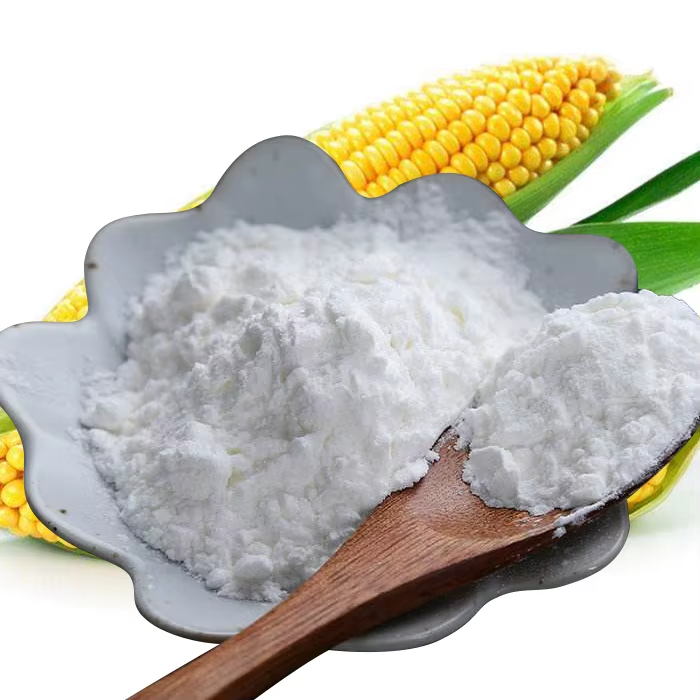
Strategic Perspective: Supplier Choice Shapes Product Performance
Modified starch is not just a thickener. It influences mouthfeel, appearance, processing behavior, and shelf stability. The supplier you choose effectively shapes your final product.
We have worked with manufacturers who dramatically improved product consistency simply by switching to a more technically aligned supplier. The formulation stayed almost the same; the results changed completely.
MT Royal approaches modified starch supply as a technical partnership. We believe that when suppliers understand production realities, manufacturers gain control instead of reacting to problems.
For factories in Afghanistan, choosing the right modified starch supplier is not about minimizing purchase price. It is about securing predictability in an environment where predictability is hard-earned. Those who make this decision strategically build operations that are resilient, scalable, and trusted by their customers.



No comment