

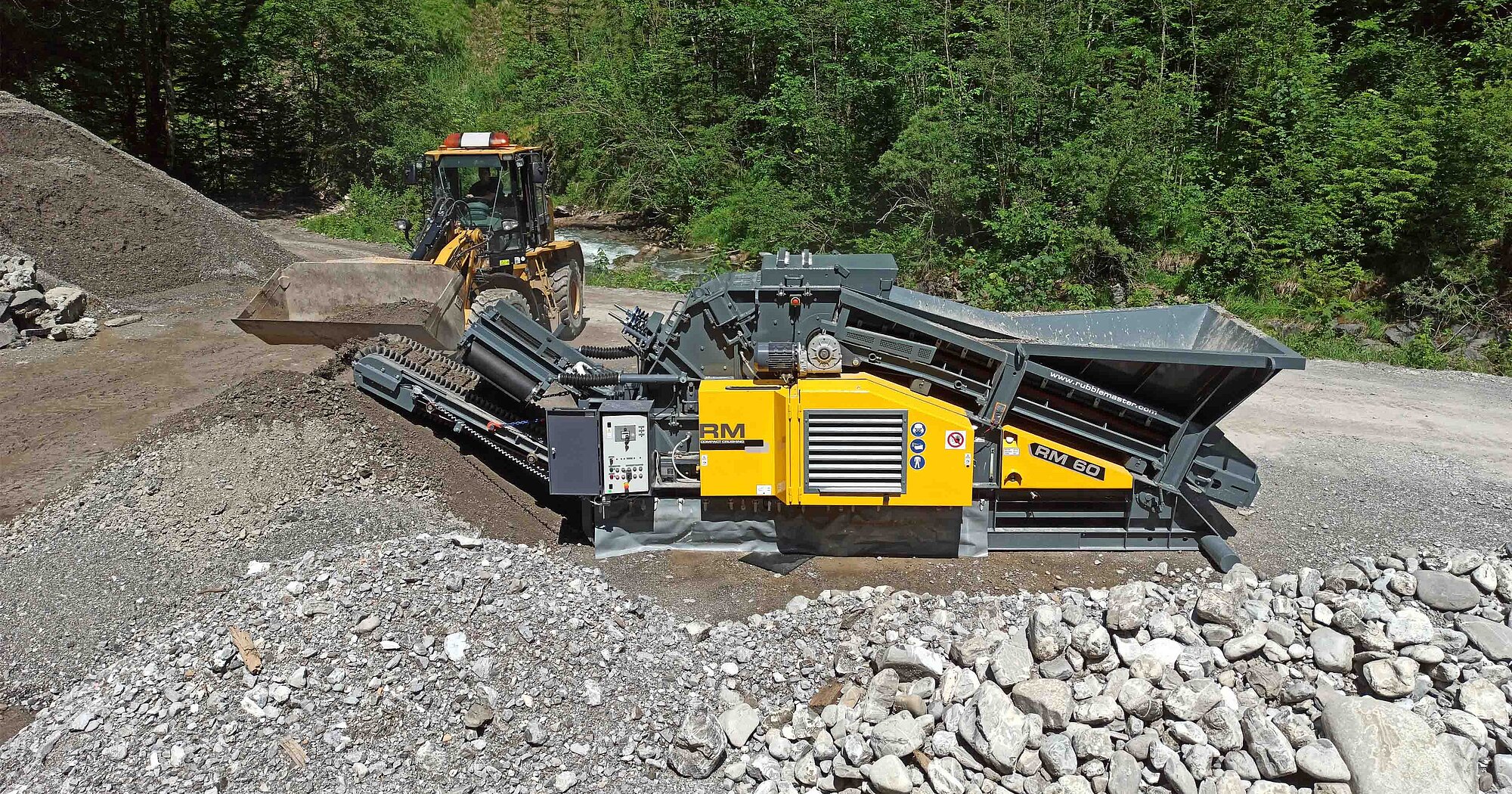
If your cement plant operates in the United States, you already know that crushing systems are not peripheral equipment. They are the first decisive step in cement production, setting the tone for raw material consistency, kiln stability, energy consumption, and ultimately, product quality. This is exactly why an increasing number of plant owners, production managers, and procurement leaders are paying closer attention to MT ROYAL stone crusher systems for cement plants in USA.
At MT Royal, we have worked closely with cement manufacturers who learned—sometimes the hard way—that even minor weaknesses in crushing systems can echo throughout the entire production line. Variations in limestone size, unplanned crusher downtime, or inefficient wear management do not stay isolated; they translate into higher fuel usage, unstable clinker quality, and rising maintenance costs. The right stone crusher system, designed specifically for cement applications, changes that equation entirely.
This article offers a deep, practical, and experience-driven exploration of how MT ROYAL stone crusher systems support cement plants across the USA. It is written for decision-makers who want more than catalog specifications—who want clarity, insight, and confidence in their investment decisions.
The Role of Stone Crusher Systems in Cement Manufacturing
In cement plants, stone crusher systems are responsible for reducing raw materials—primarily limestone, but also clay, marl, shale, and corrective additives—into a consistent size suitable for downstream processing.
Unlike aggregate or mining applications, cement crushing has unique requirements:
- Stable and uniform feed size for raw mills
- High availability to avoid kiln stoppages
- Controlled fines generation
- Resistance to abrasive and variable material properties
A crusher that performs well in a quarry may underperform in a cement plant if it is not engineered for continuous, process-integrated operation. MT ROYAL stone crusher systems for cement plants in USA are designed with these realities in mind, focusing on process stability rather than just peak capacity.
What Defines an Effective Stone Crusher System for Cement Plants
A stone crusher system is not a single machine. It is an integrated set of equipment working as one unit. For cement plants, this typically includes:
- Primary crushers (jaw or hammer crushers)
- Secondary or tertiary crushers (impact or cone crushers)
- Feeders and discharge conveyors
- Screening units when required
- Control and automation interfaces
The effectiveness of the system depends on how well these components interact. Oversizing one element while neglecting another often leads to bottlenecks, excessive wear, or energy losses.
MT Royal approaches stone crusher systems as process solutions rather than equipment packages. This systems-based mindset is what differentiates long-term performers from short-lived installations.
Why Cement Plants in the USA Are Rethinking Crusher System Design
The U.S. cement industry is undergoing structural change. Aging plants are being modernized, environmental regulations are tightening, and energy efficiency is no longer optional.
Several trends are driving this reassessment:
- Increased focus on fuel efficiency and CO₂ reduction
- Greater use of alternative raw materials
- Pressure to reduce unplanned downtime
- Demand for higher automation and process transparency
Stone crusher systems sit at the intersection of all these trends. A poorly designed system undermines efficiency gains elsewhere in the plant. A well-designed one amplifies them.
MT ROYAL’s Approach to Stone Crusher Systems
MT Royal does not manufacture crushers under a single brand. Instead, we work with multiple proven manufacturers to design and supply stone crusher systems tailored to specific cement plant conditions.
This allows flexibility in:
- Crusher type selection
- Capacity scaling
- Wear material choices
- Automation levels
- Budget alignment
We have seen that cement plants rarely benefit from rigid, standardized solutions. Every quarry face, raw mix design, and production target introduces unique variables. MT ROYAL stone crusher systems for cement plants in USA reflect that complexity.
Core Crusher Types Used in Cement Plant Systems
Jaw Crushers for Primary Crushing
Jaw crushers remain a reliable choice for primary limestone crushing. Their simple mechanical design, high crushing force, and tolerance for large feed sizes make them ideal for cement quarry operations.
In MT ROYAL systems, jaw crushers are typically selected for:
- High compressive strength limestone
- Variable feed size conditions
- Operations prioritizing mechanical simplicity
Impact and Hammer Crushers for High Reduction Ratios
Impact and hammer crushers are commonly used where high reduction ratios are needed. In cement plants, they are particularly effective for softer limestone and materials requiring limited secondary crushing.
Their ability to produce a more uniform output size can reduce the load on raw mills—a subtle advantage with measurable energy savings.
Cone Crushers for Controlled Secondary Crushing
Cone crushers are used in cement plants when precise size control and reduced fines are required. They offer stable performance and predictable wear patterns, which simplifies maintenance planning.
In systems designed by MT Royal, cone crushers are often used to fine-tune material size before milling, especially in plants with strict raw mix specifications.
Common Mistakes Cement Plants Make When Selecting Crusher Systems
Even experienced cement producers sometimes underestimate the complexity of crusher system selection.
One frequent mistake is focusing on peak capacity rather than average operational performance. Cement plants operate continuously, not intermittently. Equipment optimized for short bursts often struggles under constant load.
Another error is ignoring wear economics. Cheaper wear parts with shorter lifespans can quietly inflate operating costs over time. MT ROYAL systems emphasize total cost of ownership, not just initial investment.
A third mistake is separating crusher procurement from process engineering. Crushers should be selected in harmony with raw mills, pre-blending systems, and kiln requirements—not as standalone machines.
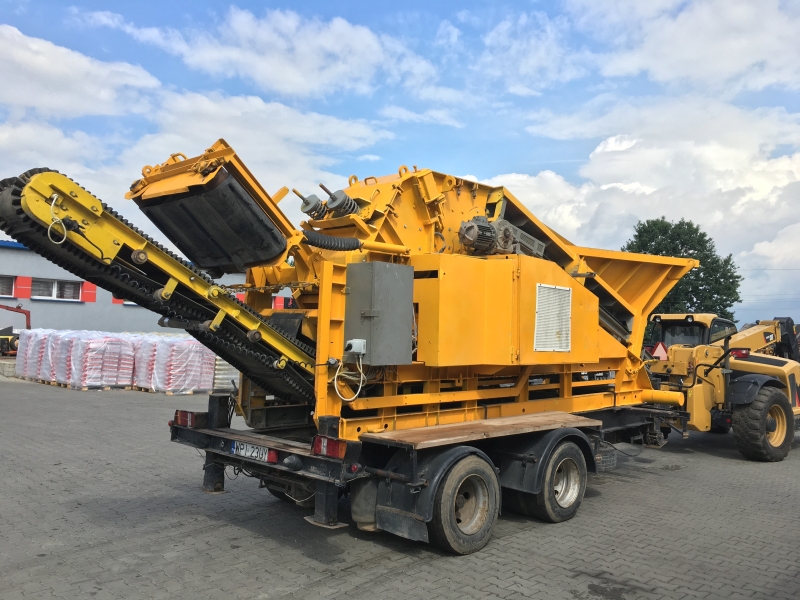
Comparing MT ROYAL Systems with Conventional Offerings
Traditional crusher system suppliers often promote fixed packages. While these solutions work in some contexts, they can be restrictive for cement plants with specific constraints.
MT ROYAL stone crusher systems for cement plants in USA differ in several ways:
- Greater flexibility in component selection
- Closer alignment with cement process requirements
- Competitive pricing through multi-supplier sourcing
- Strong emphasis on operational reliability
From what we have observed working with different plants, this flexibility often leads to smoother commissioning and fewer post-installation modifications.
Industrial-Scale Considerations for High-Capacity Cement Plants
Large cement plants operate under relentless production pressure. Crusher downtime can force kiln slowdowns or shutdowns—among the most expensive events in cement manufacturing.
MT ROYAL systems are designed with:
- Redundant safety mechanisms
- Simplified access for maintenance
- Conservative mechanical design margins
- Compatibility with condition monitoring systems
These features contribute to higher availability, which is often more valuable than marginal capacity increases.
Automation and Process Integration
Modern cement plants increasingly rely on automation to stabilize production and reduce human error. Crusher systems must integrate seamlessly into plant control architectures.
MT ROYAL stone crusher systems can be configured to:
- Interface with existing DCS or PLC systems
- Provide real-time performance data
- Support predictive maintenance strategies
We have seen that even modest investments in automation at the crushing stage can deliver disproportionate benefits downstream.
Supply Chain Strategy and Equipment Sourcing
Global supply chains have become less predictable, and cement plants feel the impact acutely due to the scale and specificity of their equipment.
MT Royal mitigates these risks by:
- Working with multiple qualified manufacturers
- Coordinating production and logistics proactively
- Ensuring documentation and compliance readiness
We have found that this diversified sourcing approach significantly reduces project risk, especially for plant upgrades and expansions.
Frequently Asked Questions from Cement Plant Decision-Makers
Are MT ROYAL stone crusher systems suitable for existing plants?
Yes. Systems can be designed to integrate with existing infrastructure, minimizing civil modifications and downtime.
How do these systems handle variable limestone quality?
Crusher selection and chamber design are adapted to material variability, ensuring stable output even under changing quarry conditions.
Is long-term spare parts support available?
Through coordinated supplier relationships, spare parts availability and lead times are competitive and reliable.
Can systems be upgraded over time?
Yes. Modular design allows capacity increases, automation upgrades, and component replacements without full system overhaul.
Real-World Insight from the Field
We have seen cement plants struggle with crushers that looked impressive on paper but failed to deliver consistency in practice. We have also seen modestly sized systems outperform expectations because they were thoughtfully engineered.
One plant manager once compared crusher selection to choosing a foundation for a building: you rarely see it once construction is complete, but everything depends on it. That analogy captures the essence of stone crusher systems in cement plants.
The Strategic Value of Choosing the Right Partner
Equipment alone does not guarantee success. The partner behind it matters just as much.
MT Royal’s role is to translate operational goals into technical solutions. We listen first, analyze second, and recommend only what aligns with your plant’s realities. This consultative approach is why many cement producers view MT Royal not as a supplier, but as an extension of their technical team.
Cement Production Is Evolving—Crusher Systems Must Evolve Too
The future of cement manufacturing in the USA will be shaped by efficiency, sustainability, and resilience. Stone crusher systems that merely “get the job done” will not be enough.
MT ROYAL stone crusher systems for cement plants in USA are built for this new reality. They are designed to operate quietly, consistently, and intelligently—supporting production rather than demanding attention.
When crusher systems work as intended, they disappear into the rhythm of production. That quiet reliability is not accidental. It is engineered.

No comment