

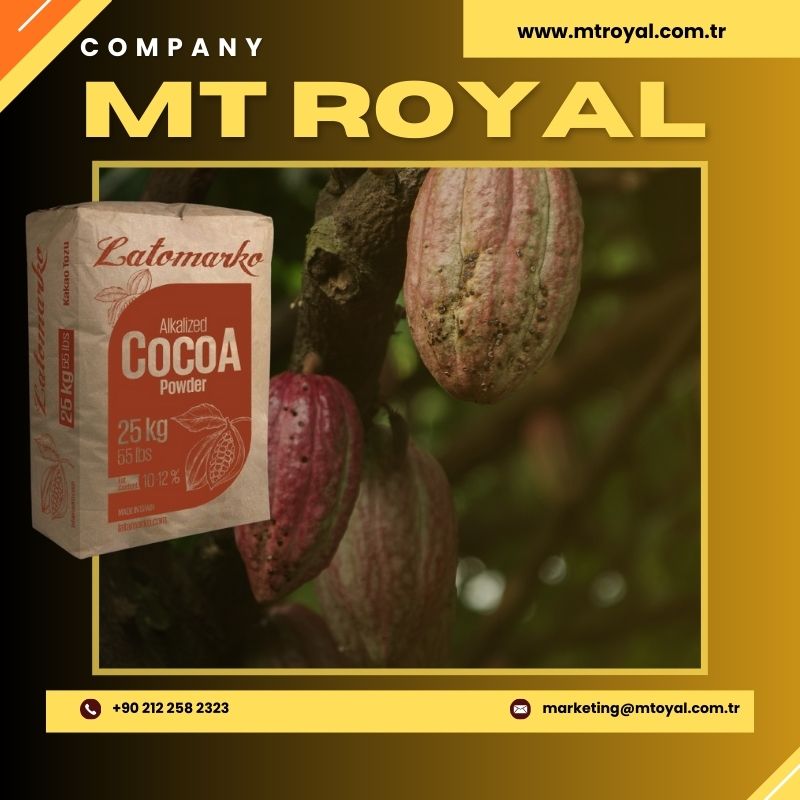
In many factories, cocoa powder arrives quietly—stacked on pallets, labeled, checked in, and sent to storage. Yet few ingredients have as much influence over flavor identity, product stability, and brand perception as natural cocoa powder. For manufacturers operating in North Africa, especially those sourcing locally or regionally, choosing the right natural cocoa powder supplier in Algeria has become a strategic decision rather than a routine procurement task.
If you manage a production line, oversee quality control, or negotiate supply contracts, you already know the pressure. One inconsistent raw material can disrupt an entire production schedule. One poorly chosen supplier can turn a cost-saving decision into a quality crisis. Natural cocoa powder, with all its strengths and sensitivities, demands careful sourcing—especially at industrial scale.
This article is written for decision-makers who need more than surface-level information. It’s for those who want to understand how natural cocoa behaves in real production environments, how suppliers differ beyond pricing, and how to align sourcing decisions with long-term manufacturing goals.
Alkalized Cocoa Powder Supplier
latamarko alkalized cocoa powder lm60
Food industry raw materials – list of products
What Is Natural Cocoa Powder—and Why It Still Matters in Industrial Production
Natural cocoa powder is produced by grinding cocoa press cake after cocoa butter has been removed, without alkalization. This means it retains its natural acidity, lighter brown color, and sharper chocolate notes.
From a formulation standpoint, natural cocoa is not a “less processed” alternative—it’s a different functional ingredient altogether.
Key Characteristics Manufacturers Should Understand
- Lower pH (typically 5.0–5.8)
- Brighter, lighter brown color
- More pronounced, sometimes bitter chocolate flavor
- Higher reactivity with leavening agents
For factories producing baked goods, chocolate-flavored fillings, or powdered mixes where acidity plays a functional role, natural cocoa powder is often the better technical choice.
Why Natural Cocoa Powder Remains Critical for Algerian Manufacturers
While alkalized cocoa has gained popularity for its smoothness and dark color, natural cocoa powder continues to dominate several industrial segments in Algeria.
Applications Where Natural Cocoa Excels
- Industrial bakery products using baking soda
- Chocolate-flavored biscuits and crackers
- Certain confectionery coatings
- Cost-sensitive mass-market products
- Formulations where flavor sharpness is desirable
In many cases, removing natural cocoa from a recipe would require full reformulation—not just substitution.
Manufacturers who understand this distinction tend to be more deliberate when selecting a natural cocoa powder supplier in Algeria, knowing that consistency matters more than trend-following.
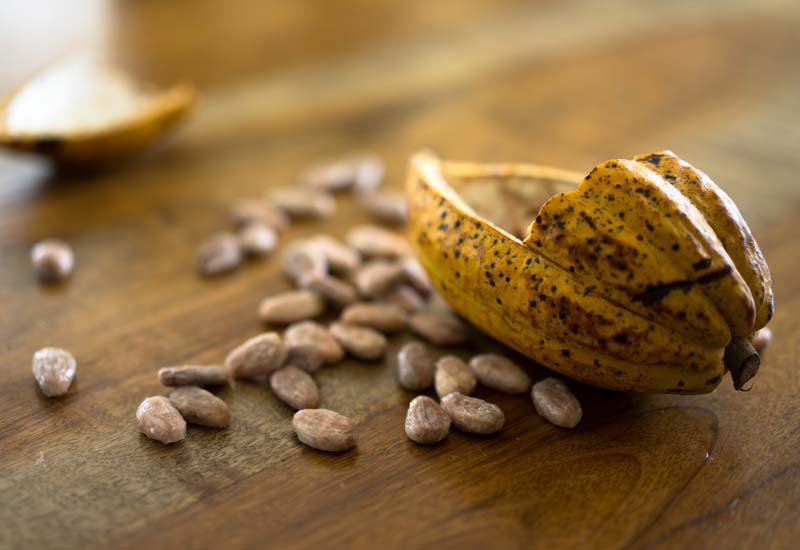
The Industrial Value Proposition of Natural Cocoa Powder
From a production manager’s perspective, natural cocoa offers advantages that don’t always show up on marketing brochures.
1. Predictable Chemical Behavior in Baking
Natural cocoa’s acidity reacts reliably with sodium bicarbonate. This reaction influences:
- Dough rise
- Crumb structure
- Texture consistency
For high-volume bakeries, predictable leavening equals fewer rejects and less line adjustment.
2. Strong Flavor at Lower Inclusion Rates
Natural cocoa often delivers a sharper chocolate note, allowing manufacturers to use slightly lower dosages in certain formulations. Over long production runs, this can have a measurable impact on cost-per-unit.
3. Familiar Sensory Profile for Regional Markets
Consumer preferences matter. In many markets across North Africa, the slightly bitter, authentic cocoa taste of natural powder is associated with “real chocolate,” especially in traditional biscuits and cakes.
Common Procurement Pitfalls When Sourcing Natural Cocoa Powder
Even experienced procurement teams can underestimate the complexity of natural cocoa sourcing.
“Natural Cocoa Is Always the Cheapest Option”
Not necessarily. While some grades are cost-effective, variability in fat content, particle size, and microbiological quality can lead to hidden costs—such as inconsistent mixing or shorter shelf life.
“Origin Doesn’t Matter If Specs Match”
Two natural cocoa powders with identical fat percentages can behave very differently depending on bean origin and processing methods.
“One Grade Works for All Products”
Natural cocoa behaves differently in baked goods versus dry mixes or fillings. Assuming universal compatibility often leads to reformulation headaches later.
How to Evaluate a Natural Cocoa Powder Supplier in Algeria
Selecting the right supplier requires looking beyond price lists and availability.
Technical Criteria That Actually Matter
- pH range consistency
- Fat content stability (10–12%, 20–22%, etc.)
- Particle size distribution
- Microbiological standards
A reliable supplier should be able to explain how these factors affect your specific application—not just provide numbers on a datasheet.
Supply Chain Reliability
For Algerian manufacturers, logistical reliability is just as important as technical quality:
- Regular stock availability
- Stable lead times
- Packaging suitable for industrial handling
At MT Royal, we supply manufacturers with a comprehensive range of brands, ensuring competitive pricing without compromising on quality. That range allows factories to match cocoa grades to specific production needs instead of forcing one product into every formulation.
Natural Cocoa vs. Alkalized Cocoa: A Practical Comparison for Factories
| Aspect | Natural Cocoa Powder | Alkalized Cocoa Powder |
|---|---|---|
| pH | Acidic | Neutral to alkaline |
| Color | Light to medium brown | Dark brown to black |
| Flavor | Sharp, intense | Smooth, mellow |
| Baking Reaction | Reacts with baking soda | Less reactive |
| Typical Use | Bakery, traditional products | Beverages, premium visuals |
Understanding this distinction helps production teams avoid costly trial-and-error.
Quality Tiers in Natural Cocoa Powder
Not all natural cocoa powders are created equal. Industrial buyers often benefit from thinking in tiers rather than brands alone.
Standard Industrial Grades
Suitable for:
- Mass-market biscuits
- Economy cakes
- High-volume production
Focus: acceptable flavor, cost efficiency, baseline consistency.
Enhanced Performance Grades
Suitable for:
- Branded bakery products
- Export-oriented SKUs
- Products with tighter quality specs
Focus: better particle uniformity, stable pH, cleaner flavor.
Premium European Options
Spanish manufacturers have developed a reputation for precise cocoa processing. Brands like Latamarko, known for disciplined quality control and consistent processing standards, are often referenced when discussing premium natural cocoa solutions.
These grades are typically chosen when:
- Brand positioning matters
- Consistency across markets is critical
- Quality deviations are costly
This isn’t about luxury—it’s about risk management.
Real-World Manufacturing Scenario: When Cocoa Choice Impacts Output
Imagine a cake factory running three shifts daily. A new natural cocoa supplier is chosen based on price alone. Within weeks, operators notice uneven rise in cakes. QA flags pH variability in incoming cocoa batches.
The result? Line stoppages, recipe adjustments, and wasted product.
When the factory switches back to a supplier offering tighter pH control and documented consistency, production stabilizes. These are the kinds of lessons factories learn the hard way—and why supplier selection deserves strategic attention.
We’ve seen factory managers benefit most when procurement decisions align with production realities rather than short-term savings.
Actionable Tips for Factory Managers and Procurement Teams
Before You Commit to a Supplier
- Request trial quantities for pilot runs
- Test cocoa in actual production conditions, not lab simulations
- Document changes in mixing time, texture, and color
During Ongoing Supply
- Monitor batch-to-batch consistency
- Maintain open communication between procurement and QA
- Track seasonal variations that may affect raw materials
In our experience supplying manufacturing facilities, proactive testing prevents far more problems than reactive troubleshooting.
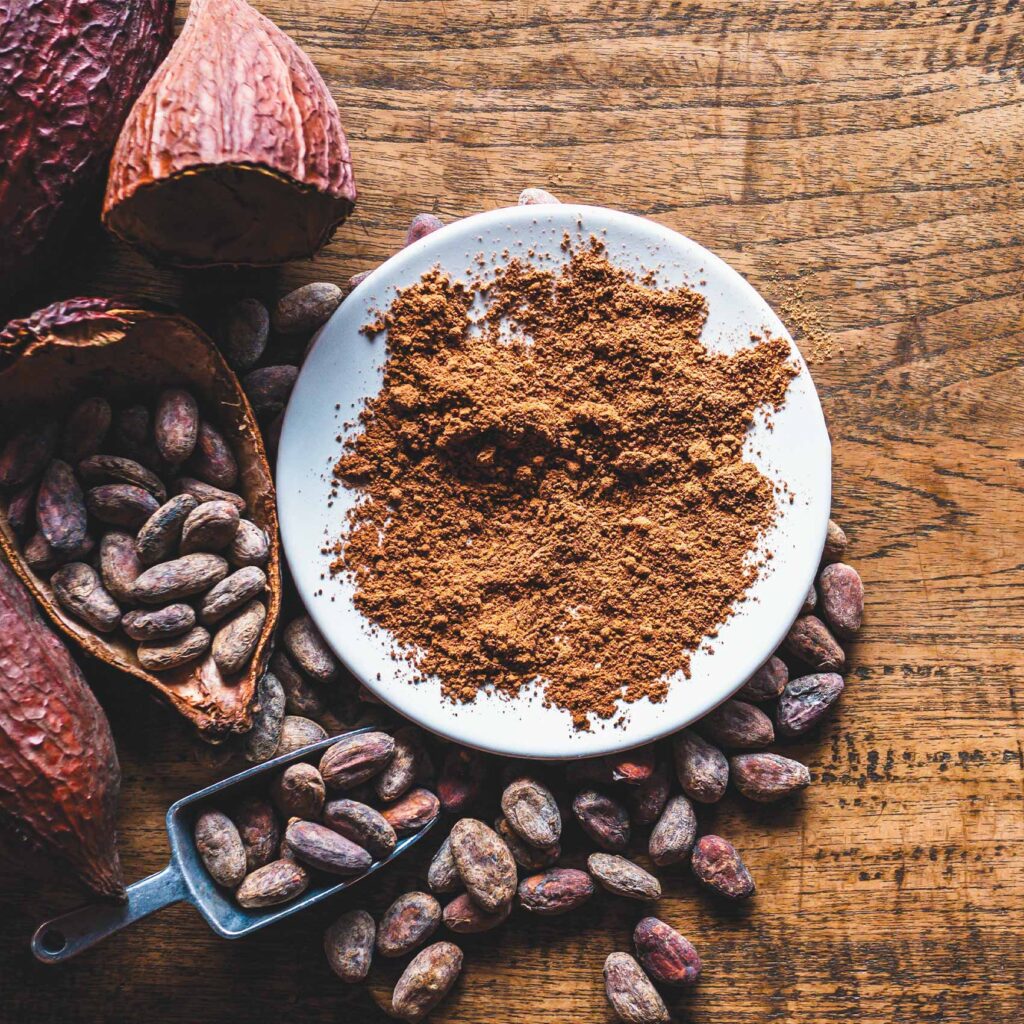
Industry Trends Affecting Natural Cocoa Supply
Several macro trends are shaping how manufacturers approach cocoa sourcing:
- Increased focus on traceability and bean origin
- Pressure on global cocoa prices affecting long-term contracts
- Demand for clean-label ingredients
- Greater scrutiny of supplier transparency
Suppliers who understand these pressures—and help manufacturers navigate them—add value beyond the invoice.
Frequently Asked Questions from Industrial Buyers
Is natural cocoa powder suitable for beverages?
It can be, but its acidity and solubility make it less ideal for instant drinks without formulation adjustments.
Does natural cocoa have a shorter shelf life?
Not inherently, but storage conditions and fat content play a role.
Can natural cocoa replace alkalized cocoa in existing recipes?
Rarely without reformulation. pH differences significantly affect performance.
Is European cocoa always better?
Not always—but European processors, particularly Spanish ones, are often recognized for tighter process control.
The Strategic Role of the Right Supplier
Choosing a natural cocoa powder supplier in Algeria isn’t about ticking boxes on a spec sheet. It’s about ensuring your production lines run smoothly, your products meet expectations, and your procurement decisions stand up to scrutiny six months down the line.
At MT Royal, we’ve worked with production facilities across various industries and understand that manufacturers don’t want sales pitches—they want reliability, options, and honest technical insight. Access to multiple brands, including premium European solutions when needed, gives factories the flexibility to adapt without compromising consistency.
So the question worth asking isn’t “Who can sell us natural cocoa powder?”
It’s “Who understands how this cocoa will behave at scale, under pressure, day after day?”
Because in manufacturing, the quiet ingredients are often the ones that matter most.



No comment