

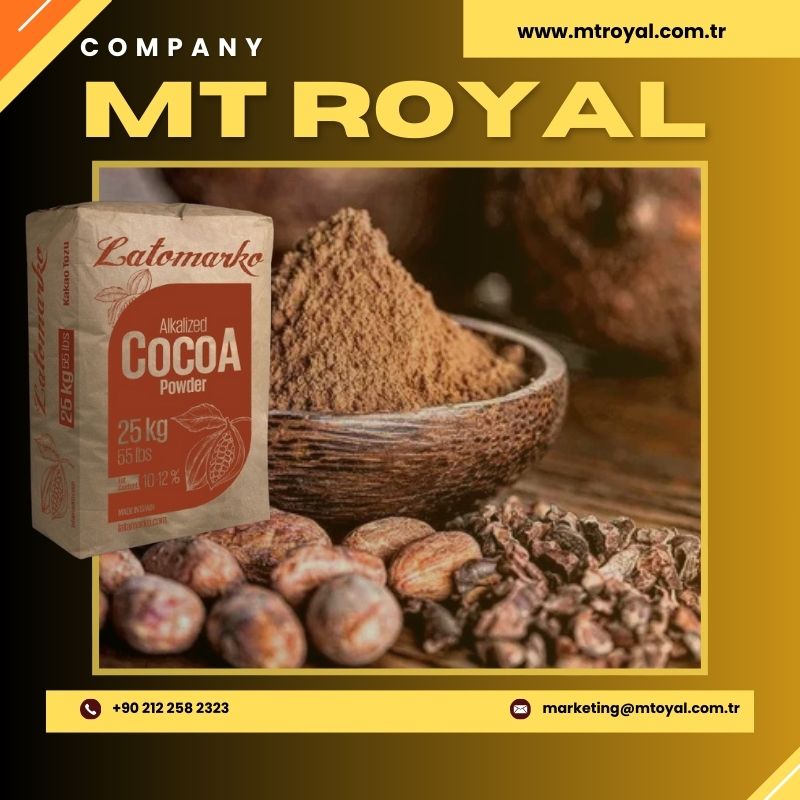
Natural cocoa powder often looks deceptively simple on a specification sheet. Same color range, similar fat content, familiar cocoa aroma. Yet on the factory floor, it can behave like a completely different ingredient from one supplier to the next. That’s why choosing the right natural cocoa powder supplier in Tunisia is not a routine procurement task—it’s a decision that quietly shapes product quality, production stability, and cost control over time.
If you’re responsible for sourcing ingredients for biscuits, bakery mixes, dairy products, chocolate-flavored compounds, or beverage bases, you already know this: natural cocoa powder is unforgiving. It exposes weaknesses in formulations, magnifies inconsistencies in processing, and reacts quickly to small changes in raw material quality.
This article is written for manufacturing decision-makers who want fewer surprises, smoother production runs, and sourcing decisions that stand up to real-world pressure. We’ll explore how natural cocoa powder behaves in industrial environments, what truly differentiates suppliers in Tunisia, and how to evaluate options through a production-first lens rather than a sales brochure.
Alkalized Cocoa Powder Supplier
latamarko alkalized cocoa powder lm60
Food industry raw materials – list of products
What Natural Cocoa Powder Really Is—and Why It Behaves Differently
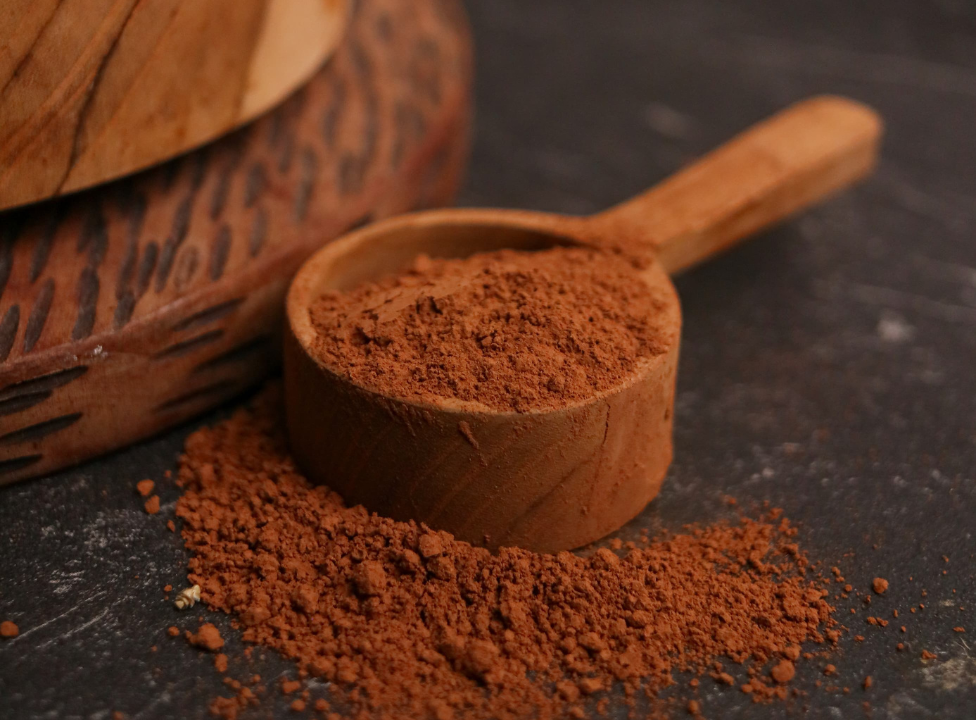
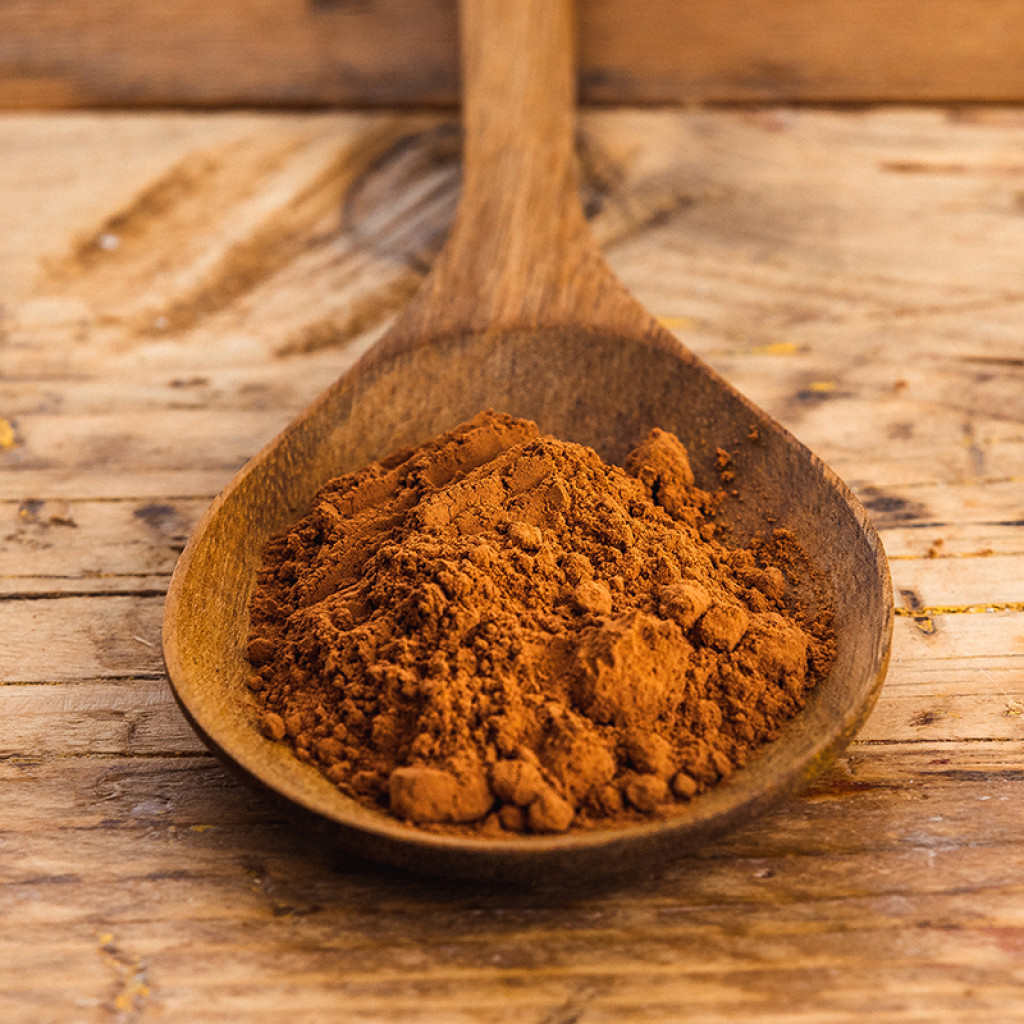
Natural cocoa powder is produced by pressing cocoa liquor to remove part of the cocoa butter, then finely milling the remaining cocoa solids—without alkalization. This absence of alkaline treatment is what gives natural cocoa powder its lighter color, sharper acidity, and more intense cocoa character.
From a manufacturing standpoint, that natural acidity is not just a flavor attribute. It directly affects:
- pH-sensitive formulations, especially in bakery
- Leavening reactions when used with baking soda
- Flavor perception, particularly in reduced-sugar products
- Color development during baking or heat processing
A reliable natural cocoa powder supplier in Tunisia understands that these characteristics must be controlled carefully to avoid production variability.
Why Natural Cocoa Powder Is Less Forgiving Than Alkalized Cocoa
Compared to alkalized cocoa powder, natural cocoa powder leaves far less room for error.
In large-scale production, even slight variations in acidity or particle size can trigger chain reactions. A biscuit recipe that performs perfectly with one batch may suddenly spread differently, bake unevenly, or show unexpected bitterness with another.
We’ve seen production managers spend weeks adjusting formulations—only to discover the root cause was a subtle shift in cocoa powder behavior.
This is why industrial buyers must look beyond “natural cocoa powder” as a category and focus on supplier-level consistency.
Tunisia’s Role in the Natural Cocoa Powder Supply Chain
Tunisia has become an increasingly important hub for cocoa derivatives distribution across North Africa and the Mediterranean region. While cocoa beans are imported, the country offers strategic advantages for manufacturers operating locally or sourcing regionally.
These include:
- Access to multiple international cocoa processors
- Shorter lead times compared to direct overseas sourcing
- Established food manufacturing infrastructure
- Growing experience in bulk ingredient logistics
However, the quality of service varies widely between suppliers. Some operate purely as traders, while others understand industrial application requirements.
Selecting the right natural cocoa powder supplier in Tunisia often means choosing the latter.
The Value of Natural Cocoa Powder in Industrial Applications
Natural cocoa powder is not interchangeable with alkalized cocoa in many formulations. In fact, its value lies precisely in what makes it more challenging to work with.
Strong, Authentic Cocoa Flavor
Natural cocoa delivers sharper, more pronounced cocoa notes. This is especially valuable in products where cocoa is meant to taste “real” rather than rounded or muted.
Predictable Leavening in Bakery Products
When paired correctly with baking soda, natural cocoa powder contributes to controlled gas release and proper crumb structure. Inconsistent acidity disrupts this balance—and shows up immediately in product quality.
Cleaner Label Positioning
In markets where consumers pay attention to ingredient lists, natural cocoa powder aligns better with clean-label expectations, particularly in premium or export-oriented products.
These benefits only materialize when the powder performs consistently—which brings us back to supplier selection.
Common Misconceptions in Industrial Cocoa Powder Procurement
Even experienced buyers sometimes underestimate the complexity of natural cocoa powder sourcing.
“If the Specs Match, the Product Will Perform the Same”
On paper, two natural cocoa powders may look identical. In production, differences in bean origin, roasting profiles, and fat distribution often lead to noticeable performance gaps.
“Natural Cocoa Is Easier Than Alkalized Cocoa”
In reality, natural cocoa is more sensitive. Its acidity magnifies formulation issues instead of masking them.
“Lower Cost Equals Better Procurement”
A slightly cheaper cocoa powder that increases batch variability, waste, or quality checks often costs more in the long run.
What Actually Matters When Comparing Natural Cocoa Powder Suppliers
When manufacturers compare suppliers, the most meaningful criteria are rarely the most obvious ones.
Batch-to-batch consistency
Stable acidity, color strength, and particle size reduce formulation adjustments and quality interventions.
Application understanding
Suppliers who know how natural cocoa behaves in biscuits, cakes, dairy systems, or beverages can help prevent costly trial-and-error cycles.
Supply reliability
Predictable lead times and proper storage conditions matter just as much as the product itself.
At MT Royal, we’ve worked with production facilities across various industries and understand that reliability is measured in uninterrupted production—not marketing claims.
Standard vs. Premium Natural Cocoa Powder: Knowing the Difference
Not all applications demand premium-grade natural cocoa powder. The key is aligning quality level with production risk.
Where Standard Grades Often Perform Well
In high-volume products where cocoa is a secondary flavor and formulations are well-buffered, standard grades can be perfectly adequate—provided consistency is maintained.
When Premium Cocoa Powder Becomes Strategic
Premium natural cocoa powder matters when:
- Cocoa flavor defines the product
- You’re supplying export or private-label markets
- Product failure carries high financial or reputational cost
European producers—particularly those with strong processing discipline—are often favored in this segment. Spanish manufacturers like Latamarko are frequently cited by industrial buyers for their tight control over roasting and milling parameters, which translates into more predictable performance at scale.
This isn’t about branding—it’s about minimizing operational risk.
Industrial Anecdote: Natural Cocoa and Bakery Stability
A commercial bakery once experienced unexplained variations in cake volume across shifts. Ingredients were unchanged—on paper. The issue turned out to be slight acidity variation in natural cocoa powder from a new supplier.
Once the supplier was changed to one with tighter pH control, volume stabilized immediately, and waste dropped significantly.
This kind of issue doesn’t show up in supplier presentations—but it shows up clearly in daily production reports.
Practical Guidance for Factory Managers and Procurement Teams
If you’re evaluating a natural cocoa powder supplier in Tunisia, a structured approach saves time and money.
Start with Process Mapping
Identify where cocoa powder interacts with your process: mixing, hydration, heating, baking. Each step amplifies different characteristics.
Run Real Production Trials
Test cocoa powder under actual operating conditions, not just lab-scale trials. Monitor not only product quality but also process behavior.
Ask Better Questions
Instead of asking only for certificates, ask how the supplier controls variability, handles raw material changes, and supports customers when performance issues arise.
We’ve seen factory managers benefit most when suppliers speak the language of production, not just procurement.
Documentation, Compliance, and Traceability
For many manufacturers, documentation is non-negotiable. A professional supplier should provide:
- Certificates of analysis
- Allergen and contamination statements
- Traceability information
- Food safety compliance records
Inconsistent documentation can delay audits, exports, or customer approvals—hidden costs that quickly outweigh price differences.
Frequently Asked Questions from Industrial Buyers
Can natural cocoa powder replace alkalized cocoa directly?
Not without formulation adjustments. Differences in pH and flavor can affect structure and taste.
Does lighter color mean lower quality?
No. Color reflects processing method, not quality alone.
How long can natural cocoa powder be stored?
Typically 18–24 months under proper temperature and humidity conditions.
Should suppliers provide application support?
Yes. In industrial environments, technical understanding reduces risk and improves efficiency.
A Thought Worth Leaving You With
On the factory floor, the best ingredients are the ones you rarely have to think about. They behave predictably, integrate smoothly, and let your team focus on output—not troubleshooting.
Choosing the right natural cocoa powder supplier in Tunisia isn’t about finding the cheapest option or the most impressive brochure. It’s about finding a partner whose product quietly supports your process, batch after batch.
Because in manufacturing, consistency isn’t a promise—it’s proven every single day.

No comment