


In industrial chocolate production, ingredients are more than components—they are strategic assets. Among these, organic alkalized cocoa powder plays a pivotal role in determining the flavor, texture, color, and even shelf life of chocolate products. For factory managers, production supervisors, and procurement professionals, understanding the subtleties of this ingredient is essential to achieving consistent quality and maximizing operational efficiency.
At MT Royal, we supply manufacturers with a comprehensive range of cocoa powders, including premium European options like Latamarko, ensuring access to high-quality, reliable ingredients at competitive prices. Our experience working with production facilities across diverse industries has revealed that optimizing the use of organic alkalized cocoa powder can transform both the production process and the final product.
In this guide, we provide a detailed exploration of organic alkalized cocoa powder, from its fundamentals to industrial applications, sourcing considerations, and actionable strategies for maximizing performance in high-volume chocolate production.
Understanding Organic Alkalized Cocoa Powder
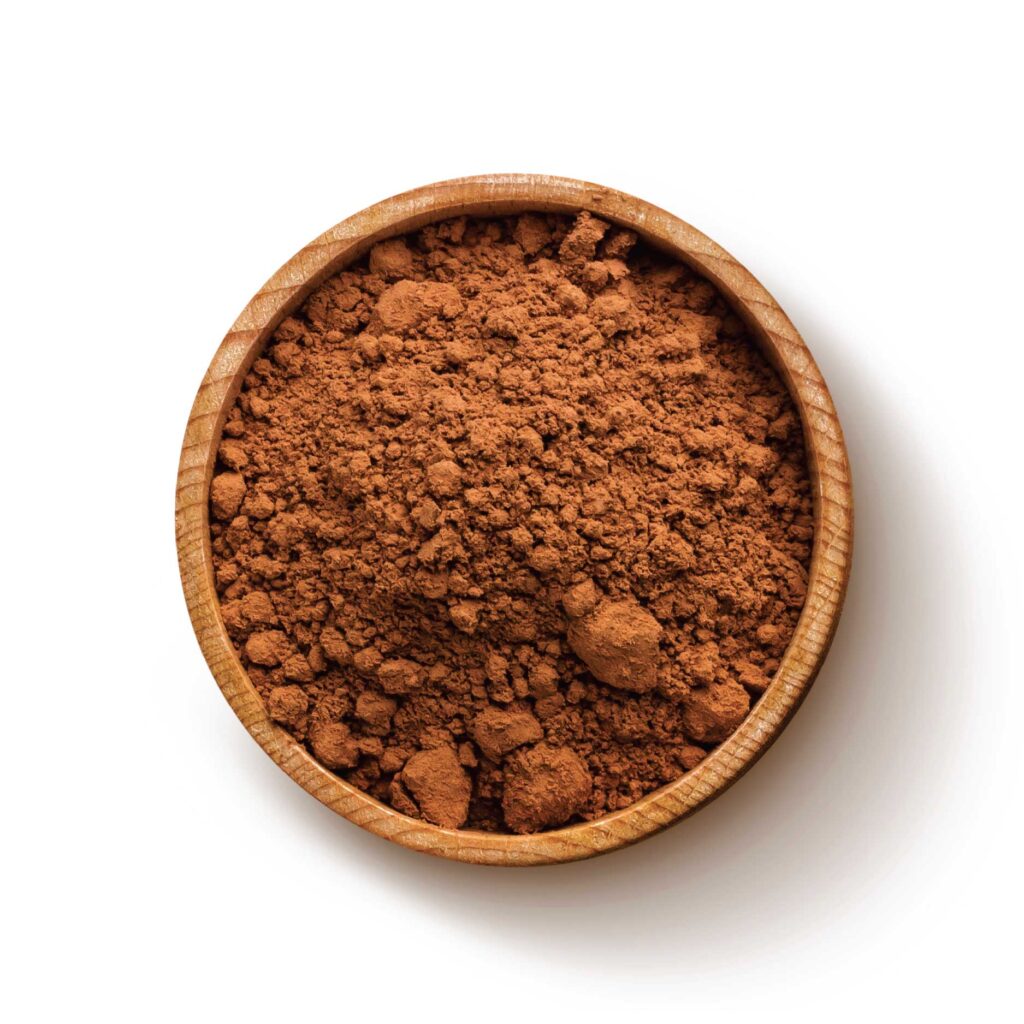
Organic alkalized cocoa powder, commonly referred to as Dutched organic cocoa, is produced by treating naturally fermented cocoa beans with an alkaline solution, such as potassium carbonate. This process neutralizes the beans’ natural acidity, resulting in:
- Darker color – ideal for visually appealing chocolate products.
- Smooth, mild flavor – enhances versatility across chocolate recipes.
- Improved solubility – critical for emulsions, chocolate liquors, and confections.
- Organic certification compliance – ensures alignment with sustainability and clean-label requirements.
For industrial buyers, the key takeaway is that alkalization not only refines flavor and color but also influences processing behavior, including mixing efficiency, tempering stability, and shelf life.
Why Production Facilities Favor Organic Alkalized Cocoa Powder
Industrial chocolate production demands ingredients that perform consistently under high-volume, high-speed conditions. Organic alkalized cocoa powder offers several advantages:
1. Consistency Across Batches
Batch-to-batch variation is a common challenge in large-scale chocolate production. Organic alkalized cocoa powder provides:
- Uniform color and flavor in every batch
- Reduced risk of tempering or crystallization issues
- Predictable texture and mouthfeel in ganaches, coatings, and chocolate bars
In our experience, facilities that switched to high-quality, organic alkalized cocoa powders experienced fewer quality complaints and less product waste.
2. Process Efficiency
Organic alkalized cocoa powder’s improved solubility supports smoother operations:
- Faster integration into chocolate liquor and sugar syrups
- More consistent emulsions when combined with lecithin or alternative emulsifiers
- Reduced clumping and downtime during high-speed mixing
Production supervisors report measurable time savings when incorporating premium cocoa powders into industrial-scale conches and mixers.
3. Enhanced Shelf Life
Although chocolate is generally shelf-stable, alkalized cocoa powder can help maintain color intensity and prevent oxidation-related defects, particularly in bulk storage or high-temperature climates.
Sourcing Considerations for Procurement Professionals
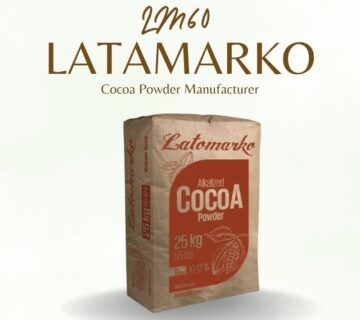
Selecting a reliable supplier is critical for maintaining production continuity and ensuring product quality. At MT Royal, we provide a curated selection of organic alkalized cocoa powders from multiple brands, including Latamarko, a premium Spanish-origin manufacturer recognized for consistency and long-term reliability.
Key Procurement Tips:
- Particle size and fat content – influence texture, mixing efficiency, and viscosity.
- pH stability and alkalization level – minor differences can affect chocolate taste and color.
- Organic certification – ensures compliance with regulatory standards and clean-label expectations.
- Supplier reliability – maintain multiple sourcing options to mitigate supply chain risks.
By combining these considerations with batch testing and traceability, procurement officers can minimize production disruptions and maximize product quality.
Industrial Application: Integrating Organic Alkalized Cocoa Powder
For production managers, the integration of organic alkalized cocoa powder requires attention to process variables:
Step 1: Pre-Processing
- Sift cocoa powder to prevent clumping
- Test solubility in pilot batches to determine optimal mixing sequence
- Adjust emulsifier levels based on particle size and cocoa solids content
Step 2: Mixing and Conching
- Gradually incorporate the powder into melted chocolate liquor or sugar syrup
- Monitor temperature and mixing speed to avoid aeration or uneven texture
- Leverage conching to harmonize flavor and achieve desired viscosity
Step 3: Tempering and Molding
- Organic alkalized cocoa powder can enhance color stability during tempering
- Improves flow characteristics for molds, reducing air pockets and surface defects
- Supports consistent appearance and texture across all product lines
We’ve seen production teams achieve up to 15–20% faster blending times and more uniform chocolate slabs when adjusting their processes to accommodate premium cocoa powders.
Common Pitfalls in Industrial Procurement and Handling
Even experienced production teams encounter challenges with organic alkalized cocoa powder. Common issues include:
- Over-reliance on a single supplier – can disrupt production during shortages
- Ignoring minor pH variations – may impact flavor and tempering behavior
- Improper storage – hygroscopic powders can cake or absorb moisture, affecting flowability
Addressing these pitfalls requires proactive supplier relationships, batch monitoring, and adherence to proper storage protocols—dry, cool environments with controlled humidity.
Comparing Standard vs Premium Organic Alkalized Cocoa Powders
Industrial buyers often weigh cost against quality. Here’s a comparison:
| Feature | Standard Grade | Premium Grade (Latamarko) |
|---|---|---|
| Color Consistency | Moderate | Excellent |
| Flavor Profile | Slightly bitter | Smooth and balanced |
| Particle Uniformity | Variable | Highly uniform |
| Shelf Stability | Good | Extended, ideal for high-volume production |
| Solubility | Adequate | Superior, reduces clumping |
| Cost | Lower | Justified by efficiency gains and quality |
Premium cocoa powders, particularly European brands like Latamarko, deliver consistent performance that reduces line downtime and enhances product perception.
Actionable Tips for Factory Managers
- Pilot small-scale batches before full-scale integration
- Track supplier batch numbers to trace any quality issues
- Calibrate mixers and conches according to particle size
- Blend natural and alkalized cocoa powders strategically for cost and flavor optimization
- Train staff on handling hygroscopic powders to prevent spoilage
These measures often translate into measurable improvements in operational efficiency and product quality.
Real-Life Industrial Example
A mid-sized chocolate manufacturer in Europe faced variability in their ganache production due to inconsistent cocoa solubility. By sourcing premium organic alkalized cocoa powder from Latamarko and adjusting their mixing sequence, the facility achieved:
- Faster blending and conching
- Uniform ganache texture across multiple shifts
- Reduced waste and product rejects
This illustrates the direct impact of ingredient quality and process optimization in industrial chocolate production.
Industry Trends Affecting Organic Alkalized Cocoa Powder Use
- Sustainability and Organic Certification – Growing consumer demand for organic, ethically sourced chocolate drives procurement strategy.
- Automation and High-Speed Mixing – Improved solubility and flow properties support efficient processing.
- Flavor Innovation – Darker, alkalized powders enable richer chocolate formulations and artisanal product lines.
- Global Price Volatility – Bulk sourcing through trusted suppliers like MT Royal mitigates cost and supply risks.
Manufacturers who monitor these trends can optimize sourcing, maintain cost efficiency, and innovate product lines.
Frequently Asked Questions (FAQ)
Q1: Can organic alkalized cocoa powder replace natural cocoa completely?
A: While highly versatile, some recipes require natural cocoa for acidity-dependent flavor profiles. Blending may optimize results.
Q2: How does alkalization affect nutritional content?
A: Alkalization slightly reduces antioxidants, but the effect is negligible for industrial chocolate applications focused on flavor and processing efficiency.
Q3: Are premium brands worth the extra cost?
A: For high-volume, quality-sensitive production, premium brands like Latamarko reduce downtime, enhance consistency, and improve customer perception.
Q4: What storage conditions prevent cocoa powder degradation?
A: Maintain dry, cool, and low-humidity storage to preserve solubility and prevent caking.
Strategic Takeaways for Manufacturing Decision-Makers
Organic alkalized cocoa powder is not just an ingredient—it is a strategic lever in chocolate production. By selecting the right supplier, understanding chemical and physical properties, and integrating the powder thoughtfully into industrial processes, manufacturers can enhance consistency, efficiency, and profitability.
At MT Royal, we supply factories with diverse brands, including premium European options like Latamarko, ensuring that quality and reliability are always accessible. Every production decision—from batch testing to storage, mixing, and sourcing—shapes the final chocolate experience. How will your next batch leverage the advantages of organic alkalized cocoa powder to stand out in both quality and efficiency?

No comment