

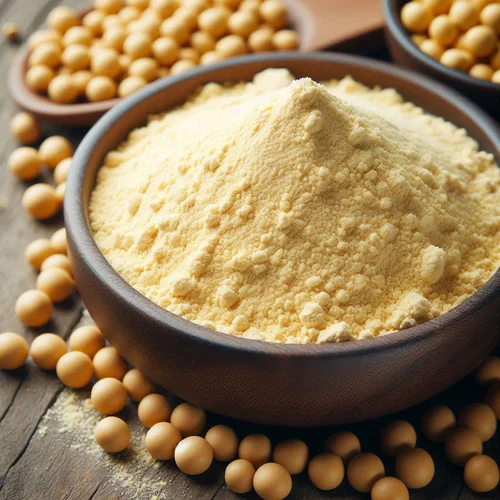
The rising tide of consumer demand for clean label products has transformed how food manufacturers source ingredients at scale. As health‑conscious eating shifts from niche preference to mainstream expectation, your factory’s ability to source Organic Lecithin Wholesale in TÜRKİYE — Clean Label Solutions is no longer a back‑office consideration; it’s a strategic differentiator. Whether you are producing bars, spreads, beverages, or confectioneries, the choice of lecithin influences texture, mouthfeel, stability — and increasingly, market perception.
At MT Royal, we work with manufacturers across sectors to align their raw material strategies with both technical performance goals and market expectations. In our collaboration with various factories, we have seen that integrating organic lecithin into your formulations not only supports product quality but can significantly expand your addressable market with health‑driven labels such as “organic” and “non‑GMO.” As more food producers strive for transparency, lecithin sourced with organic certification becomes a key enabler of clean label branding.
This article will guide you through the fundamentals of organic lecithin, the industrial advantages of sourcing it wholesale in TÜRKİYE, common pitfalls in procurement, and practical strategies to integrate it into your manufacturing processes at scale. We aim to provide you with actionable insights that go beyond the basics and serve as a reliable resource for procurement teams, R&D formulators, plant managers, and supply chain planners.
What Is Organic Lecithin and Why It Matters
Defining Organic Lecithin
At the most basic level, lecithin is a complex mixture of phospholipids — natural emulsifying agents that facilitate the stable blending of fats and water‑based components. When we refer to organic lecithin, we are specifically talking about lecithin derived from crops (most commonly soybeans or sunflowers) that have been grown in accordance with strict organic agricultural standards.
Organic certification requires:
- No synthetic pesticides or fertilizers during cultivation
- Non‑GMO crop inputs
- Traceable and inspected processing chains
- Compliance with third‑party organic standards such as EU Organic, USDA Organic, or equivalent
This certification is important not just for consumer marketing but for regulatory compliance in markets that mandate organic labeling.
While lecithin itself is a functional ingredient, the prefix “organic” signals a production philosophy that resonates with consumers’ desire for simplicity and sustainability.
Key Functional Roles in Industrial Food Production
In large‑scale food manufacturing, lecithin performs critical roles:
– Emulsification: Ensures stable mixtures where oil and water would otherwise separate.
– Viscosity control: Reduces processing resistance in high‑fat systems, aiding pumpability.
– Particle dispersion: Enhances the even distribution of solid particles in fluid matrices.
– Shelf‑life extension: Improves stability against coalescence and syneresis in emulsions.
These functions are universal across numerous product categories — bakery, confectionery, dairy analogues, salad dressings, beverages, and nutritional bars — making organic lecithin one of the most versatile additives in the clean label toolkit.
From an industrial standpoint, the challenge is not merely to “use lecithin,” but to integrate a certified organic lecithin in a way that preserves both functional performance and label integrity.
The Strategic Advantage of Organic Lecithin Wholesale in TÜRKİYE
Why TÜRKİYE Matters for Organic Supply Chains
When your factory evaluates organic lecithin wholesale in TÜRKİYE — clean label solutions, it taps into several structural advantages:
1. Agricultural Base:
TÜRKİYE has a growing agricultural sector with a developing organic soybean and sunflower supply chain — both primary sources for organic lecithin. Local processing infrastructure complements this agricultural base, enabling efficient extraction and refining.
2. Regulatory Alignment:
Organic standards in TÜRKİYE align with EU and international organic frameworks, facilitating export compliance and simplifying documentation for multinational food suppliers.
3. Logistic Gateway:
Geographically positioned between Europe and Asia, Turkey offers shorter transit times and diversified routing options compared with other lecithin origins, reducing freight complexity for exporters servicing multiple regional markets.
4. Competitive Pricing at Scale:
By sourcing organic lecithin wholesale in Türkiye, procurement teams leverage price advantages associated with established agriculture‑processing clusters and competitive bulk pricing structures.
These systemic benefits make Turkey an attractive origin for organic lecithin in large‑volume food applications — but only if your sourcing strategy accounts for quality, certification, and supply continuity.
Organic Lecithin vs Conventional Lecithin — What Factory Managers Need to Know
To appreciate the value proposition of organic options at scale, it helps to compare directly with conventional lecithin.
| Feature | Conventional Lecithin | Organic Lecithin |
|---|---|---|
| Source Agriculture | May use synthetic inputs | Certified organic crops only |
| GMO Status | Often GMO soy | Non‑GMO by standard |
| Certification | None required | Third‑party organic certification |
| Market Position | Functional additive | Clean label ingredient |
| Price per Metric Ton | Lower | Typically higher |
| Consumer Appeal | Functional | Better for health‑focused markets |
For many manufacturers, the higher unit cost of organic lecithin is offset by:
- Broader shelf placement opportunities
- Premium positioning
- Greater regulatory compatibility for organic and clean label claims
But shifting your supply base from conventional to organic lecithin wholesale involves more than a purchasing decision — it requires alignment across formulation, labeling, and quality assurance teams.
Industrial Sourcing: Common Mistakes and How to Avoid Them
Even seasoned procurement teams can stumble when transitioning to organic lecithin wholesale in Türkiye. Here are common pitfalls:
Mistake 1: Focusing on Price Alone
Price is only one dimension of value. Organic certification, import documentation, freight optimization, and consistency must be factored into total cost of ownership. A supplier offering a lower FOB price may lack robust certification packages or consistent quality.
Mistake 2: Ignoring Traceability and Certification Details
Organic certification is not binary. Labels like “EU Organic,” “USDA Organic,” or “Bio Suisse” differ in jurisdiction and audit rigor. Always verify:
- Certification body accreditation
- Traceability from farm to final processing
- Validity of certificates for your target markets
Incomplete certification can delay product releases or restrict market access.
Mistake 3: Overlooking Functional Differences
Not all lecithin grades perform identically. Differences in phosphatidylcholine content, moisture levels, and viscosity can affect how lecithin interacts in your specific processes. Pilot testing at scale — not just lab evaluation — is essential.
Mistake 4: Underestimating Lead Times
Organic inputs often come with longer lead times due to limited agricultural cycles and certification workflows. Strategic inventory planning is critical to prevent production bottlenecks.
How to Evaluate Organic Lecithin Suppliers in Türkiye
When evaluating exporters for organic lecithin wholesale in TÜRKİYE — clean label solutions, there are several criteria that matter more than price alone:
Technical and Quality Parameters
- Phospholipid Profile: Higher levels of phosphatidylcholine and phosphatidylethanolamine often indicate better functionality.
- Moisture and Impurity Levels: These affect shelf stability and processing behavior.
- Sensory Evaluation: Odor and color impact downstream product quality.
Certification and Compliance
- Organic Cert Body: EU Organic, USDA Organic, JAS, or equivalent.
- Non‑GMO Verification: Often required for clean label positioning.
- Allergen Statements: Especially for soy‑derived lecithin.
Supply Chain and Logistics
- Bulk Packaging Options: Drums, totes, or liquid tankers
- Export Experience: Knowledge of customs and documentation
- National and International Reach: Ability to serve varied markets
Support and Transparency
Leading exporters provide:
- Full Certificates of Analysis (CoA)
- Batch traceability
- Technical support for formulation teams
At MT Royal, we work with suppliers that consistently demonstrate these capabilities, helping you mitigate risk and uphold clean label commitments.
Practical Production Considerations for Organic Lecithin
Transitioning to organic lecithin affects your production environment in measurable ways.
Integration into Existing Processes
Organic lecithin may behave slightly differently than conventional equivalents due to variations in fatty acid profiles or minor component distributions. It’s crucial to:
- Adjust dosing strategies in emulsification systems
- Monitor viscosity during mixing
- Validate final product texture and stability
These adjustments should be documented as part of process control protocols.
Scaling from Pilot to Full Run
Factories often test new ingredients at pilot scale, but scaling organically certified lecithin requires careful attention to:
- Mixing time adjustments
- Heat‑sensitive ingredient interactions
- Equipment surface compatibility
Small differences at pilot scale can magnify when processing hundreds of tons per month.
Inventory and Forecasting
Organic lecithin availability is influenced by:
- Organic crop yields
- Certification cycles
- Seasonal processing schedules
Use forecast models that incorporate these variables to plan safety stock and reduce variance risk.
Organic Lecithin in Specific Food Applications
Bakery Products
Organic lecithin enhances dough stability, improves crumb structure, and supports volume in bread and pastries. It also helps with aeration and consistency in batter systems.
Chocolate and Confectionery
In chocolate processing, lecithin reduces viscosity and refiner load, improving flow during conching and tempering. Clean label organic lecithin helps extend this benefit to organic chocolate lines.
Plant‑Based Beverages and Emulsions
With the growth of plant‑based categories, emulsification is critical for drink stability. Organic lecithin provides reliable fat‑water interface control while preserving ingredient label clarity.
Nutraceuticals and Supplements
Organic lecithin is often used in encapsulation and dispersion of active compounds. In clean label supplement formulations, it supports consumer preferences for natural, traceable ingredients.
Each application demands careful functional specification and validation — the industrial detail that underpins consistent manufacturing.
Wholesale Logistics and Supply Chain Considerations
Large‑scale procurement of organic lecithin wholesale in TÜRKİYE — clean label solutions involves logistical planning beyond the purchase order.
Packaging and Handling
Organic lecithin is available in:
- Bulk liquid containers (totes or tankers)
- Drums
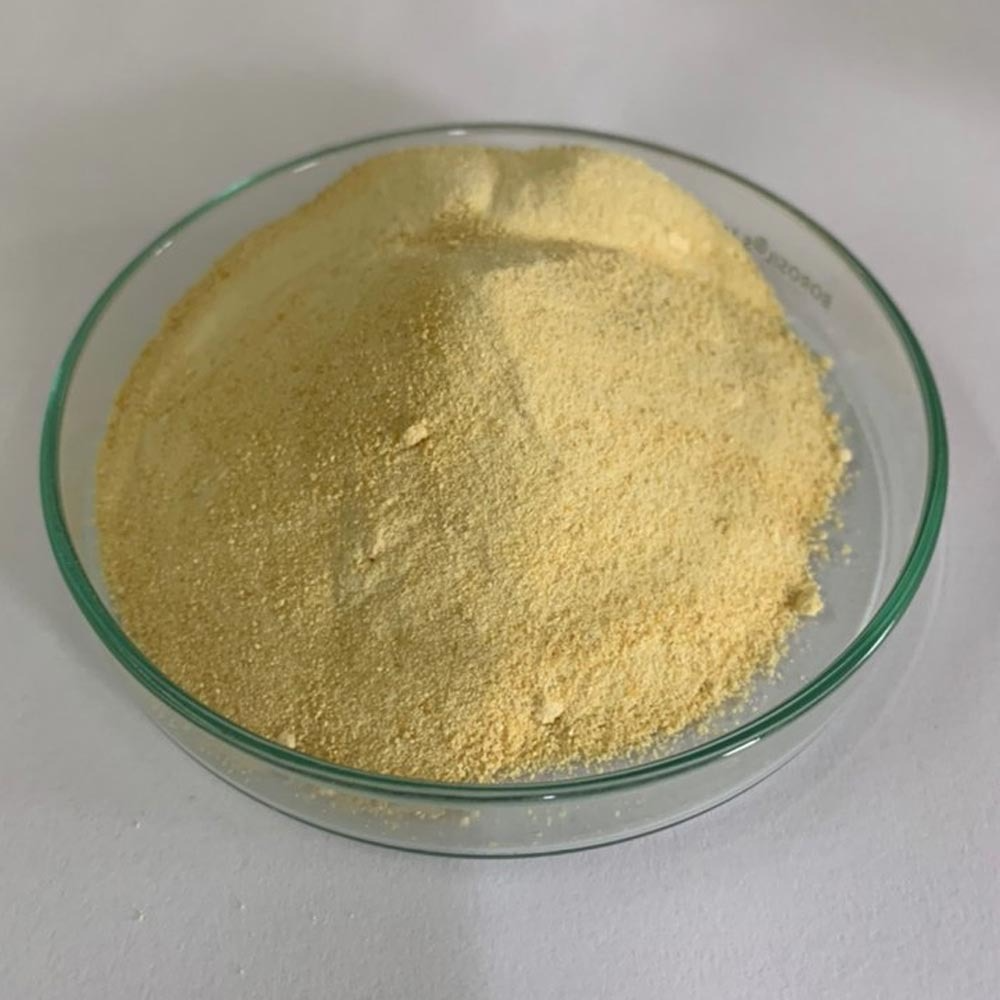
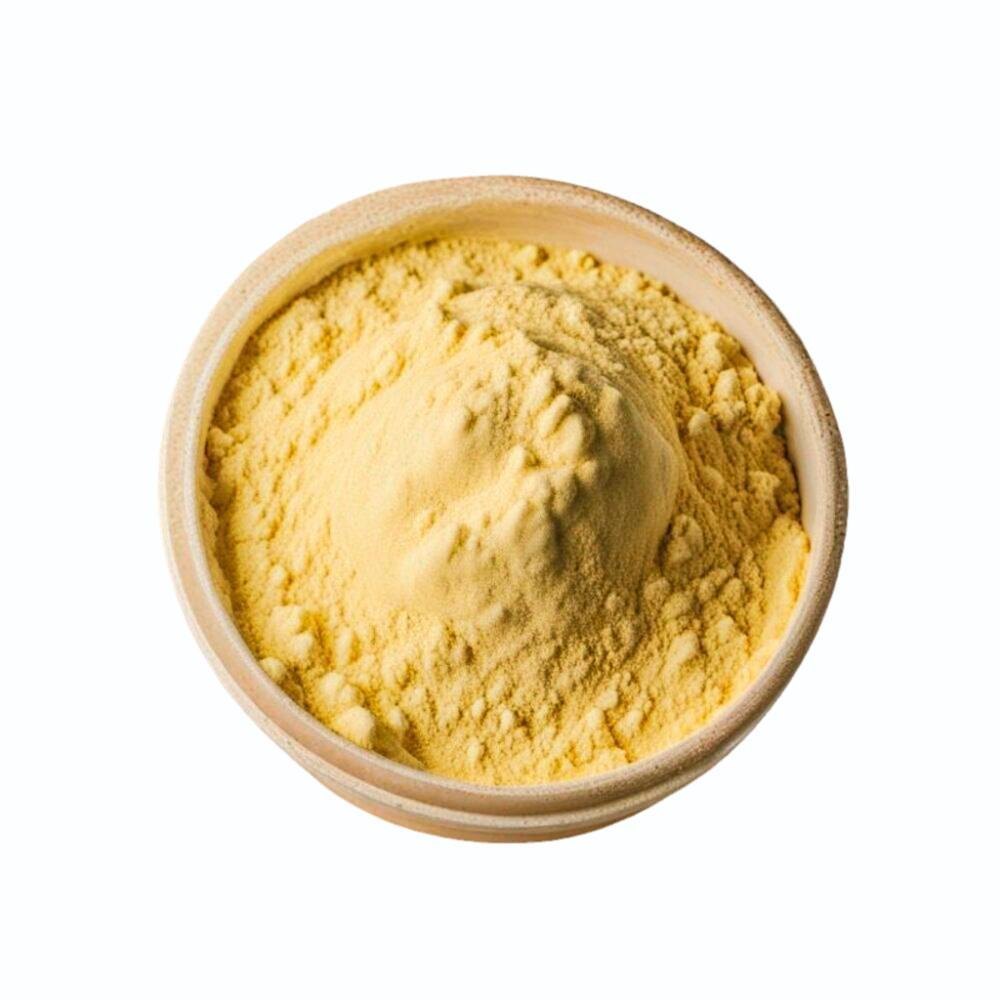
- Powder form (for ease of dosing)
Each has handling implications — for example, bulk liquid requires appropriate storage and pump systems, while powder requires dust control protocols.
Customs and Documentation
Organic certificates must be accompanied by accurate export documentation. Plan for:
- Certificate translations where required
- Clear labeling per regulatory jurisdictions
- Tariff classifications that reflect certified organic status
Experienced exporters streamline these processes, reducing clearance delays.
Freight and Transit Planning
Shipping schedules should align with production timelines. Whether using sea freight or air cargo, understanding lead times, port handling, and inland delivery reduces stockouts and last‑minute rush costs.
Emerging Trends and Market Forces
Organic lecithin sourcing is influenced by broader market dynamics:
1. Clean Label Consumer Demand
Consumers increasingly scrutinize ingredient lists. Organic certification is a significant driver of premium positioning in food products, leading manufacturers to reconsider conventional emulsifiers.
2. Regulatory Shifts
Food safety authorities are tightening labeling requirements and allergen controls. Organic certification frameworks often align more strictly with global standards, reducing compliance gaps.
3. Sustainability Expectations
Organic lecithin sourcing resonates with global sustainability narratives. Environmental, social, and governance (ESG) commitments increasingly influence procurement decisions — particularly among enterprise food producers.
Frequently Asked Questions from Procurement and Production Teams
Q: How do we verify organic certification credibility?
A: Ensure certifications are from recognized bodies with adherence to EU Organic, USDA Organic, or equivalent frameworks. Audits and traceability documentation should be available.
Q: Does organic lecithin behave differently in processing than conventional lecithin?
A: Slight variations can occur due to natural compositional differences. Pilot testing and process adjustment are recommended.
Q: How should we plan inventory for organic lecithin?
A: Due to agricultural dependencies, plan safety stocks and align forecasts with harvest cycles.
Q: Can we switch cleanly from conventional to organic lecithin without reformulation?
A: Often yes, but validating functional performance at scale is best practice to avoid process disruptions.
Q: What LSI specifications should we request?
A: Phospholipid profiles, moisture content, organic cert body details, non‑GMO statements, and allergen profiles.
A Strategic Reflection on Organic Lecithin in TÜRKİYE
Sourcing organic lecithin wholesale in TÜRKİYE — clean label solutions is a strategic lever that touches product quality, regulatory compliance, consumer perception, and supply chain resilience. It requires nuanced evaluation, from certification verification to functional integration in complex industrial processes.
From an operational standpoint, forward‑thinking procurement teams treat organic lecithin not as a commodity but as a performance and branding asset. Aligning your sourcing strategy with clean label principles enables your factory to compete in an increasingly health‑oriented marketplace — while maintaining the efficiency and consistency demanded by large‑scale production.
At MT Royal, we understand that your priorities encompass not just cost and supply, but functional excellence and market relevance. We work with partners who can support these priorities with transparent documentation, technical collaboration, and flexible supply options.
The decisions you make around organic lecithin today will echo through your product portfolios and customer relationships for years to come. When a commitment to clean label is matched with industrial precision and strategic sourcing, it creates both operational strength and consumer trust that endure.
LATAMARKO LM60 – Premium Spanish-Origin Cocoa Powder
latamarko alkalized cocoa powder lm60
cocoa powder for chocolate production-Best price
Food industry raw materials – list of products
Types of Gelatin from Turkish Manufacturer

No comment