


In the rapidly evolving health and wellness industry, organic protein powders for health food brands have become more than a trend—they are a necessity for manufacturers who want to stay competitive, innovative, and aligned with consumer demand. High-quality protein ingredients define the integrity, functionality, and market success of your products. At MT Royal, we have partnered with numerous factories and health food brands, witnessing firsthand how strategic sourcing of organic protein powders elevates product quality, reduces production inefficiencies, and boosts brand reputation. In this guide, we provide an in-depth exploration of organic protein powders, offering insights, technical advice, and practical tips for production and procurement.
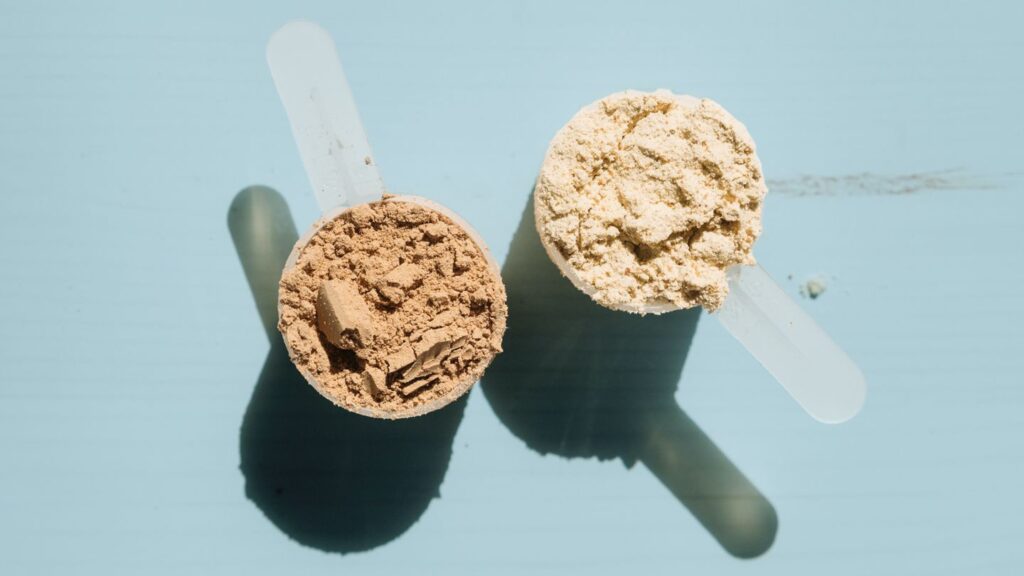
Organic protein powders are concentrated protein sources derived from plant or animal origins using certified organic raw materials and processing methods. Unlike conventional protein powders, organic options are produced without synthetic pesticides, genetically modified organisms (GMOs), artificial additives, or chemical preservatives, ensuring a cleaner, more natural ingredient for your products.
latamarko alkalized cocoa powder lm60
cocoa powder for chocolate production-Best price
Food industry raw materials – list of products
Common Types of Organic Protein Powders
- Plant-based proteins: Pea protein, rice protein, hemp protein, soy protein, and pumpkin seed protein. Plant-based powders are highly valued for vegan and allergen-friendly formulations.
- Animal-based proteins: Whey protein from organically raised cows, collagen peptides, and egg white protein. These are prized for their complete amino acid profiles and superior functional properties in beverages, bars, and supplements.
Key Benefits for Health Food Brands
- Enhanced Nutritional Profile: High in essential amino acids, vitamins, and minerals.
- Clean Label Appeal: Organic certification assures consumers of safe, non-GMO, and additive-free ingredients.
- Versatile Applications: Suitable for powders, bars, beverages, functional foods, and nutraceuticals.
- Stability and Functionality: Maintains solubility, emulsification, and texture in complex formulations.
Why Organic Protein Matters for Industrial Production
In large-scale manufacturing, ingredient selection directly affects production efficiency, product stability, and customer satisfaction. Using organic protein powders offers clear advantages:
- Consistency Across Batches: Organic protein powders are standardized, reducing variation in protein content, solubility, and taste.
- Reduced Contamination Risk: Certified organic production minimizes pesticide residues, heavy metals, and allergens.
- Extended Shelf Life: Properly processed organic powders maintain freshness, color, and flavor longer than minimally controlled conventional alternatives.
- Consumer Trust: With organic products growing at a double-digit rate annually, incorporating certified organic proteins strengthens brand credibility and market positioning.
Industrial Challenges and Common Mistakes
Even experienced manufacturers encounter pitfalls when sourcing protein powders. Here are some recurring challenges we observe at MT Royal:
- Focusing solely on price: Low-cost powders may have inconsistent protein content or lack proper certifications, compromising product quality.
- Ignoring functional properties: Solubility, emulsification, and heat stability are critical for bars, beverages, and bakery products. A powder unsuitable for your process can disrupt production.
- Insufficient supplier verification: Organic certification should be validated through documentation and lab analysis.
- Neglecting storage requirements: Proteins are sensitive to moisture, temperature, and light. Inadequate storage can lead to clumping, denaturation, and reduced shelf life.
Our experience shows that thoughtful supplier selection and rigorous quality assessment save manufacturers significant costs and prevent production setbacks.
Technical Insights for Large-Scale Manufacturing
When integrating organic protein powders into industrial production, consider the following:
Solubility and Dispersibility
The ability of the powder to dissolve in liquids without forming lumps is critical for beverages, shakes, and functional drinks. Pea protein, for instance, can be challenging to solubilize without proper processing.
Heat and pH Stability
Some formulations involve high-temperature processing or acidic conditions. Proteins such as whey isolate may denature under extreme conditions, while collagen peptides typically exhibit greater thermal stability.
Particle Size and Flowability
Uniform particle size ensures consistent mixing, dosing, and blending. Poor flowability can cause clumping in hoppers, inaccurate weighing, and production delays.
Flavor Profile and Masking
Plant proteins often have earthy or bitter notes. Selecting powders with natural flavor neutrality or compatibility with flavor masking is essential for high-quality end products.
Comparing Organic Protein Sources for Health Food Brands
| Protein Type | Source | Pros | Cons | Typical Applications |
|---|---|---|---|---|
| Pea Protein | Yellow Pea | Hypoallergenic, high digestibility | Slight earthy taste | Vegan shakes, bars, dairy alternatives |
| Rice Protein | Brown Rice | Smooth texture, neutral taste | Low lysine content | Blended powders, snacks, beverages |
| Hemp Protein | Hemp Seeds | Rich in omega-3 fatty acids, fiber | Nutty taste, gritty texture | Health bars, smoothies, bakery |
| Whey Protein | Organic Milk | Complete amino acid profile, high solubility | Lactose presence, not vegan | Shakes, sports nutrition, bakery |
| Collagen Peptides | Bovine Fish | Heat-stable, supports skin and joint health | Neutral taste but limited essential amino acids | Functional drinks, supplements |
We have observed that manufacturers often combine multiple protein sources to achieve a balanced nutritional profile, functional performance, and consumer appeal.
Key Considerations When Choosing a Supplier
Selecting a reliable supplier of organic protein powders requires balancing quality, consistency, and logistical capabilities. Factors to consider include:
- Certifications: USDA Organic, EU Organic, Non-GMO Project Verified.
- Traceability: Ability to track raw materials from farm to factory.
- Quality Assurance: Lab testing for protein content, microbial safety, heavy metals, and contaminants.
- Logistical Support: Proper storage, shipping, and inventory management.
- Scalability: Capacity to supply large volumes without compromising quality.
At MT Royal, we combine technical expertise and industrial experience to provide health food brands with reliable, competitively priced organic protein powders that meet both functional and nutritional requirements.
Frequently Asked Questions (FAQ)
Q: Can plant-based proteins fully replace whey in formulations?
A: Yes, but consider blending multiple plant proteins (e.g., pea and rice) to achieve a complete amino acid profile and desired texture.
Q: How do I verify the authenticity of organic protein powders?
A: Check certifications, request independent lab analysis, and assess supplier transparency throughout the supply chain.
Q: Are organic proteins suitable for high-heat applications?
A: It depends on the protein type. Collagen peptides and some isolates handle heat well, while unprocessed plant proteins may denature.
Q: How can I ensure consistent product quality across batches?
A: Work with suppliers who standardize protein content, particle size, and functional properties. MT Royal provides documentation and batch testing to support consistent results.
Conclusion
Investing in organic protein powders for health food brands is a strategic choice that directly impacts product quality, consumer trust, and market competitiveness. Turkish and global certified organic protein powders provide superior nutritional content, functional versatility, and reliability for industrial manufacturing. At MT Royal, we support our partners in selecting, sourcing, and integrating the right protein ingredients into their formulations, ensuring scalable production and exceptional end-product quality.
The choice of supplier, the technical suitability of the protein, and a thorough understanding of functional requirements are what differentiate leaders in the health food industry. Prioritizing these factors will ensure that your brand remains innovative, trusted, and successful in an increasingly competitive market.

No comment