

When manufacturers evaluate ingredients that quietly determine product stability, texture, and production efficiency, lecithin often sits at the center of the conversation. Choosing the right Organic Soy Lecithin Bulk Supplier is not just a procurement decision—it is a strategic operational move that can influence your production yield, shelf stability, regulatory positioning, and even brand perception in organic markets. For factories seeking reliability, technical consistency, and competitive sourcing conditions, working with experienced distributors such as MT Royal creates a practical advantage that extends beyond price alone.
Organic soy lecithin has become a cornerstone ingredient across multiple industries: chocolate manufacturing, bakery processing, dairy alternatives, instant powders, nutraceuticals, and even animal nutrition. Its multifunctional properties—emulsification, dispersion, viscosity control, and release improvement—make it indispensable in modern food systems. Yet sourcing lecithin in bulk introduces complexities that procurement teams often underestimate: certification integrity, phospholipid concentration, GMO-free validation, solvent residues, and oxidation stability.
In our collaboration with various factories, we have seen that selecting the right lecithin supplier can reduce processing downtime, improve product consistency, and lower formulation costs simultaneously. This article explores everything procurement managers, production engineers, and R&D teams need to know about sourcing organic soy lecithin at industrial scale, with deep technical insights and practical guidance that support confident decision-making.
Understanding Organic Soy Lecithin: Definitions and Industrial Fundamentals
What Is Organic Soy Lecithin?
Organic soy lecithin is a natural emulsifier extracted from organically grown soybeans, typically obtained during soybean oil processing. It consists primarily of phospholipids, including:
- Phosphatidylcholine
- Phosphatidylethanolamine
- Phosphatidylinositol
- Phosphatidic acid
These molecules possess both hydrophilic and lipophilic properties, which allow lecithin to act as a bridge between water and oil phases. This amphiphilic behavior explains why lecithin is widely used as a natural emulsifier, stabilizer, and processing aid.
Organic certification ensures:
- Non-GMO soybean origin
- Absence of synthetic pesticides and fertilizers
- Compliance with organic regulatory standards (EU Organic, USDA Organic, etc.)
- Traceability across the supply chain
For manufacturers producing organic-labeled foods, lecithin must comply with strict certification requirements, making supplier credibility essential.
Common Forms of Organic Soy Lecithin
Industrial users typically encounter lecithin in three main forms:
- Liquid Organic Soy Lecithin
- High viscosity
- Strong emulsification performance
- Ideal for chocolate, margarine, and bakery fats
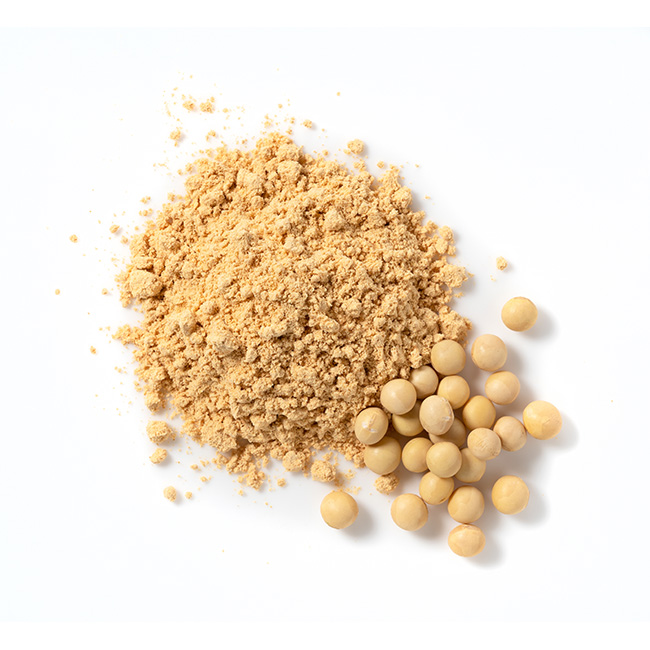
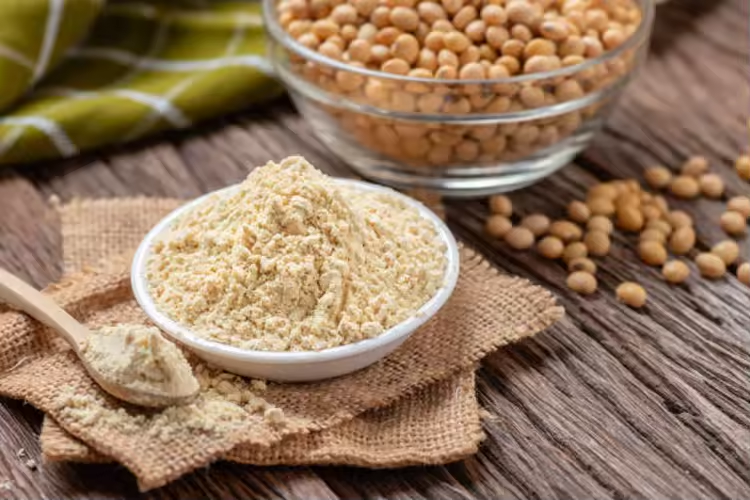
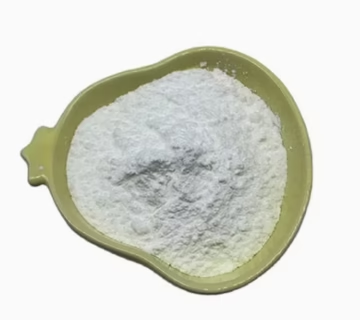
- Deoiled Lecithin Powder
- Low fat content
- Better handling in dry mixes
- Suitable for instant beverages and powders
- Granulated Lecithin
- Improved dispersibility
- Easier dosing in industrial systems
- Preferred in nutraceutical applications
The selection depends heavily on your processing environment, equipment configuration, and final product requirements.
Why Choosing the Right Organic Soy Lecithin Bulk Supplier Matters
At industrial scale, small ingredient differences create large production consequences. Lecithin quality variability can affect:
- Chocolate viscosity and flow behavior
- Powder wetting and dispersion
- Shelf life stability
- Equipment cleaning frequency
- Sensory characteristics
A reliable Organic Soy Lecithin Bulk Supplier must deliver consistency across batches. Variability in phospholipid concentration or moisture content can force costly formulation adjustments or cause unexpected production disruptions.
MT Royal positions itself as a sourcing partner that provides multiple brands and specifications, allowing manufacturers to select lecithin tailored precisely to their needs rather than forcing processes to adapt to generic materials.
Key Functional Benefits of Organic Soy Lecithin in Food Manufacturing
Emulsification Efficiency
Lecithin reduces interfacial tension between oil and water phases, stabilizing emulsions in:
- Chocolate and confectionery
- Margarine and spreads
- Bakery fats
- Dairy alternatives
- Sauces and dressings
Even small inclusion levels (0.2–0.5%) can dramatically improve product stability.
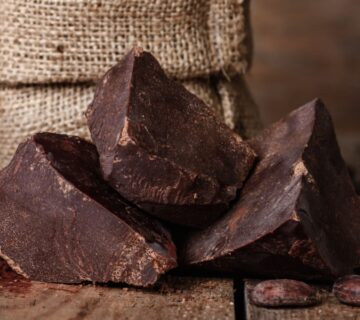
Viscosity Reduction in Chocolate Production
One of the most valuable applications is viscosity control in chocolate manufacturing. Lecithin allows:
- Lower cocoa butter usage
- Improved mold flow
- Reduced energy consumption during refining
- Enhanced mouthfeel consistency
Considering cocoa butter’s cost volatility, lecithin often delivers significant cost savings.
Improved Powder Wetting and Dispersion
In instant beverage production, lecithin enhances powder wettability, reducing clumping and improving dissolution speed. This property is critical for:
- Protein powders
- Infant nutrition products
- Instant cocoa mixes
- Meal replacement formulations
Release Agent and Processing Aid
Lecithin functions as a natural release agent in baking and confectionery, reducing sticking and improving demolding efficiency.
Factories frequently underestimate the productivity gains associated with fewer equipment stoppages due to adhesion problems.
Common Mistakes When Sourcing Organic Soy Lecithin in Bulk
Mistake 1: Focusing Only on Price Per Kilogram
A cheaper lecithin with lower phospholipid content may require higher dosage levels, ultimately increasing total formulation cost.
Cost efficiency must consider:
- Active phospholipid concentration
- Functional performance per unit
- Processing benefits
- Waste reduction
Mistake 2: Ignoring Oxidation Stability
Lecithin is sensitive to oxidation, which can cause rancid flavors and color changes.
Key indicators include:
- Peroxide value
- Acid value
- Storage conditions
- Antioxidant stabilization
Factories should verify shelf life stability data under real storage conditions.
Mistake 3: Overlooking Certification Integrity
Organic certification is not just documentation—it is a compliance requirement. Missing traceability can create regulatory risks.
Always confirm:
- Organic certificates
- Non-GMO verification
- Allergen statements
- Residual solvent analysis
Mistake 4: Selecting the Wrong Physical Form
Using liquid lecithin in a dry mixing system or powder lecithin in a fat-based system can reduce efficiency.
Matching lecithin form to process design prevents unnecessary complications.
Industrial Comparison: Organic Soy Lecithin vs Other Emulsifiers
Manufacturers sometimes compare lecithin with synthetic emulsifiers such as mono- and diglycerides or sunflower lecithin. Each option has advantages depending on the application.
Organic soy lecithin advantages include:
- Natural and label-friendly positioning
- Cost efficiency compared to many alternatives
- Broad functionality across applications
- Strong emulsification power
- Regulatory acceptance in organic formulations
Sunflower lecithin offers allergen advantages but often comes at higher cost and limited supply stability.
Synthetic emulsifiers may deliver stronger performance in some systems but lack organic certification compatibility.
Specialized Industrial Tips for Large-Scale Production
Optimize Dosage Through Pilot Trials
Small variations in lecithin type can significantly impact performance. Conduct pilot trials to identify minimum effective dosage.
Even a 0.1% reduction in lecithin usage across large production volumes can yield meaningful cost savings.
Monitor Temperature Sensitivity
Lecithin viscosity changes with temperature. Maintaining optimal handling temperatures improves dosing accuracy and pump performance.
Typical handling range:
- Liquid lecithin: 40–60°C for optimal flow
- Powder lecithin: ambient dry conditions
Integrate Lecithin Early in Process Stages
Adding lecithin at the correct processing stage improves dispersion efficiency and reduces energy consumption.
In chocolate systems, lecithin is usually added during the conching or final refining stage.
Prevent Oxidative Degradation
Store lecithin away from light, oxygen, and heat. Nitrogen blanketing in bulk storage can extend shelf life.
Use Lecithin as a Cost Reduction Tool
Beyond functionality, lecithin can:
- Reduce fat requirements
- Improve yield
- Lower waste
- Enhance processing efficiency
These indirect benefits often exceed the ingredient’s direct cost.
Market Trends Shaping Organic Soy Lecithin Demand
Growth of Clean Label and Organic Foods
Consumers increasingly demand recognizable ingredients. Organic lecithin supports clean label positioning without sacrificing functionality.
Expansion of Plant-Based Foods
Plant-based dairy and meat alternatives rely heavily on emulsifiers. Organic soy lecithin plays a crucial role in stabilizing fat and protein systems.
Nutritional Supplement Growth
Lecithin is widely used in capsules, powders, and functional foods due to its phospholipid content and health associations.
Supply Chain Diversification
Manufacturers are seeking diversified sourcing options to reduce geopolitical and agricultural risks.
MT Royal supports this trend by offering multiple sourcing channels and brands, reducing dependency on single-origin supply chains.
Frequently Asked Questions from Factory Managers and Procurement Teams
How does organic lecithin differ from conventional lecithin?
The primary difference lies in raw material sourcing and certification. Organic lecithin uses non-GMO soybeans grown under certified organic agricultural standards.
What dosage levels are typical in chocolate production?
Most chocolate formulations use 0.3% to 0.5% lecithin, though exact amounts depend on fat content and viscosity targets.
Can organic soy lecithin replace mono- and diglycerides?
In many applications, yes. However, performance depends on formulation specifics and process conditions.
What shelf life should we expect?
Typically 12 to 24 months under proper storage conditions, though oxidation parameters must be monitored.
Is allergen labeling required?
Yes. Soy is a recognized allergen in many regions, so labeling compliance is essential.
How do we verify supplier reliability?
Evaluate:
- Historical supply performance
- Batch consistency
- Technical documentation
- Customer references
- Responsiveness to technical inquiries
In our experience, factories benefit most from suppliers that combine logistics reliability with technical expertise rather than focusing solely on price negotiations.
Building a Strategic Relationship with an Organic Soy Lecithin Bulk Supplier
Procurement success often depends on partnership quality rather than transactional purchasing. Working with experienced distributors allows you to:
- Access multiple brands
- Compare specifications
- Optimize costs
- Reduce risk
- Gain technical insights
MT Royal operates within this partnership model, supporting manufacturers with flexible sourcing options and competitive pricing structures tailored to industrial volumes.
We have observed that factories treating ingredient sourcing as a strategic function—not just procurement—consistently achieve better production stability and long-term cost efficiency.
The Broader Industrial Impact of Lecithin Selection
Choosing the right lecithin affects more than formulation—it influences:
- Energy consumption during processing
- Equipment wear and maintenance frequency
- Product shelf life
- Consumer perception
- Regulatory compliance
- Production throughput
In many ways, lecithin functions like a lubricant inside your production ecosystem. When the lubricant is right, everything moves smoothly. When it is wrong, friction appears everywhere—from mixers to margins.
Factories that understand this dynamic gain competitive advantage not through dramatic innovation, but through intelligent ingredient optimization.
The real opportunity lies not simply in buying lecithin, but in selecting a supplier who understands manufacturing realities, anticipates challenges, and provides materials aligned with your operational goals. When those elements come together, lecithin stops being a minor line item and becomes a silent driver of efficiency across your entire production chain.

No comment