

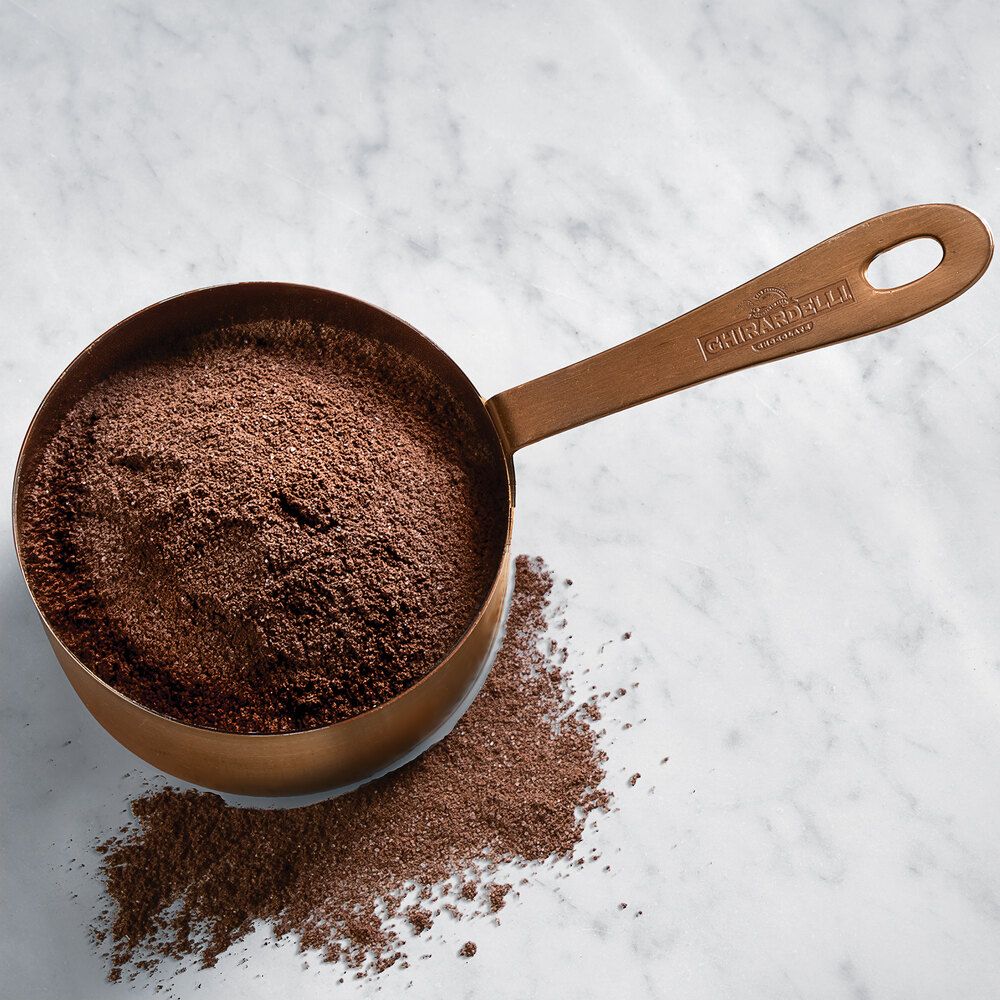
When you walk into a production plant and breathe in that rich, chocolatey aroma, you might not think about the subtle chemistry behind it. Yet in large-scale manufacturing—be it confectionery, bakery, beverage, or coatings—Pastino Alkalized Cocoa plays a critical role in defining both the visual appeal and the sensory signature of your products. In this article, we’ll dive deep into why Pastino’s alkalized cocoa powder is such a valuable ingredient for production managers, procurement officers, and plant supervisors who care as much about color consistency and aroma as they do about cost-per-unit.
Why This Matters for You (and Your Factory)
- Color expectations in consumer-facing chocolate – a bright red-brown cocoa, or even a dark burgundy-black, makes a huge difference in product appeal.
- Flavor and aroma impact – alkalized cocoa shifts taste, reduces acidity, and enhances chocolate bouquet.
- Process efficiency – solubility, pH stability, and shelf life matter when you’re working with big volumes.
- Quality consistency – batch-to-batch stability and supplier reliability are non-negotiable for industrial operations.
At MT Royal, we regularly supply manufacturers around the globe with alkalized cocoa options, including top-tier brands and specialty grades. In our experience supplying manufacturing facilities across confectionery, baked-goods, and beverage sectors, Pastino’s alkalized cocoa has become a go-to for its balance of color, aroma, and performance.
Understanding Alkalized Cocoa: The Fundamentals
What Does “Alkalized Cocoa” Mean?
Alkalized cocoa—also often called “Dutch process cocoa” or “Dutched cocoa”—refers to cocoa powder that has been treated with an alkaline solution (such as potassium carbonate) to neutralize its natural acidity.
This chemical treatment:
- Raises the pH (reducing acidity), typically to around 7 to 8.
- Darkens the color significantly, producing deep reddish-brown to nearly black tones.
- Smooths the flavor, reducing bitterness and astringency.
- Enhances aroma by encouraging the formation of chromophoric groups (compounds that contribute to color) and flavor precursors in the cocoa.
Alkalized cocoa is widely used in industrial applications because of these properties.
Why Alkalization Changes Color and Aroma
From a chemical standpoint, alkalization triggers polymerization of flavanols and other polyphenols, which develop into larger molecules with stronger chromophoric (color-bearing) groups.
These changes do two things that are very useful for manufacturers:
- Color Intensity: More intense color means you can achieve strong pigmentation even at moderate dosage levels. That helps reduce costs and avoid artificial coloring.
- Aroma Enhancement: The alkalization process tends to reduce acidity and mellow out harsh notes, replacing them with a richer cocoa bouquet – more stable, more rounded, more appealing.
Also, because alkalized cocoa is less acidic, it reacts differently in your formulations—especially when it comes to leavening and pH-sensitive ingredients.

The Unique Benefits of Pastino Alkalized Cocoa in Industrial Production
Now that we’ve covered the basics, let’s talk about Pastino Alkalized Cocoa specifically, and why it’s a strong choice for manufacturing facilities.
Superior Color Strength and Stability
- Pastino’s alkalized cocoa exhibits deep, consistent reddish-brown to black tones depending on the grade. That color richness is not just cosmetic—it allows for visual distinction in chocolate coatings, glazes, or instant drink powders without resorting to artificial dyes.
- Because its chromophoric compounds are highly developed, color remains stable under thermal processing. Whether you’re baking or making a hot chocolate mix, the hue remains attractive and doesn’t fade easily.
Aromatic Profile
- The alkalization enhances flavor precursors, which contribute to the rich cocoa aroma.
- Compared to natural cocoa powder, Pastino’s alkalized product has smoother acidity, less bite, and a more balanced bouquet—ideal for premium or mid-tier chocolate items.
Functional Advantages
- Solubility and Dispersibility: In production, you need a cocoa powder that dissolves cleanly without lumping. Pastino alkalized cocoa is engineered for excellent solubility in aqueous systems (drinks, dessert mixes) and compatibility with fat-based systems (chocolate masses, coatings).
- pH Stability: Its neutral-to-alkaline pH means that in recipes using chemical leaveners like baking powder, you avoid unwanted interactions that could compromise product structure or texture.
- Shelf Life: With alkalization, the powder becomes less prone to oxidation, helping maintain aroma and color during storage.
Cost Efficiency & Dosage
- Thanks to its high coloring capacity, Pastino alkalized cocoa can often be used at lower inclusion rates than lower-quality natural cocoa or less intensely alkalized powders. This reduces per-unit cost.
- Its high batch consistency means fewer quality deviations—reducing wastage, rejects, and rework on the production line.
Regulatory and Food Safety
- It complies with food-grade specifications (moisture, fat content, microbial load) per standard industrial cocoa powder requirements.
- Packaging is optimized for bulk use (e.g., 25 kg bag formats) to suit high-volume industrial buyers.
Common Pitfalls and Misconceptions in Industrial Procurement of Alkalized Cocoa
When industrial buyers source alkalized cocoa, they can run into several pitfalls—and we’ve seen these firsthand in our work at MT Royal.
Misconception: “All alkalized cocoas are the same”
Not so. Alkalization processes vary:
- Degree of alkalization: Light, medium, and heavy alkalization result in very different pH, color, and flavor profiles.
- Type of alkali used: Different suppliers may use potassium carbonate, sodium carbonate, or other agents; each affects taste, pH, and regulatory compliance.
- Processing quality: Fineness, microbial control, and consistency vary between suppliers.
Choosing based only on price without assessing the grade may result in powder that doesn’t perform in your process or generates batch failures.
Pitfall: Ignoring pH compatibility
Some buyers don’t realize that alkalized cocoa’s neutral-to-basic pH may not react well with acid-leavened systems. Recipes relying on baking soda may see compromised volume and texture when switching to alkalized cocoa.
Pitfall: Underestimating solubility issues
Not all cocoa powders disperse equally. If your supplier doesn’t guarantee fine micronization, you may face lumps, poor solubility, or long mixing times—a slow-down risk on high-throughput lines.
Misconception: Darker color = “better cocoa”
A very dark alkalized cocoa may look luxurious, but if it’s over‑alkalized, it could have muted flavor or even off-notes. True quality brings both color and aromatic depth.
Pitfall: Poor supplier communication
Treating cocoa like a commodity and not asking for detailed specification sheets or certificates of analysis can lead to inconsistent quality or unpleasant surprises such as moisture variation or contamination.
Actionable Advice & Pro Tips for Plant Owners and Production Managers
Here’s a practical, step-by-step guide to incorporating Pastino Alkalized Cocoa into your manufacturing line in a way that maximizes benefits and minimizes risk.
- Define Your Grade Requirements
- Decide desired color tone and pH range.
- Determine fat content.
- Ask for micronization to ensure good dispersibility.
- Request a Certificate of Analysis (CoA)
- Vital parameters: pH, moisture, fat, ash, microbial load.
- Also check package information: bag weight, liner, shelf life.
- Run Pilot Trials
- Blend at expected dosing levels in your real formulation.
- Monitor color development, aroma, solubility, and interactions with leavening agents.
- Adjust Formulation If Needed
- For recipes using baking soda, test rise, texture, and crumb.
- For beverages, monitor dispersion times and final color; adjust mixing parameters as needed.
- Stability Testing
- Store samples at high temperature/humidity and re-evaluate color and aroma after weeks/months.
- Test for oxidation or off-flavor development.
- Quality Control On Batch Production
- Institute QC checks on every cocoa batch: visual color, pH, solubility test, moisture.
- Maintain strong supplier relationships.
- Supplier Diversification
- While Pastino may be primary, keep alternate sources for risk mitigation.
- Consider premium European-origin cocoa like Latamarko for specialty lines.
- Storage Best Practices
- Store in cool, dry, odor-free environment.
- Use first-in, first-out (FIFO) stock rotation to ensure freshness.
Real-Life Anecdotes & Industrial Examples
A. Coating Plant for Chocolate Confections
A medium-sized confectionery plant struggled with flat brown coatings. Switching to Pastino’s more intensely alkalized cocoa deepened the color and reduced mixing time by 10%, while preserving aroma.
B. Instant Beverage Manufacturer
A powdered hot cocoa manufacturer replaced half their natural cocoa with Pastino alkalized cocoa, resulting in smoother taste, better pH stability, fewer clumping issues, and improved consumer perception of flavor and color.
C. Large Bakery Operation
In a cake and muffin facility, Pastino alkalized cocoa required minor adjustments to baking powder, resulting in improved color and richer chocolate flavor without affecting crumb structure or volume.
Comparison With Other Cocoa Options
| Cocoa Type | Color & Appearance | Flavor / Aroma | pH | Industrial Role | Advantages / Disadvantages |
|---|---|---|---|---|---|
| Natural | Light to medium brown | Bright, acidic notes | ~5.2–5.8 | Bakery, drinks where acidity is allowed | + Reacts with baking soda – Less color strength |
| Light Alkalized (Pastino) | Reddish brown | Smooth, mellow | ~7–7.5 | Confectionery, coatings, drinks | + Balanced profile, + color & aroma |
| Heavy Alkalized | Dark brown to black | Mild, sometimes muted | ~8 | Coatings, specialty dark products | + Intense color – Can mute flavor |
| Premium European (Latamarko) | Light brown to deep brown | Authentic fruity or refined | 5.2–8 | High-end bakery, artisan chocolate | + Premium sensory profile – Higher cost |
Industry-Specific Considerations for Large-Scale Production
Bulk Logistics
- Packaging: 25 kg bags or bulk.
- Storage: cool, dry, odor-free environment.
- Inventory Control: FIFO, shelf-life testing, supplier communication.
Quality Assurance
- Batch Testing: pH, moisture, fineness, microbial load, sensory checks.
- In-Line Monitoring: periodic color and aroma assessments.
- Supplier Audits: periodic verification of quality and traceability.
Regulatory & Food Safety
- Compliance with local food regulations.
- Documentation: certificates of analysis, origin, packaging specs, microbial testing.
- Maintain GMP practices on the factory floor.
Cost Management
- Total Cost of Ownership: consider dosage, waste, rework, and changeovers.
- Supplier Diversity: hedge against price fluctuations.
- Volume Discounts: negotiate favorable terms for bulk, regular orders.
Sustainability & Traceability
- Ask for sourcing info: bean origin, sustainability certifications.
- Ensure traceability from supplier to final product.
Frequently Asked Questions (FAQ)
Q1: Can I substitute natural cocoa with Pastino alkalized cocoa?
A1: Yes, but formula adjustments are often needed due to pH differences affecting leavening.
Q2: How much Pastino cocoa to achieve same color?
A2: Conduct side-by-side dosing trials; Pastino may require lower inclusion rates due to high chromophore strength.
Q3: Does alkalization affect antioxidants?
A3: Some reduction in flavanols occurs; impact varies with alkalization degree.
Q4: How stable is Pastino cocoa in storage?
A4: Very stable under proper storage (cool, dry, odor-free, FIFO).
Q5: Should I run supplier audits?
A5: Yes, to maintain quality consistency and traceability.
Q6: Sustainability concerns?
A6: Verify sourcing practices, sustainability certifications, and ethical standards.
Why Trust Pastino (and MT Royal)
- Proven Performance: Used across high-volume bakery, beverage, and coating lines.
- Competitive Pricing: Optimal balance of cost, quality, and performance.
- Quality Assurance: Certificates of analysis and robust QC support.
- Technical Support: Pilot trials, formulation adjustments, process integration.
- Supply Reliability: Inventory buffers and flexible packaging options.
- Brand Flexibility: Options like Latamarko for premium lines alongside Pastino for industrial-scale production.
Strategic Reflection: Elevating Your Product with Cocoa Intelligence
Cocoa isn’t just an ingredient—it’s an opportunity. Optimizing your choice, especially with Pastino Alkalized Cocoa, unlocks:
- Brand differentiation: richer color and aroma.
- Cost efficiency: more pigment per kilogram reduces raw material waste.
- Production resilience: consistent batches minimize rework.
- Innovation potential: explore new product lines confidently.
Emerging Trends & Future Outlook
- Clean-label blending: combining alkalized and natural cocoa for color and clean-label claims.
- Sustainability demand: traceable and ethical sourcing matters.
- Premiumization: high-end lines require refined cocoa flavor and color.
- Supply chain risk mitigation: distributor partnerships ensure steady supply.
- Innovation in cocoa processing: new techniques allow color retention with higher flavanol preservation.
Parting Thought
You don’t just buy cocoa powder—you invest in the visual appeal, aroma, and overall operational efficiency of your production line. Every batch you produce reflects the choices you make about ingredients, and Pastino Alkalized Cocoa provides the consistency, color intensity, and aromatic depth that modern manufacturing demands. Beyond simply meeting specification sheets, it ensures your products consistently hit the mark with consumers, reduces variability in production, and minimizes costly rework or waste.
With Pastino, you gain a reliable, high-performance ingredient that integrates seamlessly into large-scale confectionery, bakery, beverage, and coating operations. Its superior solubility, pH stability, and batch-to-batch consistency make it a practical choice for factory managers who need both quality and efficiency.
At MT Royal, we supply Pastino alongside premium European options like Latamarko, allowing you to match the right cocoa grade to each line or product tier. Whether you’re aiming for high-volume industrial production or launching specialty products that demand the finest color and aroma, this flexibility ensures your formulation choices are aligned with both performance and brand positioning.



No comment