


In everyday food manufacturing, cocoa is not a luxury ingredient. It is a workhorse. From breakfast biscuits and chocolate milk to cakes, spreads, and filled snacks, cocoa powder shapes flavor, color, and consumer perception long before branding or packaging has a chance to speak. This is why Pastino Brown Cocoa Powder for everyday food products has become a practical choice for manufacturers who need reliability more than drama.
If your factory produces high-volume, everyday food products, you already know that cocoa decisions are not about chasing the darkest color or the most exotic origin. They are about repeatability, cost control, clean processing behavior, and consumer acceptance at scale. This is exactly where working with an experienced ingredient partner like MT Royal matters. By supplying Pastino brown cocoa powder alongside other proven cocoa brands, MT Royal supports manufacturers who want stable formulations and predictable outcomes, not constant adjustments.
We have seen factories reformulate multiple times, only to realize the real issue was not sugar ratios or baking curves, but cocoa powder inconsistency. This article is written to help you avoid that path.
What follows is a deep, factory-oriented exploration of Pastino Brown Cocoa Powder for everyday food products, designed for decision-makers who think in batches, tons, and shelf life—not marketing slogans.
latamarko alkalized cocoa powder lm60
cocoa powder for chocolate production-Best price
Food industry raw materials – list of products
Types of Gelatin from Turkish Manufacturer
Alkalized Cocoa Powder Bulk Supplier
Understanding Brown Cocoa Powder in Industrial Food Applications
Cocoa powder is produced by grinding cocoa cake after cocoa butter extraction. What distinguishes one cocoa powder from another is not just color, but alkalization level, fat content, particle size, and flavor profile.
What Defines Brown Cocoa Powder?
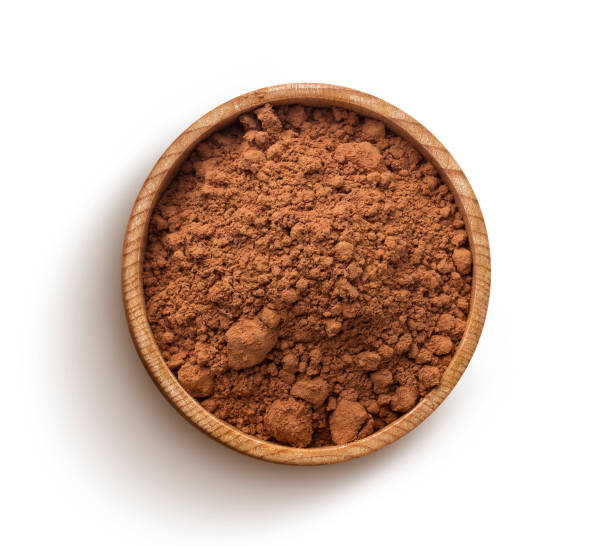
Brown cocoa powder typically refers to lightly to moderately alkalized cocoa. Compared to natural cocoa powder, it offers:
- Milder acidity
- Smoother, more rounded chocolate flavor
- Improved dispersibility
- More stable color in processed foods
Pastino brown cocoa powder sits squarely in this functional space, making it well suited for everyday food products where balance matters more than intensity.
Why Everyday Food Products Require a Different Cocoa Strategy
Consistency Over Intensity
In mass-market food products, consumers expect the same taste every time. Small variations in cocoa flavor or color are noticed immediately.
Cost Sensitivity at Scale
When cocoa is used daily across multiple SKUs, even minor cost fluctuations have major financial impact.
Process Compatibility
Cocoa must behave predictably during mixing, heating, baking, and storage.
Regulatory and Labeling Stability
Everyday products cannot afford frequent specification changes.
This is why Pastino Brown Cocoa Powder for everyday food products is positioned as a functional, not experimental, ingredient.
Key Applications Where Pastino Brown Cocoa Powder Excels
Bakery Products
Cakes, muffins, cookies, and brownies benefit from Pastino’s balanced cocoa flavor and stable brown color. It integrates smoothly into dry mixes and batters without aggressive bitterness.
Biscuits and Wafers
In low-moisture products, cocoa must deliver flavor without compromising texture. Pastino brown cocoa powder provides reliable dispersion and consistent appearance.
Dairy-Based Products
Chocolate milk, flavored yogurts, puddings, and dessert creams require cocoa powders that dissolve well and remain stable during shelf life.
Breakfast Cereals and Bars
Cocoa used in extrusion or compression processes must tolerate heat and mechanical stress. Pastino’s controlled alkalization supports this.
Fillings and Creams
Uniform color and mild flavor make it suitable for chocolate-flavored fillings where sweetness and fat carry much of the profile.
Flavor Profile: Why “Brown” Matters in Daily Consumption
One of the most common mistakes manufacturers make is assuming darker cocoa always means better cocoa. In reality, darker alkalized cocoa often introduces:
- Overly bitter notes
- Reduced chocolate perception
- Color mismatches after baking
Pastino brown cocoa powder offers a middle ground. It delivers recognizable chocolate flavor without overpowering other ingredients. For everyday products, this balance is critical.
We have seen consumer panels consistently prefer moderate cocoa profiles in daily snacks over intense, premium-style chocolate notes.
Technical Characteristics of Pastino Brown Cocoa Powder
Alkalization Level
Moderate alkalization improves solubility and reduces acidity while maintaining cocoa identity.
Fat Content
Optimized fat levels support mouthfeel without destabilizing formulations.
Particle Size Distribution
Controlled grinding ensures smooth texture and uniform dispersion.
Color Stability
Brown tones remain consistent after baking, pasteurization, or UHT processing.
These characteristics are why Pastino Brown Cocoa Powder for everyday food products fits seamlessly into standardized production environments.
Common Mistakes in Industrial Cocoa Powder Sourcing
Choosing Cocoa Based on Color Alone
Color charts do not predict flavor behavior or processing performance.
Ignoring Batch-to-Batch Variability
Inconsistent cocoa leads to constant formulation adjustments.
Overlooking Application Testing
A cocoa that works in biscuits may fail in dairy or beverages.
Treating Cocoa as a Commodity
Cocoa is a flavor system, not just a coloring agent.
We have seen factories blame sugar suppliers, emulsifiers, or processing conditions when cocoa powder was the silent variable.
Comparing Pastino Brown Cocoa Powder with Other Cocoa Types
Pastino Brown vs Natural Cocoa Powder
Natural cocoa offers sharper acidity and lighter color, often requiring recipe adjustments.
Pastino Brown vs Dark Alkalized Cocoa
Dark cocoa delivers intense color but can mute chocolate flavor and increase bitterness.
Pastino Brown vs Black Cocoa
Black cocoa is primarily a coloring agent, not suitable for most everyday foods.
For daily consumption products, Pastino brown cocoa powder often provides the best balance of flavor, color, and cost efficiency.
Industrial Processing Considerations at Scale
Mixing and Dispersion
Pastino brown cocoa powder disperses efficiently in both dry and liquid systems, reducing mixing time.
Heat Stability
It maintains flavor integrity during baking and thermal processing.
Interaction with Sweeteners
Its mild profile pairs well with sucrose, glucose syrups, and alternative sweeteners.
Fat System Compatibility
Works effectively in both low-fat and full-fat formulations.
We have seen production efficiency improve when cocoa behavior becomes predictable rather than variable.
Supply Chain and Sourcing Realities
Global Cocoa Market Volatility
Cocoa prices fluctuate due to climate, harvest cycles, and geopolitical factors. Choosing a stable brand reduces downstream risk.
Documentation and Traceability
Reliable COA, origin data, and food safety compliance protect your operation.
Packaging Formats
- 25 kg bags for standard production
- Moisture-protected packaging for long storage
At MT Royal, we work with multiple cocoa brands, including Pastino, to ensure continuity even during market disruptions.
Why Wholesale Buyers Prefer Pastino for Everyday Lines
Predictable Performance
Less reformulation, fewer surprises.
Cost-to-Performance Balance
Not premium-priced, not low-end—positioned for volume use.
Versatility Across Categories
One cocoa powder can often serve multiple SKUs.
Reduced Quality Complaints
Consistency leads to fewer consumer issues.
We have seen procurement teams simplify supplier portfolios by standardizing on reliable brown cocoa powders for core product lines.
Frequently Asked Questions from Food Manufacturers
Is Pastino brown cocoa powder suitable for beverages?
Yes, especially for chocolate milk and flavored dairy products.
Does it require recipe adjustments when replacing another cocoa?
Minor adjustments may be needed, but changes are typically minimal.
How stable is the color after baking?
Very stable within standard baking ranges.
Can it be used in clean-label products?
Yes, depending on formulation and market regulations.
Strategic Role of a Trusted Ingredient Partner
In everyday food production, success is not dramatic. It is consistent. Ingredient sourcing plays a decisive role in achieving that consistency.
At MT Royal, we do not recommend cocoa powders based on trend or margin alone. We look at how they behave in real factories. We have worked with manufacturers who needed cocoa that simply works—day after day, batch after batch. Pastino brown cocoa powder often meets that requirement without forcing compromise elsewhere.
Using “we” here reflects direct experience with production realities, not theory.
Looking Ahead: The Place of Pastino Brown Cocoa Powder in Daily Food Manufacturing
As consumers continue to demand affordable, familiar, and reliable food products, manufacturers will focus even more on ingredient stability. Cocoa powder will remain central to this equation.
Pastino Brown Cocoa Powder for everyday food products is not about creating the boldest chocolate experience. It is about delivering the right one, consistently, at scale. In industrial food production, that is often the smarter choice.
The best ingredients are rarely the loudest. They are the ones that disappear into the process—doing their job quietly, reliably, and profitably.

No comment