


In large-scale food manufacturing and international exports, the quality of cocoa powder is more than just a flavor component—it defines the color, aroma, and performance of the final product. For industrial-scale chocolate, bakery, beverage, and confectionery operations, sourcing the right cocoa powder is critical to maintaining consistency, reducing waste, and ensuring profitability. Pastino Cocoa Powder has become a trusted choice for factories and production plants that demand reliable, high-performance ingredients capable of supporting both domestic and export-grade food production.
At MT Royal, we supply manufacturers with a diverse range of cocoa brands, offering competitive pricing and unmatched consistency. In our experience supplying bulk cocoa to factories across multiple industries, Pastino has proven itself as an efficient, dependable solution. Additionally, for premium product lines, European-origin brands like Latamarko provide refined flavor profiles and superior stability, offering factories the flexibility to meet both standard and high-end market demands.
https://pastino.com.tr/en/products/
Understanding Cocoa Powder in Industrial Context
What Is Cocoa Powder?
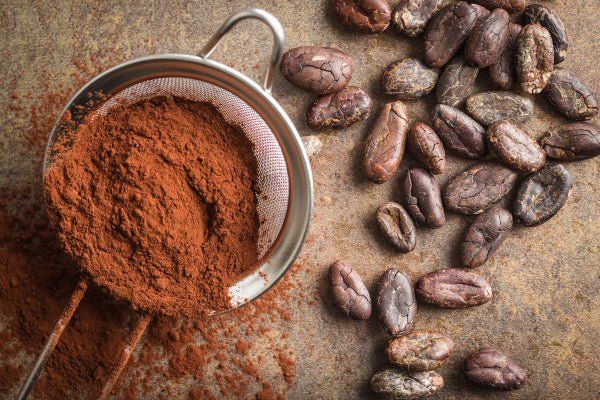
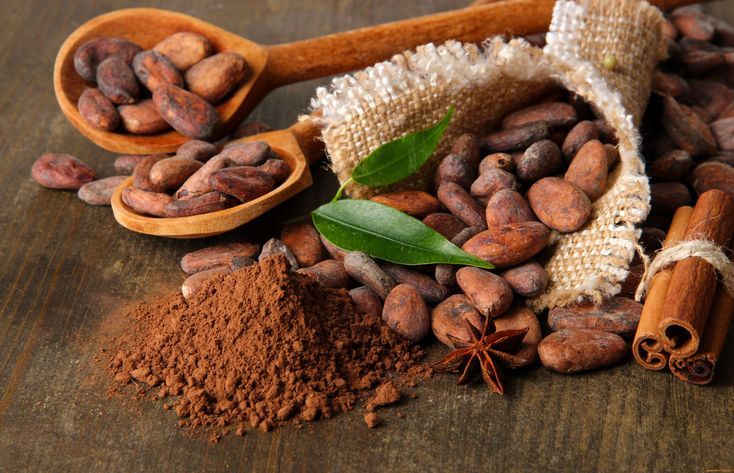
Cocoa powder is the dehydrated, defatted product obtained from roasted cocoa beans. It is a core ingredient in chocolate, baked goods, beverages, coatings, and desserts. Industrial cocoa powder is usually classified into:
- Natural cocoa powder – acidic, lighter in color, and often used in baking where acidity interacts with chemical leaveners.
- Alkalized (Dutch-processed) cocoa – treated to neutralize acidity, producing darker color, smoother flavor, and improved solubility for large-scale processing.
For bulk food production and export, cocoa must meet strict quality, safety, and consistency standards to ensure product performance across multiple batches and geographies.
Why Quality Matters for Bulk Production
- Color Uniformity: In coatings, ganache, and powdered mixes, visual consistency directly impacts consumer perception.
- Flavor Integrity: The cocoa’s aroma and taste must hold up under heat, mixing, and storage.
- Solubility & Dispersion: Efficient mixing reduces production downtime and avoids clumping in beverages or confectionery products.
- Batch-to-Batch Consistency: Industrial lines depend on uniformity to prevent production errors and minimize rework.
For exporters, these attributes are critical: inconsistencies can affect international brand reputation and regulatory compliance.
Unique Benefits of Pastino Cocoa Powder
Consistent Quality for Bulk Operations
Pastino Cocoa Powder delivers uniform particle size, color, and flavor, ensuring consistent results across high-volume production runs. Its high dispersibility and stable pH allow seamless integration into beverages, baked goods, and chocolate masses.
Superior Flavor and Aroma
- Smooth, rich chocolate notes suitable for industrial recipes.
- Reduced acidity compared to natural cocoa, making it ideal for chemical-leavening applications.
- Aroma remains robust under thermal processes, enhancing final product appeal.
Functional Advantages for Factories
- Solubility: Ideal for both aqueous and fat-based systems.
- Batch Reliability: Maintains color and aroma across large production volumes.
- Shelf Stability: Reduced oxidation risk ensures aroma and color are preserved during long storage periods—vital for export shipments.
Operational Efficiency
- Lower dosage requirements due to strong color and flavor concentration.
- Reduced material waste and less rework.
- Compatibility with automated dosing and high-speed mixing equipment.
Common Pitfalls and Misconceptions in Bulk Cocoa Procurement
Industrial buyers often encounter challenges when sourcing cocoa for export and bulk production:
- All cocoa powders are not equal: Variations in processing, alkalization, and origin affect functionality.
- Ignoring pH compatibility: High-volume bakeries need to consider interactions with leavening agents.
- Solubility concerns: Poorly micronized powders lead to clumps and slower mixing times.
- Overemphasis on color: Extremely dark powders may compromise flavor if over-processed.
- Supplier communication: Lack of clear certificates of analysis (CoA) or batch traceability can result in inconsistent quality.
Step-by-Step Guide for Factory Integration
Step 1: Determine Product Requirements
- Desired color tone and intensity
- Flavor profile
- Particle size for solubility
- Fat content compatibility
Step 2: Review Certificates and Specifications
- Moisture, pH, fat, and microbial parameters
- Packaging integrity and batch traceability
Step 3: Pilot Production Trials
- Test the cocoa in representative recipes
- Monitor aroma, color, and consistency
- Adjust recipe ratios if needed
Step 4: Optimize Full-Scale Production
- Integrate Pastino Cocoa Powder into high-speed mixers
- Ensure proper dispersibility in dry mixes and liquid applications
- Apply quality control checks on every batch
Step 5: Storage and Logistics
- Keep cocoa in cool, dry, odor-free environments
- Follow FIFO stock rotation
- Plan bulk procurement to minimize downtime
Real-World Industrial Applications
A. Confectionery Production
A chocolate coating plant using Pastino Cocoa Powder saw consistent color and reduced mixing time across multiple shifts. This led to decreased material waste and improved consumer appeal.
B. Export-Grade Bakery Mixes
A bakery exporting pre-mixed chocolate cakes required cocoa with stable pH and strong aroma for overseas shipping. Pastino Cocoa Powder maintained flavor integrity and visual appeal even after long transit times.
C. Beverage Production
Instant cocoa beverage manufacturers integrated Pastino Cocoa Powder, eliminating clumps, reducing preparation time, and ensuring a smooth, homogeneous drink in large-scale batch production.
Comparison of Cocoa Options for Industrial Use
| Cocoa Type | Color | Flavor | pH | Industrial Applications | Notes |
|---|---|---|---|---|---|
| Natural | Light brown | Acidic | 5–6 | Standard bakery, drinks | Reacts with leaveners, lighter color |
| Pastino | Medium-dark brown | Smooth, rich | 7–7.5 | Bulk bakery, beverages, coatings | Strong color, reliable performance |
| Alkalized Heavy | Dark brown | Mild | 7.5–8 | Coatings, specialty lines | Risk of muted flavor if overused |
| Premium European (Latamarko) | Deep, refined | Complex, nuanced | 6–8 | High-end bakery, artisan chocolate | Premium quality, higher cost |
Industry Considerations for Large-Scale Production
- Bulk Logistics: 25 kg bags or palletized formats, dry and odor-free storage
- Quality Assurance: In-line monitoring for color, aroma, pH, and solubility
- Regulatory Compliance: Certificates for export and local regulations
- Cost Optimization: Reduce per-unit cost through lower dosage and minimal waste
- Sustainability & Traceability: Track origin and certifications for export markets
Frequently Asked Questions (FAQ)
Q1: Can Pastino Cocoa Powder replace natural cocoa in bulk recipes?
A1: Yes, with minor adjustments for pH-sensitive formulations.
Q2: How do I ensure color consistency?
A2: Conduct pilot tests and monitor batch-to-batch uniformity.
Q3: Is Pastino suitable for long-term export shipments?
A3: Yes, stable under proper storage and packaging conditions.
Q4: How does cocoa processing affect flavor?
A4: Alkalized cocoa reduces acidity, smooths flavor, and enhances aroma.
Q5: Should I diversify suppliers?
A5: Keeping multiple suppliers ensures continuity, quality, and risk mitigation.
Parting Thought
Sourcing cocoa for bulk food production is more than a procurement task—it’s a strategic investment in color, aroma, and operational efficiency. Pastino Cocoa Powder gives industrial operations the consistency, flavor, and solubility needed for high-volume production and international exports. By integrating Pastino, you minimize waste, reduce variability, and ensure product quality across batches.
With MT Royal as your trusted supplier and access to premium brands like Latamarko, you can meet both standard and high-end market demands without compromising performance.



No comment