


For professional pastry chefs, large-scale bakery operators, and industrial chocolate manufacturers, the pursuit of perfect flavor, aroma, and visual appeal is never-ending. In industrial environments, every ingredient decision impacts not only taste but also production efficiency, consistency, and profitability. Among these decisions, choosing the right dark cocoa is paramount. Pastino Dark Cocoa has emerged as a trusted option for high-end pastry applications, offering unparalleled color depth, intense flavor, and reliable performance for factories, production lines, and procurement teams.
At MT Royal, we supply a diverse range of cocoa brands to meet various industrial needs, from bulk bakery operations to specialty dessert production. In our experience, Pastino Dark Cocoa consistently delivers premium results, while premium European options like Latamarko offer additional performance for specialty or artisanal products. Let’s explore why this ingredient is such a game-changer for high-end pastry production.
Understanding Dark Cocoa: Fundamentals and Industrial Relevance
What Is Dark Cocoa?
Dark cocoa refers to cocoa powders that are processed to emphasize intense color and robust chocolate flavor. Unlike lighter alkalized or natural cocoas, dark cocoa undergoes specific processing that enhances polyphenol development, resulting in a deeper brown to nearly black hue and a rich, slightly bitter taste that pastry and chocolate professionals value.
Why Dark Cocoa Matters in Industrial Applications
- Color Intensity: Industrial pastry products demand consistent, deep coloring for chocolate coatings, ganaches, and bakery fillings.
- Flavor Profile: Dark cocoa provides bold, complex notes that enhance both traditional and innovative desserts.
- Process Stability: Solubility, pH balance, and batch-to-batch consistency are critical for production efficiency and minimizing rejects.
- Cost Efficiency: Higher color and flavor strength allow for lower dosage, reducing material waste without compromising product quality.
For factory managers and procurement officers, understanding these fundamentals ensures the selection of a cocoa powder that performs predictably under large-scale production conditions.
Unique Benefits of Pastino Dark Cocoa for High-End Pastry Production
Exceptional Color and Visual Appeal
Pastino Dark Cocoa delivers a deep, uniform color that remains consistent across batches. This is critical in industrial settings where products must meet consumer expectations in both appearance and branding standards. Whether used in enrobing chocolate, pastry glazes, or dark ganaches, the color stability reduces the need for corrective measures or additional coloring agents.
Intense Flavor and Aroma
Industrial pastry applications benefit from Pastino’s rich aromatic profile. The dark cocoa provides complex notes, balancing mild bitterness with a nuanced cocoa bouquet. Its flavor is particularly suited to:
- Chocolate mousses and truffles
- High-end pastries and cake decorations
- Beverage formulations requiring strong chocolate flavor
The smooth taste also ensures compatibility with dairy, sugar, and emulsifiers commonly used in industrial recipes.
Functional Advantages for Production Lines
- Superior Solubility: Minimizes clumping and ensures homogeneous integration into doughs, fillings, and coatings.
- pH Stability: Neutral-to-alkaline properties support recipes with chemical leaveners without altering texture or rise.
- Batch-to-Batch Consistency: Industrial production demands predictable results; Pastino maintains quality across large volumes.
- Shelf-Life Stability: Reduced oxidation risks preserve color and aroma during storage.
Cost-Effectiveness and Efficiency
Because of its high color and flavor concentration, Pastino Dark Cocoa often requires lower usage rates compared to conventional cocoa powders. This reduces the per-unit cost while maintaining high product standards, a key consideration for large-scale manufacturing.
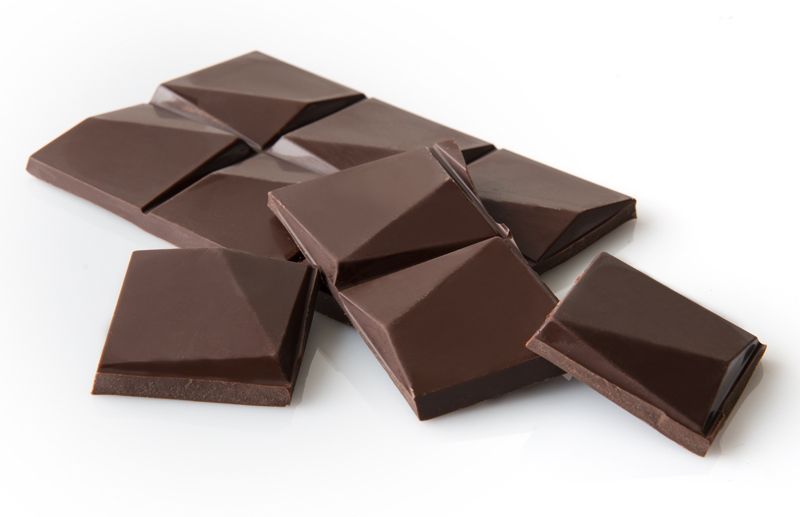
Common Pitfalls in Industrial Cocoa Procurement
Even experienced procurement teams can encounter challenges when sourcing dark cocoa for high-end applications. Here are common pitfalls and misconceptions:
- Assuming All Dark Cocoas Are Equal: Processing methods, alkalization levels, and origin all affect performance. Selecting purely on price may lead to inconsistent batches.
- Ignoring pH Effects: Some recipes using baking soda or acid-sensitive ingredients require careful consideration of cocoa pH.
- Overlooking Solubility Issues: Coarse or poorly micronized powders may cause clumping and longer mixing times on production lines.
- Equating Dark Color with Superior Quality: Extremely dark powders may taste flat or muted if over-processed.
- Neglecting Supplier Communication: Lack of clear CoA and specifications can result in inconsistent quality, moisture variation, or contamination.
Step-by-Step Guide for Integrating Pastino Dark Cocoa
1. Specify Grade Requirements
- Determine desired color intensity and flavor profile.
- Confirm particle size for solubility and dispersion.
- Evaluate fat content for compatibility with recipe systems.
2. Review Certificate of Analysis (CoA)
- Verify moisture, pH, fat, and microbial parameters.
- Ensure batch traceability and packaging integrity.
3. Conduct Pilot Trials
- Test formulation with your standard recipes.
- Observe color, flavor, and interaction with chemical leaveners or fats.
4. Adjust Formulations
- Optimize sugar, emulsifier, or fat ratios if necessary.
- Consider blending with premium European cocoa like Latamarko for specialty lines.
5. Implement Quality Control
- Monitor color, aroma, moisture, and solubility for each batch.
- Use in-line testing to reduce rework and ensure uniformity.
6. Optimize Storage and Inventory
- Store in a dry, cool, odor-free environment.
- Rotate stock (FIFO) to maintain freshness.
- Plan bulk procurement strategically to avoid production downtime.
Industrial Applications: Real-World Examples
A. Luxury Pastry Production
A high-volume pastry factory switched to Pastino Dark Cocoa for their ganache lines. The resulting chocolates had enhanced depth and sheen, leading to a more premium presentation without recipe modification.
B. Beverage Production
A manufacturer of chocolate beverages integrated Pastino into instant cocoa mixes. Solubility improved, aroma intensified, and clumping issues disappeared, reducing preparation time in industrial mixers.
C. Bakery Operations
Cake and muffin production benefited from Pastino’s stable pH and deep color. Cakes baked uniformly, and the crumb retained moisture and flavor consistency across multiple shifts.
Comparison Table: Dark Cocoa Options for Industrial Use
| Cocoa Type | Color | Flavor | pH | Industrial Benefits | Notes |
|---|---|---|---|---|---|
| Natural | Light brown | Bright, acidic | 5–6 | Traditional bakery | Limited color intensity |
| Pastino Dark | Deep brown/black | Bold, aromatic | 7–7.5 | Pastry, chocolate, beverage | Balanced taste & visual appeal |
| Heavy Alkalized | Very dark | Mild, slightly flat | 7.5–8 | Specialty coatings | Can mask flavors if overused |
| Premium European (Latamarko) | Deep brown, refined | Complex, nuanced | 6–8 | Artisan and high-end pastry | Higher cost, premium performance |
Industry Considerations for Large-Scale Production
- Bulk Logistics: Use 25 kg bags or palletized packaging; maintain a cool, dry, odor-free warehouse.
- Quality Assurance: Regularly test color, solubility, pH, and microbial levels.
- Regulatory Compliance: Ensure all batches meet local food standards.
- Cost Management: Consider total cost of ownership, including rework reduction and batch consistency.
- Sustainability and Traceability: Track bean origin and supplier certifications, especially for high-end or labeled products.
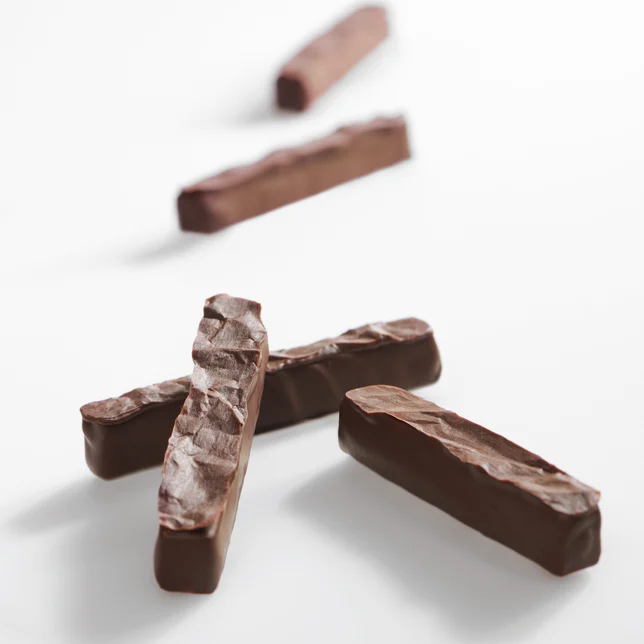
FAQs for Factory Managers and Procurement Teams
Q1: Can Pastino Dark Cocoa replace natural cocoa in recipes?
A1: Yes, with minor adjustments to pH-sensitive formulations.
Q2: How much cocoa is needed for optimal color?
A2: Conduct side-by-side trials; Pastino often requires lower dosage.
Q3: Is dark cocoa stable in long-term storage?
A3: Yes, under proper conditions (cool, dry, odor-free).
Q4: Does alkalization affect antioxidants?
A4: Some reduction occurs, but flavor and color stability improve.
Q5: Should we use multiple suppliers?
A5: Diversifying ensures consistent supply and mitigates risk.
Parting Thought
Investing in the right dark cocoa is about more than raw material—it is a strategic decision that impacts product appearance, flavor integrity, and production efficiency. Pastino Dark Cocoa gives industrial pastry operations the depth, aroma, and consistency needed for high-end applications. It allows you to reduce waste, minimize batch variability, and maintain visual and sensory quality across large-scale production.
At MT Royal, we provide access to both Pastino and premium European options like Latamarko, offering flexibility for standard production or specialty lines. Whether your goal is to optimize cost-per-unit without sacrificing quality or to launch premium pastry offerings with superior flavor and color, selecting the right cocoa powder becomes a cornerstone of operational excellence.



No comment