

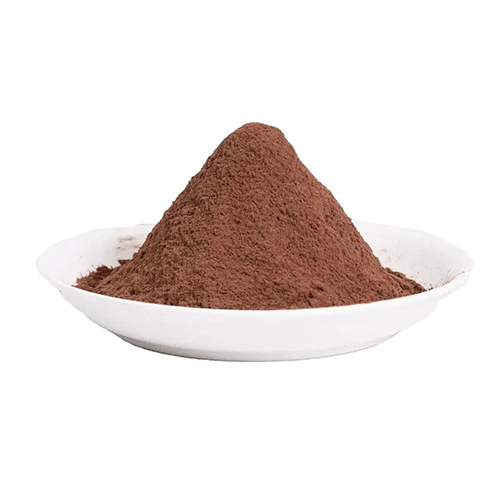
Choosing PASTINO Reddish Cocoa isn’t just about selecting another ingredient — it’s about giving your cakes a signature look, aroma, and consistency that sets them apart in a crowded market. If you’re running a bakery factory, a gourmet cake line, or scaling up production for retail distribution, then cocoa isn’t a minor add-on — it’s one of the cornerstones of your recipe integrity. And when that cocoa comes from a trusted source like MT Royal, you’re not simply buying powder; you’re investing in reliability, supply stability, and industrial-grade quality that supports long-term success.
Over the years, we have worked with numerous cake producers and have seen firsthand how the right cocoa powder can transform a good cake into a premium product — not only in taste and color, but in repeatable batch quality, shelf life, and production efficiency. In contrast, substandard cocoa often triggers inconsistency: uneven coloration, flat flavor, or texture issues that force extra cost to correct. That’s why PASTINO Reddish Cocoa has gained traction among serious producers who need consistent results — batch after batch — and why we consider it one of the most dependable cocoa powders in Türkiye’s industrial baking supply chain.
This comprehensive guide breaks down everything you and your procurement or production team need to know: technical fundamentals, common supply mistakes, industrial-scale considerations, real-world comparisons, and strategic advice tailored to gourmet cake manufacturing.
latamarko alkalized cocoa powder lm60
cocoa powder for chocolate production-Best price
Food industry raw materials – list of products
Types of Gelatin from Turkish Manufacturer
Alkalized Cocoa Powder Bulk Supplier
What Is “PASTINO Reddish Cocoa”? Understanding the Product and Its Distinctive Qualities
Natural Cocoa, Alkalized Cocoa — and Then There Is Reddish Cocoa
In the world of cocoa powders, most producers recognize two main types: natural (non-alkalized) cocoa and alkalized (Dutch-processed) cocoa. Natural cocoa is acidic, lighter-colored, and delivers a sharp, robust cocoa flavor. Alkalized cocoa, on the other hand, is treated to neutralize acidity, resulting in smoother taste, darker color, and greater solubility — often preferred in beverages, confections, or rich desserts.
PASTINO Reddish Cocoa represents a carefully calibrated middle ground. It balances controlled alkalization with precise roasting and fine milling to produce a cocoa powder that combines depth of flavor, stable reddish-brown color, and industrial reliability. For gourmet cake producers seeking both aesthetic appeal (a rich cake crumb tone) and dependable performance under varying baking conditions, this grade hits the sweet spot — much like using “semolina flour” in bread production to get both crumb and crust just right.
Key Technical Parameters That Matter
For a bakery factory or large-scale cake production line, the technical profile of your cocoa powder profoundly affects final output. For PASTINO Reddish Cocoa, the relevant parameters typically include:
- Fat content: regulating mouthfeel, moistness, and crumb richness.
- Particle size / fineness: ensuring uniform mixing and preventing clumping in cake batters.
- Moisture and ash content: affecting shelf life, consistency, and regulatory compliance.
- pH / alkalization level: influencing color depth, crumb structure, and flavor tone.
- Color stability under heat: ensuring consistent cake appearance across different ovens or production runs.
- Aroma profile and aftertaste: crucial for premium cake lines sold to discerning customers.
With consistent specifications in these areas, PASTINO Reddish Cocoa allows cake producers to build standardized recipes that behave predictably — whether making 50 kg batches or 5-ton production runs.
Why Gourmet Cake Producers Should Care: The Importance of Cocoa Choice in Cake Manufacturing
When you bake a cake, cocoa powder isn’t merely an ingredient — it’s a defining characteristic. Here’s why its selection matters deeply, especially in gourmet or premium segment cakes:
Color and Visual Appeal — First Impression Matters
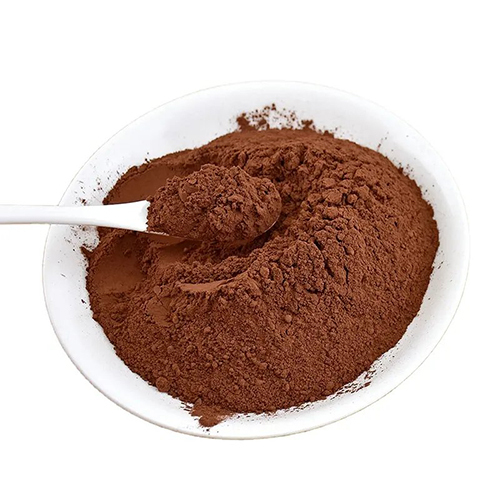
Your cake’s crumb color, frosting contrast, glaze sheen — they all start with cocoa. A reddish-brown cocoa gives a warm, rich tone that evokes artisan craftsmanship. For consumers, color is often the first sensory cue they react to, even before taste or smell. If you aim to produce cakes that visually stand out on the shelf — or look premium enough for boutique pastry shops — cocoa choice becomes critical.
Flavor Depth, Aroma & Mouthfeel — Beyond Sweetness
In cakes, cocoa isn’t just about bitterness vs. chocolate flavor. It contributes to aroma complexity, mouthfeel, and the perception of richness. Especially in dense cakes, layered cakes, or mousse-infused desserts, the cocoa’s fat content and aroma stability can enhance creaminess, moisture retention, and finish. An inferior cocoa powder might yield cakes that taste flat, thin, or dull — while a well-chosen cocoa like PASTINO’s can make them taste deep, balanced, and luxurious.
Consistency Across Batches — A Necessity for Industrial Production
If you bake one cake at home, small variability is manageable. But when your factory produces thousands of cakes, batch-to-batch consistency is vital. Variations in cocoa — in fat content, color, solubility — lead to variable crust, crumb, or frosting behavior. That inconsistency can cause wasted product, customer complaints, returns, and brand damage. Using PASTINO Reddish Cocoa helps standardize those variables, so every batch looks and tastes like the first — a key in scaling pastry production.
Supply Chain Reliability — The Bridge Between Planning and Execution
In industrial bakery, planning accounts for raw-material lead times, buffer stock, quality checks, and logistics. An unreliable cocoa supplier can cause line stoppages, delivery delays, or surprise quality issues — disrupting entire production schedules. Partnering through a dependable supplier like MT Royal ensures continuity, traceability, and documentation (CoA, lot tracking), which transforms cocoa from a risk factor into a robust component of your supply chain.
Common Mistakes in Industrial Cocoa Procurement — What to Watch Out For
In our experience advising bakeries and factories, many of the problems they face could have been avoided with better cocoa procurement practices. Here are the most frequent missteps — and why they cause trouble.
Mistake 1: Choosing Cocoa Based Solely on Price
It’s tempting to pick the cheapest option — especially when cocoa is only a small fraction of the total recipe cost. But low-cost cocoa often hides issues: inconsistent fat content, coarse particles, unstable color, or poor solubility. That “bargain” can end up costing more in rework, waste, or corrective additives.
Mistake 2: Overlooking Key Technical Specifications
Purchasing based on brand name, packaging, or price — while ignoring core specs (fat content, moisture, mesh size, pH, ash) — is like buying flour for bread without considering protein content or moisture. The result: unpredictable performance, poor mixing, inconsistent crumb structure, or faulty texture.
Mistake 3: Failing to Test Cocoa Under Real Production Conditions
A cocoa powder may look perfect on paper, but if you don’t trial it under real baking or mixing conditions, you risk unpleasant surprises. Sometimes fine powder lumps when wetted, resists dispersion, or browns differently depending on oven temperature. Without testing, you’re flying blind.
Mistake 4: Ignoring Supplier Reliability and Traceability
Even quality cocoa fails if supply is inconsistent or documentation is missing. Without lot traceability or Certificates of Analysis (CoA), you can’t ensure repeatability, regulatory compliance, or quality audits — which is a major risk for factories committed to consistency and food safety.
Mistake 5: Using the Same Cocoa Grade for All Products
Not all cakes or desserts are the same. A light sponge cake, a rich chocolate mousse cake, or a dense brownie don’t require identical cocoa characteristics. Using a single cocoa grade across all recipes can lead to underwhelming results or unnecessary cost inefficiency.
How PASTINO Reddish Cocoa Addresses These Challenges — Technical & Practical Advantages
Switching to PASTINO Reddish Cocoa resolves many procurement and production issues. Below are the key strengths that matter for gourmet cake production.
1. Verified, Industrial-Grade Specifications with CoA Assurance
PASTINO provides transparent, measurable data on fat content, moisture, ash, particle size, pH, and batch traceability. This clarity allows your R&D or QC team to design recipes with confidence. When we reviewed the data sheets in collaboration with MT Royal, fat content and particle fineness remained consistent across different lots — a critical factor when scaling up production.
2. Reddish-Brown Color That Stays Stable Under Baking Conditions
Because PASTINO Reddish Cocoa is optimized for color stability even under prolonged baking or high-heat processes, your cakes come out with consistent crumb tone and crust coloration. No more surprises where one batch looks darker, another lighter — a big advantage for product lines where appearance matters.
3. Balanced Fat Content and Fine Particle Size — For Moist, Even-Textured Cakes
The fine milling ensures cocoa disperses evenly throughout batters, preventing pockets of dryness or dark specks. The consistent fat percentage contributes to better moisture retention, richer mouthfeel, and softer crumb — especially important for sponge cakes, chiffon cakes, or layered desserts.
4. Reliable Aroma and Flavor Profile Without Off-Notes
PASTINO Reddish Cocoa is processed to retain natural cocoa aroma while avoiding smoky, earthy, or chemical aftertastes. This clarity of flavor makes your cakes more refined, particularly when paired with delicate frostings, creams, or fillings. It’s this nuance that distinguishes a gourmet cake from a standard bakery item.
5. Batch-to-Batch Consistency — Essential for Industrial Scale
With close monitoring and quality control, PASTINO ensures minimal variation between lots. For large-scale cake producers, this means predictable behavior — whether mixing 100 kg batters or running continuous production. The consistency reduces waste, rejects, and the need for corrective adjustments.
6. Supply Chain Stability Through a Trusted Partner (MT Royal)
By sourcing through MT Royal, you gain access to steady supply, proper packaging (industrial sacks or bulk bags), documentation, and logistical support. That kind of reliability turns cocoa from a variable raw material into a dependable foundation for your baking operations.
Industrial-Scale Cake Production: What You Should Know Before Switching Cocoa
Transitioning to a new cocoa powder — even a high-grade one — isn’t plug-and-play. For gourmet cake production at scale, pay attention to these critical considerations:
Batch Testing and Pilot Runs
Before committing to large orders, run pilot batches under actual production conditions: mixing, creaming, baking, cooling. Observe color, crumb structure, moisture retention, aroma, and shelf life. Even subtle differences in mixing time or oven temperature can affect final output when changing cocoa. This “test-and-learn” approach reduces risk and informs recipe adjustments.
Mixing and Hydration Behavior
Because industrial batters often include multiple dry and wet components (flour, cocoa, sugar, fats, liquids, emulsifiers), cocoa must hydrate uniformly. PASTINO’s fine particles help, but process adjustments — like mixing speed, time, and sequence — might still be needed if switching from a coarser powder.
Storage, Shelf Life and Moisture Control
Cocoa powders are hygroscopic; they absorb moisture from the air, which can affect mixing behavior and microbial stability. Ensure proper warehouse conditions (low humidity, sealed packaging) and use FIFO (first-in-first-out) inventory. With MT Royal’s bulk or bagged packaging, proper handling ensures you get consistent performance over months.
Documentation and Traceability for Quality Assurance
Maintain records: batch numbers, CoA, packaging dates, supplier deliveries. This is critical if you export cakes, aim for private-label deals, or need to comply with food safety audits. PASTINO via MT Royal supports traceability, which helps CA (certificate audit) processes run smoothly.
Supply Planning and Inventory Buffer — Avoiding Production Gaps
Large orders, delayed shipments, or sudden demand spikes can disrupt production. When sourcing cocoa for industrial bakery, maintain a strategic buffer (e.g. 10–15% over monthly forecast) to cover unexpected demand or supply chain hiccups. MT Royal’s reliable supply helps but always plan for contingencies.
Frequently Asked Questions — What Cake Producers Commonly Ask Before Choosing Cocoa
Q: Can I use PASTINO Reddish Cocoa for all types of cakes — sponge, mousse, layered, gluten-reduced?
A: Yes. Its balanced profile makes it versatile. For lighter cakes you might slightly adjust the batter hydration; for richer cakes, let the natural fat and fine particles enhance moisture and texture.
Q: Does reddish cocoa influence rising and crumb structure in sponge cakes?
A: Slightly — because it affects batter acidity and density. But as long as you keep your leavening (baking soda / powder) and mixing consistent, the color and flavor benefits outweigh the minimal effect on rise. Many bakeries accept a minor yield variation for premium visual and sensory quality.
Q: Will flavor remain stable over time, especially in pre-mixed dry cake mixes or stored batters?
A: Yes, provided storage conditions are proper (sealed, dry, cool). PASTINO’s fat content and low moisture help maintain aroma stability. Nevertheless, for long-term storage (weeks/months), perform shelf-life tests.
Q: Do I need to reformulate my cake recipes after switching to PASTINO?
A: Likely minimal reformulation only. Most changes involve slight adjustments in mixing or hydration to adapt to finer particle size or different fat binding behavior. That’s normal when improving ingredient quality — similar to using higher-protein flour.
Q: How do I guarantee consistent supply and avoid running out mid-production?
A: Partnering with MT Royal ensures batch availability, documented supply chain, and industrial packaging. Additionally, implement inventory controls and reorder thresholds based on your production schedule.
Q: Is PASTINO Reddish Cocoa cost-effective compared to cheaper alternatives?
A: In the long run, yes. While the unit price might be higher, benefits such as reduced waste, uniform batch quality, fewer rejects, less corrective work, and better shelf appeal typically yield a return on investment quickly — especially at scale.
Strategic Recommendations for Gourmet Cake Factories and Procurement Teams
If your goal is to produce high-quality cakes that stand out for flavor, color, and consistency — especially in industrial-scale bakery or private-label production — consider the following path:
- Request small test lots: order a limited quantity of PASTINO Reddish Cocoa via MT Royal and conduct pilot baking runs under real production conditions (mixing, baking, cooling).
- Compare side-by-side with existing cocoa: bake identical recipes using current cocoa vs. PASTINO. Compare crumb color, crust shade, aroma, mouthfeel, and post-bake moisture.
- Monitor batch-to-batch performance: once satisfied, place a larger order, and track consistency over multiple batches. Evaluate reject rate, customer feedback, and shelf stability.
- Optimize inventory planning: set minimum stock levels to avoid production halts; factor volume growth and reorder lead-times using MT Royal’s supply data.
- Adjust recipe hydration and mixing parameters if needed: fine cocoa may require slightly shorter mixing times or minor water adjustment; test to find optimal settings.
- Document everything: lot numbers, CoA, batch performance, production logs — this will help with quality audits, traceability, and continuous improvement.
By adopting this strategic approach, you integrate PASTINO not just as an ingredient, but as a foundation for quality control, brand consistency, and operational resilience.
Why Transitioning to PASTINO Reddish Cocoa Represents a Long-Term Investment in Quality
Switching ingredients in industrial food production is always a careful decision — like changing the steering system of a moving vehicle. But when executed methodically, using a high-grade cocoa like PASTINO Reddish Cocoa transforms cocoa from a variable raw material into a reliable, stable, quality-assured component.
For gourmet cake producers aiming to scale, enter retail markets, or maintain premium brand positioning, the advantages are clear: uniform crumb color, stronger flavor profile, better mouthfeel, consistent batch quality, and reduced waste. Over time, these benefits add up to cost savings, brand equity, and improved customer satisfaction.
Using PASTINO via a trusted distributor such as MT Royal adds another layer of confidence: reliable supply, proper packaging, documentation, and professional support. That partnership can be as critical as the cocoa quality itself — especially when volumes increase, lead times tighten, or supply conditions fluctuate.
When you invest in the right cocoa today, you’re not just improving one batch of cakes — you’re upgrading your production foundation for all future offerings. That kind of strategic thinking transforms a commodity purchase into a long-term asset for your brand and operations.



No comment