

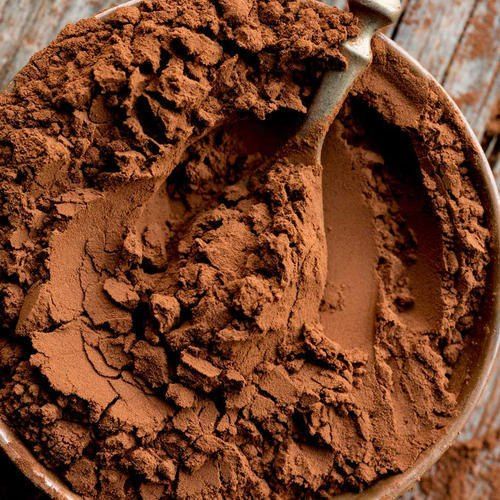
Factories in the bakery and chocolate industry know better than anyone that a single ingredient can shape the entire output of a production line. Cocoa powder, especially when used at scale, is not just a flavoring or coloring agent; it is a structural component that influences texture, viscosity, appearance, aroma release, consumer perception, and even machinery performance. This is why choosing the right supplier is not simply a purchasing decision—it is a strategic move that can elevate a brand or cost it months of adjustments and inefficiencies.
For many industrial manufacturers searching for a dependable ingredient partner, Pastino, one of Türkiye’s respected cocoa powder suppliers, has become an increasingly important source. And when paired with the supply expertise of MT Royal, manufacturers gain a route to consistent, well-evaluated Turkish cocoa powder that performs reliably in large-scale bakery and chocolate applications.
Within the projects we have supported in cooperation with various factories, one observation repeats itself:
When cocoa powder delivers stable performance in mixing, baking, tempering, and final mouthfeel, the entire production environment becomes more predictable—allowing companies to focus on innovation instead of troubleshooting.
This article is designed for procurement directors, QA managers, R&D specialists, and production engineers who want a comprehensive understanding of Pastino cocoa powder and how it fits into industrial-scale food manufacturing. It takes a B2B perspective, goes beyond surface-level descriptions, and dives into functional attributes, real-world performance, supply-chain considerations, and critical industry insights.
Understanding the Role of a Turkish Cocoa Powder Supplier in Modern Manufacturing
Türkiye’s position in the global food supply chain has grown significantly in the last 15 years. The country benefits from:
- Strategic proximity to Europe, CIS, Middle East, and North Africa
- A strong food manufacturing infrastructure
- EU-aligned production standards
- Shorter lead times compared to Asian suppliers
- Predictable logistics compared to distant cocoa processing hubs
This geography makes Pastino a practical supplier for factories seeking ingredient stability without the high overhead of Western-European producers.
For bakery and chocolate plants, past challenges—ranging from shipping delays to fluctuating bean prices—have intensified the need for a more balanced supplier landscape. Pastino fits this requirement with:
- Controlled alkalization levels
- Steady fat content (10–12%)
- Consistent color grades
- Fine particle size and good flowability
- Reliable pricing structures
When a factory runs 24/7, even a small formulation inconsistency turns into an expensive obstacle. That is why Pastino’s cocoa powder, positioned as a stable and industrially friendly option, has become a predictable solution for mass-volume producers.
Foundational Concepts: What Defines High-Quality Cocoa Powder for Industrial Use
To appreciate why Pastino performs well in bakery and chocolate plants, it’s essential to understand the parameters that food technologists monitor.
1. Alkalization Level and pH
Alkalized cocoa powder is the backbone of the chocolate industry. Controlled alkalization creates:
- Deeper color
- Lower acidity
- Rounder flavor
- Higher dispersibility
Pastino uses moderate alkalization—sufficient for brownies, biscuits, wafers, soft cookies, compound chocolate, coatings, and fillings. The stable pH helps avoid common challenges like unexpected bitterness or overly strong acidity in dairy applications.
2. Fat Content Standardization
Most industrial cocoa powder used in bakeries and chocolate plants falls within 10–12% fat. The consistency of fat content helps maintain:
- Dough viscosity
- Chocolate fluidity
- Smooth blending in creams and fillings
- Controlled water absorption behavior
Pastino’s products remain within tight tolerance ranges, reducing the risk of unnecessary recipe recalibration.
3. Color Uniformity
In bakery products, color is part of brand identity. Consumers expect a brownie to always look like a brownie and a cocoa biscuit to maintain the same tone every time they purchase it.
Pastino achieves:
- Medium to dark tones suitable for mainstream products
- Controlled roasting adjustments
- Predictable alkalization color reactions
This color predictability is one of the main reasons manufacturers choose Pastino over cheaper, highly variable sources.
4. Particle Size and Dispersibility
Fine milling provides advantages such as:
- Better suspension in chocolate liquids
- Faster mixing in doughs
- Improved texture control in fillings
- Reduced dust emissions in automated feeders
Production lines benefit from cocoa powder that moves smoothly through equipment without causing unnecessary mechanical stress.
Why Pastino Is Gaining Popularity in Bakery and Chocolate Plants
Pastino’s cocoa powder aligns well with industrial performance requirements. Key advantages include:
1. Balanced Flavor Profile
Neither overly bitter nor too sweet—suitable for:
- Mass-market biscuits
- Layer cakes
- Industrial muffins
- Pancake and waffle premixes
- Compound chocolate and spreads
Its moderate profile allows the final product to appeal to a broad consumer base.
2. Cost-Efficient Without Sacrificing Quality
Factories benefit when they can:
- Keep raw material costs stable
- Reduce recipe unpredictability
- Maintain competitive pricing in the final product
Pastino fits between low-cost inconsistent options and high-cost European brands.
3. Better Lead Times for Regional Manufacturers
Shorter routes mean:
- Faster supply cycles
- Reduced safety stock requirements
- More responsive production planning
This is essential for factories that run weekly or monthly forecasting cycles.
4. Good Machinery Compatibility
From high-shear mixers to enrobers, Pastino’s fine milling helps:
- Reduce micro-clumping
- Improve mixture uniformity
- Avoid uneven hydration
- Support smooth chocolate mass behavior
This reduces downtime and enhances throughput.
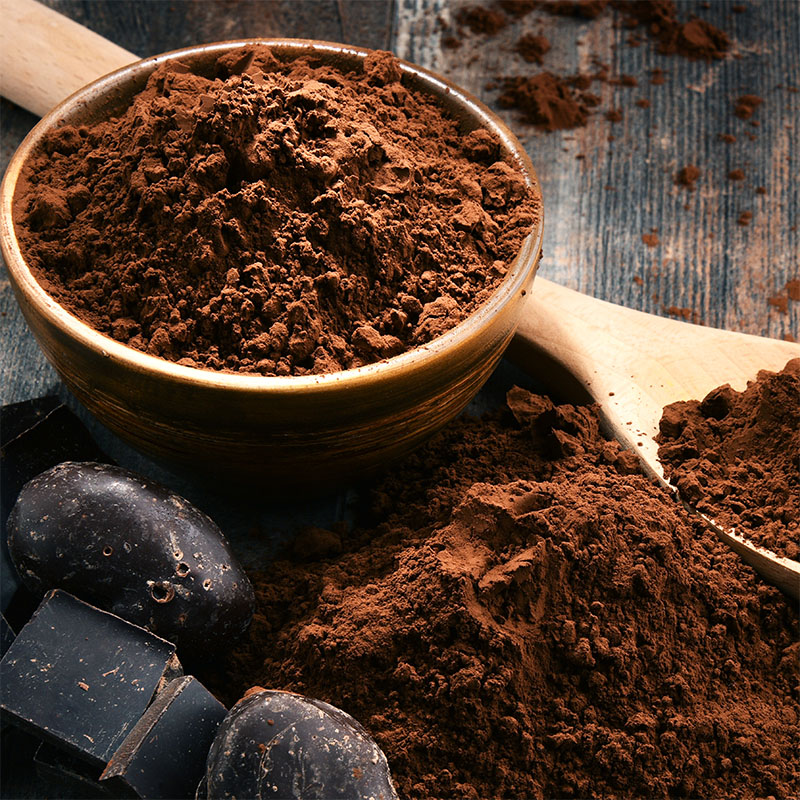
How Pastino Performs in Bakery Applications
1. Cakes and Muffins
Technologists often report:
- Smooth absorption
- Enhanced crumb color
- Balanced cocoa flavor release
This allows manufacturers to achieve uniformity in large batch productions.
2. Biscuits and Cookies
Cocoa powder influences:
- Dough firmness
- Spread ratio
- Surface color
- Texture crispiness
Pastino supports consistent performance in high-speed forming lines.
3. Brownies and Chocolate Loaves
High moisture systems benefit from Pastino’s:
- Predictable viscosity
- Rich color development
- Controlled bitterness balance
These attributes prevent density inconsistencies.
4. Wafers
In wafer production, cocoa powder affects:
- Sheet flexibility
- Break resistance
- Uniform baking coloration
Pastino’s fine structure helps maintain wafer stability.
Frequently Asked Questions From Bakery and Chocolate Procurement Teams
1. Can Pastino replace high-end European cocoa powder?
In many mainstream formulations, yes. Results are comparable for mid-tier products.
2. Does Pastino have stable annual availability?
Yes. Türkiye’s production and logistics infrastructure ensure consistent supply.
3. Is it suitable for both bakery and chocolate lines?
Absolutely. Its balanced properties make it adaptable across multiple product categories.
4. What certifications are typically available?
Standard certifications include quality management, food safety, and Halal documentation depending on batch requirements.
5. How does MT Royal support international buyers?
MT Royal provides structured supply coordination, competitive pricing, and dependable delivery schedules—something manufacturers value deeply in long-term sourcing.
MT Royal’s Role as a Trusted Supplier in the Cocoa Powder Supply Chain
In the world of industrial ingredients, trust is built through predictable results. MT Royal maintains relationships with factories across different regions, allowing manufacturers to access Pastino cocoa powder with confidence.
We have seen how properly managed supply chains reduce production headaches and help companies achieve their performance goals.
By understanding both technical needs and commercial pressures, MT Royal acts as a stable connection between Turkish suppliers and global bakery and chocolate plants. This alignment between product quality and professional sourcing support reduces risk and strengthens output consistency.
A Final Perspective for Manufacturers Seeking a Reliable Cocoa Powder Source
Factories that adopt Pastino cocoa powder often highlight the same set of benefits: stability, practicality, balanced technical performance, and ease of integration into existing production lines. In an industry where every shift in viscosity, color, or flavor can create rework and downtime, consistency becomes as valuable as innovation.
By choosing a supplier like Pastino—supported by a reliable sourcing partner such as MT Royal—manufacturers secure a foundation for better scalability, better quality, and better market competitiveness. Industrial success depends on ingredients that work as hard as the machines they run through, and Pastino offers that rare combination of accessibility and dependable performance.




No comment