

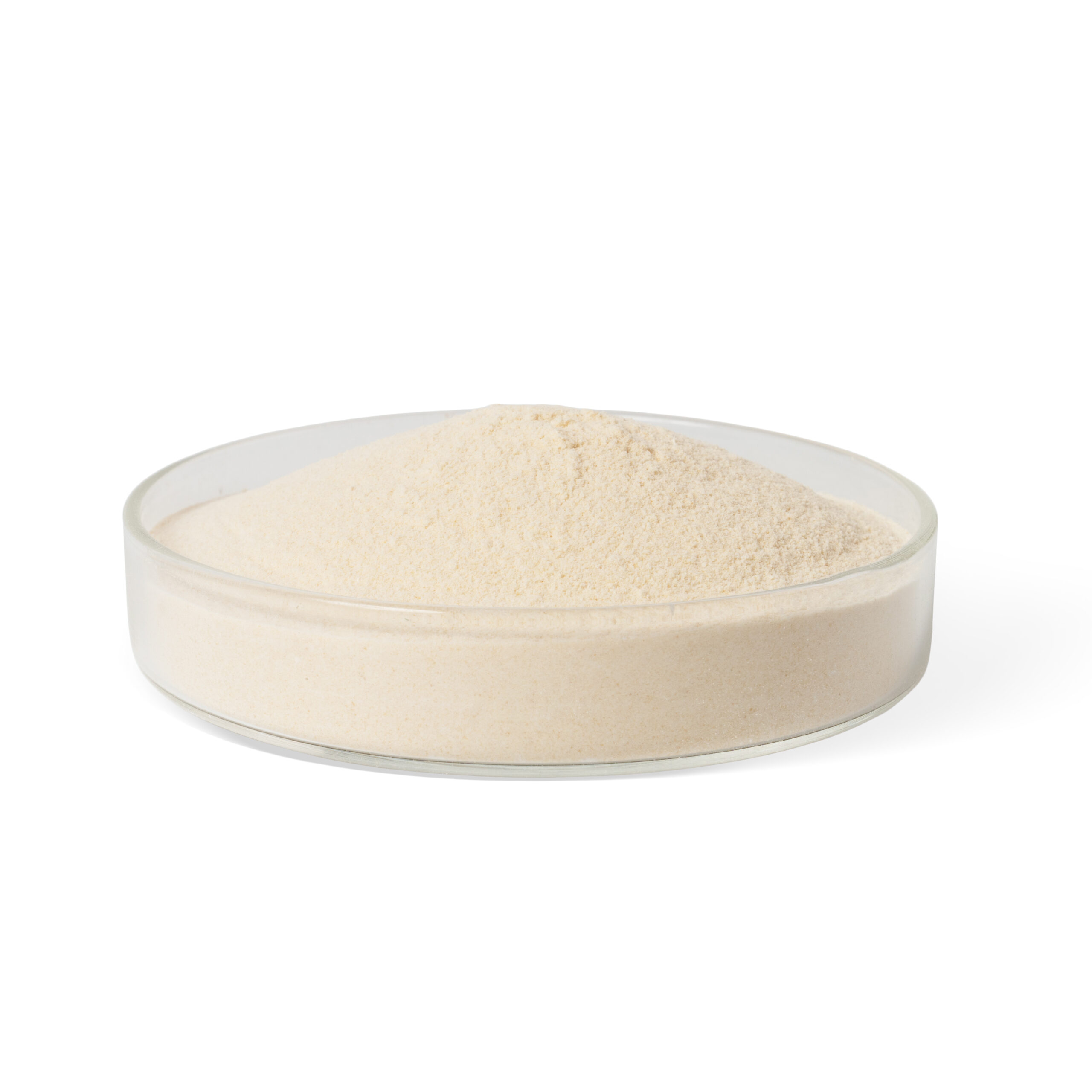
In the highly competitive landscape of food production, the choice of ingredients is not merely a technical decision—it is a strategic one that can define both product quality and market success. Among the essential ingredients, pectin—a natural gelling agent extracted from fruits—stands out for its versatility and crucial role in multiple industries, including jams, jellies, confectionery, dairy products, beverages, and even functional foods. Its ability to form gels, stabilize emulsions, and improve texture makes it indispensable for manufacturers aiming to meet both consumer expectations and regulatory standards.
For Afghan manufacturers, the stakes are even higher. The food and beverage industry in Afghanistan is rapidly evolving, with growing demand for high-quality, natural, and reliable ingredients that meet international standards. Inconsistent ingredient quality, delayed deliveries, or improper technical support can disrupt production, increase waste, and affect brand reputation. Therefore, selecting a trusted pectin supplier is a critical decision that impacts not only the consistency and performance of end products but also operational efficiency and profitability.
MT Royal has positioned itself as a leading and dependable supplier in this space, offering high-grade pectin tailored to diverse industrial applications. Beyond supplying raw materials, MT Royal provides technical guidance, ensuring that manufacturers understand how to achieve optimal gelling, proper dosage, and efficient integration into large-scale production processes. This approach helps factories maintain consistent product quality while optimizing costs and minimizing operational risks.
latamarko alkalized cocoa powder lm60
cocoa powder for chocolate production-Best price
Food industry raw materials – list of products
Types of Gelatin from Turkish Manufacturer
Alkalized Cocoa Powder Bulk Supplier
Understanding Pectin: Definition and Industrial Applications
What is Pectin?
Pectin is a complex polysaccharide found in the cell walls of fruits. Its ability to gel, stabilize, and thicken makes it indispensable in food production. The chemical structure of pectin allows it to interact with sugars and acids, forming a firm gel—a property extensively utilized in jams, jellies, marmalades, fruit preparations, and even beverages.
Types of Pectin:
- High Methoxyl (HM) Pectin: Gels in the presence of high sugar content and acidic conditions. Ideal for traditional jams and jellies.
- Low Methoxyl (LM) Pectin: Requires calcium ions to gel; suitable for low-sugar or sugar-free products.
- Amidated Pectin: Modified LM pectin with controlled gelling properties, widely used in dairy and beverage applications.
Industrial Applications:
- Confectionery: Gummy candies, fruit chews, and marshmallows benefit from pectin’s natural gelling properties.
- Beverages: Pectin acts as a stabilizer, preventing pulp sedimentation in fruit juices.
- Dairy: Yogurts and desserts use pectin for texture enhancement and stabilizing emulsions.
- Bakery: Pectin can improve moisture retention in cakes and pastries.
Why Pectin is Essential for Afghan Manufacturers:
With rising consumer demand for high-quality, natural, and clean-label products, pectin ensures that Afghan food products meet international standards. Choosing the right type and grade of pectin directly impacts texture, shelf life, and overall product consistency.
Common Mistakes in Industrial Pectin Sourcing
- Ignoring Supplier Reliability: Fluctuations in pectin quality or delayed deliveries can disrupt production schedules. Partnering with MT Royal mitigates these risks, ensuring a consistent supply chain.
- Mismatched Pectin Type: Using HM pectin in low-sugar products or vice versa leads to failed gelling and wastage. Knowledge of product specifications is critical.
- Improper Storage Conditions: Pectin is sensitive to moisture and temperature. Incorrect storage can reduce efficacy and increase costs due to spoilage.
- Overlooking Regulatory Compliance: Afghanistan’s emerging food industry requires adherence to international standards. Sourcing from a compliant supplier ensures smooth market access.
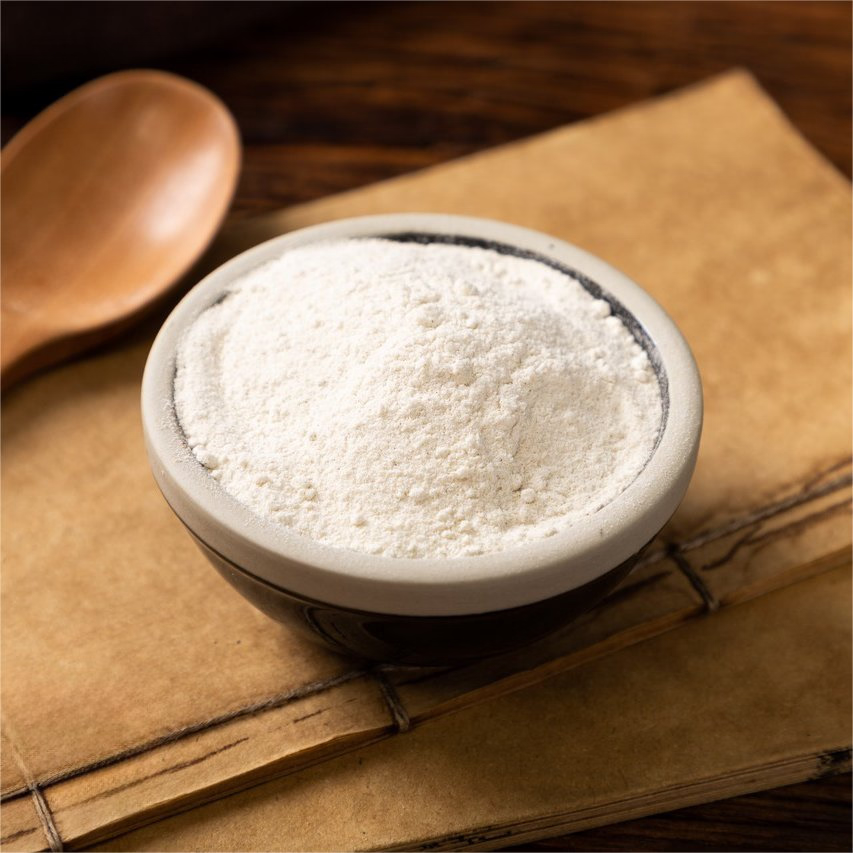
Industrial Tips for Large-Scale Pectin Applications
Optimizing Gelling Properties:
- Control pH levels precisely to maximize gel formation.
- Balance sugar concentration according to pectin type.
- Monitor water activity to prevent syneresis in products.
Process Recommendations:
- Pre-dissolve pectin in water at appropriate temperatures to avoid clumping.
- Integrate pectin uniformly in mixing stages to ensure consistent texture.
- Adjust batch sizes to match industrial equipment capabilities for homogeneous gel formation.
Storage and Handling Practices:
- Store pectin in cool, dry environments, away from direct sunlight.
- Use airtight containers to prevent moisture absorption.
- Implement inventory rotation and demand forecasting to maintain fresh stock.
Quality Control Measures:
- Regularly test gel strength and viscosity in production batches.
- Collaborate with suppliers like MT Royal for technical guidance on optimal usage rates.
Frequently Asked Questions by Factory Managers
Q1: Can I use one type of pectin for multiple products?
A: While it is possible, matching pectin type to product requirements ensures optimal results. LM pectin is suitable for low-sugar applications, while HM pectin excels in traditional jams.
Q2: How much pectin is required per batch?
A: Usage depends on fruit type, sugar content, and desired texture. MT Royal provides technical specifications and support to fine-tune formulations.
Q3: Is natural pectin better than modified pectin?
A: Both have applications; natural pectin is preferred for clean-label products, whereas modified pectin allows precise control in complex formulations.
Q4: How long can pectin be stored?
A: Typically, pectin has a shelf life of 24 months if stored under recommended conditions. Proper storage is critical to maintain gelling performance.
Selecting the Right Supplier in Afghanistan
Why Supplier Choice Matters:
Reliable sourcing ensures uninterrupted production, consistent quality, and access to technical expertise. MT Royal stands out as a trusted pectin supplier, offering:
- High-quality pectin grades suitable for diverse industrial applications.
- Competitive pricing that supports cost optimization.
- Technical support and guidance for formulation and process optimization.
- Reliable logistics and inventory management to prevent production delays.
Supplier Evaluation Checklist:
- Quality certifications and compliance with food safety standards.
- Ability to provide consistent supply and batch traceability.
- Technical expertise to support product development.
- Competitive pricing and transparent business practices.
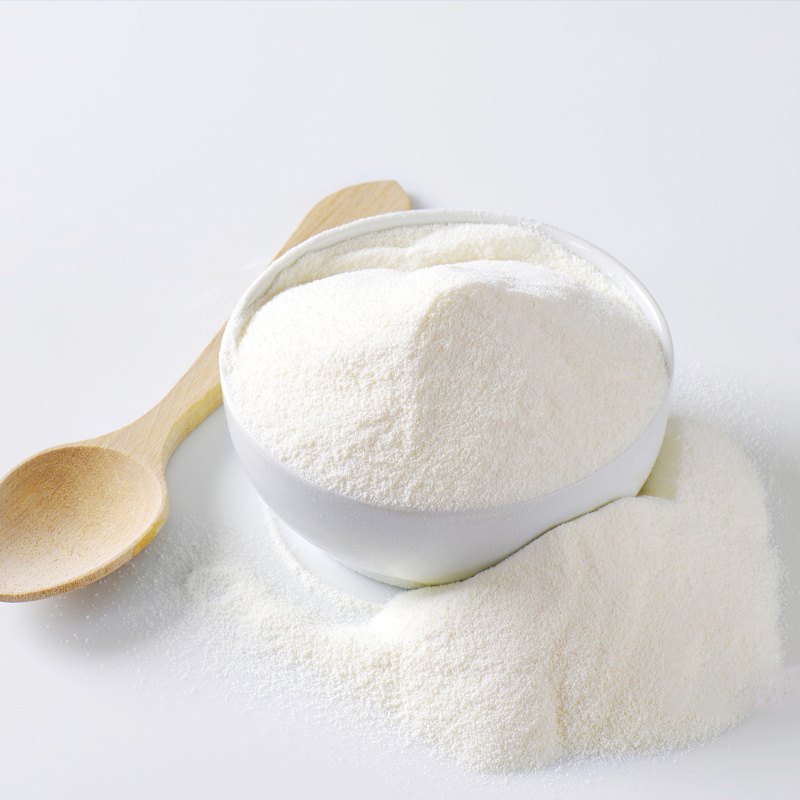
Industrial Insights for Scaling Production
Large-Scale Pectin Integration:
- Use automated dosing systems to minimize human error.
- Maintain temperature control throughout mixing to ensure uniform gel formation.
- Conduct pilot tests before full-scale production to validate formulations.
Optimizing Costs:
- Accurate demand forecasting reduces waste and inventory costs.
- Strategic supplier relationships help negotiate better pricing for bulk orders.
- Efficient storage solutions reduce product degradation and operational losses.
Technical Support from MT Royal:
Our experience with Afghan manufacturers highlights common challenges in pectin handling, including clumping, inconsistent gelling, and batch-to-batch variability. We provide on-site guidance and detailed technical documentation to streamline production processes.
Market Trends and Innovations
- Clean-Label Movement: Rising consumer preference for natural ingredients increases demand for pectin over synthetic gelling agents.
- Functional Food Applications: Pectin is gaining importance in low-calorie, high-fiber, and prebiotic products.
- Innovative Textures: New processing techniques allow the creation of soft gels, layered desserts, and specialty confectioneries.
By aligning production with these trends, Afghan manufacturers can enhance product appeal and compete in regional and international markets.
Conclusion
Pectin is a cornerstone ingredient for the food and beverage industry in Afghanistan, essential for texture, stability, and consumer appeal. The choice of a reliable supplier like MT Royal ensures consistent access to high-quality pectin, technical guidance, and robust logistics support. By making informed decisions regarding pectin type, dosage, storage, and supplier selection, manufacturers can optimize production, maintain consistent product quality, and respond agilely to market demands. Moreover, integrating a supplier with technical expertise into your operations turns a mere ingredient source into a strategic partner, driving innovation, cost efficiency, and long-term competitiveness. Manufacturers and distributors who leverage the full potential of pectin while collaborating with an experienced supplier can elevate their product portfolio, satisfy discerning consumers, and achieve sustainable growth in Afghanistan’s evolving food industry.




No comment