


In the world of high‑volume manufacturing, the difference between a formulation that consistently meets specifications and one that causes batch failures often comes down to the quality of industrial raw materials. For emulsifiers — indispensable in industries ranging from cosmetics and food to pharmaceuticals and specialty chemicals — selecting the right supplier is just as critical as selecting the right grade. If your factory is evaluating bulk emulsifier sourcing, understanding the landscape of Polysorbate 65 E436 exporter options is a strategic necessity.
As you explore options for securing this key emulsifier at competitive terms, it’s important to partner with suppliers who not only offer quality and pricing, but also demonstrate deep experience with industrial logistics, compliance documentation, and supplier reliability. At MT Royal, we work with manufacturers across sectors to help them make informed sourcing decisions. In our collaboration with various factories, we have seen that choosing the right exporter can directly impact formulation stability, supply chain resilience, and overall production cost.
This guide is crafted with your priorities in mind: to offer technical depth, strategic sourcing insight, and actionable tips for procurement professionals who need more than just product listings — you need real expertise.
Understanding Polysorbate 65 E436: Definition and Industrial Role
What Polysorbate 65 E436 Really Is
Polysorbate 65, designated under the food and industrial code E436, is a non‑ionic surfactant and emulsifier derived from the ethoxylation of sorbitan esters of palmitic and stearic acids. Its molecular structure enables it to bridge water and oil phases in formulations, making it essential in systems where phase stability is critical.
In practical terms, Polysorbate 65 E436 acts as a powerful emulsification agent by reducing interfacial tension and promoting uniform dispersion of hydrophobic ingredients in aqueous environments. Its performance profile makes it suitable for medium‑to‑high oil load formulations where fine droplet distribution and long‑term stability are required.
Industrial Applications
Factories and production facilities leverage Polysorbate 65 E436 across a spectrum of applications:
- Cosmetics and Personal Care: Stabilizer in creams, lotions, and makeup removers, particularly where heavier oils are present.
- Pharmaceuticals: Wetting agent and solubilizer in topical and liquid formulations.
- Food Processing: As an approved emulsifier in products such as bakery mixes, sauces, and confections where consistency and texture matter.
- Technical Formulations: In industrial cleaners, coatings, and specialty chemical blends requiring stable emulsions.
Because it exhibits medium HLB (hydrophilic‑lipophilic balance) values, Polysorbate 65 E436 is often chosen when a formulation requires a balance between water solubility and the ability to interface with complex oils.
Why Exporter Selection Matters for Your Factory
Price Isn’t the Only Factor
In large‑scale production, the mindset of “lowest price wins” can lead to hidden costs that impact operations:
- Inconsistent Quality: Variability in batches can result in rework, downtime, or out‑of‑spec products.
- Document Gaps: Missing CoAs (Certificates of Analysis) or incomplete testing data can delay quality release processes.
- Logistics Bottlenecks: Poorly managed export documentation results in customs delays and strained inventory planning.
A trusted Polysorbate 65 E436 exporter should provide not just competitive pricing, but robust logistics support, full compliance documentation, and clear communication throughout the shipping lifecycle.
Supply Chain Resilience
In today’s global manufacturing environment, supply chains are under pressure from raw material shortages, freight volatility, and regulatory changes. A reliable exporter can help mitigate risk by:
- Providing predictable lead times and reliable delivery schedules.
- Offering alternative brands or grades when demand spikes.
- Supplying traceability data essential for regulatory audits.
Factories that consider export stability and documentation quality as part of price negotiations find they save significantly in indirect costs and process disruptions.
Sourcing Strategies: How to Evaluate a Polysorbate 65 E436 Exporter
For procurement teams aiming to optimize cost, quality, and logistics efficiency, a structured evaluation framework helps separate reliable exporters from transactional vendors.
Core Evaluation Criteria
1. Quality Assurance and Compliance
Ensure the exporter provides:
- Certified CoAs with every shipment.
- Material Safety Data Sheets (MSDS) compliant with your jurisdiction.
- Third‑party testing if required by internal quality teams.
2. Supply Reliability and Capacity
Ask:
- Can the exporter scale with your production needs?
- Do they source from multiple manufacturers?
- Are there contingency plans for capacity constraints?
3. Logistics and Documentation Expertise
Important documents and support services include:
- Commercial invoices, packing lists, and bills of lading.
- Export licenses where applicable.
- HS codes and tariff classification expertise.
- Assistance with customs clearance.
4. Commercial Terms and Flexibility
Negotiate around:
- Volume discounts and tiered pricing.
- Payment terms suitable for your working capital requirements.
- Contractual safeguards like price adjustment clauses.
This structured procurement approach ensures your team is buying not just a commodity, but supply chain confidence.
Common Mistakes Industrial Buyers Make
Even seasoned procurement professionals can fall into familiar traps when sourcing emulsifiers like Polysorbate 65 E436. Here are some common missteps and how to avoid them:
Mistake 1: Prioritizing Price Over Consistency
A supplier offering exceptionally low per‑kg rates may be relying on inconsistent batches or substituting similar grades without clear disclosure. Always verify material specifications against your internal standards before signing long‑term contracts.
Mistake 2: Overlooking Total Cost of Ownership
Raw material price is just one component of cost. Consider:
- Storage requirements and handling counts.
- Quality yield and rework rates.
- Logistics and freight surcharges.
An exporter with better documentation, reliable schedules, and consistent quality often saves more than a cheaper supplier with gaps.
Mistake 3: Not Validating Regulatory Approvals
If your production feeds into regulated markets (food, cosmetics, pharmaceuticals), ensure the exporter provides full certification and compliance records. An absence of documentation can halt production or trigger costly recalls.
Practical Comparison: Polysorbate Emulsifiers for Industrial Use
Understanding how Polysorbate 65 E436 compares to related emulsifiers helps refine purchasing decisions:
| Emulsifier | Code | Dominant Use | HLB Range | Best Fit Industrial Applications |
|---|---|---|---|---|
| Polysorbate 20 | E432 | Light emulsions | ~16.7 | Low oil systems, cosmetic gels |
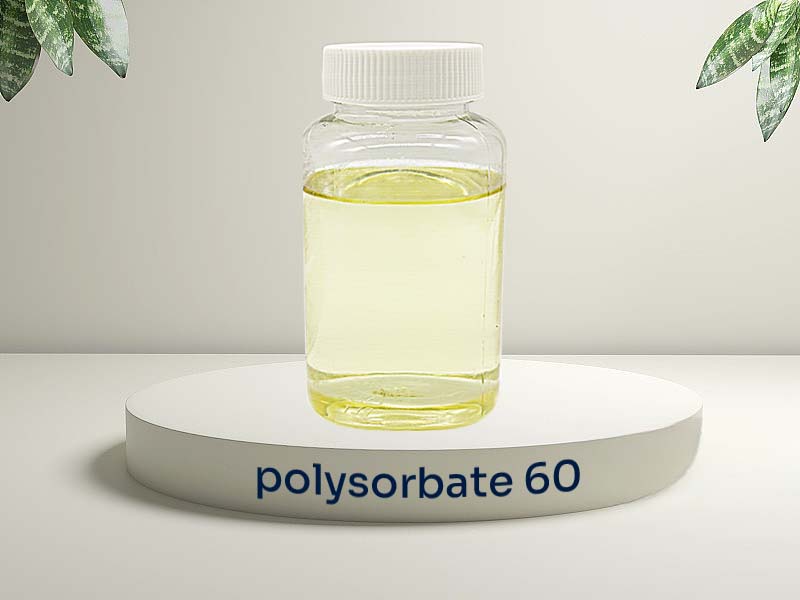
| Polysorbate 60 | E435 | General emulsification | ~14.9 | Creams and lotions with moderate oil |
| Polysorbate 65 | E436 | Medium‑high oil stabilization | ~10.5–12.0 | Food sauces, technical formulations |
| Polysorbate 80 | E433 | High oil emulsions | ~15.0 | Oils with unsaturated profiles |
From an industrial perspective:
- Polysorbate 65 E436 often excels in systems where oil content is substantial but a balanced hydrophilic profile is desired.
- It differs from Polysorbate 60 by offering lower HLB, better matching heavier oils.
- Understanding HLB requirements is critical: mismatching an emulsifier can lead to phase separation or inadequate product texture.
Specialized Industrial Tips for Large‑Scale Production
The transition from laboratory formulation to plant‑scale manufacturing is seldom linear. Here are tactical insights that help optimize Polysorbate 65 integration:
Optimize Mixing Protocols
- Pre‑Heat Phases: Warming both aqueous and oil phases before emulsifier addition improves dispersion.
- Controlled Shear Equipment: High‑shear mixers ensure fine droplet distribution, critical in stable emulsions.
- Inline Monitoring: Deploy sensors for viscosity and temperature to flag deviations early in runs.
Documentation and Traceability
Large operations must adhere to stringent quality assurance protocols:
- Track batch numbers of raw materials to finished product lots.
- Archive CoAs and MSDS for audits.
- Implement barcode systems for ingredient tracking in factories.
Storage and Handling
- Maintain temperature‑controlled storage to preserve emulsifier integrity.
- Establish first‑expiring, first‑out (FEFO) inventory flow.
- Train staff on hazards and handling protocols to minimize degradation risks.
These practices integrate Polysorbate 65 E436 into your production environment with higher predictability and fewer surprises.

Industry Insights and Emerging Trends
Industrial emulsifier demand and exporter dynamics are influenced by broader shifts:
Growth in Specialty Formulations
Markets such as nutraceuticals, bio‑based lubricants, and premium foods increasingly demand emulsifiers with predictable performance and documented traceability. This trend favors exporters with robust quality systems and flexible product portfolios.
Supply Chain Digitization
Predictive analytics and ERP integration are changing how factories forecast demand, allocate inventory, and negotiate contracts. Exporters who support digital document exchange and real‑time shipment tracking add tangible value beyond traditional supplier roles.
Sustainability and Regulatory Scrutiny
Environmental, health, and safety compliance is no longer optional. Factories are under pressure to source materials with verifiable environmental impact data, including biodegradability and responsible sourcing practices. Exporters with transparent sustainability reporting gain preference.
Frequently Asked Questions from Procurement Teams
What exactly does E436 mean?
E436 is the industry code that designates Polysorbate 65 as an approved emulsifier in certain regulated markets. It helps standardize identification across regions.
How do I ensure I’m getting food‑grade quality?
Request documented proof of compliance with applicable food safety standards, including CoAs, tasting panels where required, and traceability back to raw ingredient origins.
Can Polysorbate 65 E436 be blended with other emulsifiers?
Yes. In many formulations, Polysorbate 65 is combined with lecithins or other surfactants to fine‑tune texture or stability. Compatibility testing at your lab scale is recommended first.
What are acceptable HLB ranges for Polysorbate 65 E436 applications?
Typically, Polysorbate 65 has an HLB range around 10.5–12.0 — ideal for medium‑to‑heavy oil systems. Always adjust based on formulation needs.
How should my logistics team prepare for bulk shipments?
Ensure that Customs documentation is complete, tariff codes are accurate, and import permits (if needed) are arranged in advance to prevent clearance delays.
Strategic Takeaways for Your Next Sourcing Decision
Choosing the right Polysorbate 65 E436 exporter is an investment in the stability and predictability of your plant’s production cycles. As you evaluate options, prioritize:
- Quality documentation and certified testing protocols.
- Reliable logistics and export expertise.
- Commercial terms that reflect your volume and risk tolerance.
We understand that industrial sourcing is more than a transaction — it’s a partnership that supports your factory’s ability to deliver product quality consistently. At MT Royal, our role is to support those decisions with transparent supply options and technical clarity that matches your operational demands.
Selecting the right exporter doesn’t just save cost; it stabilizes production, reduces waste, and strengthens your supply chain against external shocks. That’s the strategic advantage effective sourcing delivers.
LATAMARKO LM60 – Premium Spanish-Origin Cocoa Powder
latamarko alkalized cocoa powder lm60
cocoa powder for chocolate production-Best price
Food industry raw materials – list of products
Types of Gelatin from Turkish Manufacturer
Food Raw Material Supplier in Germany for the Food Industry



No comment