

In Quebec and Ontario, production managers don’t look for “interesting equipment.” They look for systems that move, crush, survive winter, and keep margins intact when schedules tighten and material quality shifts without warning. This is exactly why many producers choose to work with MT Royal when evaluating portable cone crusher systems for Quebec and Ontario. Not because portability sounds attractive on paper, but because in real operations—quarries, contract crushing, road construction, and mining support—mobility has become a competitive advantage.
This article is written for you if your operation needs flexibility without sacrificing performance. If your plant moves between sites, expands seasonally, or works under tight permitting and space constraints, portable cone crusher systems are no longer optional tools—they are strategic assets. What follows is not a catalog-style overview, but a grounded, experience-based guide designed to help you make decisions that hold up under real Canadian operating conditions.
What Are Portable Cone Crusher Systems?
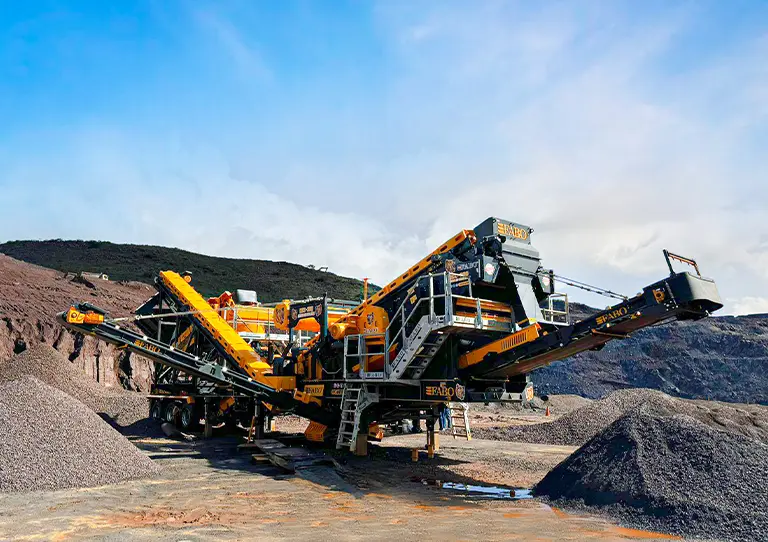
A portable cone crusher system is a self-contained crushing solution mounted on wheels or tracks, designed to be transported easily between job sites or production zones. Unlike fixed installations, these systems prioritize mobility, rapid setup, and adaptability while maintaining industrial-grade crushing performance.
Core Components of a Portable Cone Crusher System
Most systems used in Quebec and Ontario include:
- A cone crusher unit (secondary or tertiary)
- Integrated feeder and discharge conveyors
- Onboard power options (electric, diesel-electric, or hybrid)
- Control systems for crusher settings and monitoring
- Transport chassis designed for regional road regulations
The key distinction is integration. A well-designed portable system behaves like a compact plant, not a compromise solution.
Why Quebec and Ontario Demand Specialized Portable Solutions
Portable crushing in Central and Eastern Canada is not the same as in milder climates or flatter geographies. Local realities shape equipment requirements in ways that are often underestimated.
Climate and Seasonal Constraints
Freeze-thaw cycles, sub-zero temperatures, and snow-covered sites demand robust hydraulics, protected electronics, and materials that tolerate thermal stress. Portable cone crusher systems for Quebec and Ontario must function reliably from early spring through late winter, sometimes within the same project cycle.
Regulatory and Permitting Pressures
Temporary permits, noise regulations, and environmental oversight often favor portable systems. They allow producers to operate closer to extraction zones while minimizing permanent footprint and rehabilitation obligations.
Geography and Logistics
From Northern Ontario aggregate sites to Quebec’s mixed terrain quarries, mobility reduces hauling distances and fuel costs. Every kilometer saved in raw material transport compounds into measurable margin improvement.

The Strategic Role of Portable Cone Crushers in Modern Production
Portable cone crusher systems are no longer niche tools reserved for contractors. They are now central to many long-term production strategies.
Secondary and Tertiary Crushing Flexibility
Cone crushers excel at producing consistent, high-quality aggregates. When made portable, they allow producers to adjust crushing locations based on material characteristics rather than fixed plant limitations.
Rapid Deployment and Redeployment
Setup times measured in hours rather than weeks change how projects are planned. Producers can respond to demand spikes, infrastructure deadlines, or material shifts without committing to permanent installations.
Risk Reduction in Capital Investment
Portable systems lower long-term risk. If reserves change, projects end, or markets shift, the equipment moves with you.
Common Mistakes When Sourcing Portable Cone Crusher Systems
Even experienced producers can make costly errors when transitioning from fixed to portable solutions.
Mistake 1: Treating Portable as “Light-Duty”
Portability does not mean lower performance. Many producers underestimate the structural and mechanical demands placed on portable units, especially under continuous operation.
Mistake 2: Ignoring Transport Regulations
Axle loads, width limits, and regional road laws vary between Quebec and Ontario. Systems not designed with these constraints in mind create logistical headaches and added costs.
Mistake 3: Overlooking Integration with Existing Equipment
Portable cone crushers must integrate smoothly with upstream jaw crushers and downstream screens. Mismatched capacities lead to bottlenecks, recirculation, and uneven wear.
We have seen operations struggle not because the crusher was inadequate, but because the system was not engineered holistically.
Portable vs. Stationary Cone Crusher Systems: A Practical Comparison
When Portable Systems Excel
- Multi-site operations
- Contract crushing
- Short- to medium-term quarry projects
- Operations with changing material sources
When Stationary Systems Still Make Sense
- Very high, constant tonnage over decades
- Sites with stable reserves and infrastructure
- Operations prioritizing lowest cost per ton over flexibility
In Quebec and Ontario, many producers adopt hybrid strategies—using stationary primary crushing with portable cone crushers downstream to balance stability and adaptability.
Key Technical Considerations for Quebec and Ontario Operations
Crusher Design and Liner Configuration
Material hardness varies significantly across the region. Granite, limestone, and mixed recycled materials require different liner profiles and crusher settings. Portable systems should allow quick configuration changes without excessive downtime.
Power Options and Energy Strategy
Electric and hybrid systems are increasingly popular where grid access is available. Diesel-electric configurations offer flexibility in remote locations while reducing fuel consumption compared to purely diesel setups.
Maintenance Access in Harsh Conditions
Cold-weather maintenance is not forgiving. Systems designed with accessible service points, protected hydraulic lines, and simplified liner change procedures save time and reduce safety risks.
Industrial-Scale Performance: Can Portable Systems Keep Up?
A common question from production managers is whether portable cone crusher systems can truly handle industrial-scale demand.
The answer is yes—when selected correctly.
Modern systems offer:
- High crushing forces comparable to fixed units
- Advanced automation for load control and protection
- Wear part lifespans suitable for continuous operation
The limiting factor is rarely the crusher itself. It is usually feed consistency, screening efficiency, or system integration.
The Role of Automation and Control Systems
Automation is no longer a luxury in portable crushing.
Real-Time Monitoring
Load sensors, temperature tracking, and vibration monitoring protect the crusher and stabilize output.
Operator-Friendly Interfaces
Intuitive controls reduce reliance on highly specialized operators—an important consideration given skilled labor shortages.
Data for Optimization
Performance data allows producers to refine settings, reduce wear, and improve product consistency over time.
Frequently Asked Questions from Quebec and Ontario Producers
Are portable cone crusher systems reliable in winter?
Yes, if designed for cold climates. Proper hydraulic protection, heating elements, and component selection are essential.
How fast can a system be moved and restarted?
Depending on configuration, many systems can be relocated and operational within one to two days, including transport and setup.
Do portable systems cost more to operate?
Not necessarily. Reduced hauling, faster deployment, and flexible utilization often offset slightly higher maintenance requirements.
How MT Royal Supports Smarter Portable Crusher Decisions
Sourcing portable cone crusher systems for Quebec and Ontario is not about picking a model—it’s about aligning equipment with operating reality.
MT Royal works with multiple manufacturers, allowing producers to compare configurations, power options, and design philosophies objectively. Rather than promoting a single solution, the focus remains on fit: material, climate, logistics, and production goals.
We have seen that operations achieve better results when portability is treated as a system decision, not a feature checklist.
Industry Trends Shaping Portable Crushing in Eastern Canada
Increased Use of Contract Crushing
Infrastructure and rehabilitation projects favor mobile solutions that can scale up or down quickly.
Sustainability and Reduced Transport Emissions
Portable crushing closer to extraction points reduces truck traffic and fuel consumption—an increasingly important consideration for permits and community relations.
Modular Expansion
Producers are investing in systems that can be expanded with additional screens or crushers as demand grows.
A Perspective Grounded in Experience
Portable cone crusher systems are not about chasing trends. They are about aligning production capability with uncertainty. In Quebec and Ontario, where weather, regulation, and market demand can shift rapidly, flexibility is not inefficiency—it is resilience.
When chosen thoughtfully, portable systems become quiet enablers of productivity. They don’t draw attention to themselves. They simply show up, do the work, and move on to the next challenge.
That kind of reliability is rarely accidental. It comes from understanding the realities of production, logistics, and people—not just machines.

No comment