

For food manufacturers in Afghanistan, sourcing functional ingredients is no longer just a procurement task—it is a strategic decision that directly affects product quality, production stability, and long-term competitiveness. Among these ingredients, protein blends have become one of the most critical components in modern food formulation. Whether your factory produces dairy alternatives, nutritional beverages, bakery products, meat analogues, or fortified foods, the choice of a Protein Blend Supplier for Afghanistan can define the success or failure of your product line.
In a market where supply chain disruptions, inconsistent quality, and limited technical support are common challenges, manufacturers need more than just a seller. They need a partner who understands industrial production realities, formulation constraints, and cost sensitivities. This is where working with an experienced supplier like MT Royal makes a tangible difference. From sourcing multiple protein origins to offering stable, application-specific blends at competitive prices, the right supplier becomes an extension of your technical and purchasing team.
This article is written for factory owners, production managers, R&D specialists, and procurement professionals who want clarity, depth, and practical guidance. If you are evaluating protein blend suppliers for Afghanistan—or reassessing your current sourcing strategy—this guide is designed to answer the questions that truly matter.
Understanding Protein Blends in Industrial Food Production
What Is a Protein Blend?
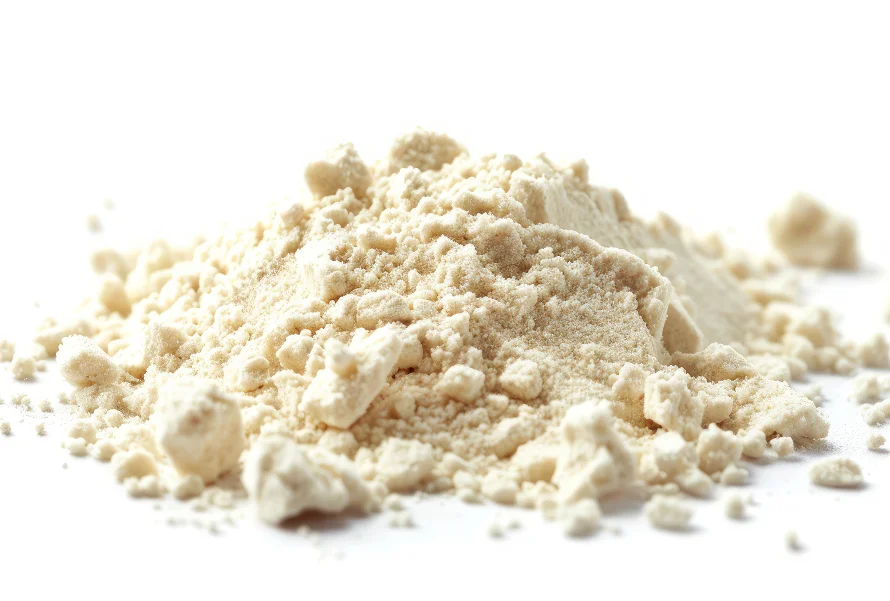
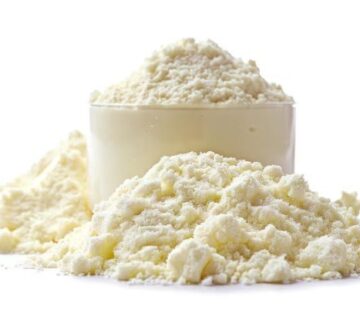
A protein blend is a carefully formulated combination of two or more protein sources designed to deliver specific functional, nutritional, and economic benefits. Unlike single-source proteins, blends allow manufacturers to balance amino acid profiles, optimize texture, improve solubility, and manage costs more effectively.
Common protein sources used in industrial blends include:
- Dairy proteins such as whey protein concentrate or isolate and milk protein
- Plant proteins like soy, pea, rice, wheat, or potato protein
- Specialty proteins used for emulsification, water binding, or foaming properties
For Afghan manufacturers, protein blends are particularly valuable because they offer flexibility. Instead of relying on one imported protein with volatile pricing or inconsistent availability, blends create formulation resilience.
Why Protein Blends Matter More Than Ever in Afghanistan
Afghanistan’s food industry is evolving. Demand for fortified foods, protein-enriched products, and affordable nutrition solutions is increasing. At the same time, manufacturers face:
- Import limitations and logistics complexity
- Sensitivity to raw material price fluctuations
- Growing expectations for product consistency and shelf stability
A reliable Protein Blend Supplier for Afghanistan does not merely ship products—it helps factories adapt formulations to real-world constraints while maintaining quality.
Key Applications of Protein Blends in Afghan Food Factories
Dairy and Dairy-Alternative Products
Protein blends are widely used in:
- Yogurt and fermented milk drinks
- Flavored milk and protein beverages
- Powdered dairy mixes
- Plant-based dairy alternatives
Blends help improve mouthfeel, protein content, and stability, especially in formulations that must withstand temperature variations during transport and storage.
Bakery and Flour-Based Products
In bread, biscuits, cakes, and flatbreads, protein blends:
- Improve dough strength and elasticity
- Enhance moisture retention
- Support nutritional fortification without compromising taste
Factories producing high-volume bakery items benefit from blends that are consistent across batches and easy to incorporate into existing processes.
Nutritional and Functional Foods
Protein-fortified porridges, meal replacements, and ready-to-mix powders are gaining popularity. Blends allow manufacturers to meet nutritional targets while keeping products affordable for the local market.
Processed Meat and Meat Analogues
In sausages, nuggets, and plant-based meat alternatives, protein blends contribute to:
- Water binding
- Texture formation
- Yield optimization
For high-output factories, even small improvements in yield can translate into significant cost savings.
Common Mistakes When Choosing a Protein Blend Supplier
Focusing Only on Price
One of the most frequent errors in industrial sourcing is choosing the cheapest supplier without evaluating functional performance. A lower-priced protein blend that causes processing issues, inconsistent texture, or higher rejection rates often costs more in the long run.
Ignoring Technical Support
Protein blends are not “plug-and-play” ingredients. Without formulation guidance, factories may struggle to achieve consistent results. A professional Protein Blend Supplier for Afghanistan should offer technical insight, not just invoices.
Overlooking Supply Consistency
Irregular shipments, variable quality between batches, or sudden specification changes can disrupt production schedules. Reliable suppliers prioritize consistency and transparent communication.
Using Generic Blends for Specialized Applications
Every product category has unique requirements. Using a generic protein blend across multiple applications often leads to suboptimal performance.
We have seen factories struggle for months before realizing that the issue was not their process—but the suitability of the protein blend itself.
What Industrial Buyers Should Expect from a Protein Blend Supplier
Customization and Application Awareness
A serious supplier understands that protein blends should be aligned with:
- Product type
- Processing conditions
- Target price point
- Local consumer preferences
At MT Royal, we work with multiple brands and protein origins, allowing us to recommend blends that match your exact production goals rather than pushing a one-size-fits-all solution.
Stable Quality and Clear Specifications
Industrial production depends on predictability. A professional supplier provides:
- Clear technical data sheets
- Stable functional performance
- Transparent sourcing information
This reduces trial-and-error costs and accelerates product development.
Competitive Pricing Without Compromising Functionality
Cost control is critical in Afghanistan’s manufacturing environment. By offering protein blends from different origins and brands, a trusted supplier can balance performance and affordability.
Logistics Experience with the Afghan Market
Understanding customs procedures, transit times, and packaging requirements is essential. Delays or improper handling can compromise protein quality before it reaches your factory.
Industrial Considerations for Large-Scale Production
Batch-to-Batch Consistency
Protein blends must perform the same way every time. In high-volume factories, even slight variations can affect thousands of units per shift.
Compatibility with Existing Equipment
Not all blends behave the same during mixing, heating, or extrusion. Choosing the wrong protein blend can require costly process adjustments.
Shelf-Life and Storage Stability
Temperature fluctuations and storage limitations are realities in many regions. Blends should be selected with these conditions in mind.
Regulatory and Labeling Requirements
Clear documentation is essential for labeling, export readiness, and internal quality audits. A reliable Protein Blend Supplier for Afghanistan ensures that specifications are complete and accurate.
Trends Shaping the Protein Blend Market
Shift Toward Plant-Based and Hybrid Proteins
Manufacturers are increasingly combining plant and dairy proteins to balance cost, nutrition, and functionality.
Demand for Clean and Simplified Formulations
Even in B2B manufacturing, there is growing attention to ingredient transparency and simplified labels.
Functional Optimization Over Pure Protein Content
Buyers are focusing less on headline protein percentages and more on performance factors such as solubility, texture, and stability.
Factories that adapt to these trends early gain a competitive edge.
Frequently Asked Questions from Factory Managers and Buyers
Is it better to use single proteins or blends?
For most industrial applications, blends offer better flexibility, cost control, and functional performance than single proteins.
Can protein blends be adjusted for different products?
Yes. A professional supplier can recommend different blends for beverages, bakery, or meat applications—even within the same factory.
How important is technical support from the supplier?
Extremely important. Without it, troubleshooting formulation issues becomes time-consuming and expensive.
Are protein blends suitable for high-volume production?
Absolutely—when sourced from a reliable supplier with consistent quality and industrial-grade specifications.
Why Many Afghan Manufacturers Choose MT Royal
Over years of collaboration with food factories across different markets, we have learned that trust is built through results, not promises. MT Royal positions itself as a dependable Protein Blend Supplier for Afghanistan by focusing on:
- Supplying multiple protein blend options from reputable brands
- Maintaining competitive pricing without sacrificing performance
- Understanding industrial production challenges firsthand
- Supporting buyers with practical, experience-based guidance
We do not believe in aggressive selling. We believe in helping factories make informed decisions that support long-term growth. When your production runs smoothly, your costs stay under control, and your products meet market expectations, the supplier relationship naturally becomes long-lasting.
A Final Thought for Decision-Makers
Protein blends are not just ingredients—they are tools that shape product quality, efficiency, and profitability. In a complex sourcing environment like Afghanistan, choosing the right Protein Blend Supplier is a strategic move, not an operational detail.
When you evaluate suppliers, look beyond price lists. Look for consistency, understanding, and partnership. The factories that thrive are not always the biggest or the cheapest—they are the ones that make smarter sourcing decisions.


No comment