

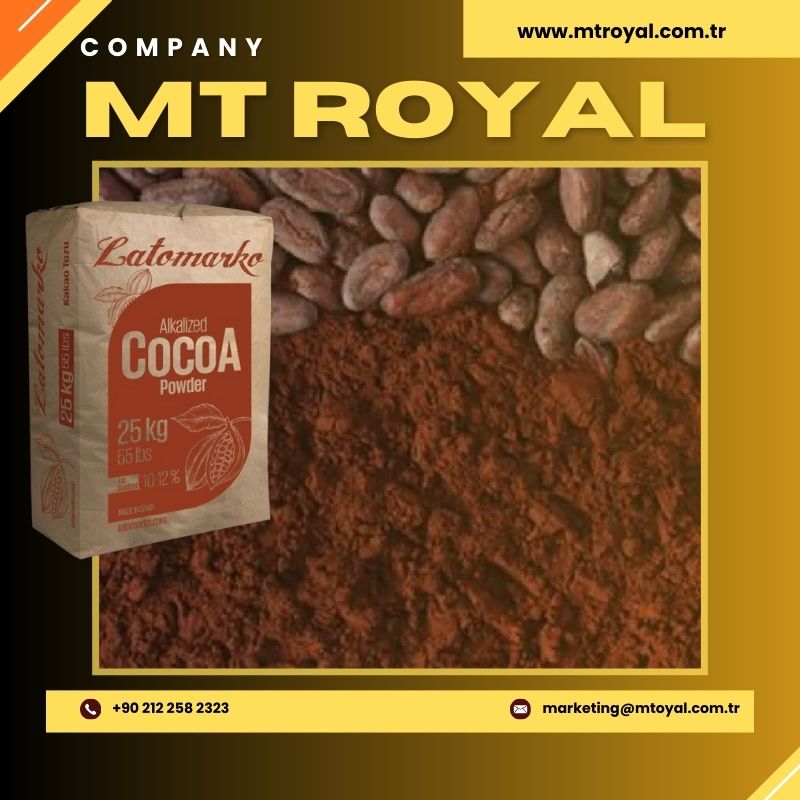
In industrial chocolate and confectionery production, quality control is far more than a checklist—it’s a decisive factor that affects product consistency, efficiency, and profitability. Among raw materials, industrial cocoa powder demands particular attention, as its properties directly influence texture, flavor, solubility, and compatibility with other ingredients. For factory managers and procurement officers, understanding quality control parameters is essential for maintaining operational stability and meeting both consumer expectations and regulatory standards.
At MT Royal, we’ve worked with production facilities across various industries and understand that even small deviations in cocoa powder quality can cascade into significant operational challenges. From flavor inconsistencies to processing inefficiencies, mismanaged cocoa powder can cost time, money, and reputation. This guide dives deep into the technical, operational, and strategic aspects of industrial cocoa powder quality control, offering actionable insights for manufacturing decision-makers.
Understanding Cocoa Powder Quality: Fundamentals
What Defines Industrial Cocoa Powder Quality?
Cocoa powder quality is multidimensional, encompassing physical, chemical, and microbiological parameters. Key indicators include:
- Fat content: Influences mouthfeel, solubility, and processing behavior. For instance, a higher fat percentage may reduce viscosity in chocolate formulations but can also affect shelf stability.
- Moisture content: Excess moisture can lead to clumping, microbial growth, and inaccurate weight measurements during batching. Targeting 5% or lower is typical for industrial applications.
- pH and acidity: Cocoa powder’s acidity affects flavor and processing reactions. Alkalized (Dutch-processed) powders have higher pH, yielding milder flavor and darker color.
- Particle size distribution: Impacts solubility, dispersibility, and texture in end products. Finer powders dissolve more efficiently but may require specialized handling.
- Microbiological safety: Ensures compliance with food safety regulations and prevents contamination that could halt production.
Understanding these parameters is crucial before purchasing or integrating cocoa powder into production lines.
Benefits of Rigorous Quality Control in Manufacturing
Maintaining strict quality control for cocoa powder offers tangible advantages for large-scale production:
- Consistent flavor and color: Predictable sensory attributes allow for reliable formulation across batches.
- Efficient processing: Properly controlled fat content and particle size reduce energy consumption during mixing and conching.
- Reduced waste: Fewer off-spec batches mean less rework and fewer rejects.
- Regulatory compliance: Ensures adherence to food safety and export requirements.
Premium European suppliers, particularly those with Spanish engineering like Latamarko, offer cocoa powders with highly consistent quality, minimizing the need for in-house corrective measures and safeguarding efficiency on the production floor.
Critical Quality Control Parameters
Fat Content
Industrial cocoa powder typically ranges from 10–24% fat. Variations affect:
- Viscosity in chocolate formulations
- Mouthfeel in beverages and bakery applications
- Compatibility with lecithin and other emulsifiers
Pro tip: Regularly verify fat content using standard analytical methods such as Soxhlet extraction. In our experience, using suppliers like MT Royal ensures access to batches with verified fat percentages, reducing the risk of formulation errors.
Moisture Content
Moisture levels above recommended thresholds can cause:
- Clumping in storage and transportation
- Microbial growth during mixing and storage
- Inaccurate dosing in automated production lines
A moisture analyzer or Karl Fischer titration can provide precise readings. Factory managers should implement routine checks to prevent operational interruptions.
pH and Acidity
- Natural cocoa powder typically has a pH around 5–6, with higher acidity enhancing flavor complexity but potentially affecting solubility.
- Alkalized cocoa powder may reach pH 7–8, offering milder taste and improved color consistency.
Monitoring pH ensures that final products meet both taste specifications and processability requirements.
Particle Size and Solubility
Particle size influences:
- Dispersibility in water and milk-based beverages
- Texture uniformity in bakery and confectionery applications
- Efficiency of mixing and blending in automated lines
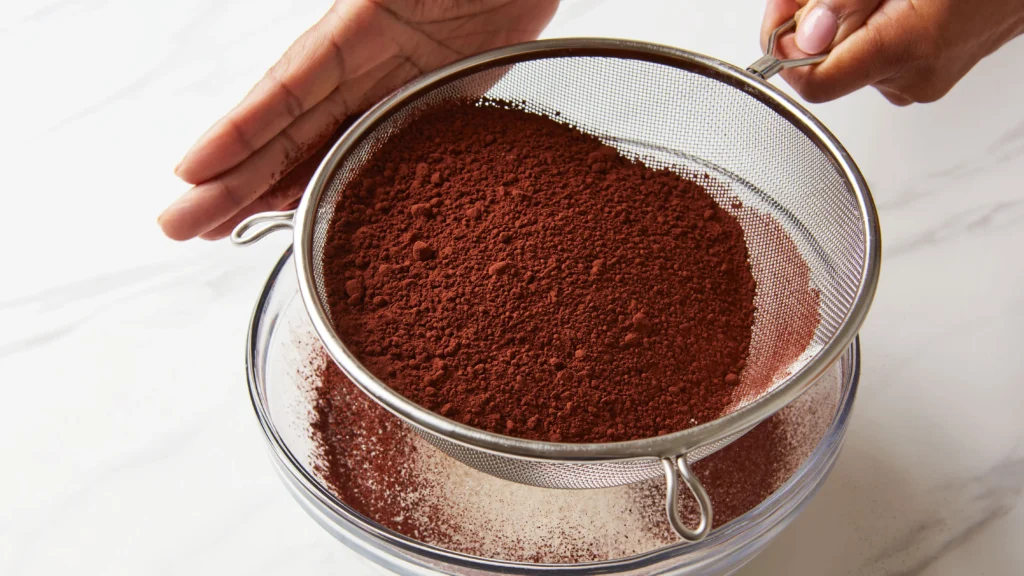
Laser diffraction or sieving methods help assess particle distribution, enabling process adjustments to optimize production efficiency.
Microbiological Safety
Cocoa powder can harbor bacteria, yeast, or mold if improperly handled. Ensuring safety includes:
- Conducting regular microbial assays
- Adhering to Good Manufacturing Practices (GMP)
- Sourcing from reputable suppliers with rigorous safety protocols, such as MT Royal
Common Pitfalls in Industrial Cocoa Powder Procurement
- Assuming uniformity across suppliers: Even cocoa powders with similar specifications may behave differently during processing.
- Neglecting moisture monitoring: Shipping and storage conditions can alter moisture content significantly.
- Overlooking particle size distribution: Powder that is too fine may increase dust hazards, while coarse particles reduce solubility.
- Underestimating pH variability: Variations in alkalization levels affect flavor, color, and chemical reactions in end products.
By anticipating these issues, factory managers can minimize operational risks and maintain batch consistency.
Actionable Steps for Factory Managers
Step 1: Supplier Verification
Partner with reliable suppliers offering consistent, batch-verified cocoa powders. MT Royal provides a comprehensive range of brands with documented specifications, helping you maintain production stability.
Step 2: Incoming Quality Checks
- Test for fat content, moisture, and particle size
- Measure pH and titratable acidity
- Assess microbiological safety
Step 3: Process Integration
- Adjust blending ratios to achieve target specifications
- Modify mixing or conching parameters based on particle size and fat content
- Monitor pH and moisture throughout production
Step 4: Continuous Monitoring
Implement statistical process control (SPC) to detect deviations early. Regular calibration of measurement equipment ensures accuracy.
Real-Life Industrial Examples
- Scenario 1: A chocolate beverage plant struggled with inconsistent solubility in its instant cocoa powder mix. Implementing particle size monitoring and sourcing premium Latamarko powders stabilized dispersibility across batches.
- Scenario 2: A bakery supplier experienced clumping during storage due to high moisture in incoming powder. Adjusting storage humidity and verifying moisture levels on arrival eliminated production delays.
These examples highlight how meticulous quality control translates directly into operational efficiency and product reliability.
Comparing Cocoa Powder Quality Tiers
| Quality Tier | Key Features | Industrial Benefits | Example Suppliers |
|---|---|---|---|
| Premium | Controlled fat, uniform particle size, low moisture, verified pH | Minimal in-line adjustments, consistent flavor, lower waste | Latamarko, European brands |
| Standard | Moderate consistency, occasional pH and fat variation | Requires monitoring, moderate rework risk | Regional suppliers |
| Commodity | Variable specifications, higher moisture | Economical but higher risk of processing issues | Bulk generic suppliers |
Choosing the right tier balances cost with operational efficiency. Premium suppliers like Latamarko are ideal for high-quality end products where consistency is critical.

Frequently Asked Questions (FAQ)
Q1: How often should I test cocoa powder in large-scale production?
A1: At minimum, conduct tests on every incoming batch and spot-check in-process powder during critical stages like mixing and conching.
Q2: Can alkalization compensate for variable cocoa powder quality?
A2: Only partially. Alkalization affects pH and color but cannot correct issues like uneven particle size or high moisture.
Q3: How do European brands compare to others?
A3: Brands like Latamarko offer predictable quality, verified parameters, and consistent processing behavior—reducing waste and rework.
Q4: Which parameters impact solubility most?
A4: Particle size, fat content, and pH are primary influencers. Consistent monitoring ensures stable solubility in final products.
Strategic Takeaways for Manufacturing Professionals
For factory managers and production supervisors, controlling industrial cocoa powder quality is not optional—it’s a strategic necessity. Proper monitoring and adjustment of parameters like fat content, moisture, pH, and particle size:
- Reduces batch-to-batch variability
- Enhances processing efficiency
- Improves product quality and flavor consistency
- Supports regulatory compliance
By sourcing from reliable suppliers such as MT Royal and considering premium options like Latamarko, production facilities can reduce operational risks and maintain high standards without excessive in-house intervention.




No comment